Nats chief apologises to airlines over September system failures that cancelled more than 2,000 flights
Why It MattersThe exchange shows UK air traffic control resilience is contested between provider and airlines: Nats frames recovery as an industry-wide task, while carriers push for accountability and earlier publication of findings.
What happened
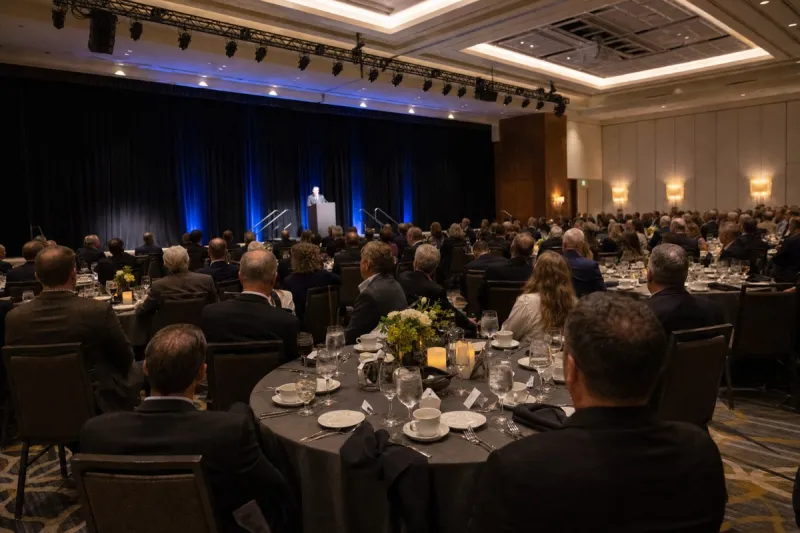
Nats chief executive Martin Rolfe apologised to aviation leaders at the Airlines UK conference in London for two system failures in September that led to the cancellation of more than 2,000 flights and delays to many more.
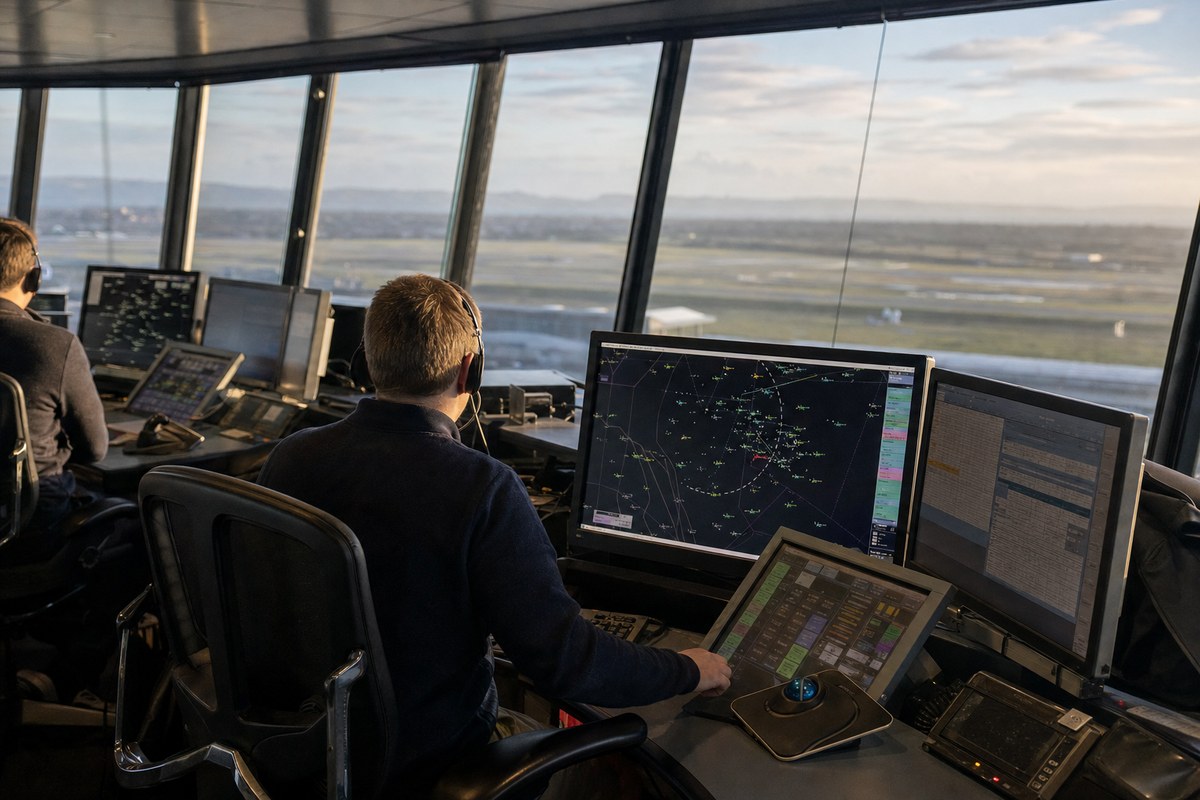
Rolfe said a software issue on September 8 affected the Nats system and forced airlines to cancel about 2,000 flights, with others delayed. Less than a fortnight later, a technical issue at the Nats control centre at Prestwick in Scotland led to another 200 cancellations.
Rolfe said permanent fixes had been implemented for both issues and that he was confident neither would recur. He said September's issues were Nats' responsibility, but that recovery from disruption is the responsibility of everyone in the industry, noting that recovery is not like flicking a switch and that everything has to be brought back into alignment. He argued that UK airspace is among the busiest in the world and that the industry has to ask how much traffic the system can handle on a good day as well as how quickly it can recover on a bad one.
Asked whether he expects Nats to face a financial penalty, Rolfe said a penalty would not make recovery faster or resilience better.
Ryanair chief operating officer Neal McMahon criticised Rolfe's comments, likening them to "listening to the captain of the Titanic". He noted that a Civil Aviation Authority (CAA) review of the September 8 failure is due to be published in March, and said that if the report is already ready, there is no need to wait until March.
The recovery argument
Rolfe's position splits the September disruption into two parts. The initial failures, he said, were Nats' responsibility, while the return to normal operations belongs to the whole industry, with airlines, airports and air traffic control all having to realign after an interruption.
He also reframed how resilience should be judged: not only by how fast the system recovers on a bad day, but by how much traffic it can carry on a good one in airspace he described as among the busiest in the world.
Industry impact & what to watch
The split between a provider that owns the failure but shares the recovery, and carriers that want accountability, is a recurring feature of air traffic control disruption. In a network where airlines absorb the cancellations, rebooking and passenger costs, the question of who funds and who owns resilience tends to surface in public once the immediate disruption ends.
Rolfe's rejection of a financial penalty and McMahon's call for earlier publication point at the same gap: what airlines can observe is the cost to them, while what Nats can show is a fix. How capacity in busy airspace is weighed against recovery speed is the part of Rolfe's argument that carries consequences for scheduling and for how operators plan resilience on peak days.
The CAA review of the September 8 failure, due in March, is the next dated milestone, and McMahon's remark is a push to bring its publication forward. Its contents will determine whether the permanent fixes Rolfe described are independently confirmed.