U.S. Air Force Academy Unveils Four Game Composites GB1 Gamebirds as T-19A Kestrel Aerobatic Trainers
Why It MattersDonor-funded procurement of a commercial two-seat aerobatic type shows service academies can field trainers through private money and short timelines, while larger programs like the T-7 Red Hawk move more slowly.
What happened
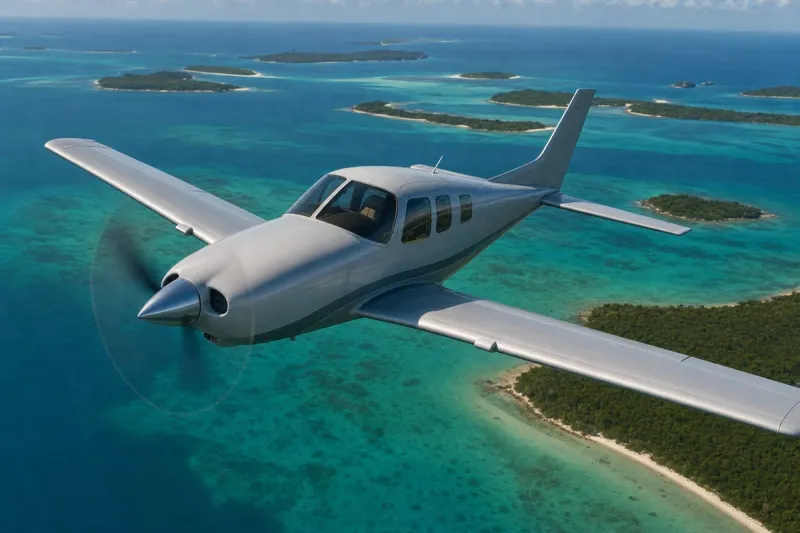
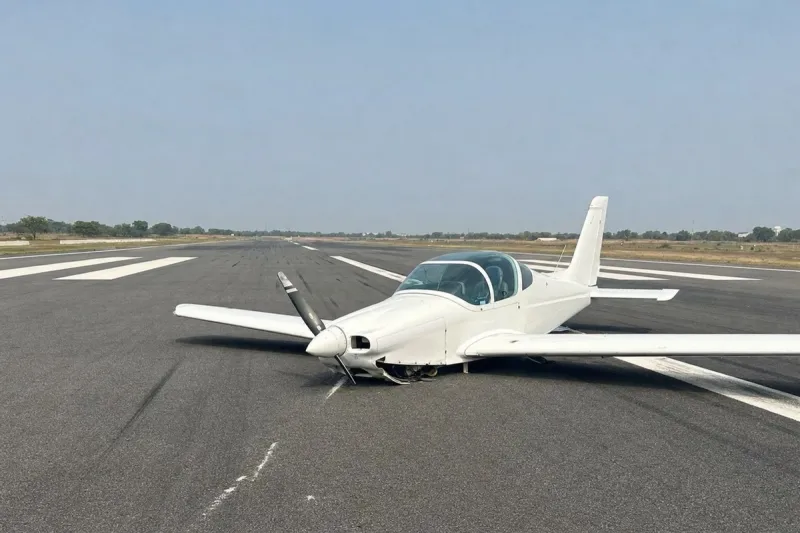
The U.S. Air Force Academy on Thursday unveiled a new aerobatic training aircraft to support its airmanship program. An Air Force spokesperson told Breaking Defense that cadets will train on four two-seat, single-engine Game Composites GB1 Gamebirds, which the service has designated the T-19A Kestrel. The spokesperson said corporate and civilian donations funded the $3 million procurement and that the Air Force will spend about $1 million annually to sustain the aircraft.
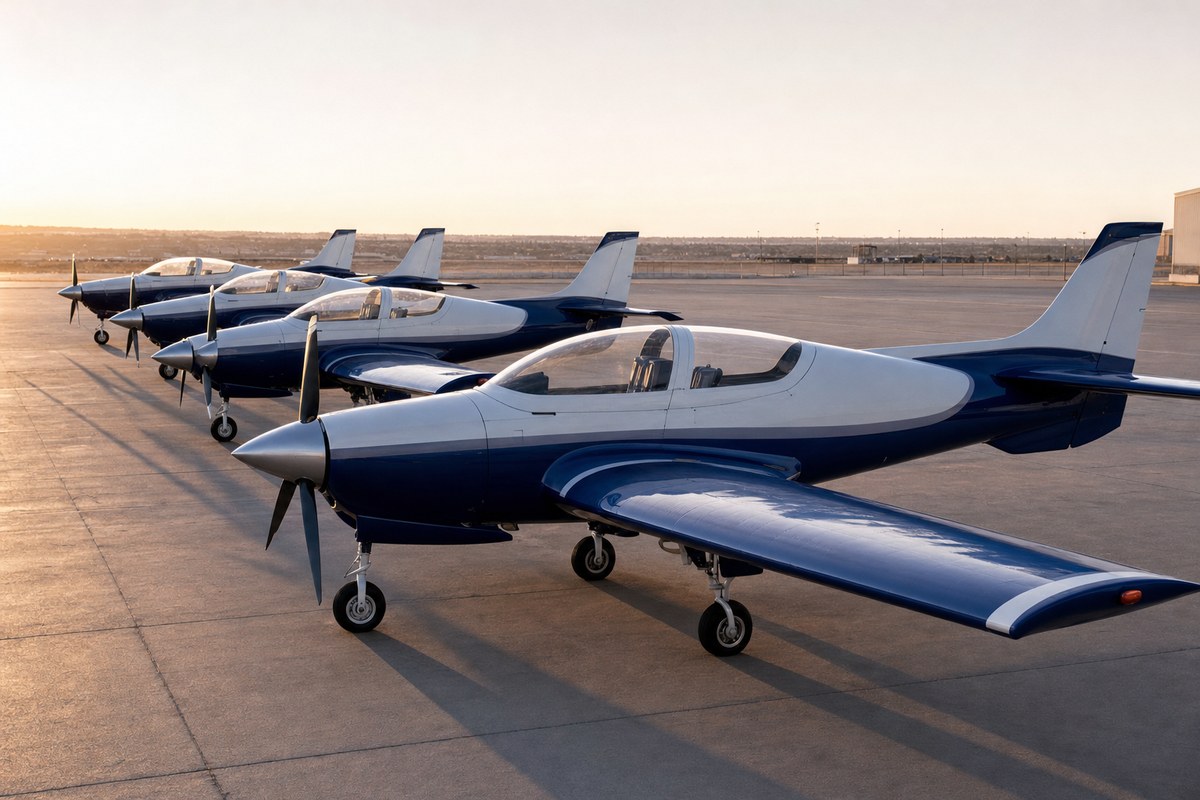
The T-19A, the Academy's first powered aerobatic aircraft, made its public debut at Peterson Space Force Base (KCOS) in Colorado during a flyover for cadets. The Air Force news release said the aircraft recently completed its final military certification flights and is now fully cleared for Academy use at Davis Airfield (KAFF). Air Force Chief of Staff General Ken Wilsbach said going from an idea to four aircraft built and delivered took 10 months. Cadets recommended the name "Kestrel," after the falcon species known for agility, acceleration, vision and precision.
The four aircraft will allow cadets to build flight time and experience before entering the Air Force or undergraduate pilot training, and will support a future aerobatic training curriculum. The Academy chose six active-duty military pilots to develop and execute that curriculum. The initial cadre will perform at recruiting events and air shows nationwide and is later expected to take part in competitions including those of the International Aerobatic Club. A select cohort of cadets will be mentored in the T-19A each year.
Industry impact & what to watch
The Kestrel is a case of a military service adopting a commercially built light aerobatic aircraft through private funding rather than a conventional acquisition line. Donors covered the $3 million purchase, leaving the Air Force responsible only for the roughly $1 million annual sustainment bill. For small-volume trainer types, that split is a route to fielding aircraft quickly, and the 10 months from idea to four delivered airframes is the figure that illustrates it.
The context is a service dealing with a persistent pilot shortage while its larger trainer effort, the T-7 Red Hawk meant to replace the aging T-38 Talons, has run into difficulties including airworthiness risks. The Academy's aerobatic program works at a different scale: it builds early flight hours and stick-and-rudder experience ahead of undergraduate pilot training and doubles as a recruiting showcase at air shows.
The next dated markers are the curriculum the six selected pilots are developing and the first competition appearances the initial cadre is expected to make, including International Aerobatic Club events.