FAA to Add Digital Control Towers at Five More Airports; Global Jet Capital Reports OEM Backlog at $62.9 Billion; NBAA Ex-CEO Ed Bolen Dies
Why It MattersRemote camera-based tower service is moving from trial into routine operation at non-towered fields, while a rising order backlog alongside thin used-aircraft supply keeps the market tilted toward sellers of newer aircraft.
What happened
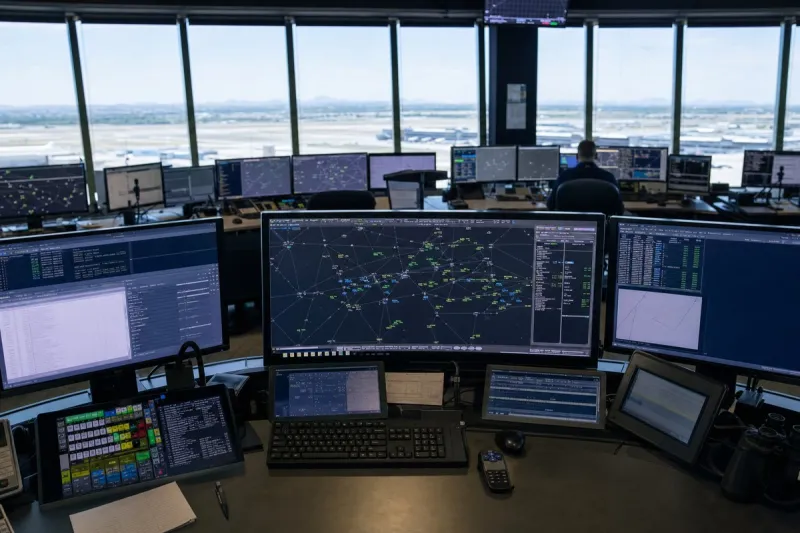
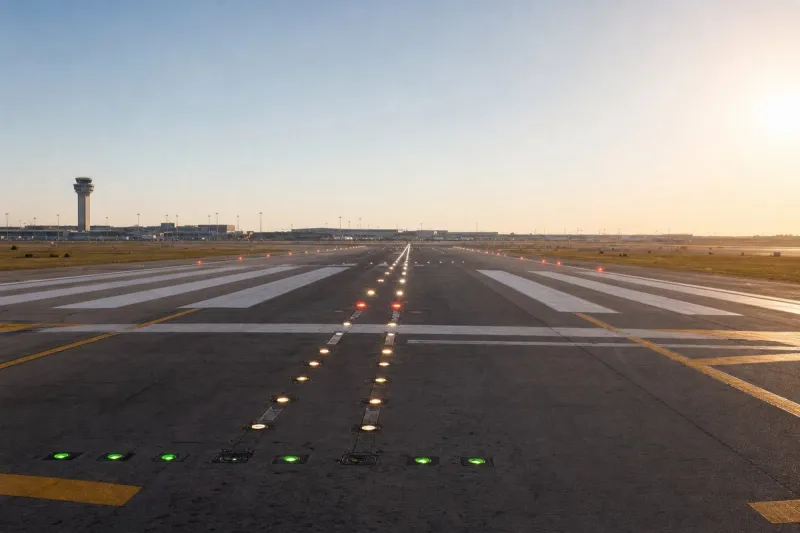
The Federal Aviation Administration announced that the nation's first digital towers are operational at Bartow Executive Airport (KBOW) in Florida and Kenai Municipal Airport (PAEN) in Alaska. Digital towers use cameras and digital displays to give controllers a continuous 360-degree view of runways, taxiways and surrounding airspace. The FAA says controllers still manage the airspace and that the technology adds information to support their work.
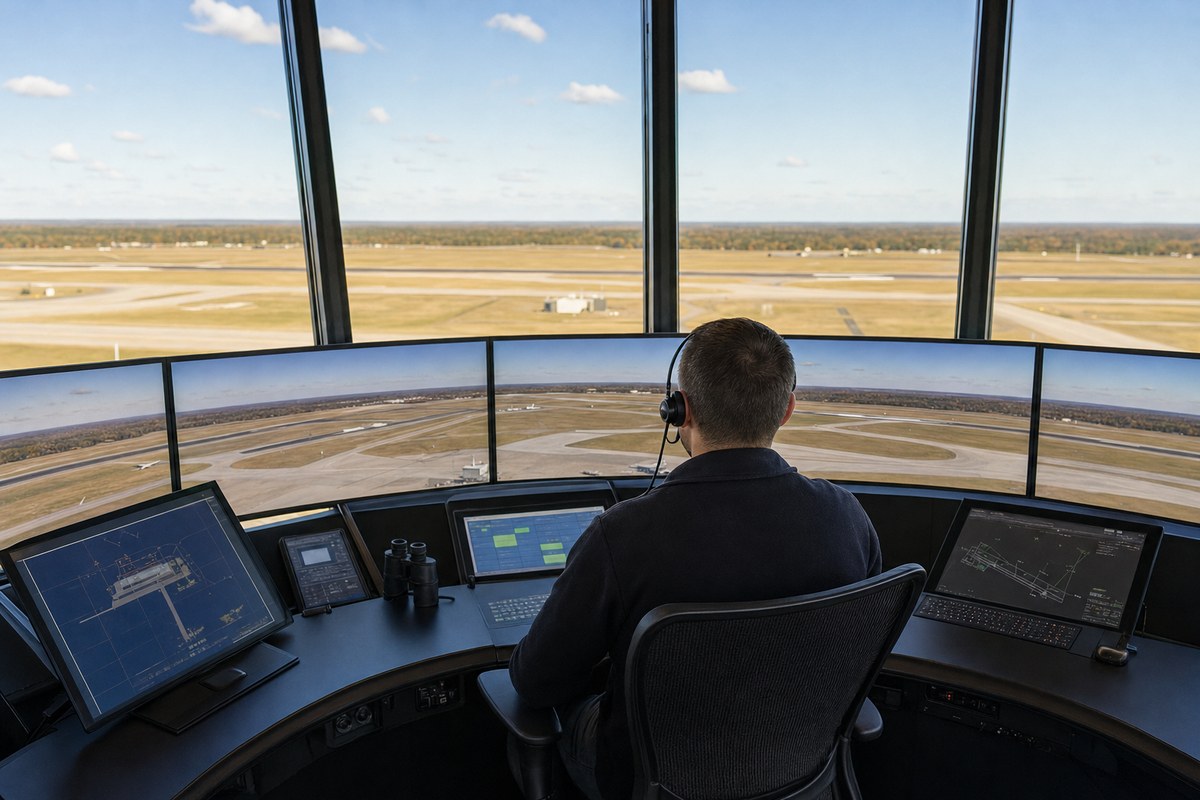
The agency selected the Frequentis system and tested it for years at the William J. Hughes Technical Center in Atlantic City, New Jersey. Five more non-towered airports are slated to receive digital towers: Winter Haven Regional Airport and Venice Municipal Airport in Florida, Montgomery County Airpark (Gaithersburg) in Maryland, Johnston Regional Airport in North Carolina, and Durango-La Plata County Airport in Colorado.
Local pilots at Gaithersburg raised concerns before implementation. They cited busy flight schools, a mix of users, a possible lack of local knowledge among contract controllers, and the airport's position under the Washington, D.C., Special Flight Rules Area, which they fear could mean more delays.
Separately, Global Jet Capital's Q3 business aviation market report said global GDP growth softened to 2.4% from 3.0% a year earlier, while unemployment across OECD countries stabilized and investment in AI-driven businesses stayed strong. The total backlog for the major OEMs reached $62.9 billion in Q3 2026, up 23% year over year, with an industry-wide book-to-bill ratio above 1:1. Transaction volume declined, which the report attributed to reporting delays. Availability of used business aircraft remained below historical averages, especially for newer aircraft, though it rose slightly.
Ed Bolen, the recently retired president and CEO of the National Business Aviation Association (NBAA), has died; he had been undergoing treatment for an aggressive cancer. Colleagues recalled his ability to focus on the person he was with, including at the March 10 unveiling of the Dassault Falcon 10X in Bordeaux-Merignac.
Industry impact & what to watch
Digital towers change where air traffic service is delivered from, not who is responsible for it. Cameras and displays let controllers cover airports that would otherwise have no tower, and the FAA's years of testing in Atlantic City suggest the agency wants the model proven before it is repeated at scale. For general and business aviation, the practical question is how a remote service performs at fields with mixed traffic, which is exactly where the Gaithersburg pilots have voiced doubts.
The Gaithersburg objections are specific enough to serve as a test: contract controllers working a flight-school environment, under the Washington Special Flight Rules Area, are the conditions in which delay concerns would show up first. How the five announced airports perform against those concerns will matter more to the programme's credibility than the two openings alone.
On the financial side, a backlog of $62.9 billion with a book-to-bill ratio above 1:1 means manufacturers are booking orders faster than they deliver. Used-aircraft availability below historical averages, particularly for newer aircraft, is consistent with a market where buyers who need an aircraft soon have few alternatives to waiting in the new-build queue. The report's attribution of lower transaction volume to reporting delays also means that figure alone says little about demand.