FAA rolled out AI-supported SMART air traffic tool to all 22 route centers three days before nationwide ground stop
Why It MattersThe sequence shows how predictive, data-merging traffic tools are being embedded in centralized airspace management just as a single communications failure can still halt departures nationwide.
What happened
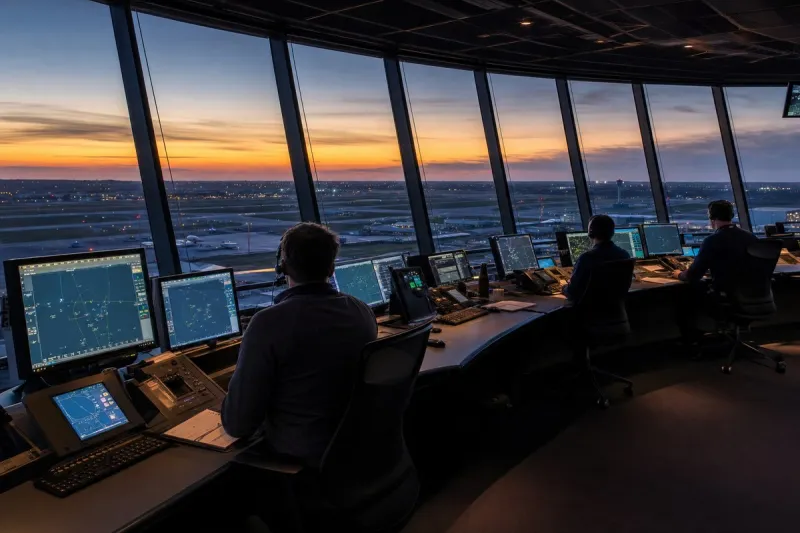
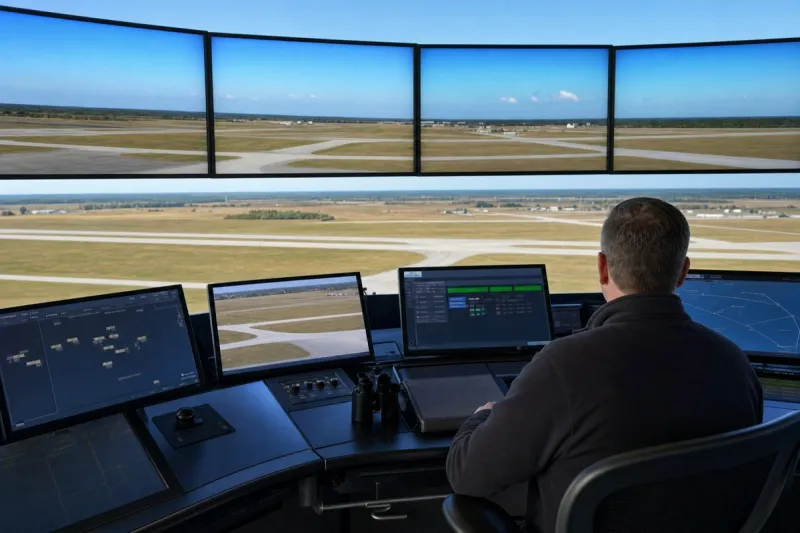
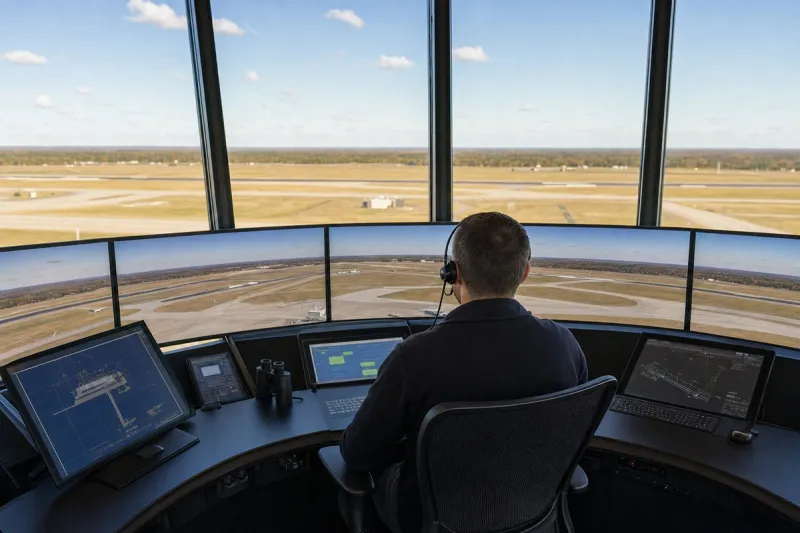
The Federal Aviation Administration said it expanded its Strategic Management of Airspace, Routes and Trajectories (SMART) tool, which is supported by artificial intelligence, to all 22 of its air route traffic control centers. The expansion came three days before the agency ordered a nationwide ground stop on departing flights.
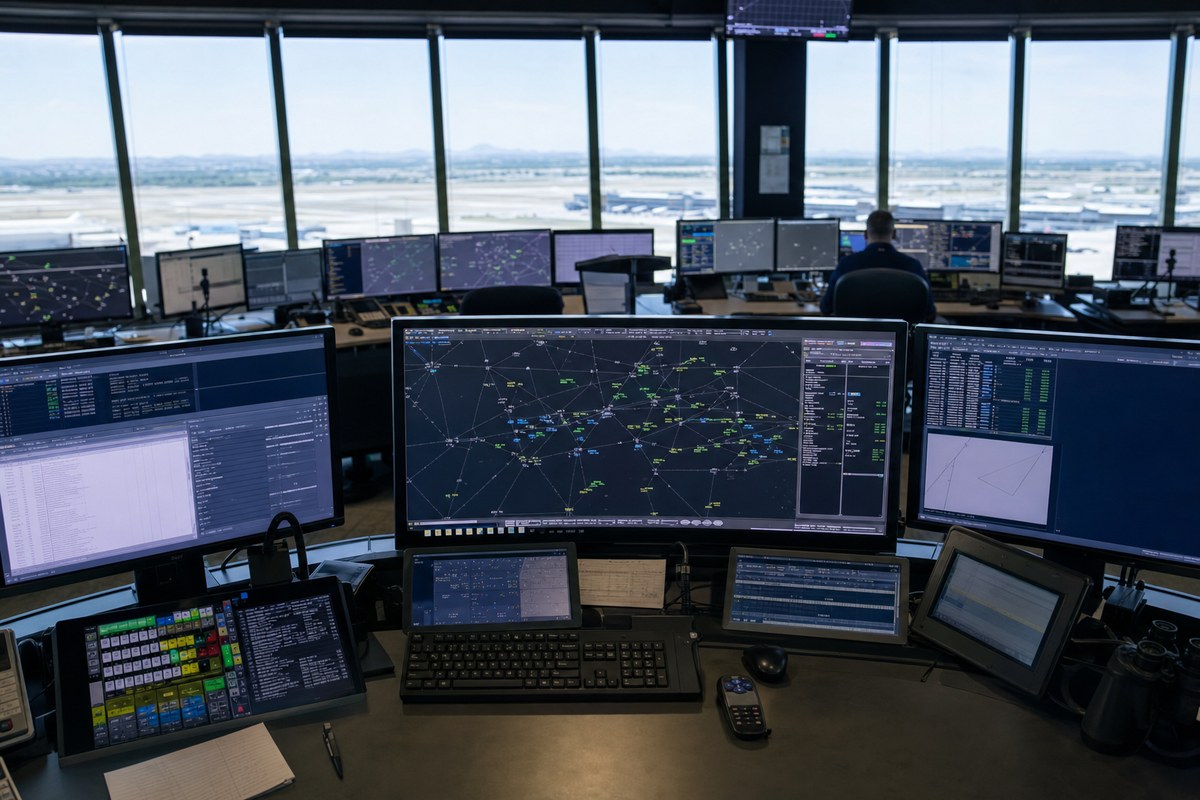
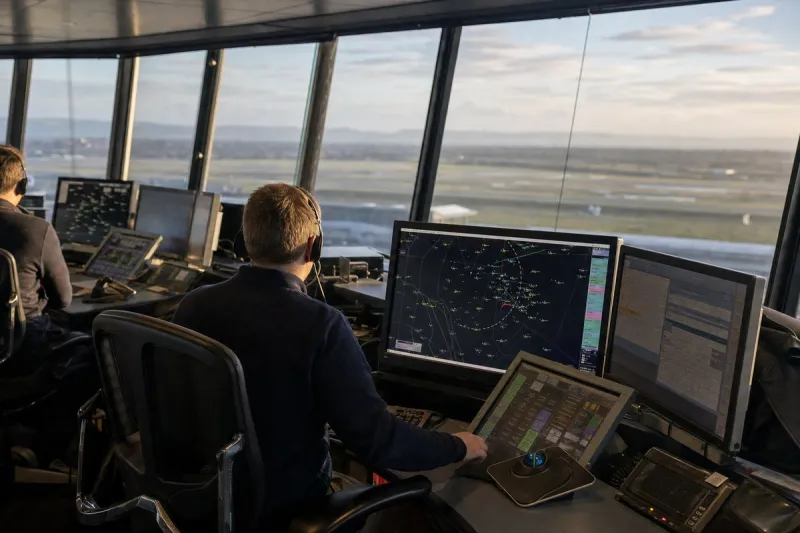
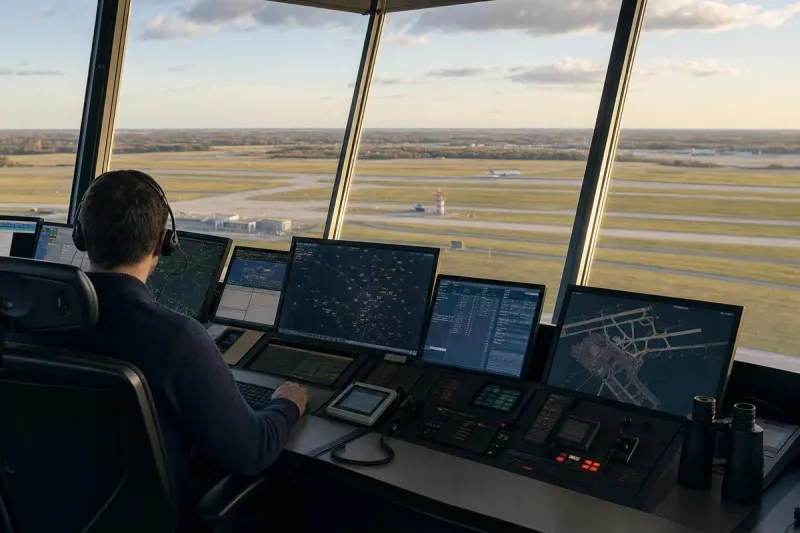
The FAA describes SMART as a shift from reactive to predictive air traffic management. The tool merges about 200 data streams, including flight paths, schedules, weather, airport capacity and controller staffing, onto a single platform to anticipate demand, weather and airspace constraints hours, days or weeks ahead. It recommends early routing or schedule changes to help flights avoid severe weather or congestion, with the aim of reducing delays and saving fuel.
Since a partial launch on Sept. 21, the FAA said it has rerouted 180 flights, saving an average of about 10 minutes and almost 80 gallons of fuel per flight. FAA specialists review every recommendation, local facility leaders can accept or decline them, and controllers remain responsible for keeping aircraft separated. SMART was first used in the airspace around Reagan National, Dulles and Baltimore/Washington airports, and Air Space Intelligence is building it under a 12-year, $875 million contract awarded in June that also covers a related data platform.
Transportation Secretary Sean Duffy called Friday's ground stop a "communications issue" that affected all Air Route Traffic Control Centers, and said FAA technicians were investigating. An FAA advisory said departing traffic at all U.S. airports was ordered to remain grounded "due to extraordinary circumstances and for reasons of safety." Inbound international flights are being handled on a case-by-case basis. Neither the FAA nor Duffy has linked SMART to the ground stop, and what prompted it is unclear.
Industry impact & what to watch
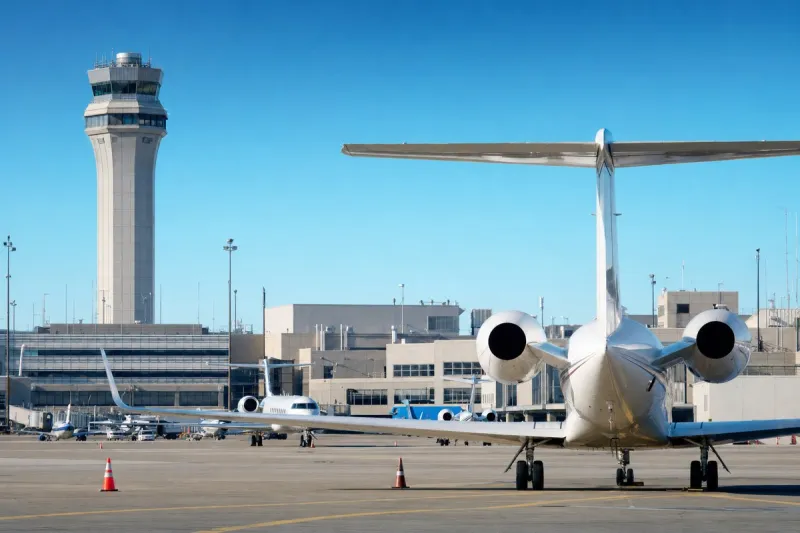
Predictive tools like SMART point to a direction in which airspace management leans on a single merged data picture, with humans reviewing each recommendation. For operators of every size, including business aviation flying through the same en route centers, the benefit on offer is earlier rerouting and fewer fuel-burning delays, and the FAA's early figures of about 10 minutes and almost 80 gallons per rerouted flight describe that benefit at small scale across 180 flights.
The ground stop is a separate lesson about concentration. A communications problem that touches all of the centers at once can ground departures across the whole system regardless of how good the planning layer is, so resilience of the underlying links matters as much as forecasting quality. Business-aviation traffic, which depends on flexible departure times and short notice routing, absorbs that kind of system-wide pause quickly.
The open item is the investigation Duffy said FAA technicians are conducting. Until the agency states what caused the communications issue, the timing of the SMART expansion and the ground stop remains a coincidence of dates, and the statement that settles it will come from the FAA or the Transportation Secretary.