Pilots for Humanity to Run Disaster-Relief Airlift Exercise at La Crosse Regional Airport on Nov. 20
Why It MattersRehearsing volunteer airlift logistics before a disaster shows that general aviation relief depends as much on coordination, cargo handling and inventory tracking as on aircraft and pilots being available.
What happened
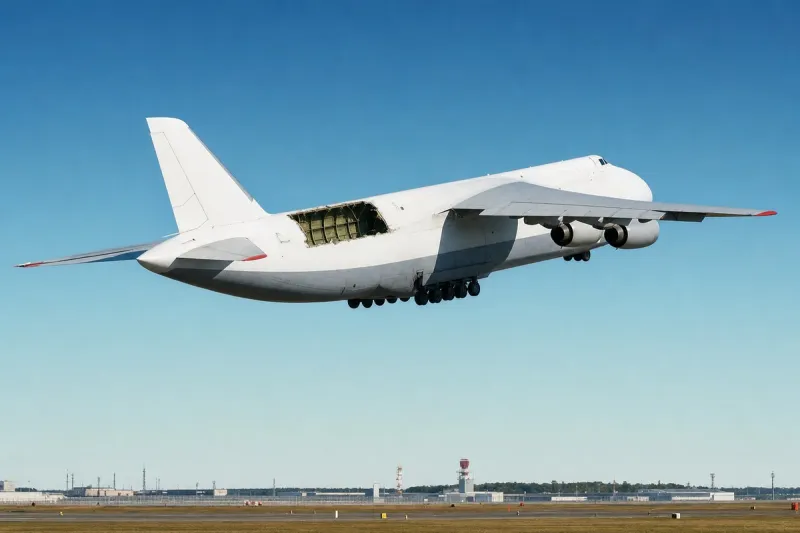
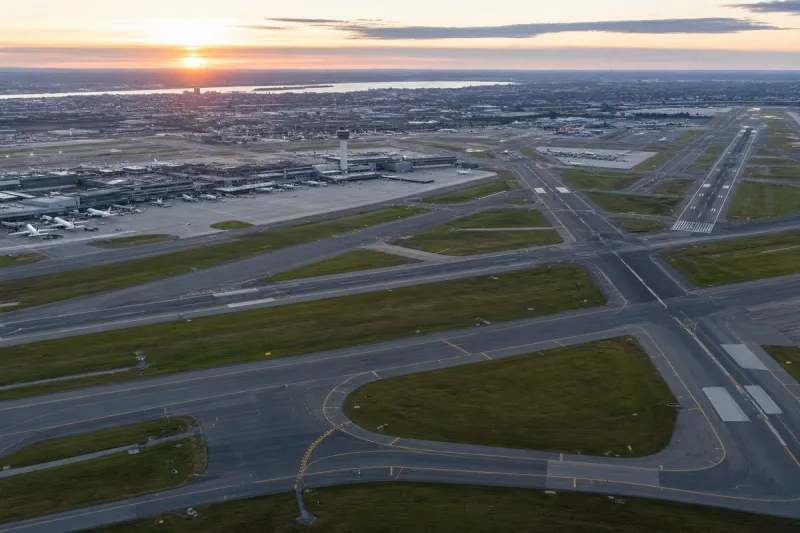
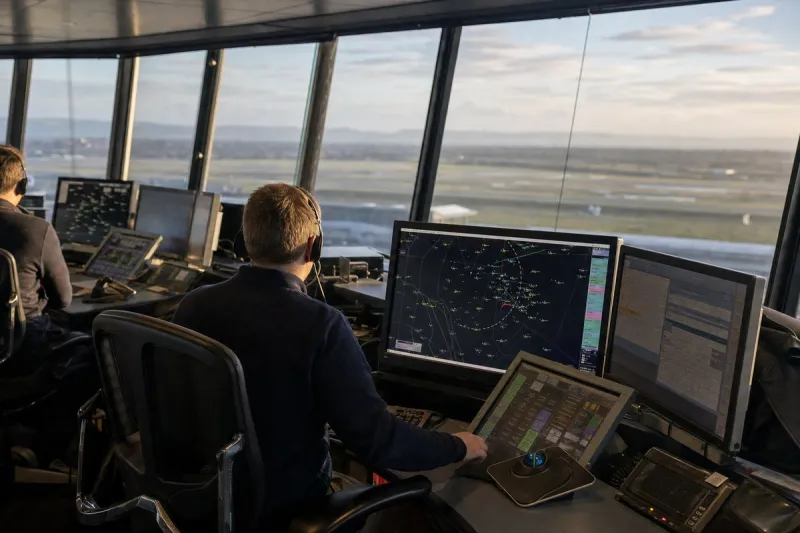
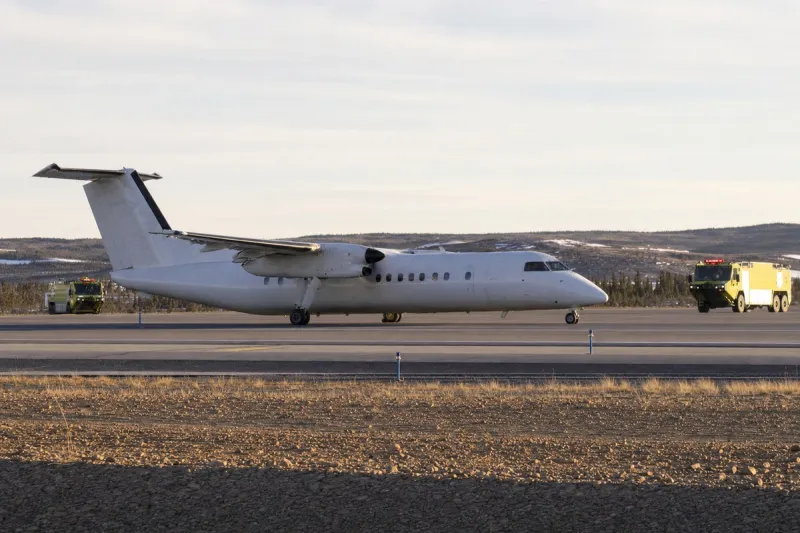
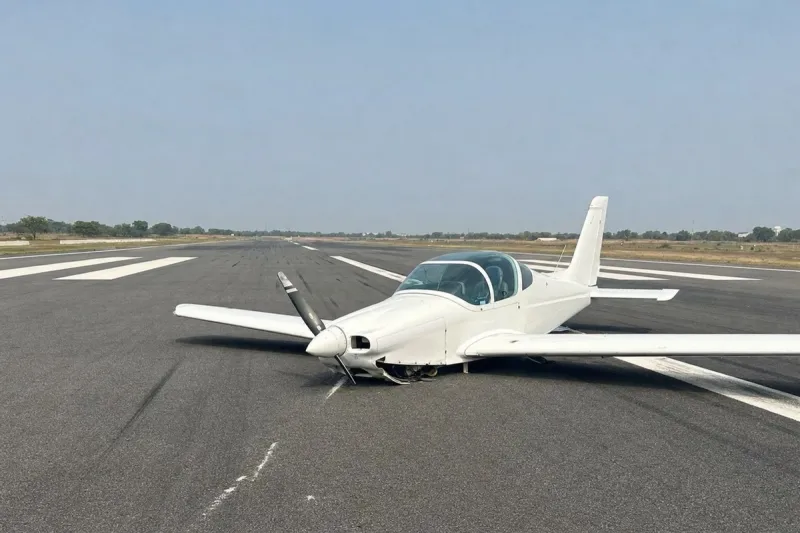
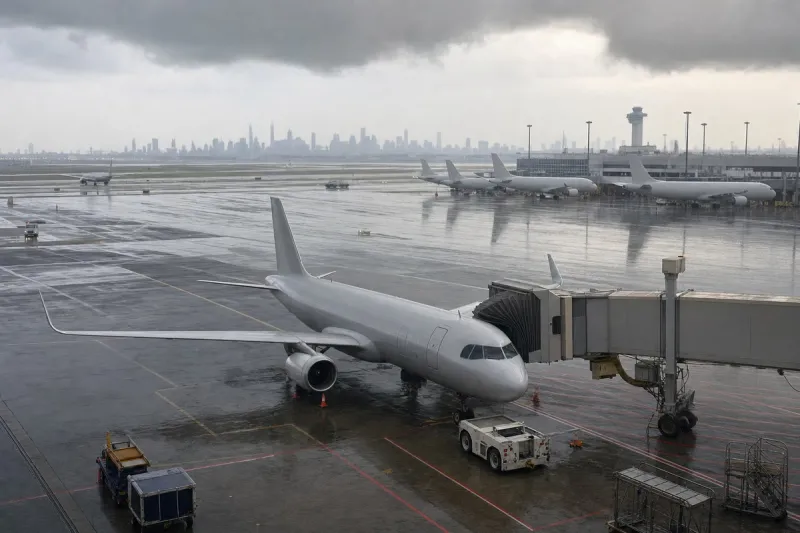
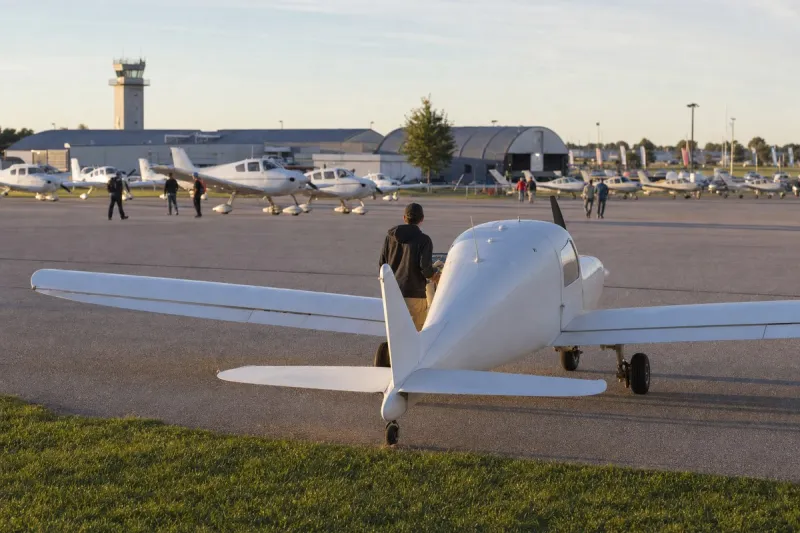
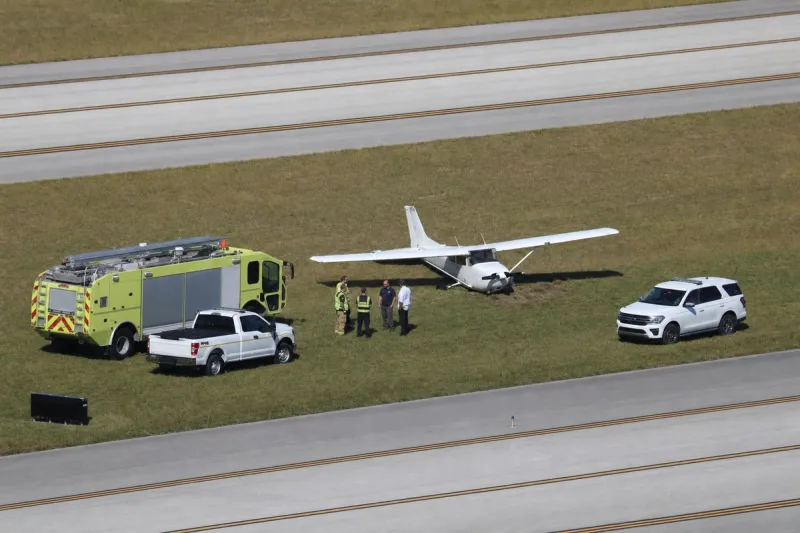
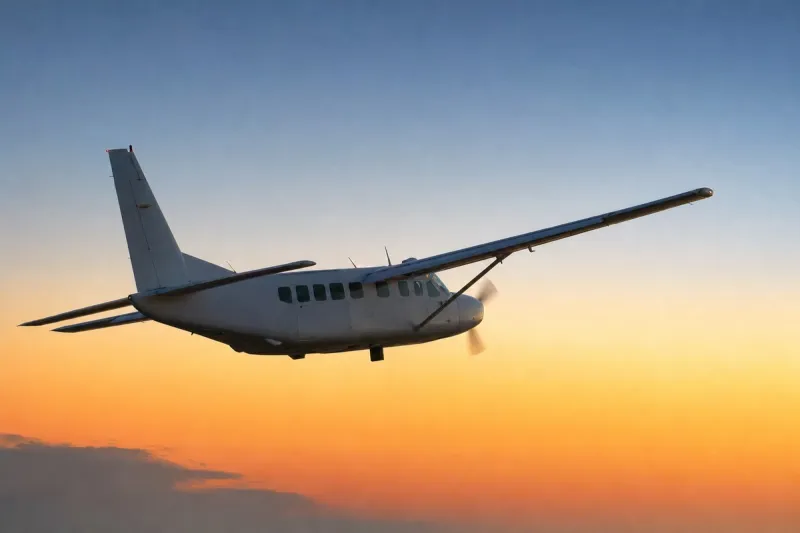
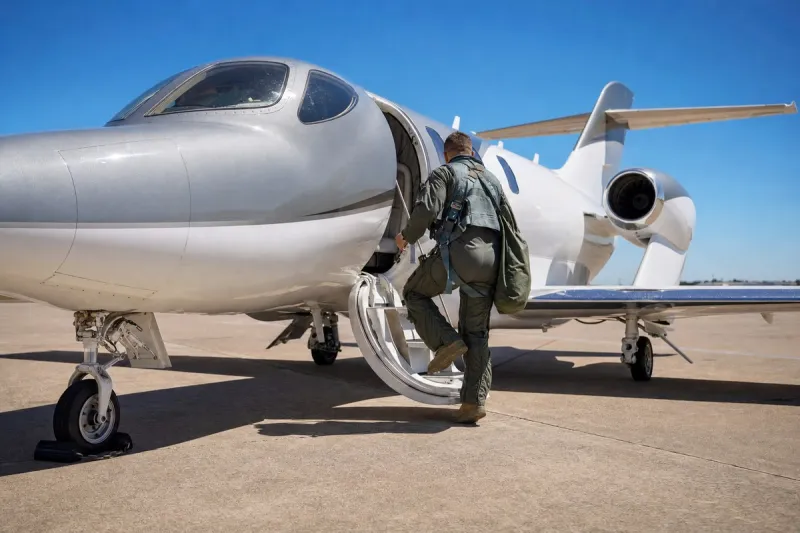
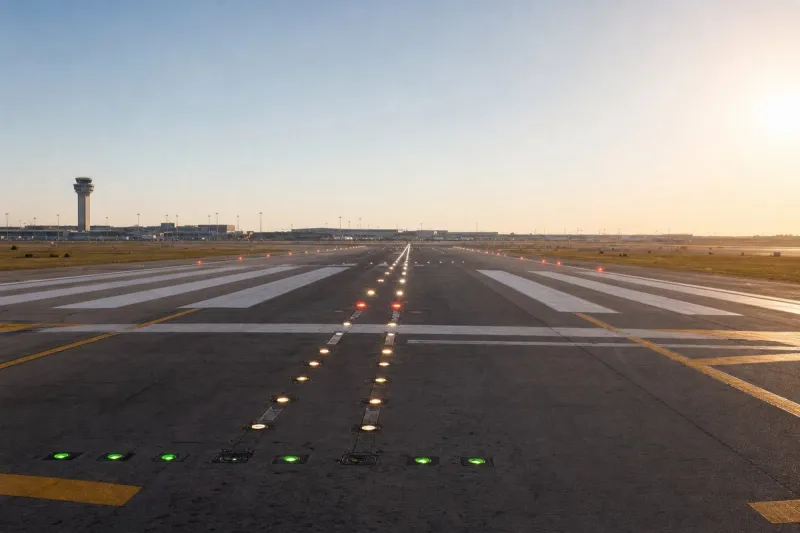
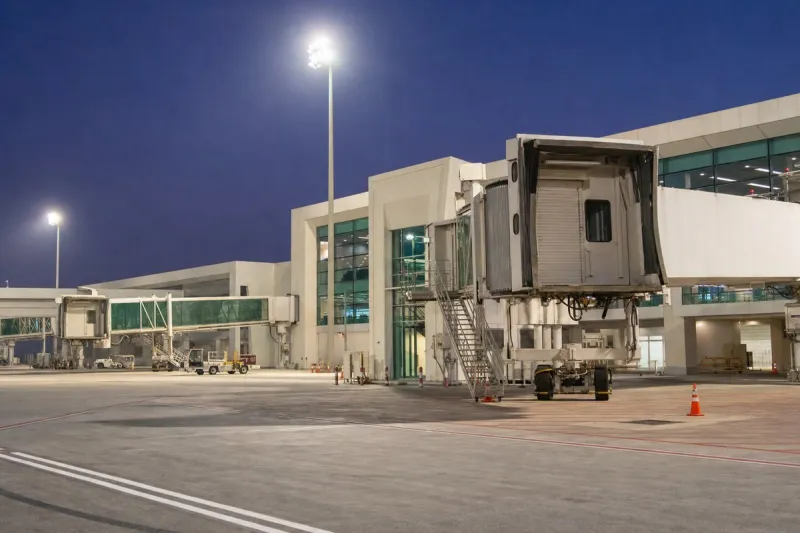
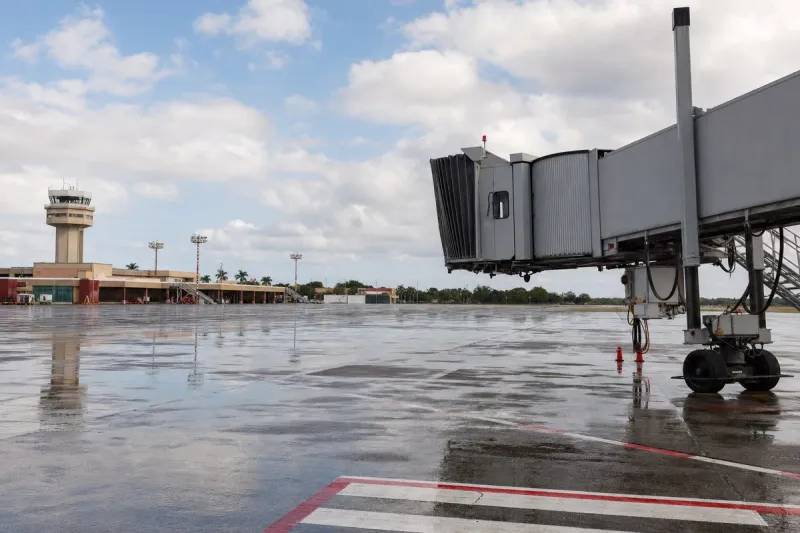
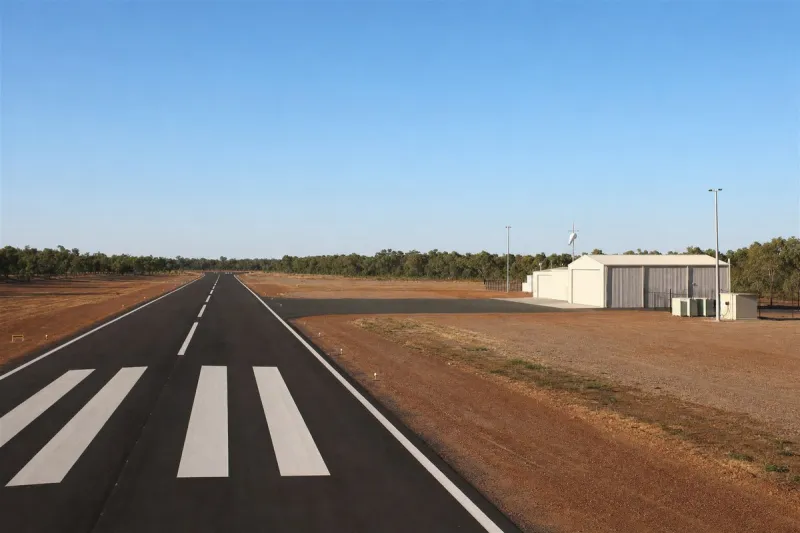
Pilots for Humanity, a nonprofit, will hold a training exercise called Operation Takeoff Roll at La Crosse Regional Airport in Wisconsin on Nov. 20. Volunteer pilots will fly donated supplies into the airport to prepare for future disaster relief missions, and the exercise gives pilots and ground crews a chance to practice the logistics of a coordinated airlift before a real emergency occurs. A weather backup date is set for Nov. 21.
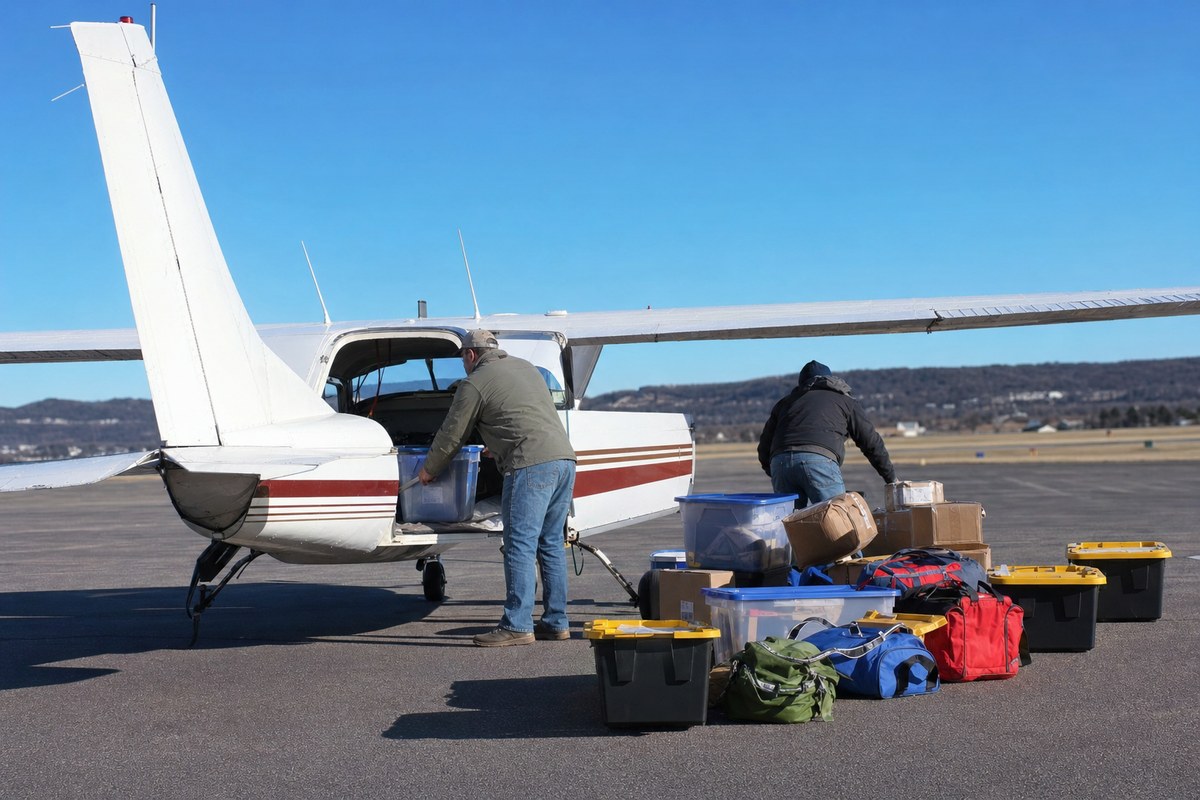
The exercise will test pilot registration, aircraft arrivals, parking, cargo unloading and inventory management. Cadets from the La Crosse Composite Squadron of the Civil Air Patrol will help handle and sort supplies, and the airport's Civil Air Patrol hangar will serve as the collection point. Residents can also drop off donations there by car.
Participating pilots will use real goods rather than simulated cargo. They will collect supplies in their home communities and fly them to La Crosse, where the items go to local organizations: the Hunger Task Force of La Crosse, WAFER Food Pantry and WINN, which assists unsheltered individuals. Organizers are asking for nonperishable food, warm gloves, hand warmers and two-person tents.
Pilots for Humanity Executive Director Matt Brantner said: "Every aircraft that lands and every box we unload helps us prepare for the day someone is depending on us to deliver critical supplies after a disaster."
General aviation aircraft have played a role in earlier disaster responses, including the 2024 Hurricane Helene relief effort. According to WTOP, volunteers at Leesburg Executive Airport in Virginia organized approximately 20 helicopter trips and nearly 25 fixed-wing flights carrying supplies to communities in western North Carolina, an operation that required coordinating aircraft, pilots, donations and ground volunteers.
Industry impact & what to watch
The Helene effort shows the shape of volunteer general aviation relief: roughly 20 helicopter trips and nearly 25 fixed-wing flights only worked because aircraft, pilots, donations and ground volunteers were matched up at one airport. The aircraft were available; the hard part was the coordination around them. An exercise built around registration, arrivals, parking, unloading and inventory targets that layer rather than flying skill.
The design also reflects the challenges FEMA guidance identifies, which stress coordinating volunteers and tracking donated goods during disaster response. Running the sequence with real donations, and handing them to local food and shelter organizations, tests the same handling and tracking steps that a live response would, while the goods still have a destination.
The weather backup date of Nov. 21 is the next point that could change the schedule, since the event depends on volunteer pilots flying in from their home communities.