CAE Adds Four Business Aviation Full-Flight Simulators in the Americas
Why It MattersAdding simulators for current-production types shows training capacity in business aviation tracks where fleets are growing, while the 102,000-professional forecast frames instructor and device supply as a bottleneck for the segment.
What happened
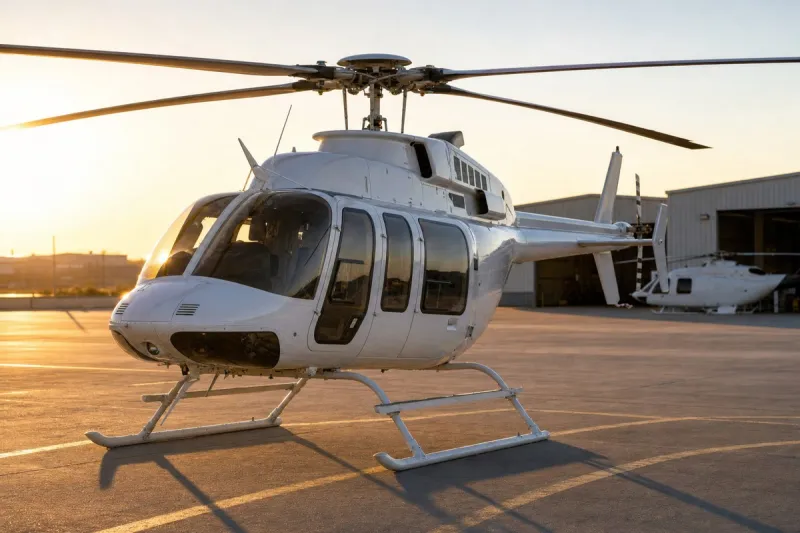
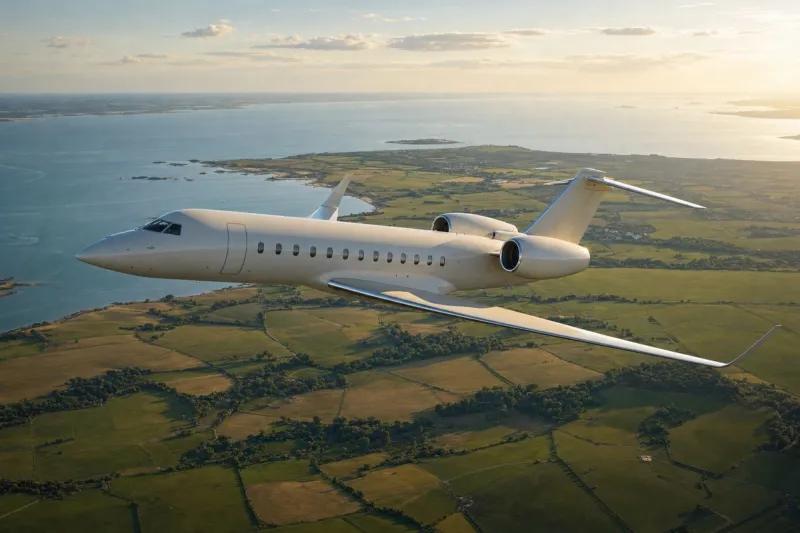
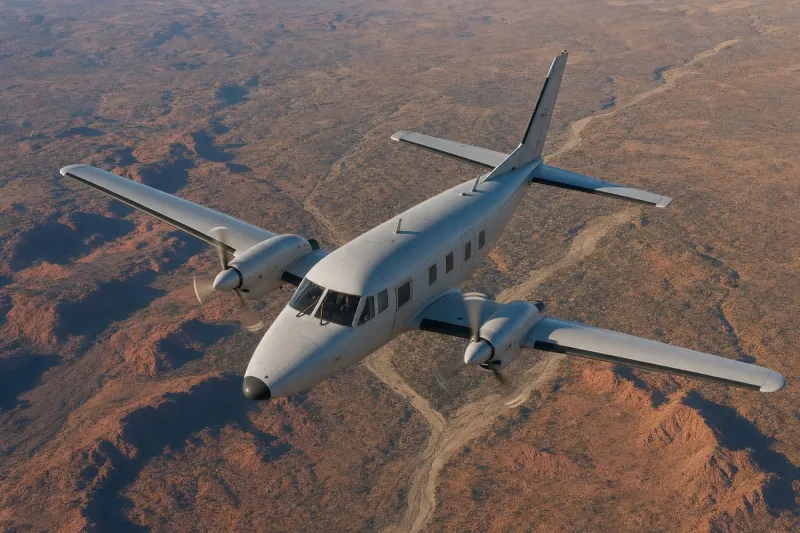
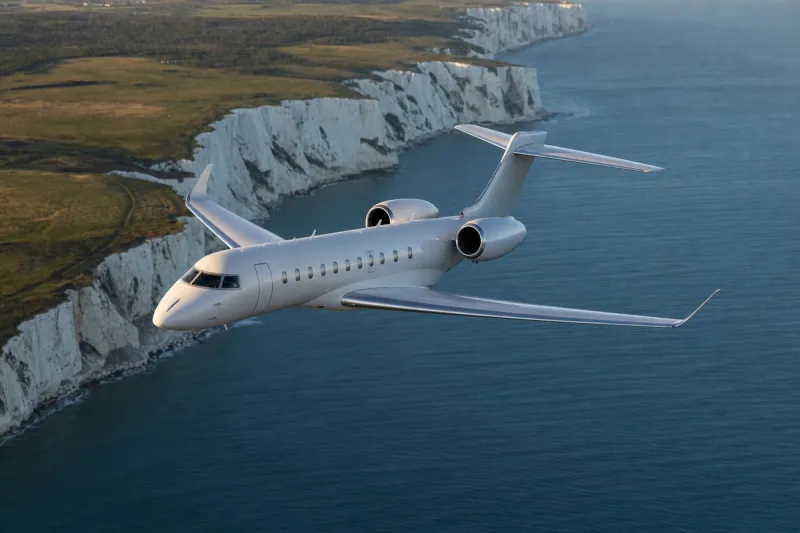
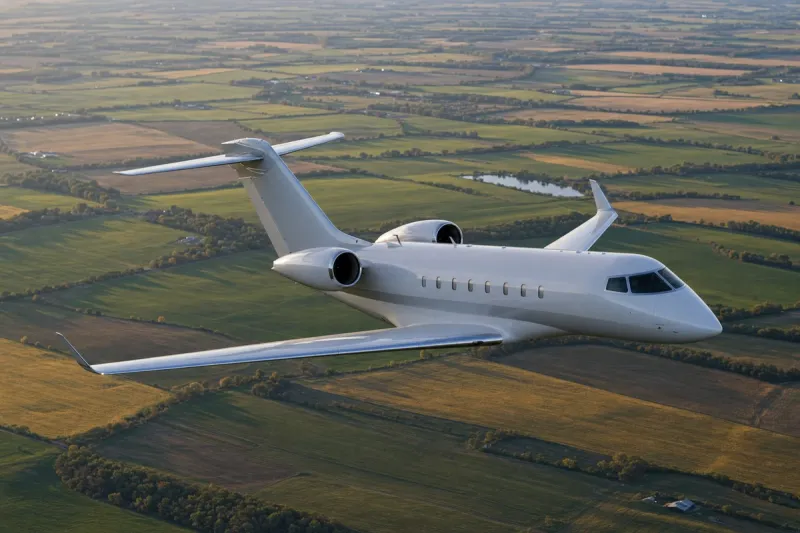
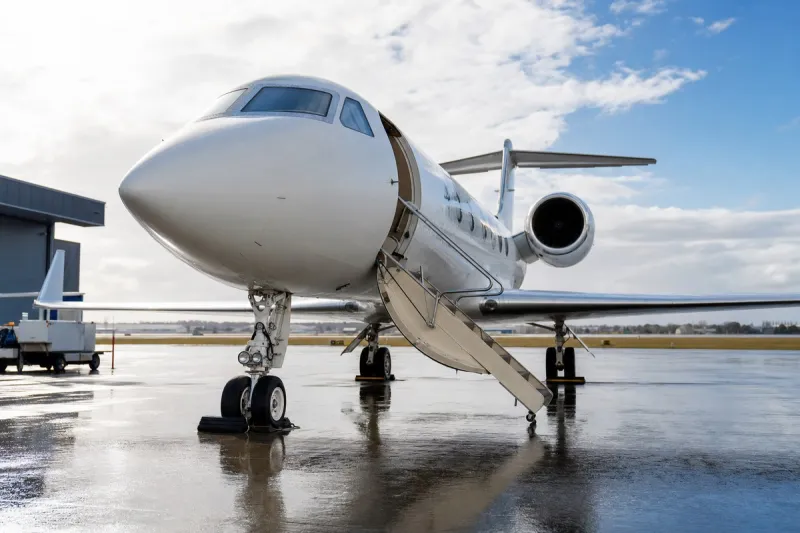
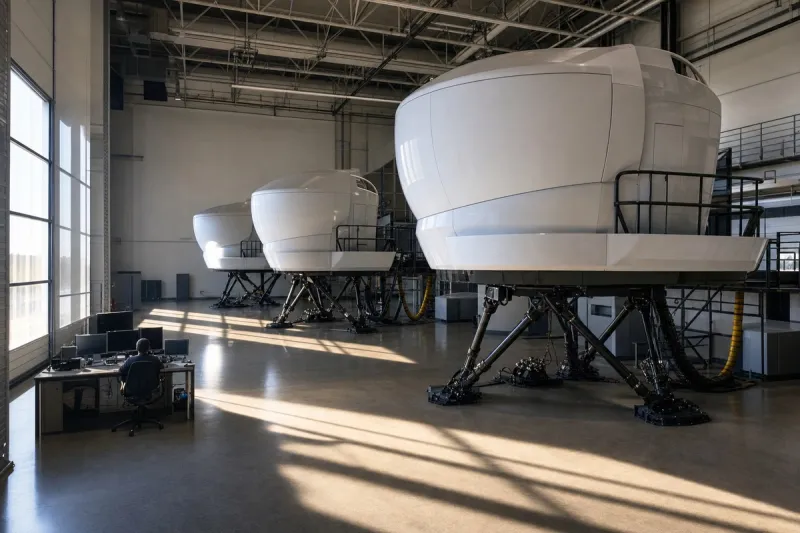
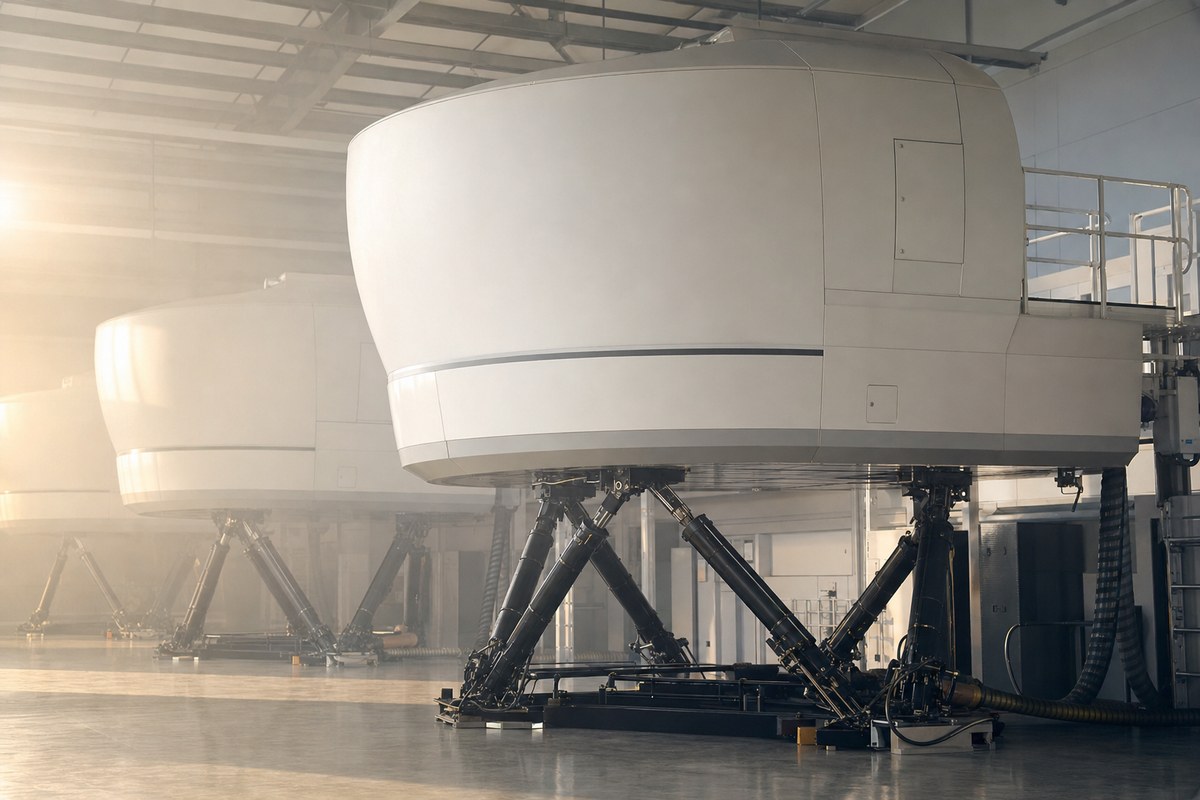
CAE announced at the NBAA Business Aviation Convention & Exhibition (NBAA-BACE) that four additional full-flight simulators (FFSs) are now available in the Americas region. The devices provide training for the Bombardier Global 6500, Embraer Praetor 600, Pilatus PC-24 and Cessna Citation CJ4. The company describes the additions as part of its effort to align its global training network with customer and fleet demand.
Alexandre Prévost, President, Civil Aviation at CAE, said the deployments expand access to high-quality training on the aircraft customers fly, where they need it.
CAE has nearly doubled its business aviation training capacity compared with a decade ago. Its global business aviation training network now includes more than 130 full-flight simulators and approximately 1,000 instructors worldwide, delivering more than 300,000 hours of training annually. The network covers pilot and maintenance training across different aircraft categories and leading OEM platforms.
CAE's Aviation Talent Forecast projects a need for 102,000 new business aviation professionals worldwide by 2034, including 33,000 pilots and 69,000 maintenance technicians.
Industry impact & what to watch
Simulator placement in business aviation follows the installed fleet. A mix of a large-cabin jet, a mid-size jet, a single-engine turboprop-class jet and a light jet in one announcement points to demand spread across several tiers, not a single flagship program. For operators of these types, training location and device availability are part of the cost of flying them, since recurrent training is mandatory and tied to simulator seat time.
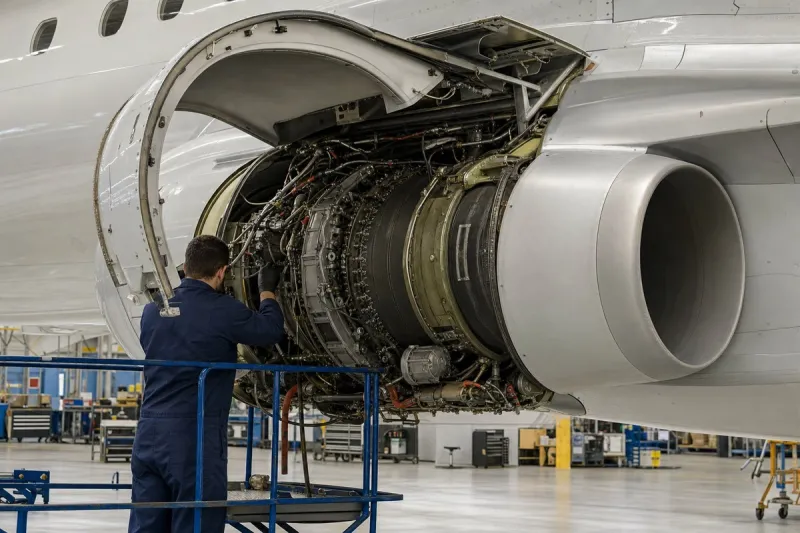
The talent forecast frames the same story from the supply side. With 33,000 pilots and 69,000 maintenance technicians projected as needed by 2034, the technician figure is more than double the pilot figure, which signals that maintenance training capacity matters as much as cockpit training for the segment.
The next concrete marker is how the four new devices are scheduled and which specific locations in the Americas host them, since access depends on where each device sits relative to the operators flying these four types.