Blackhawk Group Earns STC for Heated Anti-Ice System on Piper Meridian M500
Why It MattersRetrofit STCs that port a factory-new design onto legacy airframes show how aftermarket certificate holders extend the useful capability of older turboprop fleets without waiting for an OEM program.
What happened
The Blackhawk Group has earned a Supplemental Type Certificate (STC) for a heated anti-ice system for the Piper Meridian. The STC applies to the Piper Meridian M500.
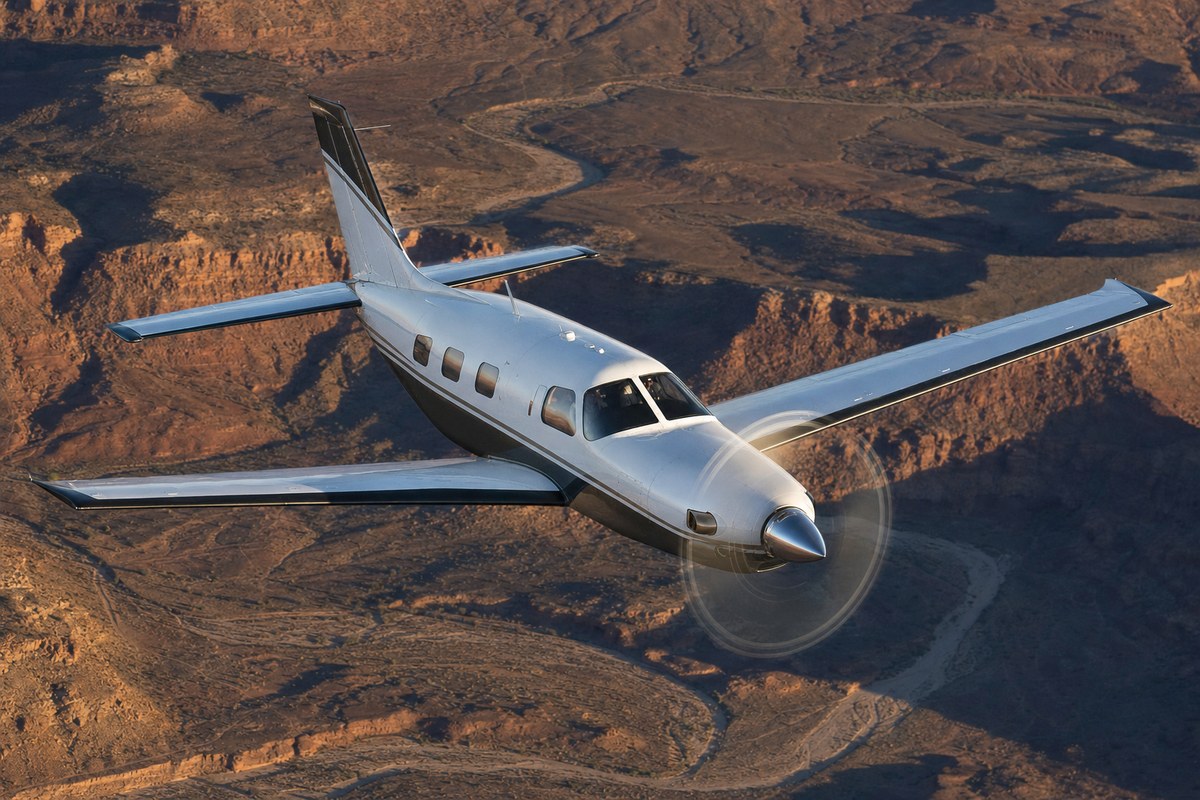
The system is electrically heated and brings certified anti-ice capability to legacy Meridian models. It does so by using the design Piper developed for its factory-new M600 and M700 aircraft.
Company officials said that when the system is activated, it prevents ice from bridging the gap between the elevator horn and the horizontal stabilizer. That keeps flight control movement unrestricted in icing conditions.
Industry impact & what to watch
An STC that carries a design already certified on a manufacturer's newer production aircraft onto an earlier airframe is a familiar route for aftermarket companies in general aviation. The certification work leans on a proven configuration, and owners of older aircraft gain a capability that newer variants already have from the factory.
For the legacy Meridian fleet, the practical effect is on the icing-conditions side of the operating envelope. The gap between the elevator horn and the horizontal stabilizer is the specific point the system addresses, which ties the benefit to keeping the pitch control surface free to move rather than to broad ice-protection claims.
The details that determine how many owners act on it are the ones the certificate holder would publish next: the list of eligible serial numbers, installation scope, and downtime. Those specifics will show whether the retrofit is a niche upgrade or a broad fleet program.