Nigerian Aviation Experts Urge Tougher Sanctions on Private Jet Operators After Asaba Road Landing and Challenger 604 Door Incident
Why It MattersThe episode exposes a structural gap in Nigerian oversight: regulators funded by airline-paid charges have historically scrutinised private operators less, leaving enforcement against foreign-registered aircraft and managing companies uneven.
What happened
Aviation experts in Nigeria have called for stricter oversight of private and charter aircraft operators. They want relevant agencies to strengthen flight surveillance, improve information-sharing and impose stiffer sanctions on operators found violating aviation regulations.

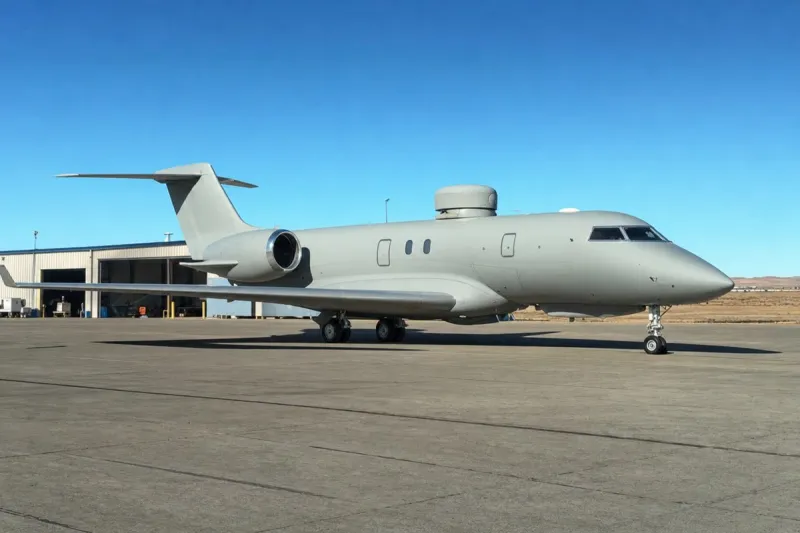
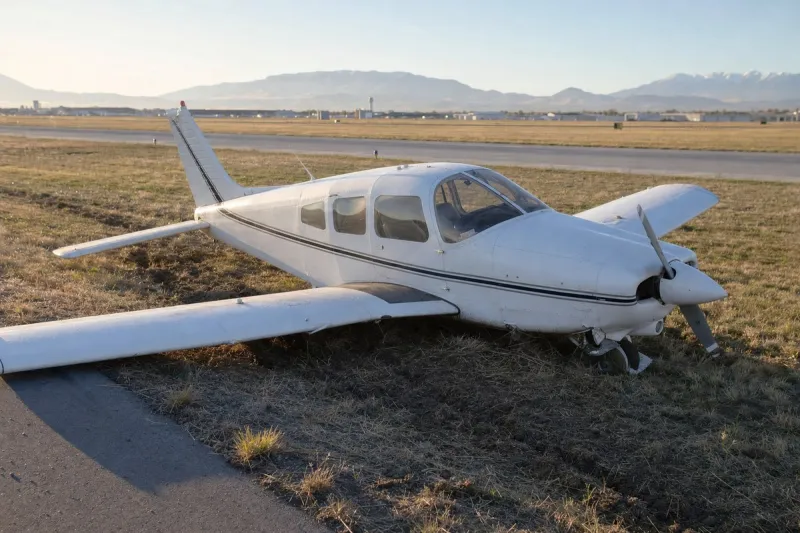
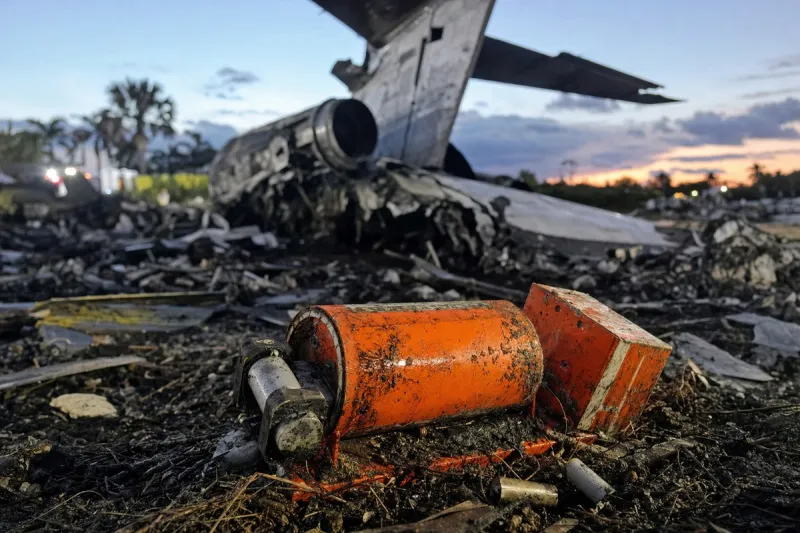
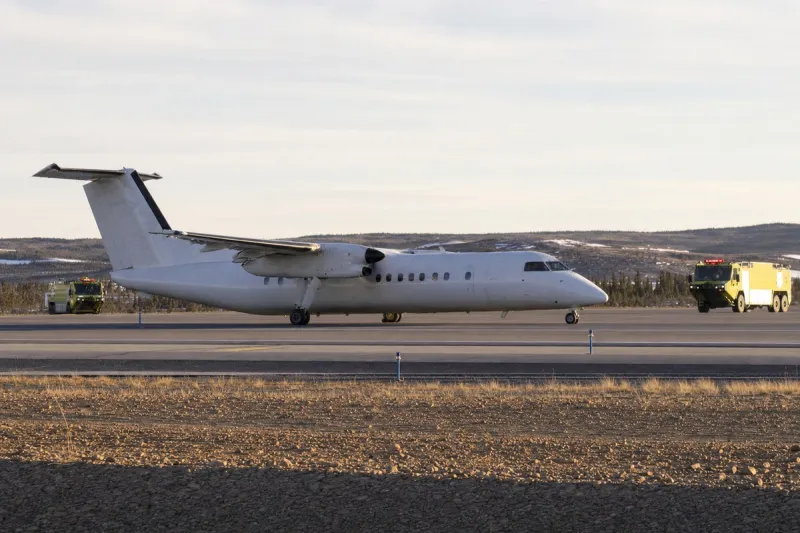
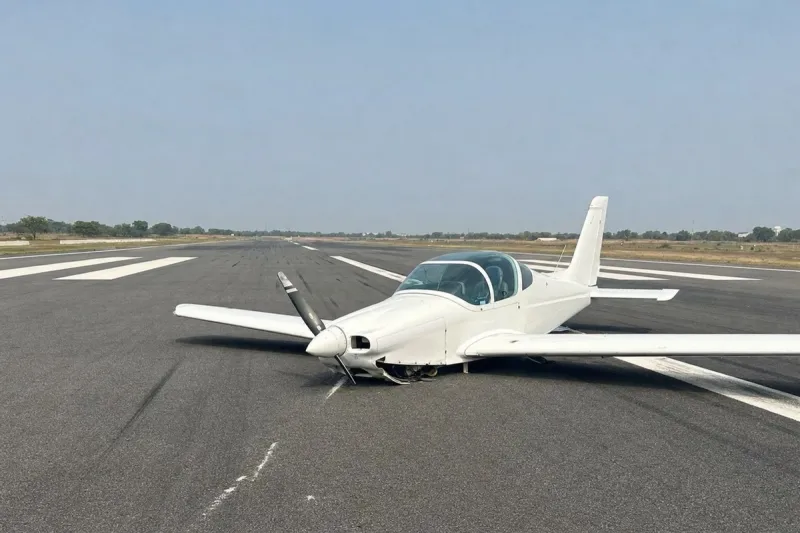
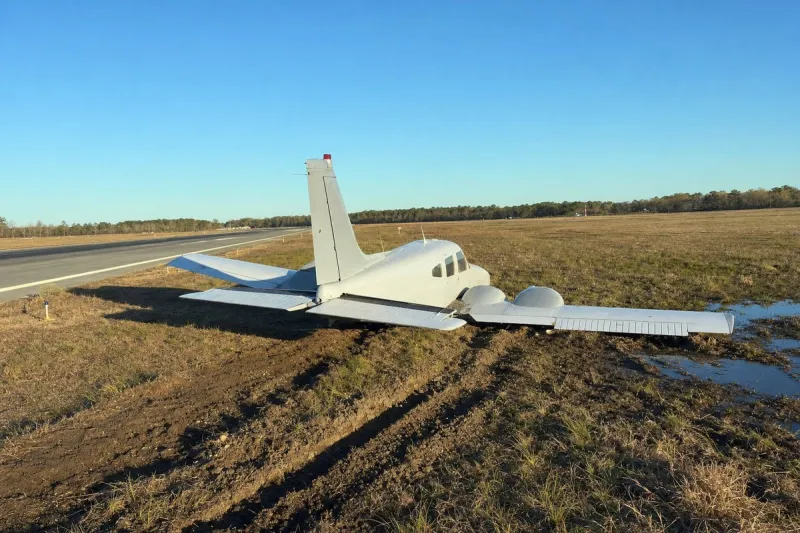
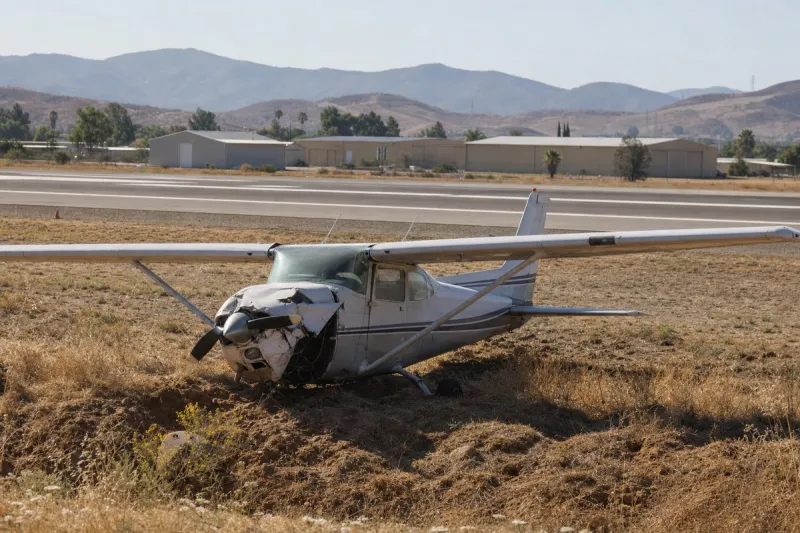
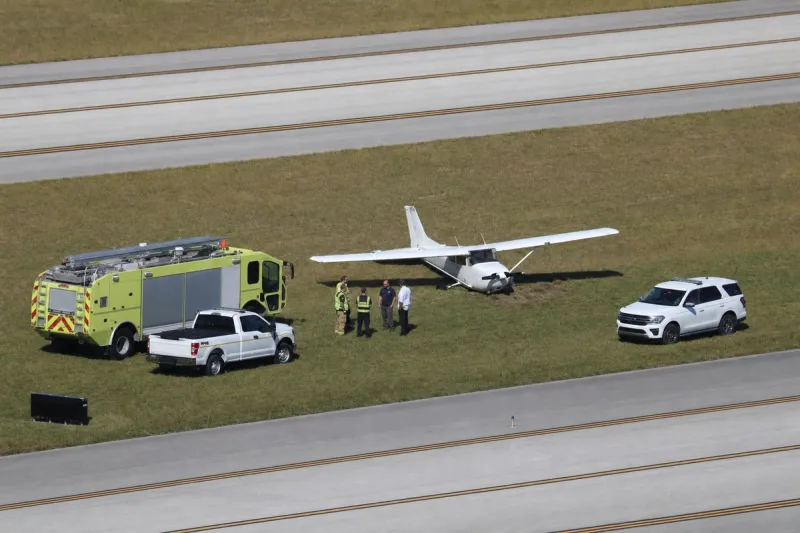
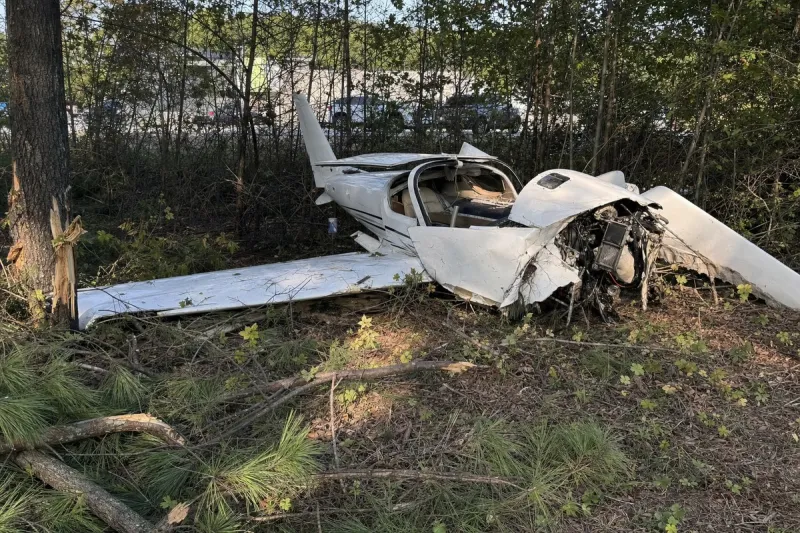
The calls follow two serious incidents involving private aircraft. A private jet, registration N989BC, operated by VMO Aero Ltd, landed on a road in the Ogwashi-Uku area of Delta State. Separately, the crew of a Challenger 604, registration T7-SEI, operated by Triton Aviation, reported that a door had opened in flight.
The experts questioned the handling of the Asaba incident, citing the absence of a final investigation report and of public information on enforcement actions against the pilot and the company that managed the aircraft. Olumide Ohunayo, General Secretary of the Aviation Safety Round Table Initiative, said the DSS, the Ministry of Aviation, the Nigerian Civil Aviation Authority (NCAA) and the accident investigation body had all been involved, yet no one had reported what action was taken. He acknowledged that a preliminary report exists and asked whether the pilot and the managing organisation had faced consequences.
Aviation security expert Group Captain John Ojikutu (retd) questioned how regulations are enforced on foreign-registered private aircraft operating in Nigeria. He alleged that some operators might exploit connections to influential individuals to avoid regulatory requirements. He said charter operators must hold security clearance, which must be attached to the flight plan before air traffic control can clear a flight between airports, and he raised concerns about an aircraft that claimed to be headed to Asaba but did not go there and dropped people elsewhere.
Capt Sam Caulcrick, former Rector of the Nigerian College of Aviation Technology, said private jets have historically faced less intensive regulatory oversight than commercial airlines. He attributed this partly to the funding model of regulators such as the NCAA, which are subsidised by commercial airlines through the five per cent Ticket Sales Charge and the Cargo Sales Charge, revenue streams that private operators, who do not carry fare-paying passengers, do not generate. He said the NCAA has increased scrutiny of private jet operations, including auditing passenger manifests.
Industry impact & what to watch
The experts' comments point to a structural feature of how aviation regulation is financed. When a regulator's income depends on charges collected from scheduled airlines, the operators generating that income naturally attract the most routine attention, while segments that pay nothing comparable can drift toward lighter-touch supervision. Caulcrick's description of the Ticket Sales Charge and Cargo Sales Charge puts that mechanism on the record, and it bears directly on private and charter flying, where no fare-paying passengers are carried.
For charter and managed-aircraft businesses, the sharper pressure point is accountability along the chain of parties. Ohunayo's questions concern both the pilot and the organisation that managed the aircraft, and Ojikutu's concern about foreign-registered aircraft and flight-plan security clearance concerns whether paperwork conditions are actually checked before a flight is cleared. Segments built on outsourced management and third-party registrations are the ones most exposed when enforcement is publicly questioned in this way.
The item that would settle the most is the final investigation report on the Asaba landing, together with any disclosure of enforcement action against the pilot and VMO Aero Ltd. A published outcome there, or the NCAA formalising the manifest audits Caulcrick described, would show whether the calls for stiffer sanctions translate into changed practice.