ATSB Preliminary Report: Beechcraft 58 Baron Struck Water at Very High Speed Off Groote Eylandt, NT
Why It MattersLight twin operations without flight recorders or radar coverage leave investigators relying on phone, tablet and tracking data, so cases like this depend heavily on wreckage and documents.
What happened
The Australian Transport Safety Bureau has released its preliminary report into the 25 August crash of a Beechcraft 58 Baron in the Gulf of Carpentaria, Northern Territory. The 23-year-old Tasmanian pilot, Bob Bramley, is believed to have been killed; the report refers only to "the pilot". Northern Territory Police confirmed that human remains have not been found.
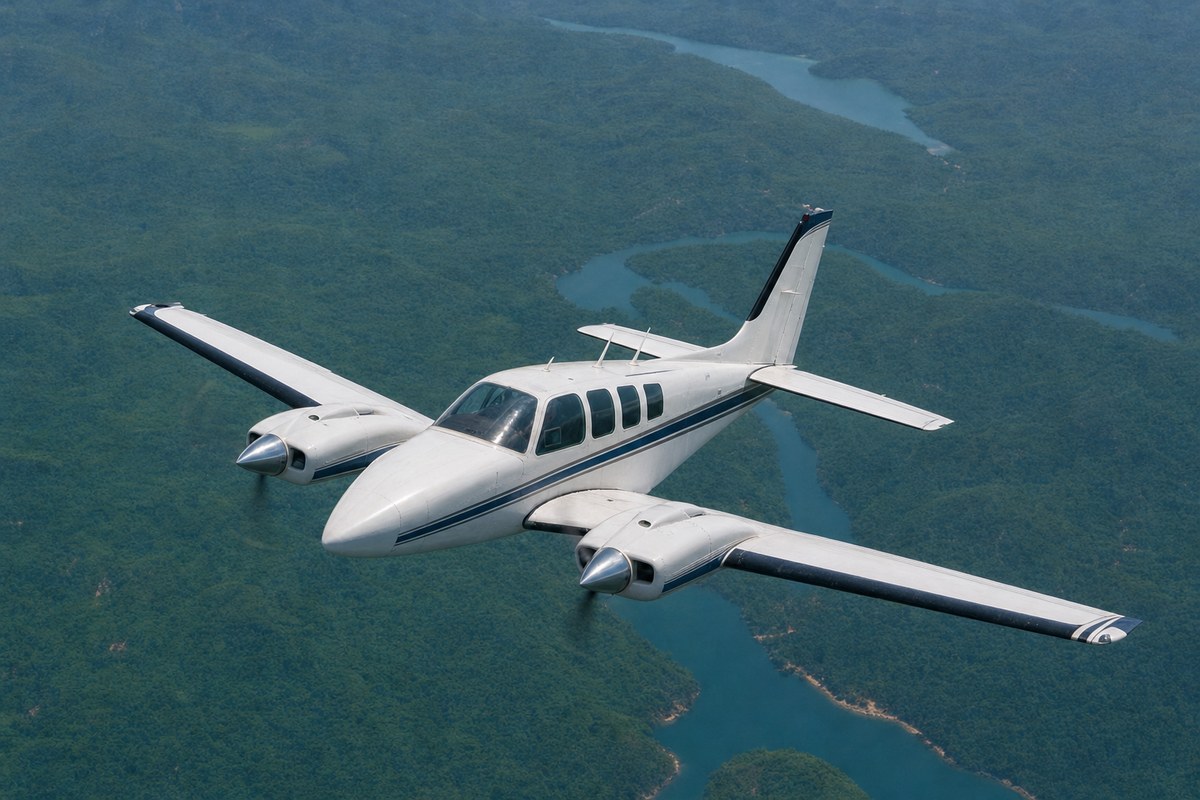
The aircraft left Gove Airport at about 11:00am with only the pilot on board, bound for Nambulwar. The return flight plan to Gove indicated four passengers. At 11:27am, fishermen in a boat south-west of Isle Woodah watched the aircraft descend toward the water at an estimated 35–45° nose-down attitude with wings level. They expected it to pull up, but it did not change trajectory and hit the water at very high speed. They found a fuel/oil slick and many small floating fragments of shattered airframe.
The Baron was not fitted with, and was not required to carry, a flight data recorder or cockpit voice recorder. The flight was not detected by radar. Tracking data came from the pilot's iPad, transmitting to OzRunways, and the final data point was sent at 11:24am, about 23 kilometres north of the crash site. The pilot made two radio broadcasts during taxi and take-off, and phone records show he messaged his partner during the flight, with the last message sent at 11:21am while the aircraft was in the cruise.
The pilot had worked for operator Air Frontier for more than a year and had been its senior base pilot for the Arnhem region since April. He held a valid medical certificate, had completed a multi-engine instrument proficiency check the previous month, and had more than 1,138 hours total flight time, over 300 of them on the Baron. The aircraft was built in 1978 and was last serviced in Darwin in June. No significant weather activity was observed that day.
Recovery of wreckage
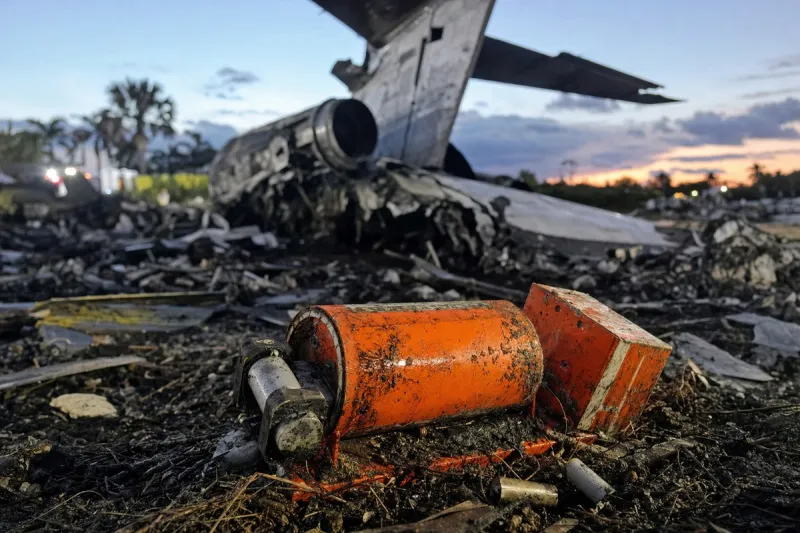
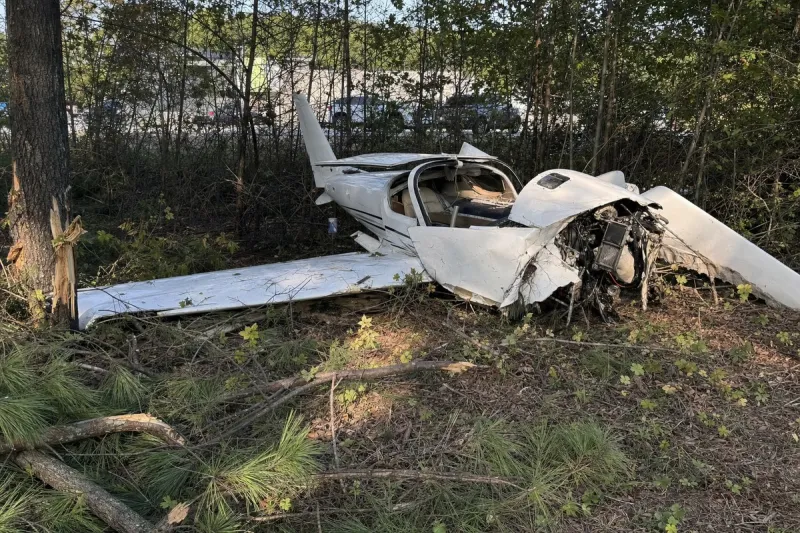
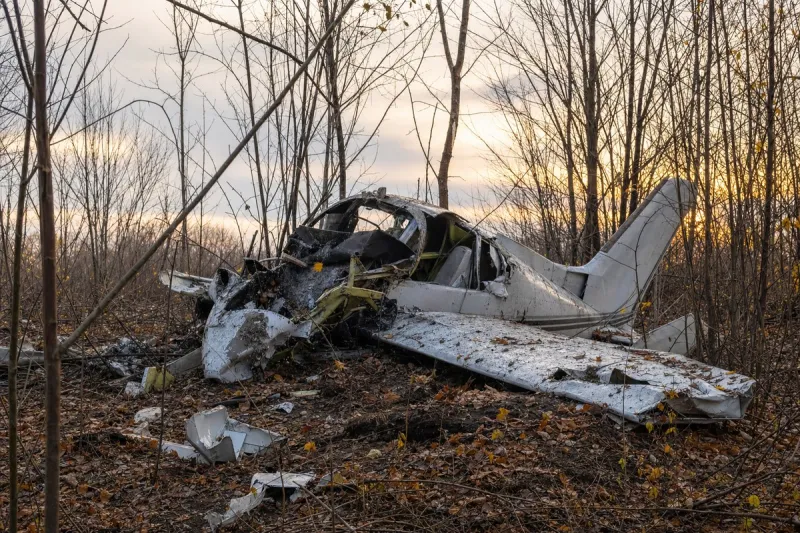
Divers recovered aircraft parts at a depth of 17 metres, along with the pilot's logbook, flight crew licence and a significantly damaged iPad. The aircraft had separated into many large and small fragments, consistent with a high-velocity water impact.
The engine was found embedded in the sea floor. The cockpit area, parts of the wing, the fuselage and the vertical stabiliser were also located.
Industry impact & what to watch
The cause has not been determined, and the preliminary report states none. What it does establish is how little objective flight data existed: no recorder was fitted or required, radar did not detect the flight, and the track came from a tablet app whose last point was sent three minutes before the impact. For light piston twins flying regional charter and passenger work, investigators in such cases lean on wreckage condition, maintenance and pilot records, and personal devices.
The ATSB has said its investigation is continuing. It will examine maintenance records, aircraft and pilot documentation, recovered items and similar occurrences. The next milestone is the final report, which the ATSB will publish at the end of the investigation.