After Nationwide ATC Outage, Duffy Seeks $50 Billion to Overhaul Air Traffic Control as Democrats Point to Unspent ICE Funds
Why It MattersThe outage turns a long-running modernization backlog into a funding contest, leaving the pace of air traffic control replacement dependent on how Congress allocates money across competing agencies.
What happened
A nationwide air traffic control outage grounded flights across the United States, and Transportation Secretary Sean Duffy responded by calling on Congress to provide $50 billion in emergency funding. The money would replace air traffic control hardware, software, telecommunications equipment and facilities. Duffy did not give a detailed breakdown of the figure at a Friday press conference.
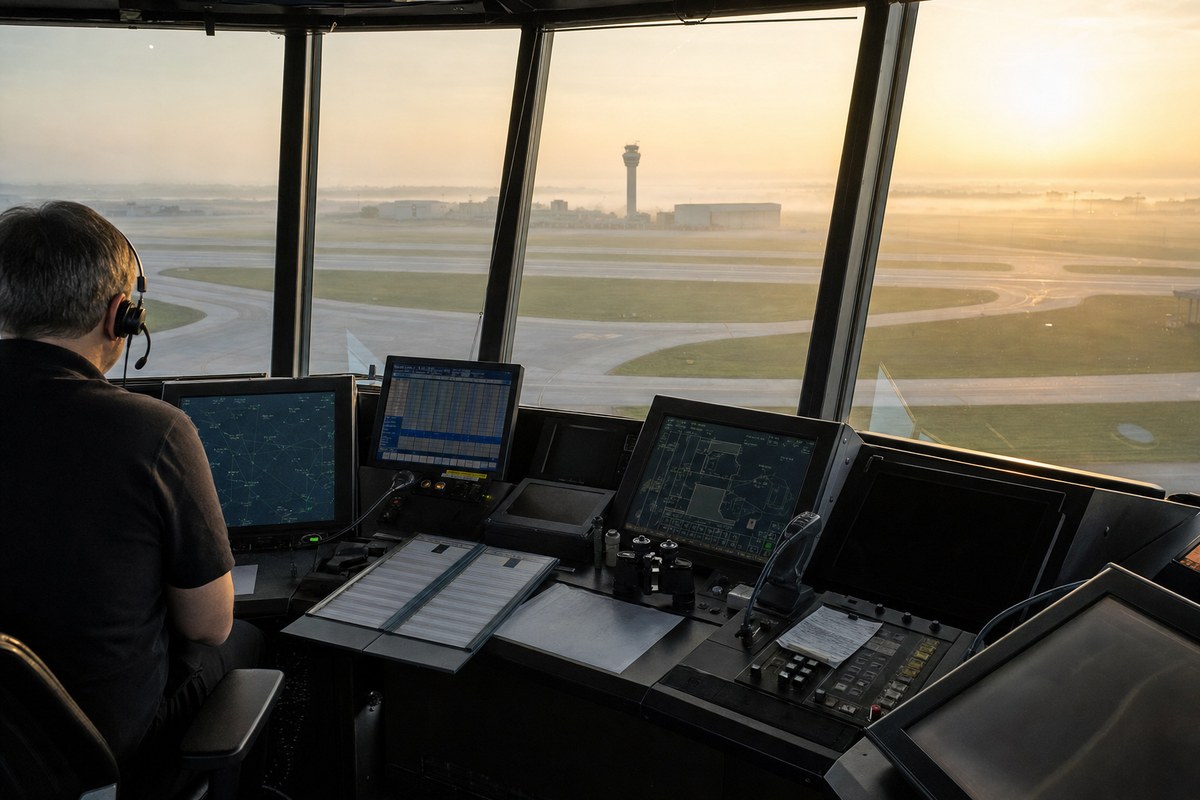
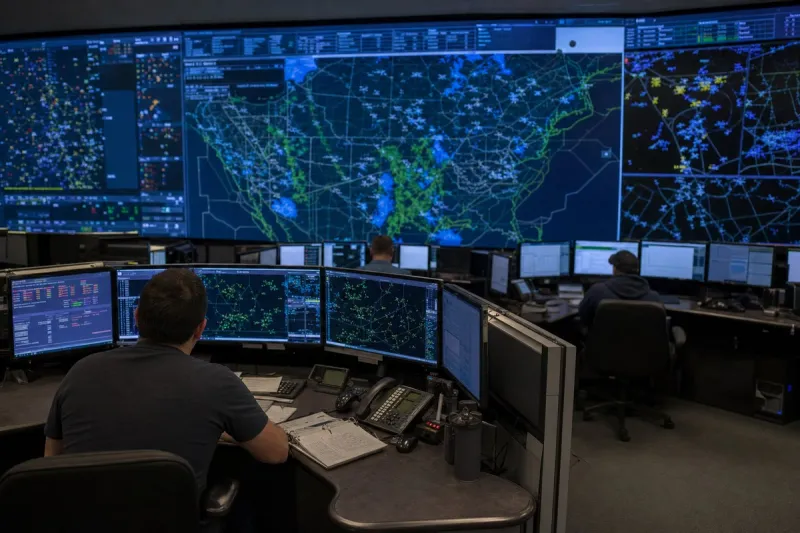
Duffy said outdated switches and routers became overloaded with data, which produced inconsistent information. He said the Federal Aviation Administration (FAA) did not completely lose radar or communications and was able to bring aircraft down safely. The immediate problem was repaired and flying was safe, he said, but similar breakdowns could occur unless aging equipment is replaced. "This is an emergency," Duffy said.
Earlier on Friday, before the outage, Duffy and White House budget director Russell Vought asked lawmakers for $30.1 billion for aviation infrastructure, including $10.1 billion for air traffic control modernization and $18 billion for airport projects. Congress had previously approved $12.5 billion over five years for air traffic control improvements in the One Big Beautiful Bill Act, signed by President Donald Trump on July 4, 2025. That funding, available through September 2029, was designated for replacing aging telecommunications and radar systems and for building and modernizing air traffic control facilities.
The ICE funding argument
Several Democrats have called for ICE funding to be redirected toward the FAA and other infrastructure. Senator Brian Schatz, D-Hawaii, wrote on X that a pot of $60 billion in extra money on top of ICE's regular appropriation should be partly used for the FAA. Richard Ojeda, the Democratic representative-elect for North Carolina's 9th Congressional District, called for taking $50 billion from DHS and ICE for rebuilding infrastructure.
David J. Bier of the Cato Institute wrote that Congress had "wasted the money on ICE." National security analyst Juliette Kayyem criticized Duffy's presentation.
Congress provided ICE with $74.85 billion in supplemental funding in 2025, including $45 billion for detention and $29.85 billion for enforcement and related operations. About $61 billion remained unobligated as of June 30, according to Democratic staff on the Senate Budget Committee. Democrats won control of the House and Senate in the midterm elections and could seek to rescind unobligated ICE funding after the new Congress takes office in January.
What the executive branch can and cannot do
The executive branch cannot simply move ICE funding from the Department of Homeland Security to the Department of Transportation. A 2023 Congressional Research Service report says transfers between appropriations accounts are prohibited without specific statutory authority.
Congress has three routes. It could pass legislation rescinding unobligated ICE funds and appropriating the money to the FAA, enact specific transfer authority, or provide new aviation funding without offsetting it against ICE's budget.
Industry impact & what to watch
For business aviation, air traffic control capacity is shared infrastructure: charter, fractional and private operators file into the same system as the airlines, and a nationwide ground stop affects all of them at once. A funding request framed as an emergency, set against a modernization appropriation already running through September 2029, shows how the pace of equipment replacement is set by appropriations politics as much as by engineering need.
The size of the ask also matters. Duffy's $50 billion sits well above the $30.1 billion request made the same day and the $12.5 billion already approved, and no itemized breakdown accompanied it. Appropriators typically press for line-item detail before committing sums of this scale, so the first test is whether a costed plan follows.
The next concrete date is January, when the new Congress takes office and the rescission option for unobligated ICE funds becomes available to the incoming majorities. Which of the three legislative routes gains traction, and whether any money reaches the FAA before the 2029 deadline on the existing appropriation, will determine how quickly the switches, routers and telecommunications systems Duffy described are actually replaced.