At Least 94 Private Jet Flights Land in Antalya During COP31, Oxfam Says
Why It MattersCOP31 shows how large climate summits turn into visible peaks of private-jet demand, with arrival counts at a host airport now tracked and published against emissions estimates.
What happened
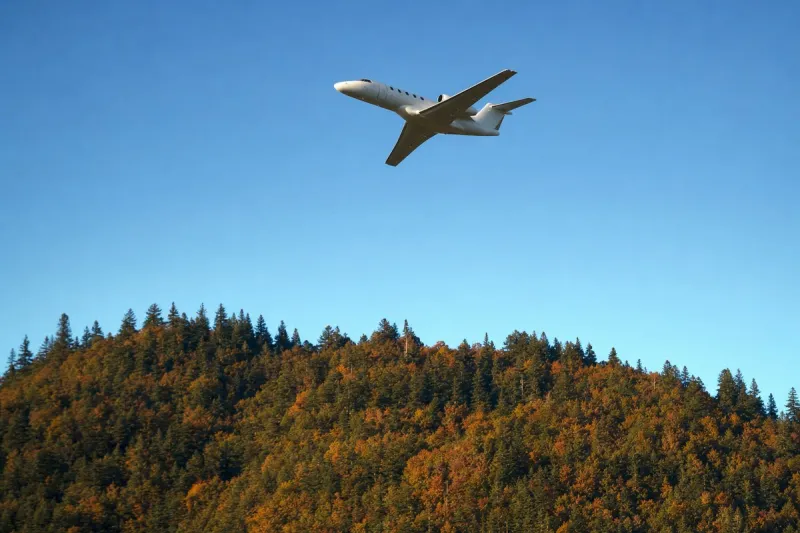
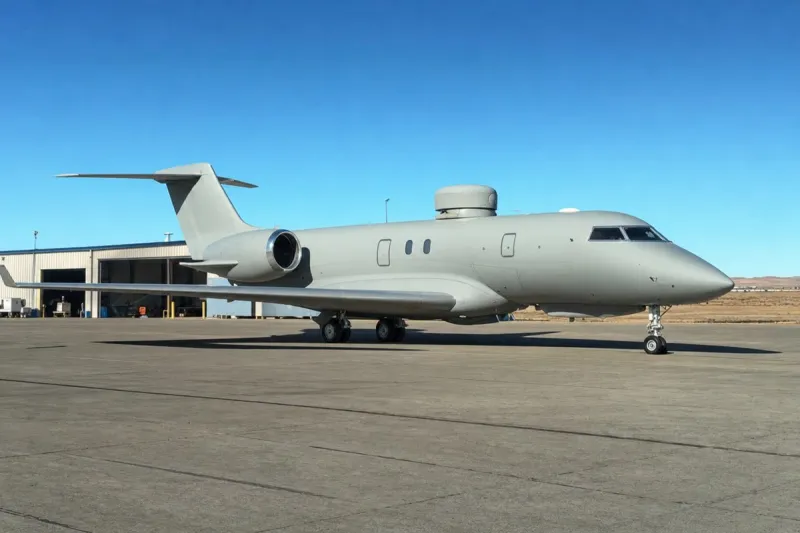
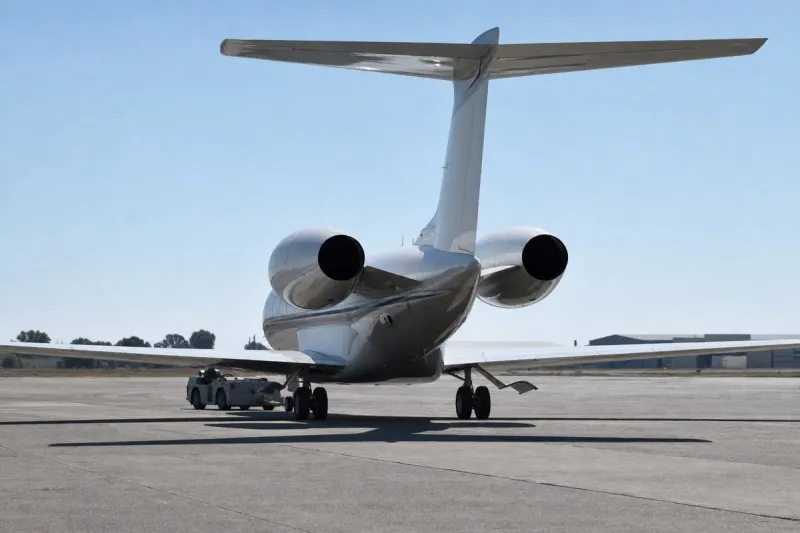
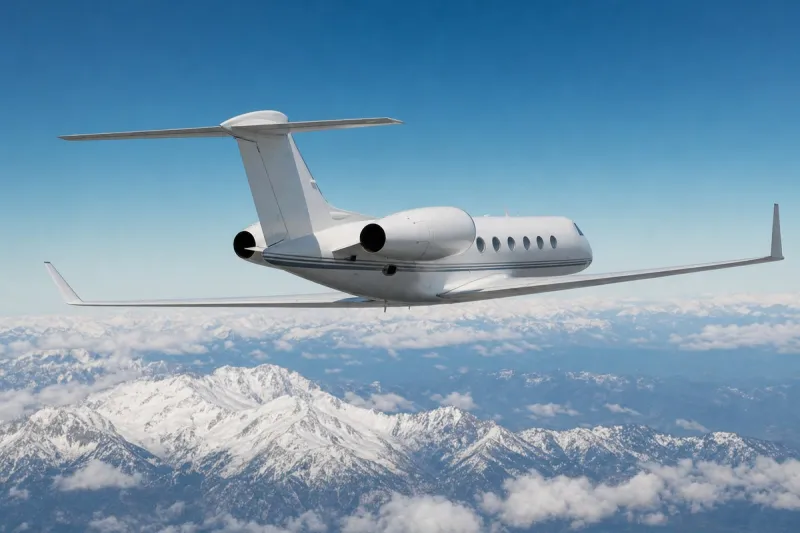
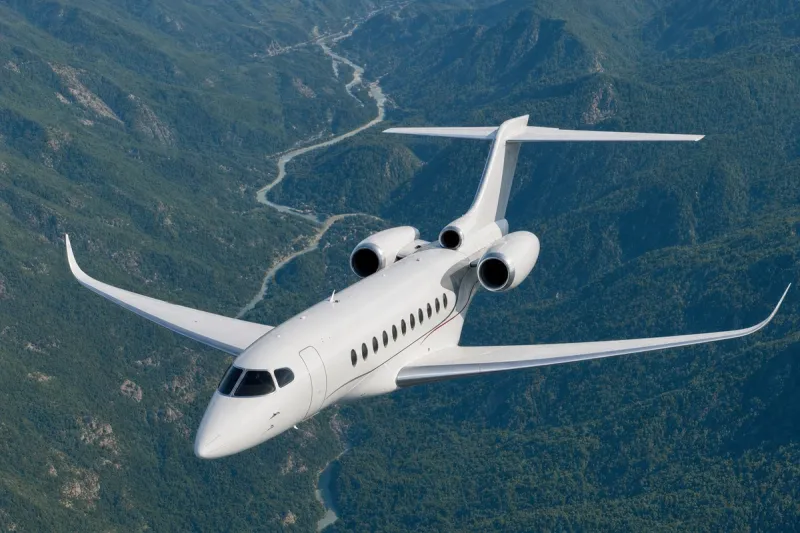
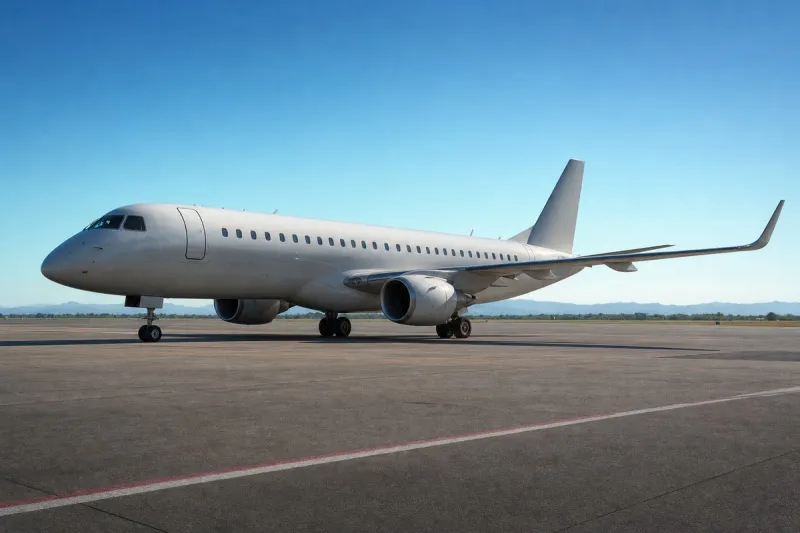
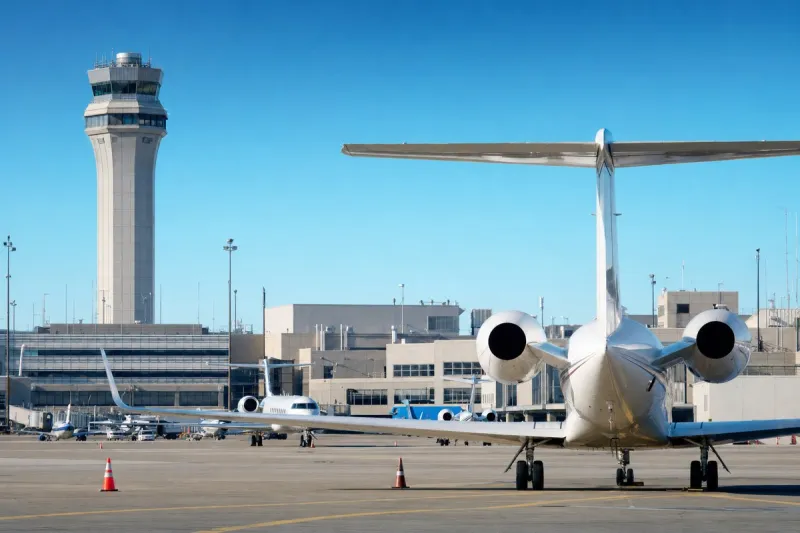
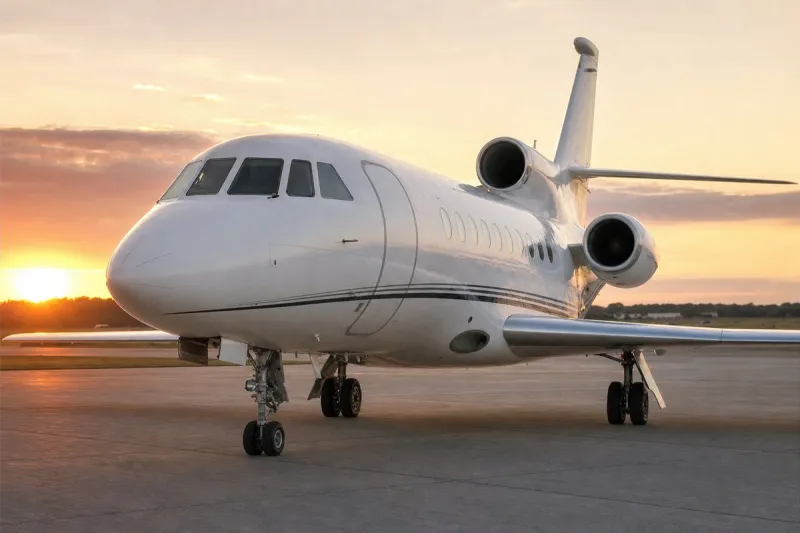
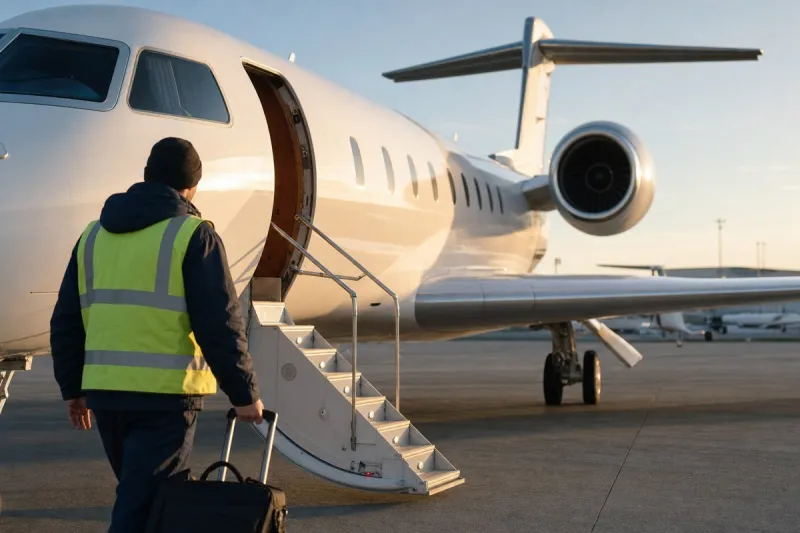
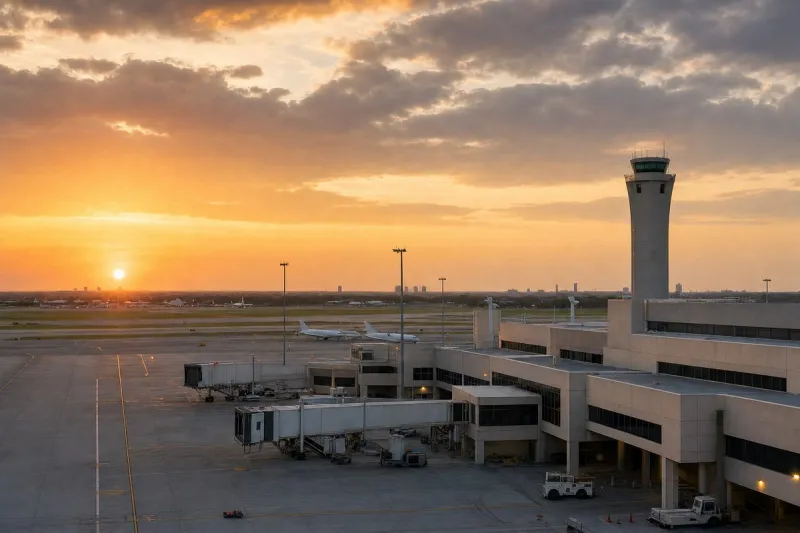
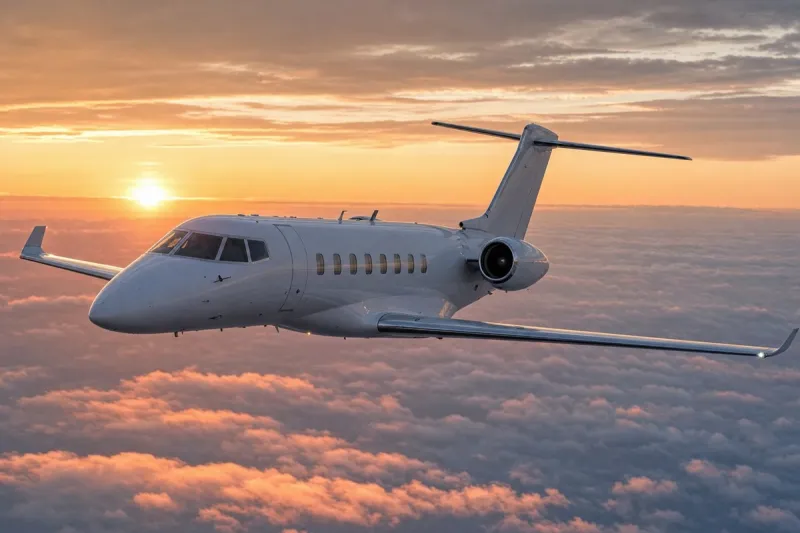
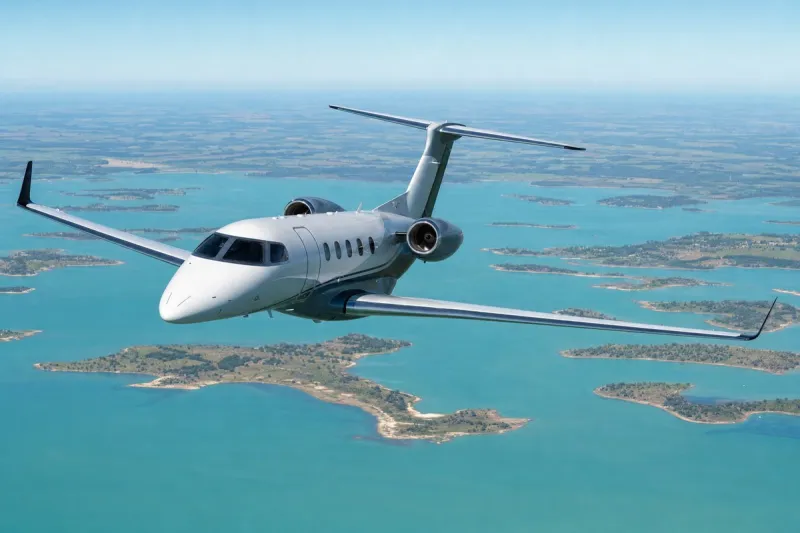
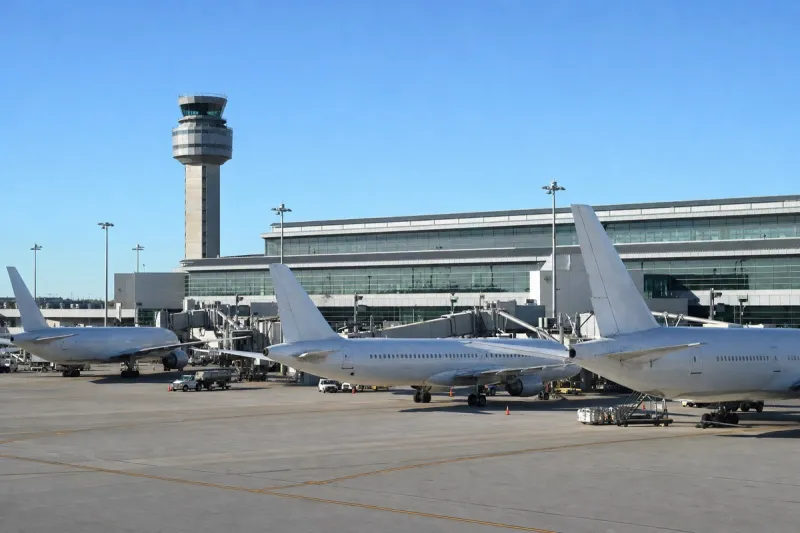
At least 94 private jet flights have landed at Antalya Airport in Turkey during the United Nations COP31 climate summit, according to updated figures from Oxfam published Friday, Nov. 13. An earlier Oxfam analysis, released Wednesday, counted 87 flights since Nov. 7 that produced an estimated 777 metric tons of carbon dioxide emissions.
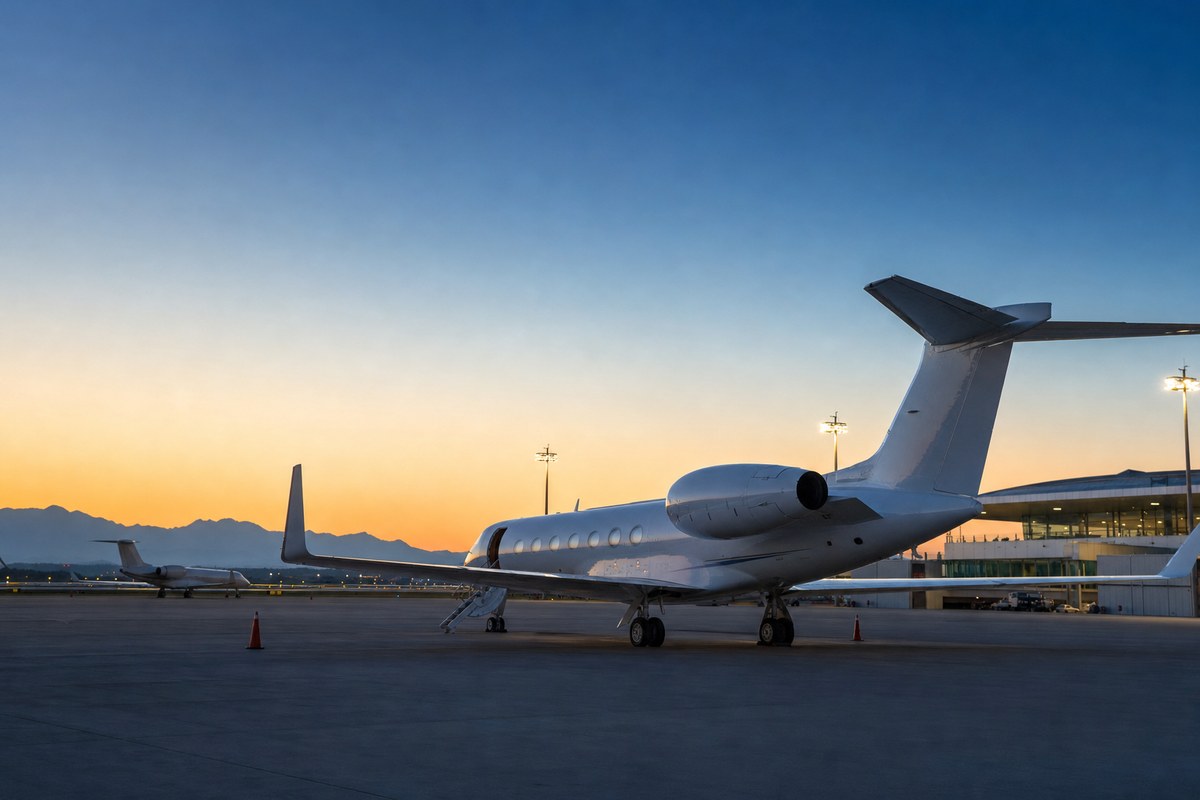
Oxfam said the 87 arrivals were nearly 22 times the number recorded at Antalya during the comparable period last year, and that their combined emissions were equivalent to flying around the world more than three times. The findings were based on data from PolluterJet, an aircraft-tracking project that monitors private jet arrivals at Antalya Airport and estimates emissions using aircraft models, flight distances and fuel consumption.
One aircraft associated with Nigerian billionaire Aliko Dangote flew about 4,370 kilometers from Lagos to Antalya, generating an estimated 30 metric tons of CO2, which Oxfam said was roughly what an average person produces over six years.
Separately, an analysis released Friday by the Kick Big Polluters Out coalition identified 103 companies and industry groups with representatives at COP31 that it said had supported fossil fuel interests or opposed stronger climate policies. They included 60 fossil fuel industry bodies and 16 financial companies involved in fossil fuel financing. ExxonMobil had 13 representatives, while TotalEnergies and BlackRock had five each. The report also identified 30 banks attending that had collectively provided more than $2.2 trillion in fossil fuel financing over the previous five years.
Oxfam's global private jet figures
In its Wednesday analysis, Oxfam said private jets worldwide traveled approximately four billion kilometers in 2025, equivalent to circling the Earth about 105,000 times, and that the United States accounted for 68% of private jet departures worldwide.
It estimated that an average private jet flight produces as much carbon pollution as an average person generates in a year. It also cited Global Solidarity Levies Task Force research estimating that taxes on private jets could raise around $45 billion annually.
Industry impact & what to watch
Climate summits concentrate wealthy and corporate delegations in one place over a short window, and for business aviation that shows up as a spike of arrivals at a single airport. Because trackers such as PolluterJet log each landing and estimate emissions from aircraft model and distance, that spike can be counted and published within days. The Antalya count rose from 87 to at least 94 in the space of two days, so the tally was still moving as the summit continued.
The Oxfam material ties these counts to a policy argument: the $45 billion annual estimate for private jet taxes comes from the Global Solidarity Levies Task Force, and the US share of 68% of departures means any such levy would fall heavily on one market. Summit-period arrival counts give campaigners a concrete case to cite when making that argument to governments.
The final Antalya total depends on how many further arrivals Oxfam and PolluterJet record before the summit ends, and the 94-flight figure is the one to compare against it.