Punjab Government Hands Gulfstream G500 Operations and Maintenance to Pakistan Air Force
Why It MattersThe handover shows how a government-owned VIP aircraft can outrun its owner's technical base, pushing sub-national fleets toward military or specialist operators when they lack in-house airworthiness and maintenance capability.
What happened
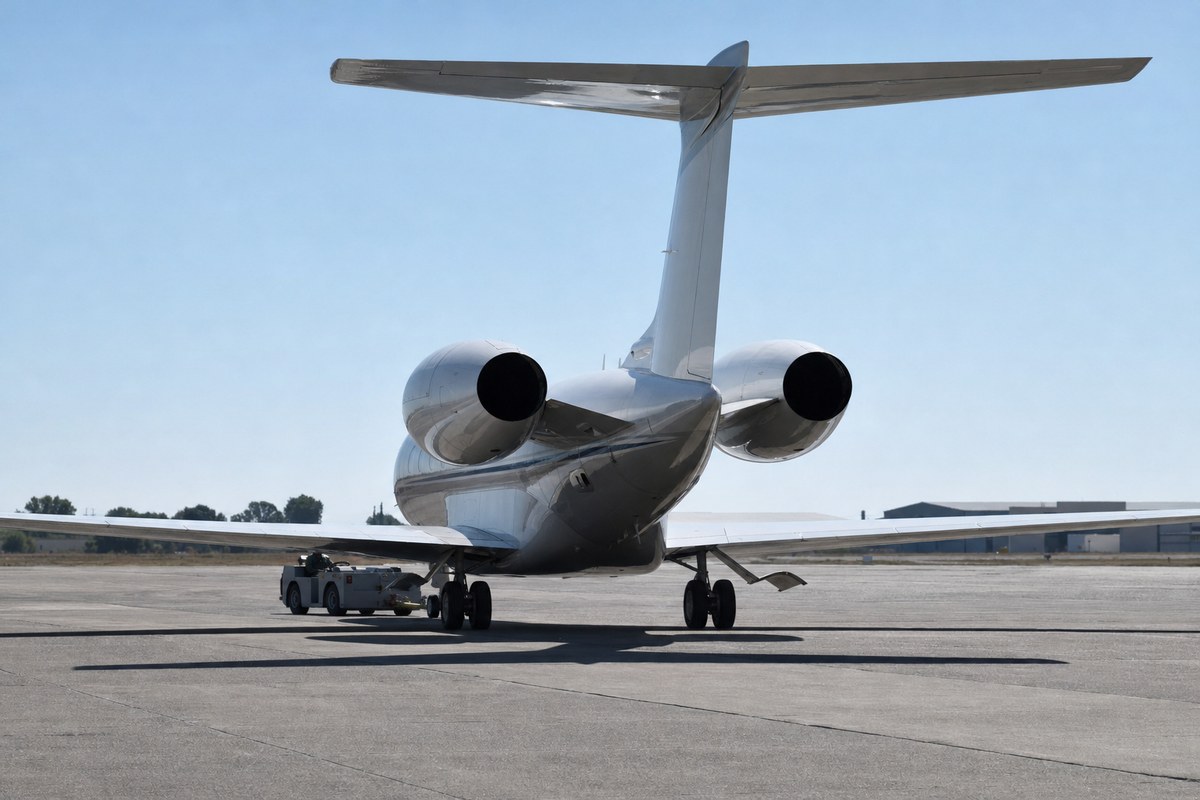
The Punjab government has transferred operational control and maintenance of its Gulfstream G500 jet to the Pakistan Air Force (PAF), and the provincial cabinet approved the arrangement, according to official documents. The provincial government's VIP Flight Wing has limited technical capabilities, and it consulted the PAF before handing over responsibility for operating and maintaining the aircraft.
A memorandum of understanding (MoU) was signed between the Punjab government and the air force. It covers maintenance, technical matters and financial responsibilities.
The move comes amid criticism of Chief Minister Maryam Nawaz's use of the aircraft for a private family trip to London, where she attended her daughter's graduation ceremony and returned to Lahore on September 9. Maryam said she personally paid Rs27.5 million for parking and other expenses linked to the trip and that the money did not come from the public exchequer. She said all four provincial chief ministers have government aircraft and that she would continue using the jet for official travel.
Pakistan Tehreek-e-Insaf MPA Waqas Mahmood Maan submitted an adjournment motion in the Punjab Assembly over the matter.
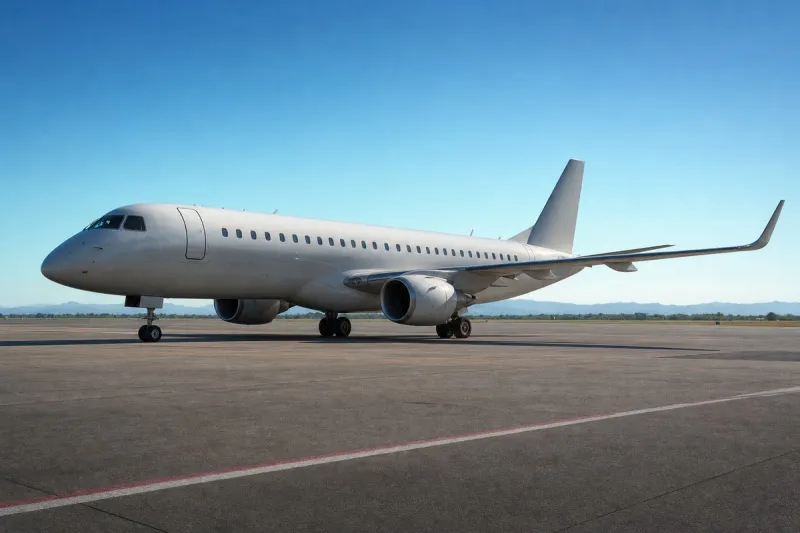
The 19-seat Gulfstream G500, manufactured in 2019, has been reported to be worth between $38 million and $42 million, or more than Rs10 billion. Critics have questioned the purchase during Pakistan's economic difficulties and have sought transparency over whether it was bought outright or leased. Punjab Information Minister Azma Bukhari previously said the aircraft was part of a fleet being developed for the proposed provincial airline Air Punjab, which was preparing to launch commercial flights in April. Supporters say owning a modern aircraft would reduce the province's reliance on federal resources.
Industry impact & what to watch
Government-owned business jets often arrive before the organisation that owns them has the people, tooling and oversight to run them. A large-cabin aircraft of this class needs trained crews, a maintenance programme tied to the manufacturer's requirements, and a clear line of accountability for airworthiness. When a flight department cannot supply those, handing the work to an established operator with its own engineering base is a pragmatic route, and it is one that state and provincial fleets elsewhere also tend to take.
The arrangement also moves a cost question from the aircraft's purchase price to its running costs. The MoU covers financial responsibilities, so who bears maintenance, crewing and positioning expenses, and how those are recorded, determines whether the public can see what the jet actually costs to keep flying. That is the point critics have pressed through their calls for transparency over the purchase.
The pending items are the ones the dispute already centres on: whether the aircraft was bought outright or leased, and how the Air Punjab plan, with its stated April commercial launch, fits an aircraft now maintained by the air force.