Leaked Air Traffic Controller Schedule Shows 14 Straight Days on Duty and Mandatory Overtime Amid 3,000-Controller Shortfall
Why It MattersChronic controller understaffing makes rate limits and ground stops a structural feature of congested hub operations, so schedule reliability for charter and airline flying depends on facility staffing rather than weather alone.
What happened
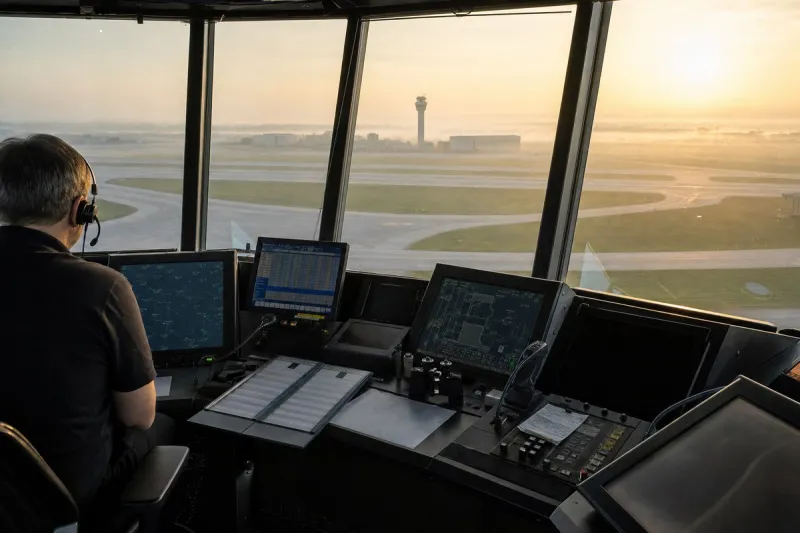
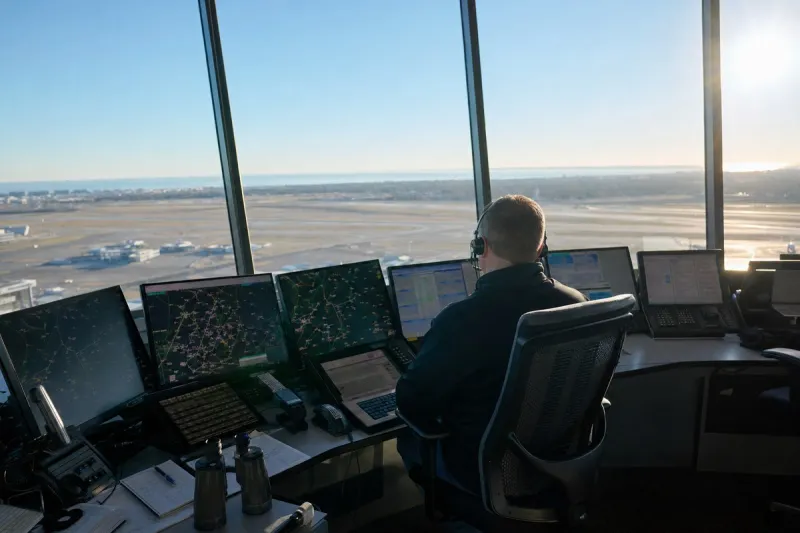
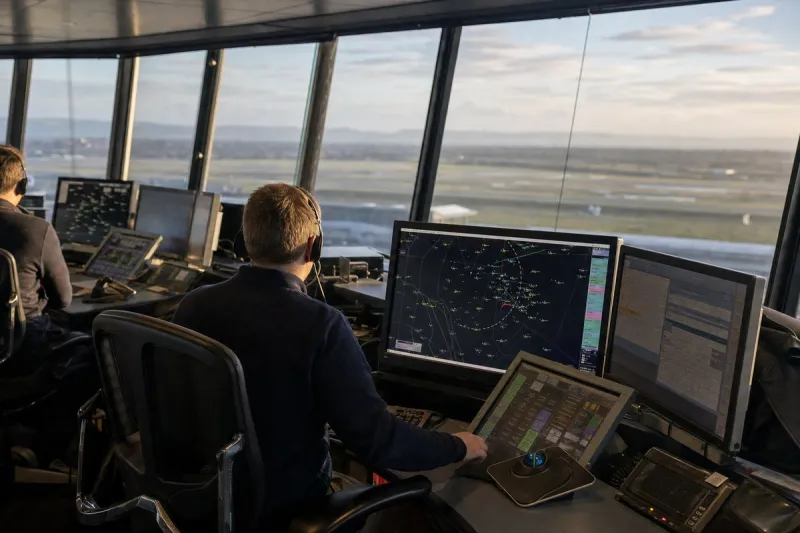
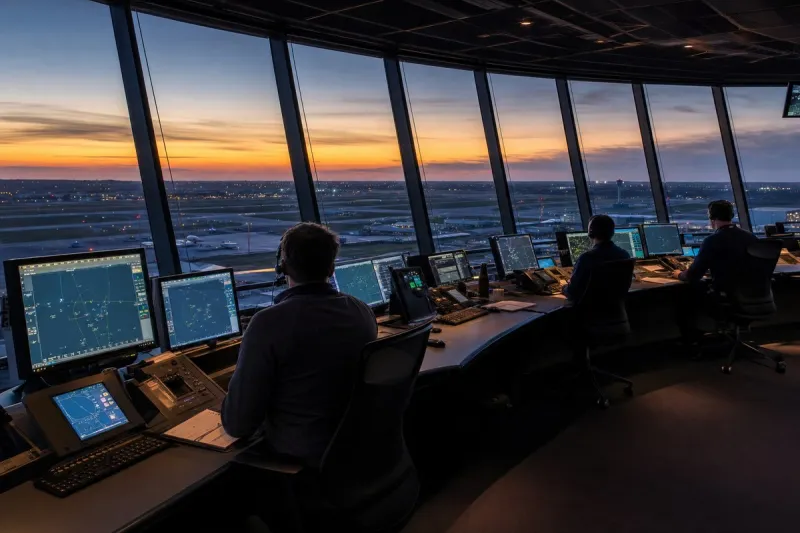
Air traffic controller work schedules obtained by The Washington Examiner's Anna Giaritelli show controllers rostered to report to their facilities every day for two weeks. One roster covers September 20 to October 3. Its only nominal day off falls on a Friday but follows a Saturday-night shift that began at 9:00 PM the previous evening, so the controller reported on every calendar day for 14 consecutive days.
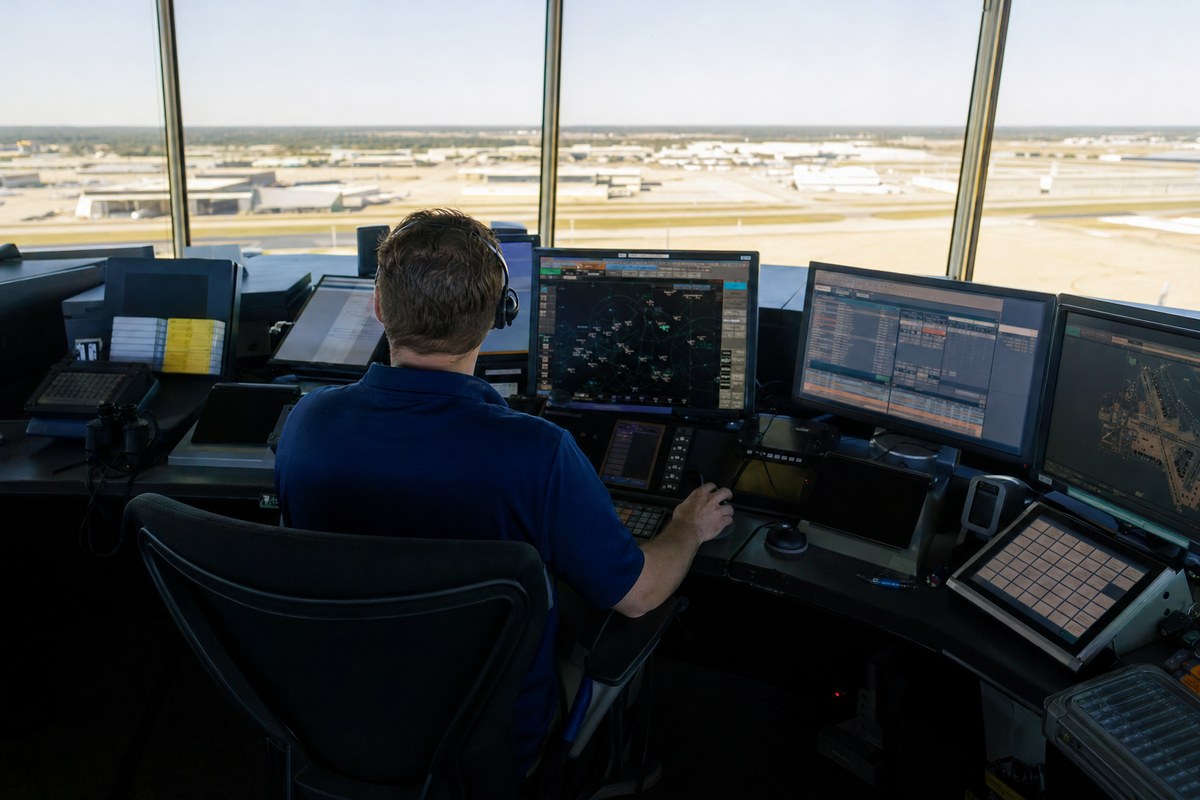
In one week, a Rattler Shift has controllers starting at 1:00 PM and working mandatory overtime throughout the week. Other rosters show mandatory overtime turning a standard five-day week into a longer one.
The country is short more than 3,000 controllers, and staffing falls below the 85% minimum threshold at 20 of the 26 busiest airports and facilities. Fatigue rules require at least ten hours off between standard shifts and 12 hours off before midnight shifts, but controllers and union leaders warn that relentless overtime leaves too little time to rest. Less than 10% of US airport control towers remain fully staffed.
The schedules surfaced amid a standoff between controllers and the Federal Aviation Administration (FAA). A 2.8% pay rise was approved but stalled by Administrator Bryan Bedford. Controllers have also been told to spend at least five hours of an eight-hour shift actively working traffic positions. The National Air Traffic Controllers Association (NATCA) and controllers have pushed back, saying non-scope time is needed for mandatory weather briefings, training and federally mandated recuperative breaks after high-stress radar sessions.
The system's vulnerability was underscored by a Friday nationwide router outage. It caused a communications and radar failure and a historic nationwide ground stop, affecting millions of passengers, canceling more than 10,000 flights and leaving airline crews timed out and aircraft stranded.
Industry impact & what to watch
Controller staffing sets the ceiling on how many aircraft a busy airspace can handle. At understaffed facilities, the absence of one or two workers can force the FAA to limit arrival or departure rates at major airports such as New York, Newark, Los Angeles or Atlanta. That produces ground stops or ground delay programs even in clear weather, so delay risk at the largest hubs no longer tracks forecasts alone.
For business aviation, the effect is indirect but real. Charter, fractional and private operators share the same terminal airspace and slot-constrained fields as the airlines. When flow restrictions tighten around the biggest metros, departure times, routing and arrival sequencing at those airports become less predictable, and the effect reaches secondary and reliever airports through diverted or re-timed traffic.
The open items are labour-side. The stalled 2.8% pay rise and the dispute over how many hours of a shift must be spent on active traffic positions are both unresolved, and the outcome of each will shape how much recuperative and training time controllers keep. The FAA's response to the leaked rosters would carry the most weight next.