FAA Lifts Nationwide Ground Stop After Air Traffic Control Communications Problems
Why It MattersTwo nationwide stops in under four years, set against a funded but unfinished technology overhaul, show that U.S. airline and business-aviation schedules still depend on a communications backbone with little demonstrated redundancy.
What happened
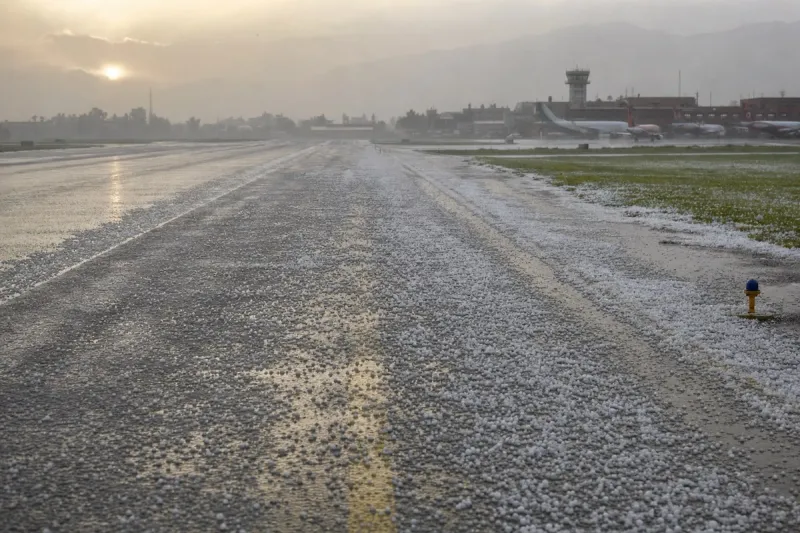
The Federal Aviation Administration announced Friday night that airplane departures can resume after it lifted a nationwide ground stop caused by communications problems. The agency had grounded all U.S. flights Friday afternoon, and hundreds of flights were diverted. An FAA notice said the restrictions were imposed "due to extraordinary circumstances and for reasons of safety."
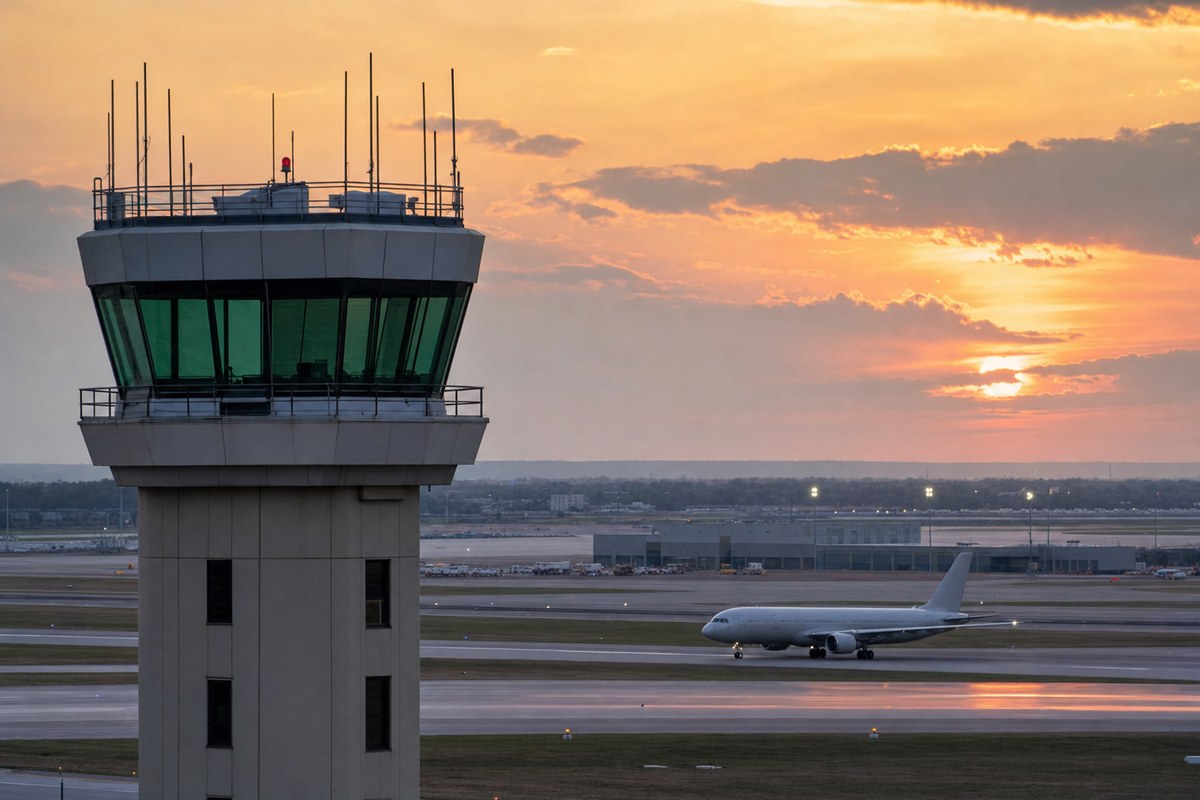
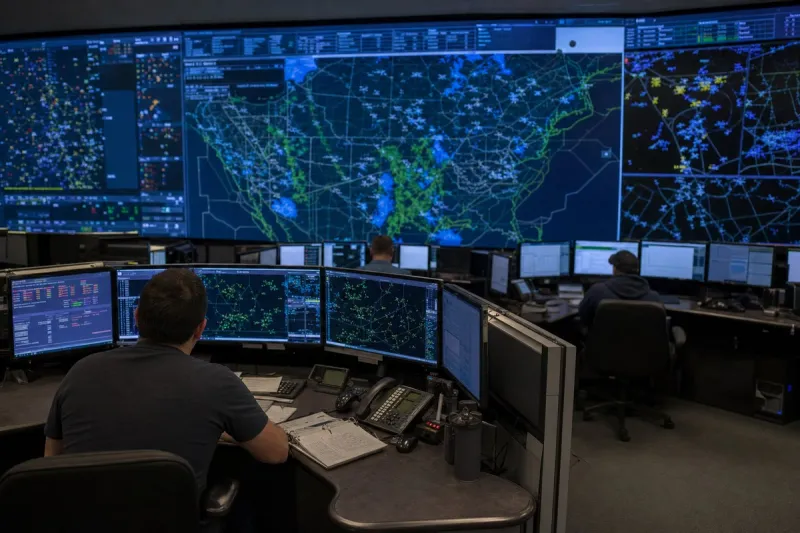
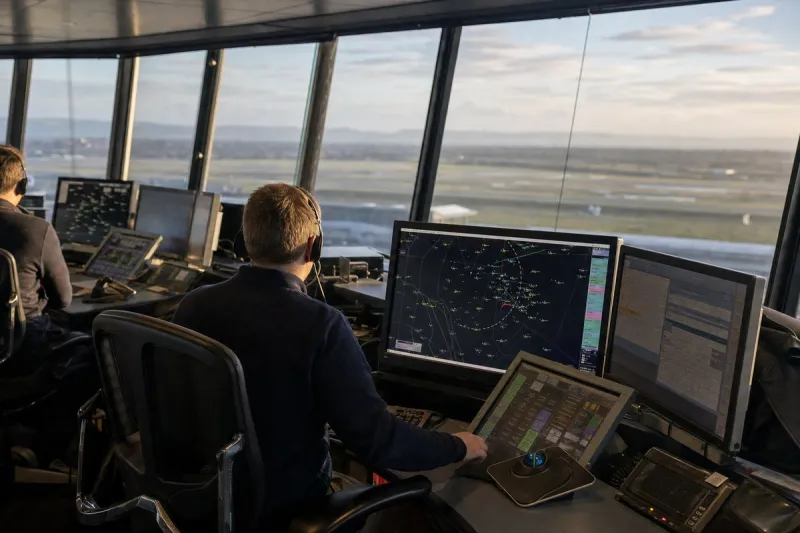
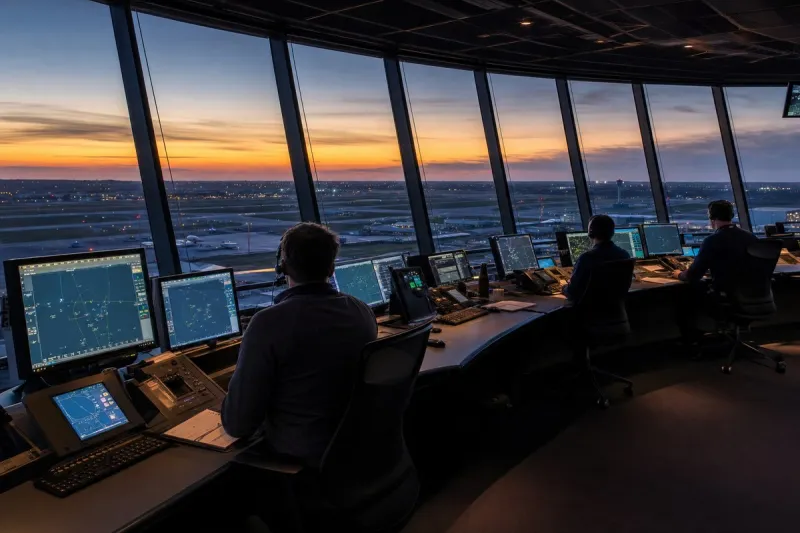
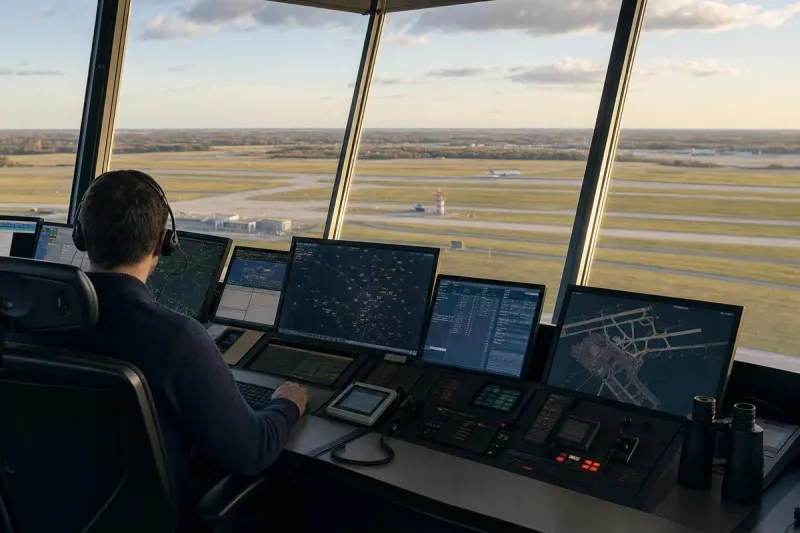
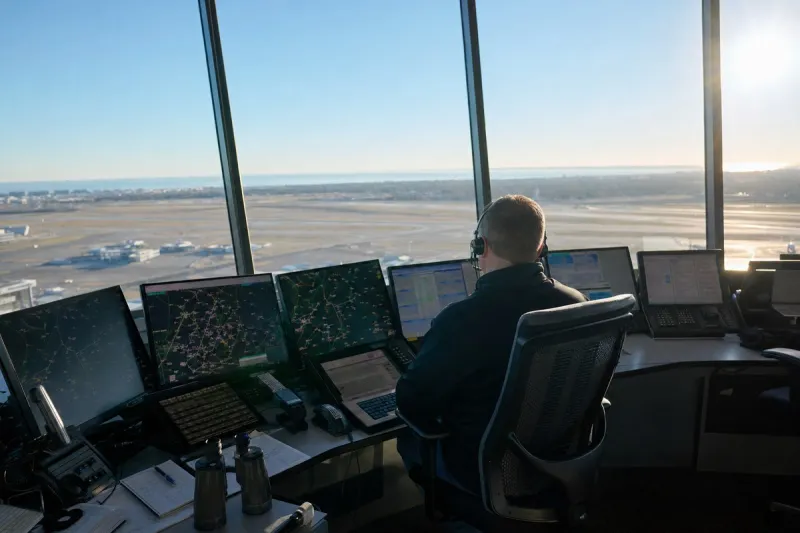
Transportation Secretary Sean Duffy said the agency was investigating a communication issue affecting the 22 regional air traffic control centers that direct planes en route between airports nationwide. Secretary of Homeland Security Markwayne Mullin said there was no indication yet that the event was a "nefarious attack" and attributed the problem to a telecommunications outage. He said investigators will examine whether there is any link to the FAA's nationwide rollout of a new artificial intelligence system that helps identify problems and reroute planes. That system operates from one location near Washington, D.C., and only sends recommendations to the control centers.
The stop was the first nationwide ground stop since January 2023, when a key FAA computer system malfunctioned, and the second since the aftermath of the Sept. 11, 2001, attacks. As of 4:40 p.m. Eastern time Friday, nearly 481 U.S. flights had been canceled or had not taken off within 180 minutes of their scheduled departure time, about 1.8% of the 26,284 flights scheduled to depart that day, according to aviation analytics company Cirium. Most of the affected flights were due to depart from airports in New York, San Francisco and Boston.
Anthony Trevena, executive director of the Youngstown Warren Regional Airport, said the airport and the team at JETS FBO were on standby for possible diversions but had received none. Aviation safety expert Steve Arroyo, a former United Airlines pilot, said the problem resembled a regional air traffic control communication outage in September that snarled hundreds of flights across the Northeast, and may be linked to outdated air traffic control technology.
Industry impact & what to watch
A ground stop is the FAA's blunt instrument: when en-route communication with controllers cannot be trusted, every departure waits, and the cost lands on aircraft, crews and passengers who are positioned for the wrong airport or the wrong hour. The 1.8% share of cancelled or long-delayed flights looks small against 26,284 scheduled departures, but it measures only the afternoon the stop was in force, not the knock-on repositioning that follows. Business aviation absorbs the same disruption in a different form, through diversions to smaller airports, rebooked slots and crews that time out.
The pattern matters more than the single day. Arroyo drew a line to a September outage that snarled hundreds of flights across the Northeast, and the previous nationwide stop came in January 2023. Congress approved $12.5 billion last year to overhaul air traffic control technology, and Duffy has said another $30 billion will be needed. Until that gap is funded and delivered, a communications fault at the centers that guide en-route traffic can propagate nationally.
The open item is the investigation's scope. Mullin said investigators will examine whether the outage is linked to the new AI system, which sits in one location and only sends recommendations. A finding either way would shape how much weight the FAA and Congress place on that system, and on legacy communications links, in the next round of modernisation funding.