Suriname Lawmaker Asks Whether Two Private Jets Carried Wanted Dutch Drug Suspect Jos Leijdekkers
Why It MattersThe episode shows how an unexplained private-jet arrival at a small international airport can become a political and legal question once ownership, passenger identification and handling responsibility are not publicly documented.
What happened
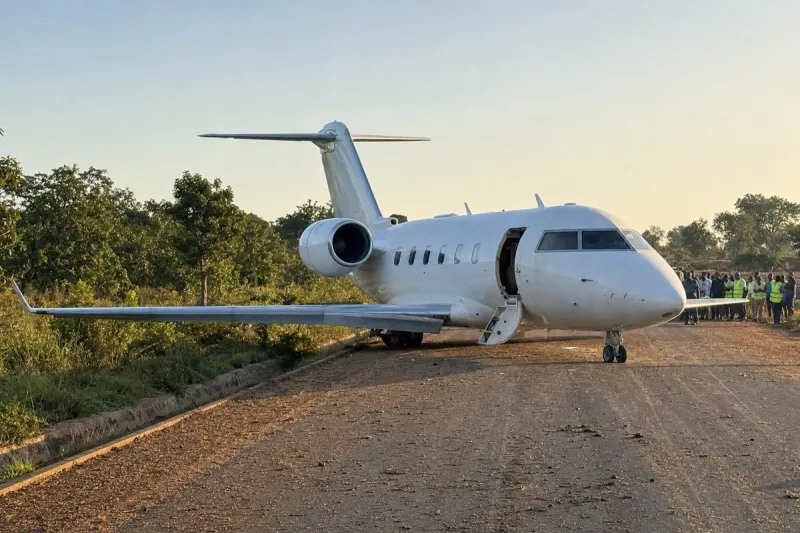
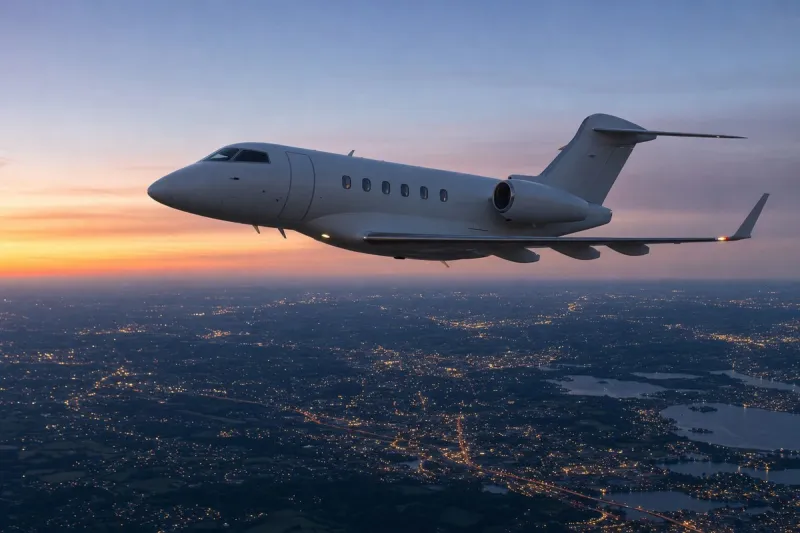
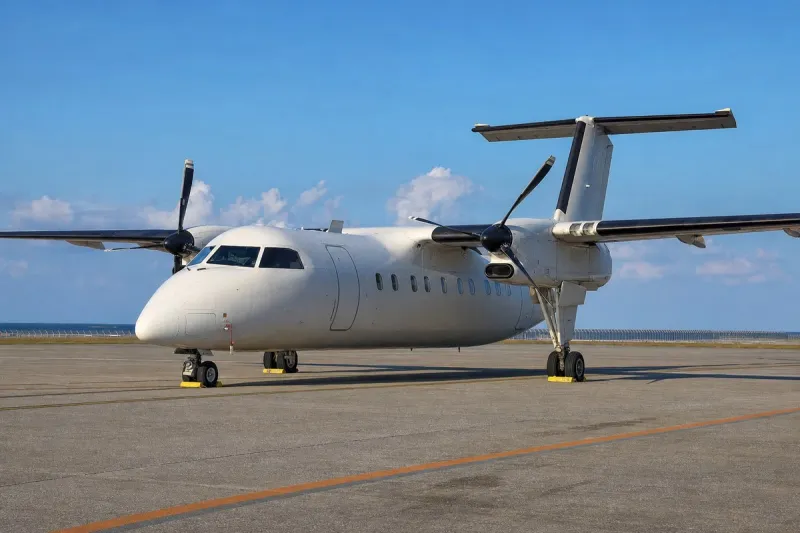
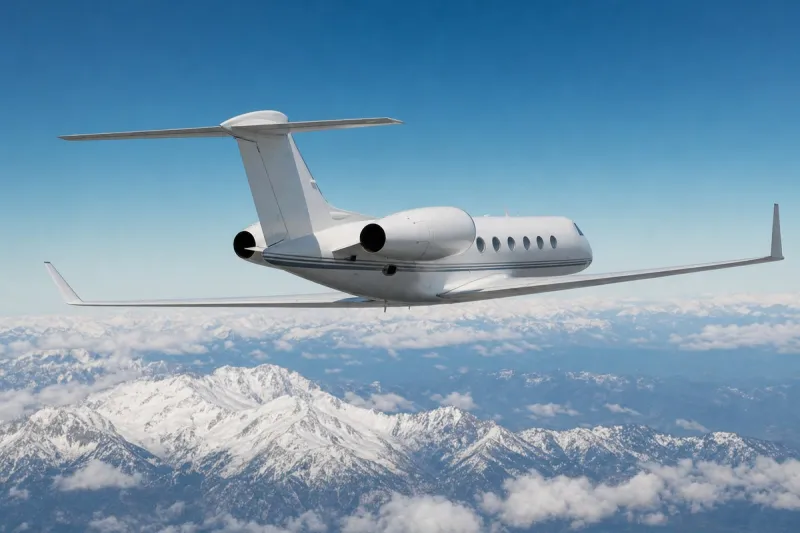
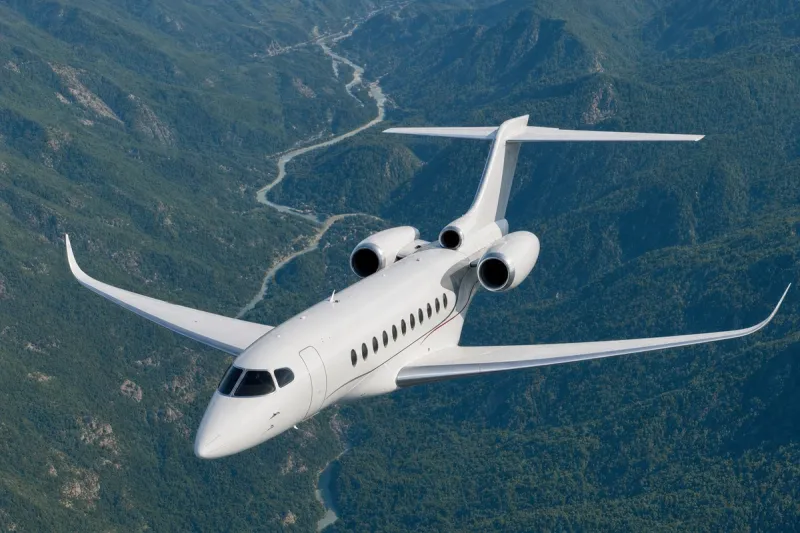
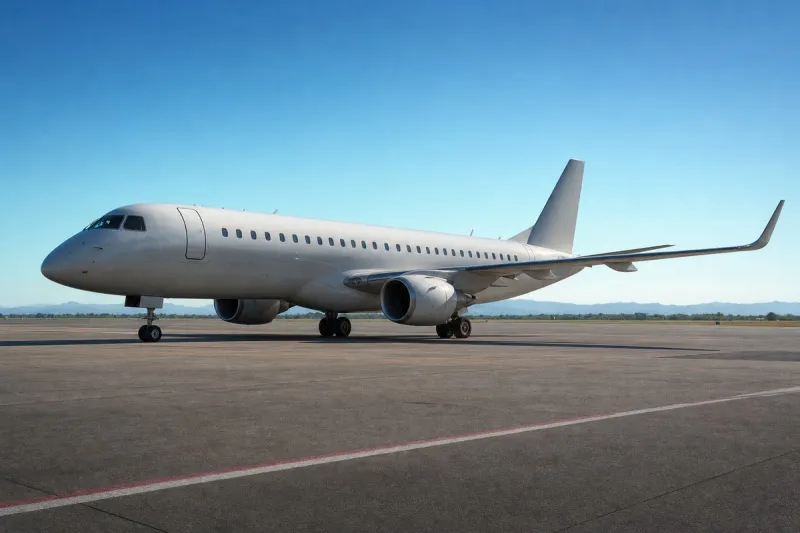
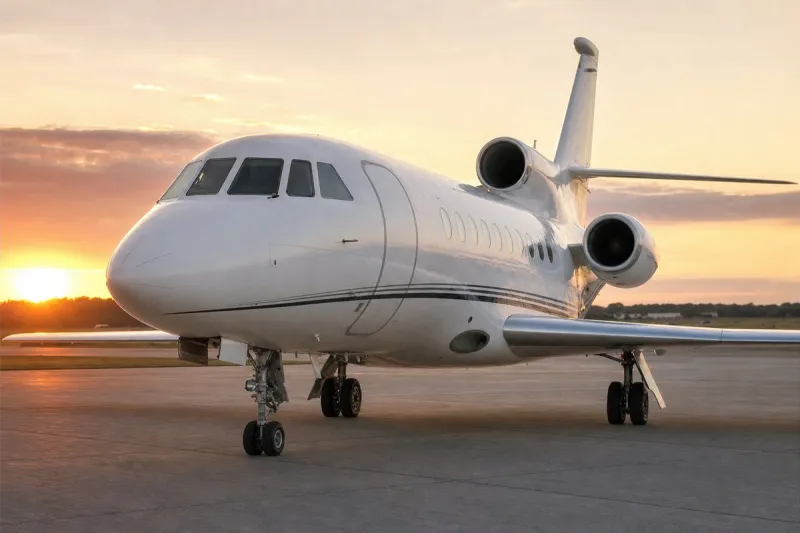
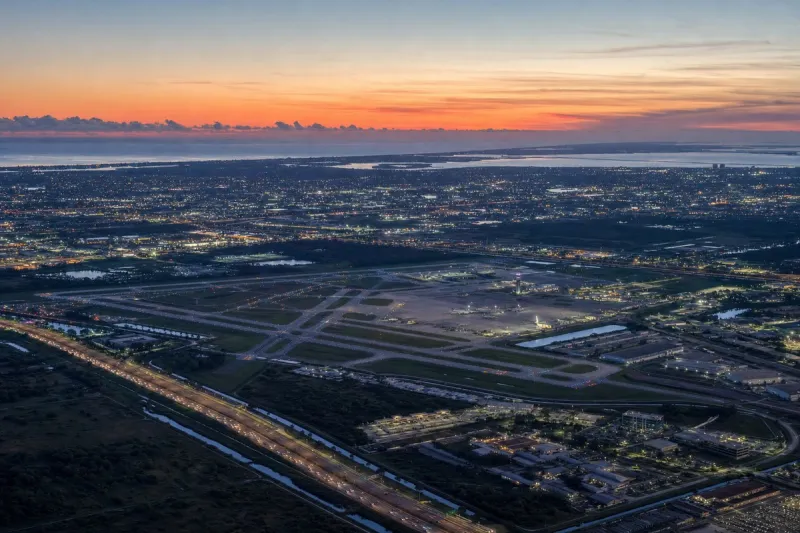
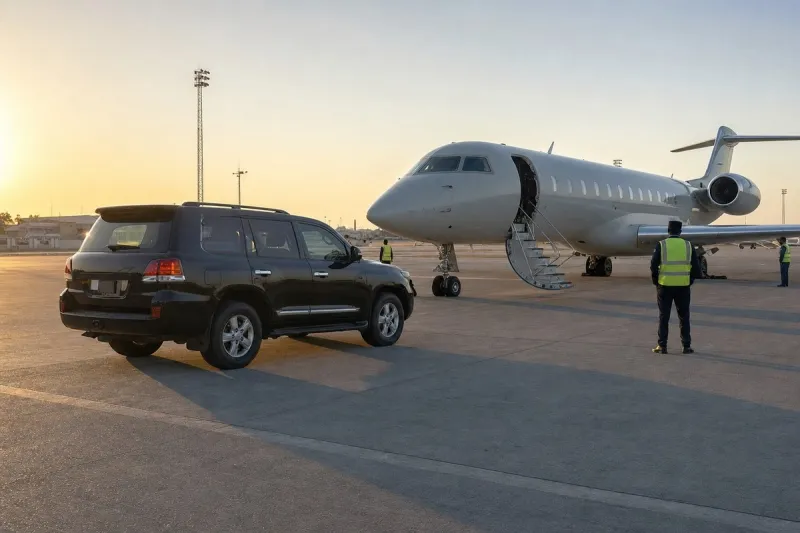
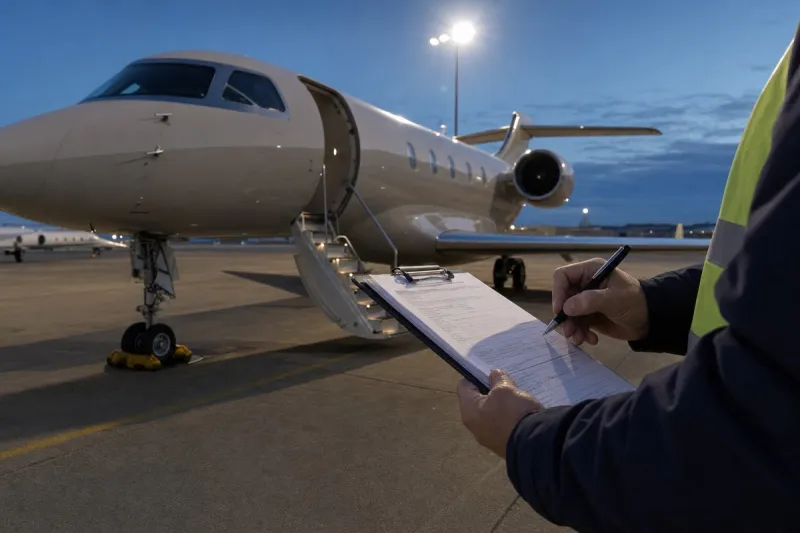
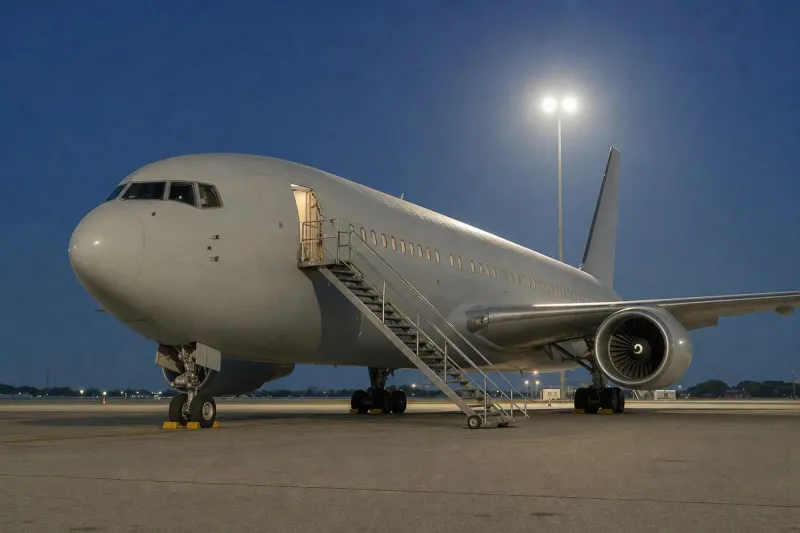
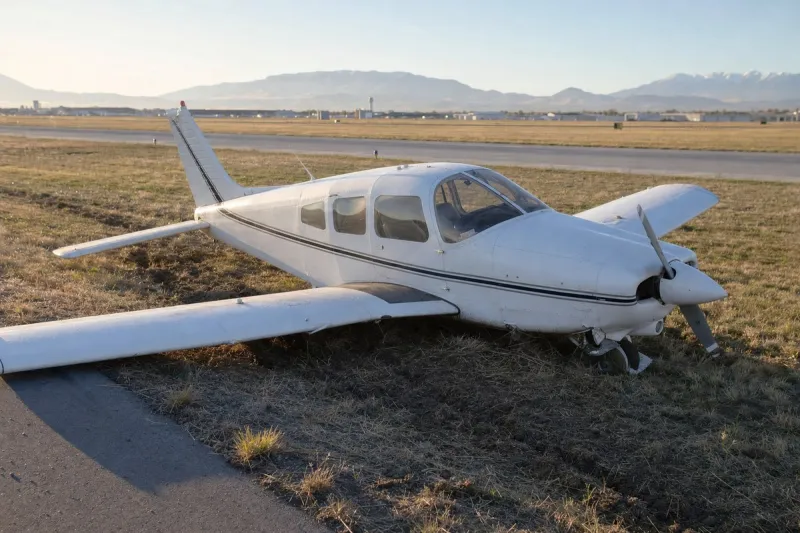
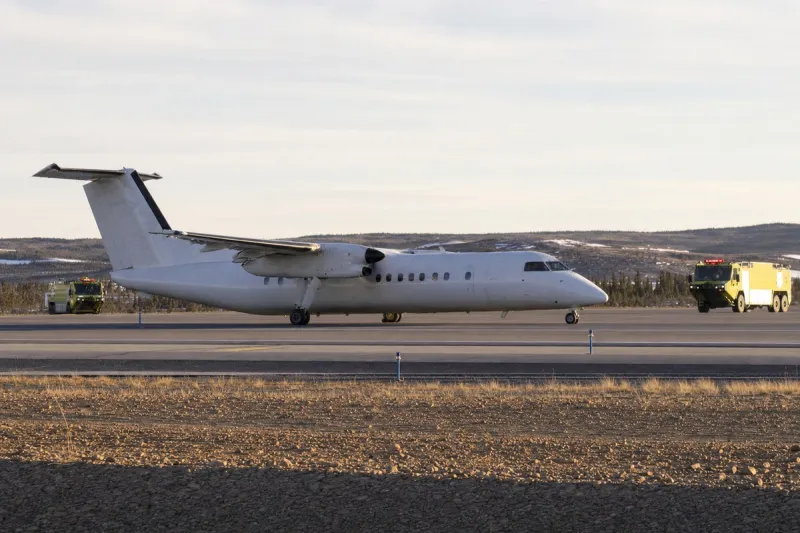
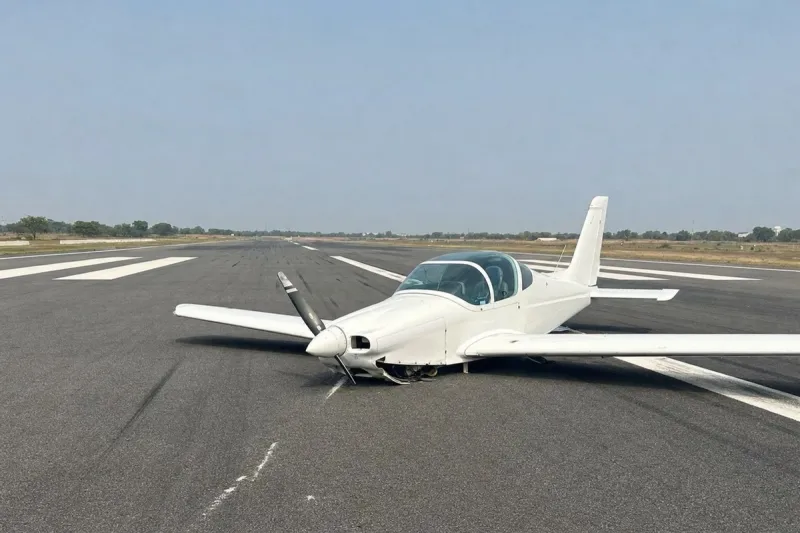
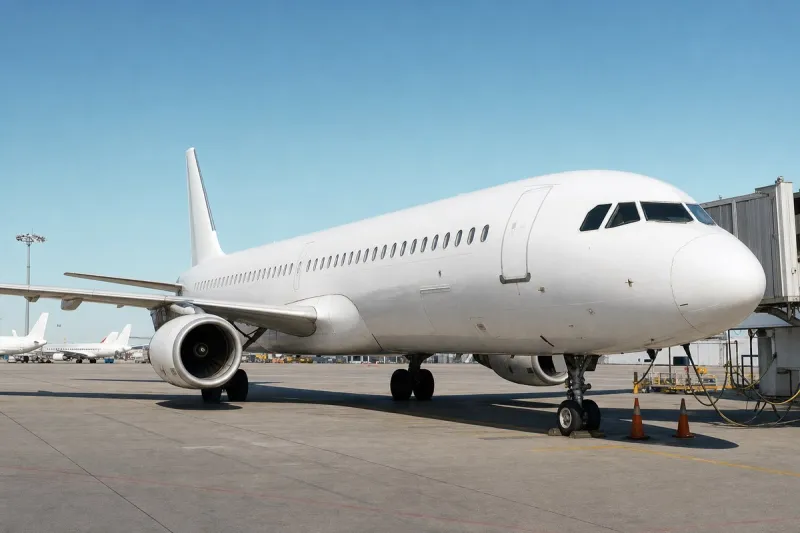
A Suriname lawmaker has asked the government to explain the landing of two private jets at Johan Adolf Pengel International Airport at Zanderij, near Paramaribo, and whether a fugitive Dutch cocaine suspect was on board. Bronto Somohardjo, floor leader of the PL party (Pertjajah Luhur) in the National Assembly, raised the questions on Friday, 13 November 2026. He said he had information that internationally wanted people linked to drug trafficking were among the passengers and named Jos Leijdekkers, known as "Bolle Jos", as one possible passenger. This is Somohardjo's claim; no official statement has confirmed it.
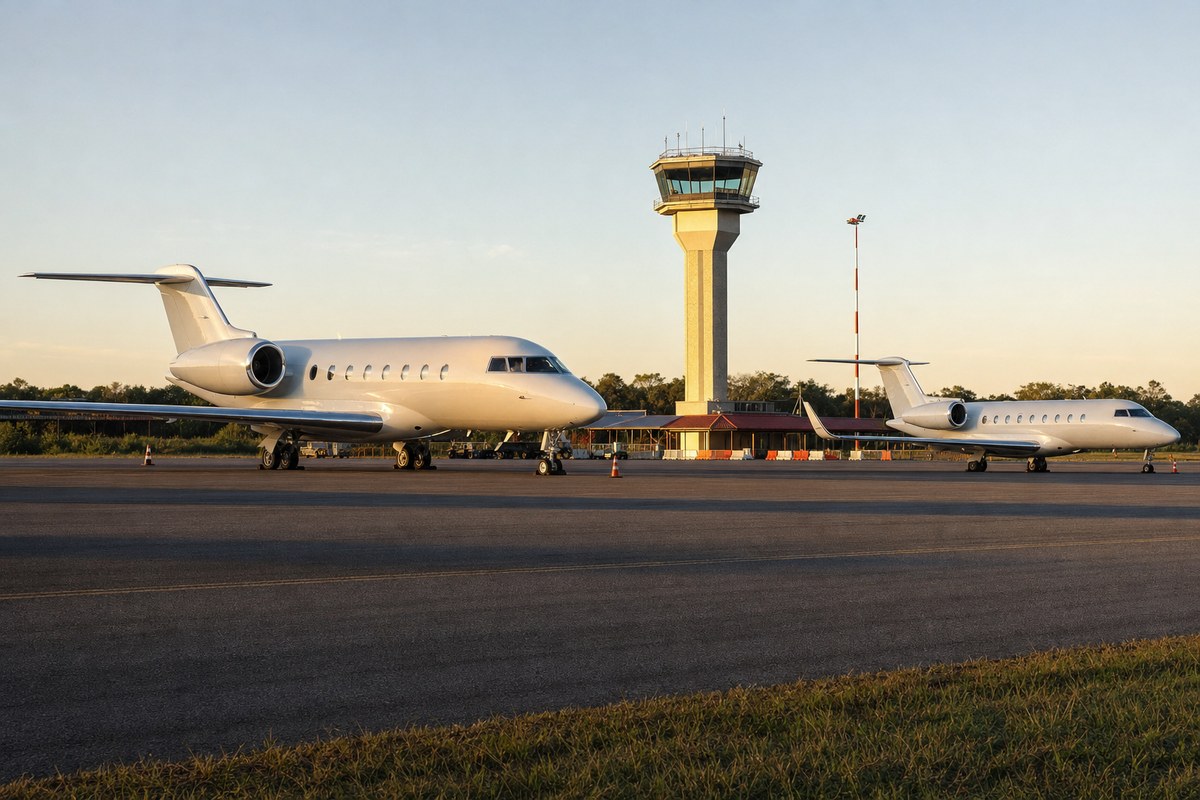
Somohardjo cited an earlier remark by Asiskumar Gajadien, floor leader of the VHP party, who had questioned the aircraft some weeks before. As Somohardjo relayed it, one jet has since left and the other is still held. He asked whether it was investigated if Leijdekkers was aboard and how passengers were identified, whether Dutch prosecutors had put questions to their Surinamese counterparts that remain unanswered, and whether the national carrier handled the planes itself instead of using its ground-handling arm.
Acting chair Rossellie Cotino told Somohardjo that names may not be mentioned in parliament and ordered the name Leijdekkers removed from the record. Cotino also told Somohardjo not to make insinuations about the procureur-generaal (attorney general), whom Somohardjo said he kept hearing had approved the release of the planes. No reply from the government or prosecution service has been found.
Dutch prosecutors say a Rotterdam court sentenced Leijdekkers on 25 June 2024 to 24 years for six cocaine shipments totalling almost 7,000 kilograms, an armed robbery in Finland and ordering a killing; they say a Belgian court gave him a further 79 years. On 2 November 2026 the Dutch prosecution service raised the reward for a tip leading to his arrest tenfold, to €2 million (about US$2.2 million). Dutch authorities have said since summer 2024 that he lives in Sierra Leone.
Industry impact & what to watch
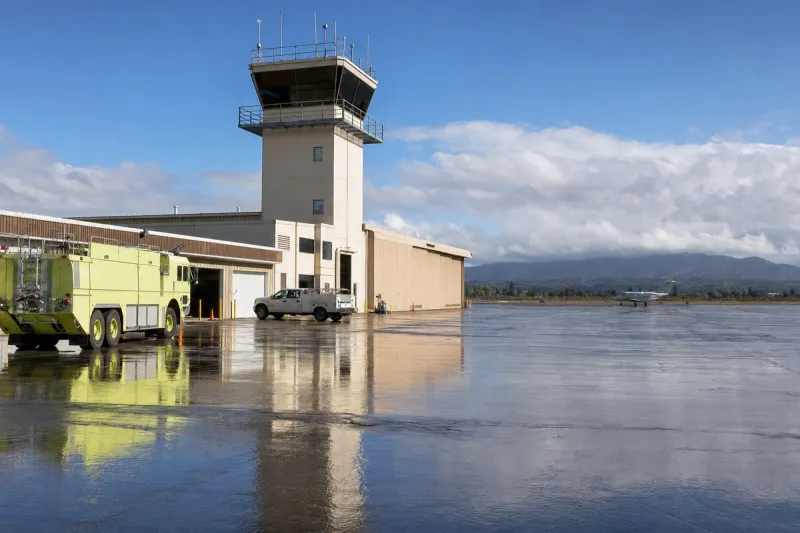
Private-jet arrivals at secondary international airports sit in a gap between aviation and law enforcement. Passenger identification, handling and release decisions are split among the airport, the handler, immigration and prosecutors, and when none of that is published, the questions land in parliament instead of in a regulatory filing.
For business-aviation operators, charter brokers and handlers, the lesson is about documentation. Who chartered the aircraft, who owned it, who handled it on the ground and who cleared the passengers are the facts that decide whether a landing stays routine or becomes a political matter. Where a national carrier handles a visiting jet itself rather than through its ground-handling arm, that choice is itself something a legislator can ask about.
The next fact that would settle the matter is a reply from the Surinamese government or prosecution service on the status of the jet still held and on how passengers were identified. Ownership and charter details for both aircraft would do the same, and none has been published.