Florida airspace guide: three Class B areas, military ranges and frequent TFRs, including Palm Beach and rocket-launch restrictions
Why It MattersFor aircraft operating in Florida, airspace access is increasingly governed by event-driven restrictions layered onto fixed controlled airspace, so planning around launch cadence and presidential-area rules becomes a standing operational variable.
What happened
A Florida airspace guide published on floridaaviationnews.com describes a state with three Class B areas (Miami, Orlando and Tampa), a long list of Class C and Class D airports, large military ranges, and frequent temporary flight restrictions (TFRs) tied to rocket launches, stadium events and presidential travel to Palm Beach.
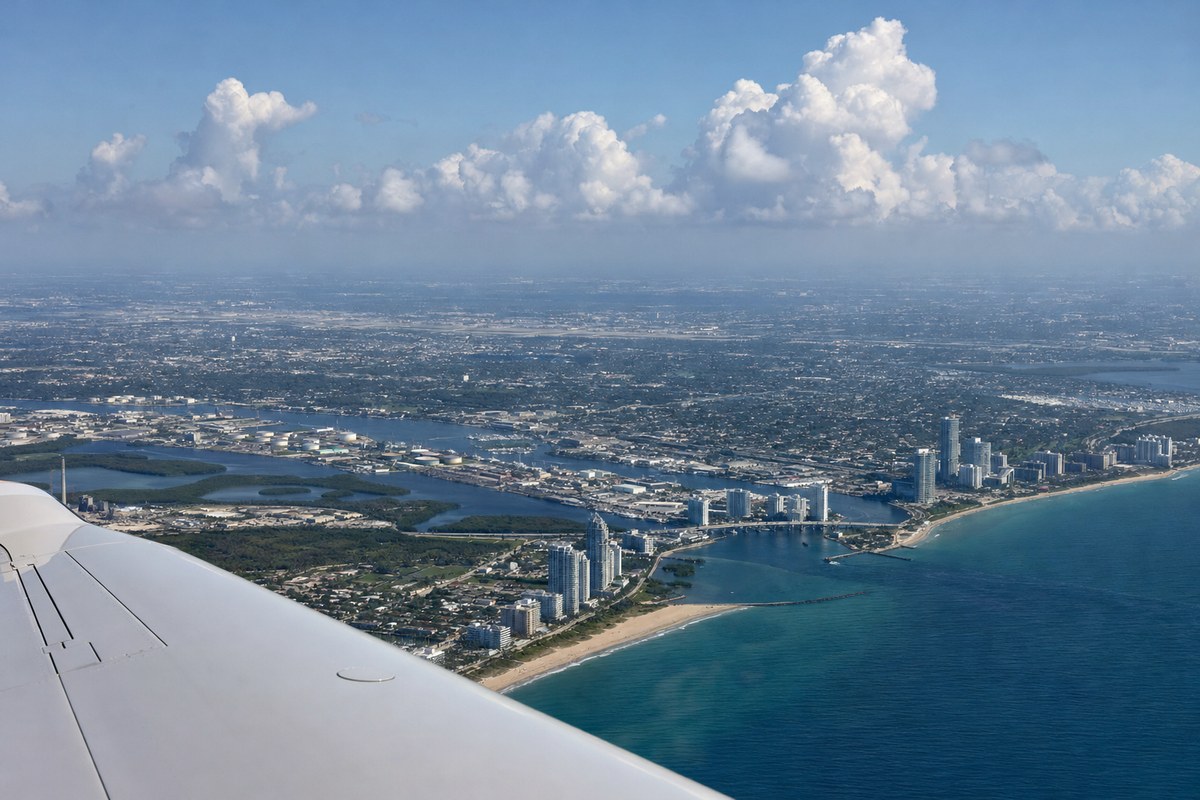
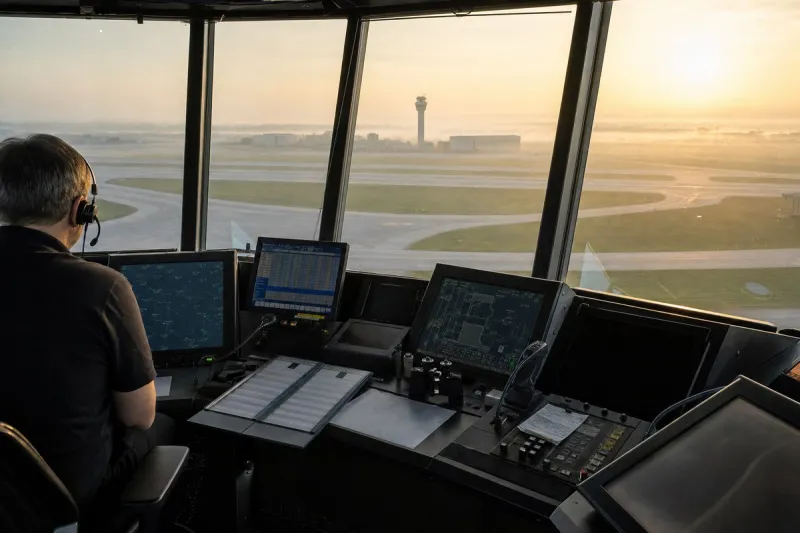
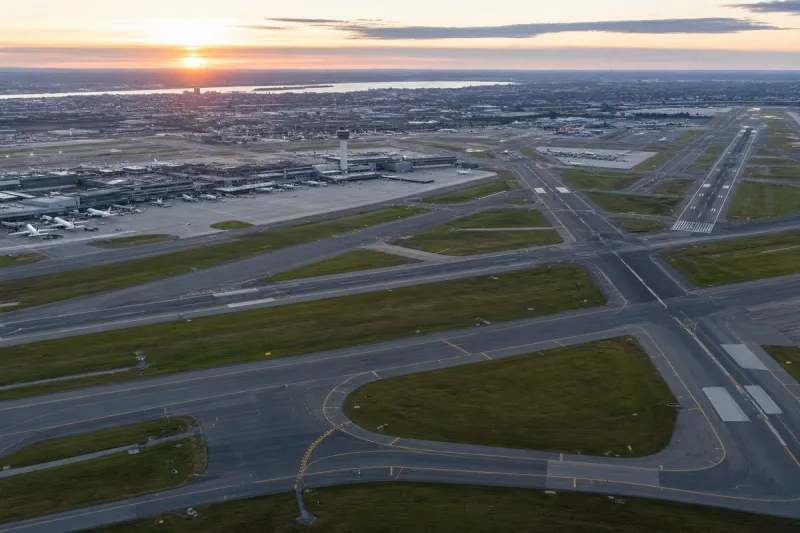
Class B airspace surrounds the busiest airports and is drawn as stacked layers that widen with altitude. Miami's Class B overlaps closely with Fort Lauderdale's Class C to the north, and the area between them is described as some of the most congested low-altitude airspace in the Southeast. Class C entry requires two-way radio contact, meaning the controller has answered using the aircraft's call sign, plus a transponder and ADS-B Out. Class D covers towered airports without radar approach service, typically out to about four nautical miles and up to 2,500 feet above the field.
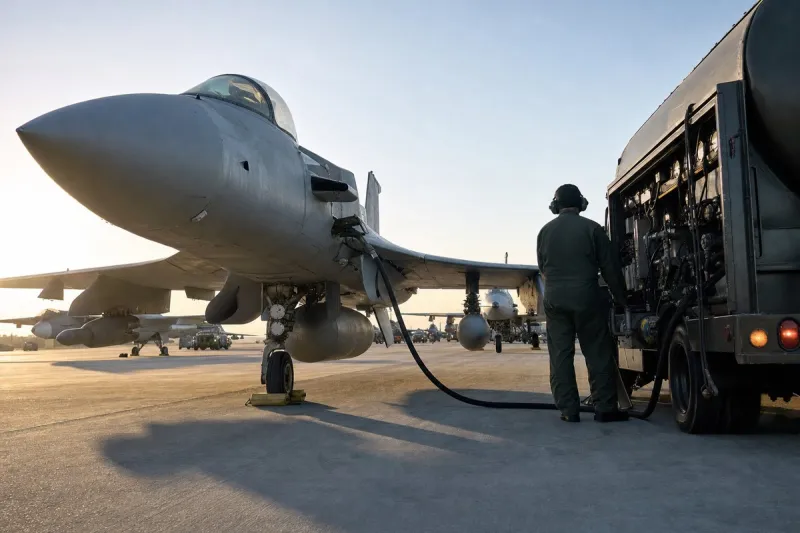
Special use airspace in Florida includes restricted areas, military operations areas (MOAs), warning areas over international waters and alert areas near Pensacola and Whiting Field. VFR flight through an MOA is legal without a clearance, but pilots should check whether the area is active and use flight following.
Florida's Space Coast hosted a record 109 orbital launches in 2025, and officials have projected 100 to 120 for 2026. Restricted areas over Cape Canaveral Space Force Station and Kennedy Space Center are in effect continuously at low altitude. For each launch the FAA activates additional restricted airspace and issues NOTAMs for hazard areas that can extend far offshore and up to unlimited altitude, moving airline routes along the coast and affecting general aviation near Titusville, Merritt Island and Melbourne.
When the president is in Palm Beach, the FAA issues a TFR. In October 2025 the FAA added a year-round restriction: a one-nautical-mile radius around Mar-a-Lago up to 2,000 feet, in force whether or not the president is in residence, through October 20, 2026. In September 2026 the agency proposed making the zone permanent as a Special Flight Rules Area around what is now President Donald J. Trump International Airport, formerly Palm Beach International; pilots should confirm current status in NOTAMs because the rulemaking was still in progress.
Flights returning from the Bahamas or the Caribbean cross the Air Defense Identification Zone off the Florida coast. Pilots need an activated international flight plan, a transponder code and radio contact before penetration, and must file passenger information with Customs and Border Protection in advance and land first at an airport of entry; skipping any step can lead to an intercept. The guide lists the most common violations as entering Class B without clearance, entering Class C or D before establishing radio contact, flying into Palm Beach presidential restrictions, and violating stadium restrictions.
Industry impact & what to watch
Florida shows how much of the usable airspace in a high-traffic state is not fixed. Permanent Class B, C and D structure sets the baseline, but launch hazard areas, presidential restrictions and stadium TFRs are applied on top of it, and several of them move with an event calendar rather than a chart revision. For business aviation, which flies point-to-point and often into the same coastal airports that sit under those restrictions, that means routing and timing risk comes from NOTAMs as much as from the published structure.
The launch cadence is the clearest driver. A record 109 orbital launches in 2025, with 100 to 120 projected for 2026, implies hazard areas that reach far offshore and up to unlimited altitude will keep recurring along the east coast. Each activation shifts airline routings and squeezes general aviation near Titusville, Merritt Island and Melbourne, so schedule reliability on the Space Coast corridor depends on checking launch NOTAMs as part of normal trip planning.
The Palm Beach zone is the item with a dated decision attached. The year-round Mar-a-Lago restriction runs through October 20, 2026, and the proposed Special Flight Rules Area around the renamed airport was still in rulemaking, so the next signal is whether that proposal is finalized and what perimeter it carries. Until then, the status in current NOTAMs is the reference for anyone operating at Lantana, North Palm Beach and neighbouring fields.