FAA Sets Temporary Flight Restrictions Across Anchorage for Expected Trump Stop on Nov. 16
Why It MattersShort-notice presidential TFRs show how a few hours of restricted airspace can close general aviation, training and seaplane activity across a metro region while scheduled and emergency flying continues under narrow exemptions.
What happened
President Donald Trump is expected to make a stop in Anchorage on Monday, Nov. 16, prompting temporary flight restrictions across Anchorage and parts of the surrounding region. The restrictions run from 11:30 a.m. to 2:30 p.m. Alaska Standard Time. A tightly restricted inner zone extends 10 nautical miles from the designated center, and an outer boundary reaches 30 nautical miles. The FAA has separately published a "VIP" movement notification for Anchorage on Nov. 16, covering airspace from the surface through 17,999 feet above sea level.

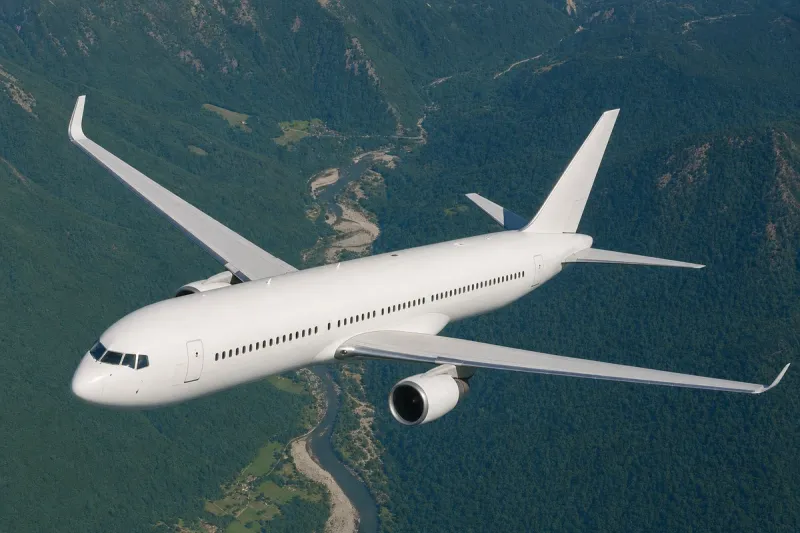
Air Force One will likely stop at Joint Base Elmendorf-Richardson for fuel and a short layover while en route to the Philippines. Trump is expected to arrive in Manila on Nov. 17 for the ASEAN-US Special Summit, and Philippine officials have confirmed plans for a bilateral meeting between Trump and Philippine President Ferdinand Marcos Jr.
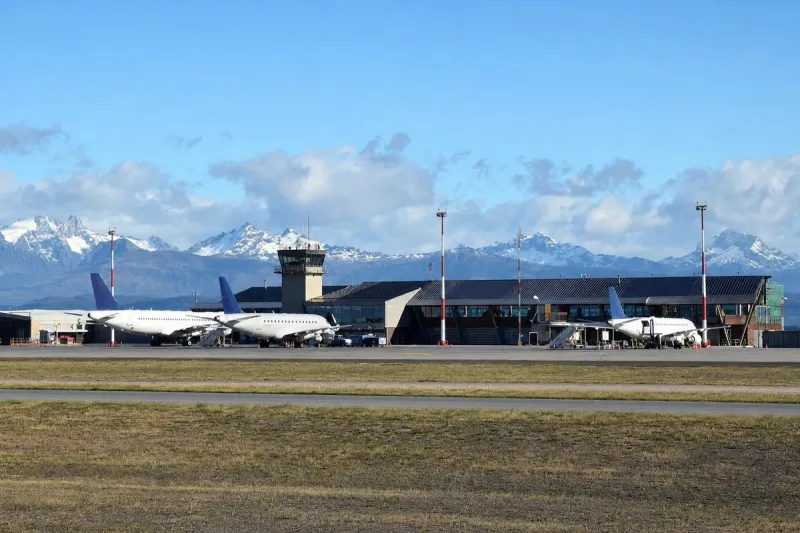
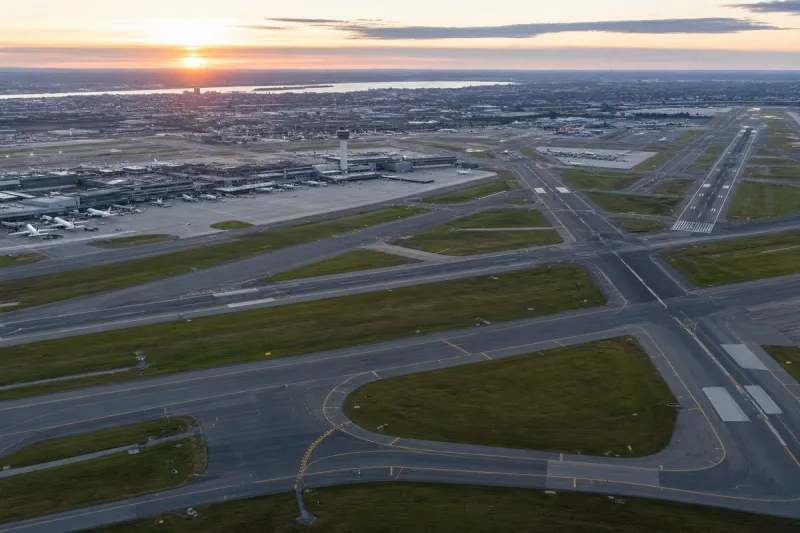
Affected airports include Ted Stevens Anchorage International Airport, Merrill Field, Lake Hood, Birchwood, Wasilla, Palmer, Big Lake and Girdwood, along with numerous lake-based aviation facilities. Within the inner 10-nautical-mile zone, most aircraft operations are prohibited. Exceptions cover approved law enforcement flights, military aircraft directly supporting presidential security, approved air ambulance flights, and qualifying regularly scheduled passenger and cargo carriers operating under specified Transportation Security Administration security programs.
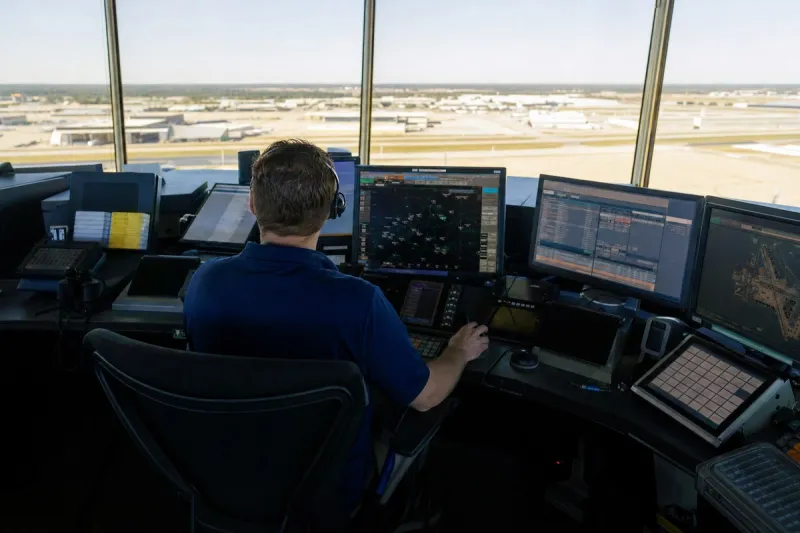
In the outer ring, between 10 and 30 nautical miles from the center, flights are generally limited to arrivals and departures at local airfields. Air traffic controllers may authorize transit flights as workload permits, but aircraft may not loiter. Pilots in the outer ring must have an active instrument flight plan or a filed visual flight rules flight plan, use an assigned discrete transponder code, and maintain two-way radio communications with air traffic control. The notice prohibits flight training, practice instrument approaches, sightseeing, maintenance test flights and seaplane operations.
Weather is expected to be snowy, with a front bringing up to nine inches of snow to Anchorage on Sunday. No notifications about official visits during Trump's time on the ground had been received.
Industry impact & what to watch
Presidential-movement TFRs of this kind work as a layered permission system rather than a blanket closure: a hard inner core, a conditional outer ring, and a short list of exempt categories. For operators based at the smaller fields and lake facilities inside the 30-nautical-mile boundary, the practical effect is a three-hour window in which local flying is either barred or tied to a filed flight plan, a discrete transponder code and continuous radio contact.
The exemptions show which traffic the system is designed to protect: air ambulance, qualifying scheduled passenger and cargo carriers under TSA security programs, and security-related government flights. Anything outside those categories, including training, sightseeing and maintenance test flights, absorbs the disruption.
The snow forecast for the preceding day adds a second constraint on schedules around the same window, and the stop itself is still described as expected rather than confirmed by an official itinerary.