Ibom Air Passengers Held 2.5 Hours in Air Over Abuja During VIP Movement, Prompting Calls to Cap Airspace Closures
Why It MattersOpen-ended airspace holds for VIP movements shift fuel, crew and schedule costs onto airlines, so Nigerian carriers absorb a recurring operating risk that advance-notified, time-limited controls elsewhere avoid.
What happened
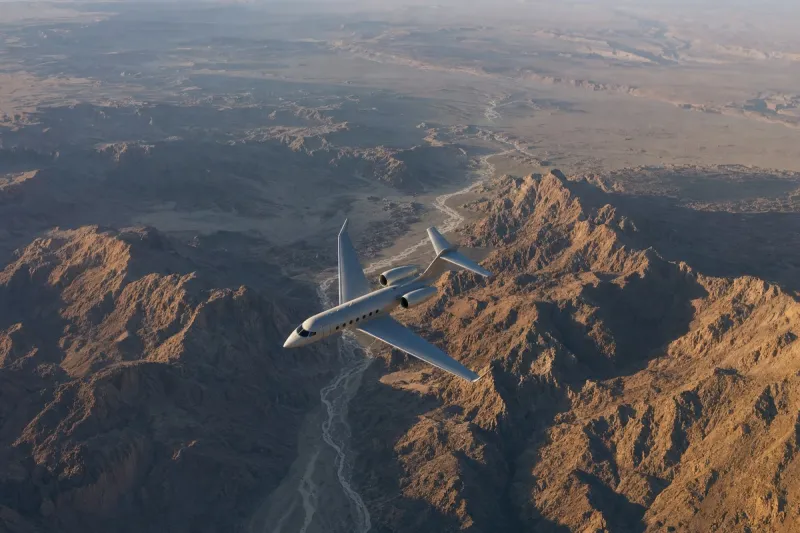
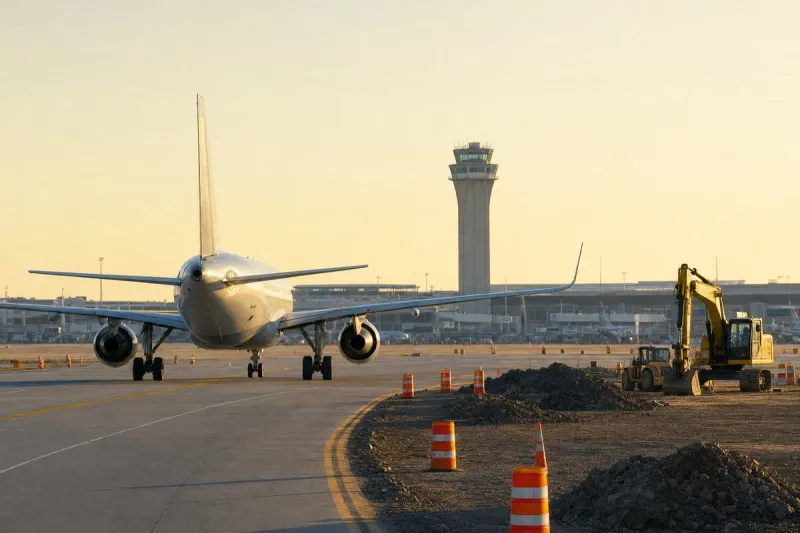
An Ibom Air flight from Lagos to Abuja on Monday, November 2, 2026, was scheduled for 3pm and left at about 4pm. Near Abuja airspace the pilot announced that landing was not permitted because of very important person (VIP) movement.
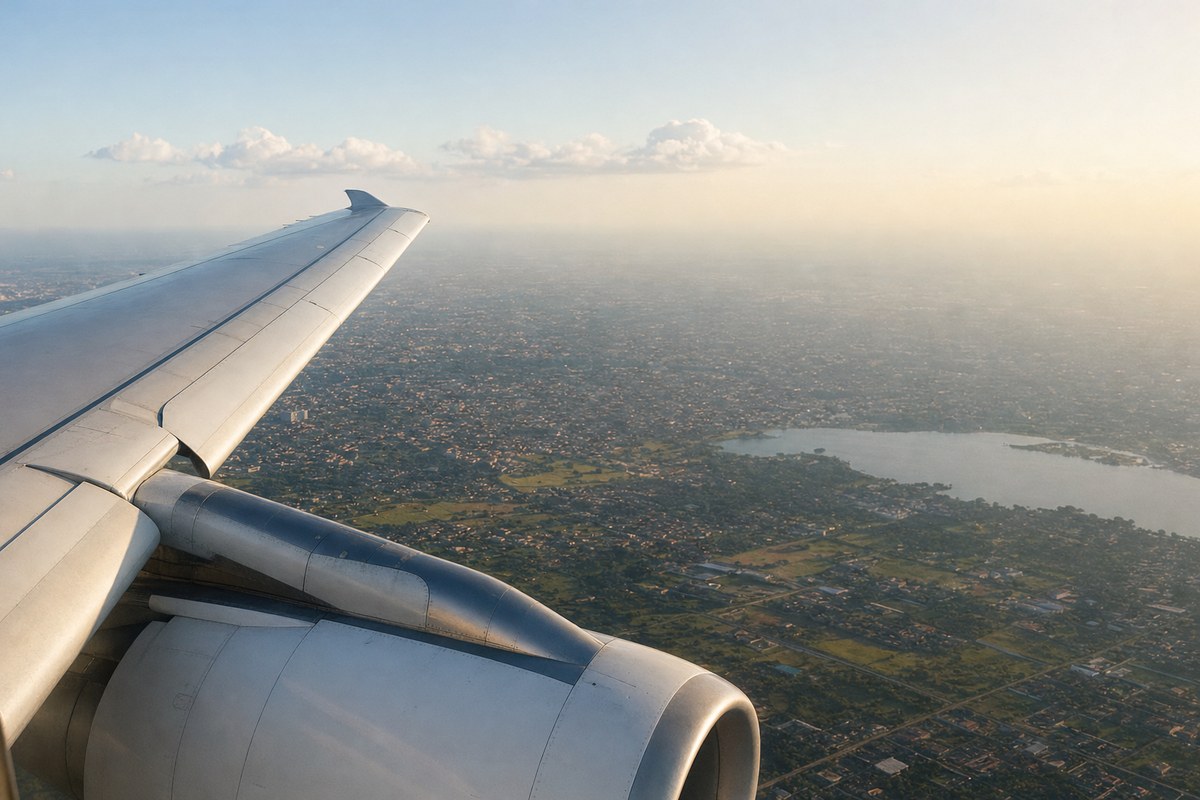
The aircraft then hovered for about an hour and a half more. The captain later said it had been cleared to land but was 16th in the queue. Passengers spent two and a half hours in the air on a journey of an hour or less. A crew member said such holds are usually for the President or Vice-President, and that flights may ret…
The commentary's author recalls earlier incidents. On February 1, 2005, an ADC Airline flight from Yola was held for three hours at Abuja; the pilot landed against the hold order when fuel ran low and was said to have been arrested. In 2006, a Parsa 208 aircraft landed on the Ewekoro/Abeokuta expressway in Ogun State while running out of fuel after about 30 minutes in the air, as Lagos airspace was closed for the presidential jet. On October 4, 2025, eight senators travelling to Jos for the funeral of Lydia Yilwatda, mother of APC national chairman Nentawe Yilwatda, were in…
The author also criticises reckless VIP road convoys. He cites a crash involving a vehicle in the entourage of Niger State Governor Mohammed Bago that killed four Federal University of Technology, Minna students and one other person, and a convoy said to have killed a young woman in Port Harcourt earlier in the year.
The cost argument
The author argues that VIP airspace controls abroad are brief and announced in advance, whereas Nigerian pilots are told to hold suddenly and for hours. He notes that Jet A1 costs not less than N2,500 a litre, and that airlines bear the costs of extended holding.
He notes that the Airline Operators of Nigeria (AON) has complained about disruptions and lost revenue. He also recounts a July 2005 KLM flight diverted to Accra after a cargo plane blocked the Lagos runway, with passengers accommodated at the airline's expense.
Industry impact & what to watch
Airspace closures for VIP movements are an operating cost that lands on the carrier. Holding burns fuel at a price the commentary puts at not less than N2,500 a litre, and it pushes aircraft and crews out of their rotations. When a hold has no announced end, a crew cannot plan reserves or alternates around it, and the cases the author cites show where that leads: a diversion decision made late, or a fuel emergency declared in the hold.
The author's proposed remedy is a cap of no more than 10 minutes of disruption per VIP movement, with advance notice to aviation stakeholders. That would turn an open-ended hold into a scheduled event that dispatchers can build into flight planning, which is how the controls he cites abroad are described as working. The proposal is one commentator's position, and the commentary reports no regulator or government response to it.
The AON's complaints about disruption and lost revenue are the industry-side counterpart to the demand. Any move on the cap would most visibly show up in published notice procedures for VIP movements and in the length of holds on busy Abuja arrivals.