RoyalJet Chairman Advisor Mohammed Husain Ahmed Targets Regional Leadership With Expanding Fleet and FBO Network
Why It MattersThe mix of a large standby-capable fleet, owned FBO infrastructure and city-to-city helicopter links shows how Gulf VIP operators compete on end-to-end control of the trip rather than on aircraft alone.
What happened
Mohammed Husain Ahmed, Chairman Advisor of Abu Dhabi-based private aviation company RoyalJet, said the company aims to become the leading private jet provider in the Gulf and the Middle East, and ultimately globally. He described its operations as flexible by nature: when a passenger changes destination mid-journey, for example switching from Athens to Paris while already en route, the operations team can file a new flight plan, arrange chauffeurs and book hotels. Ahmed said the team has been doing this work for 22 years.

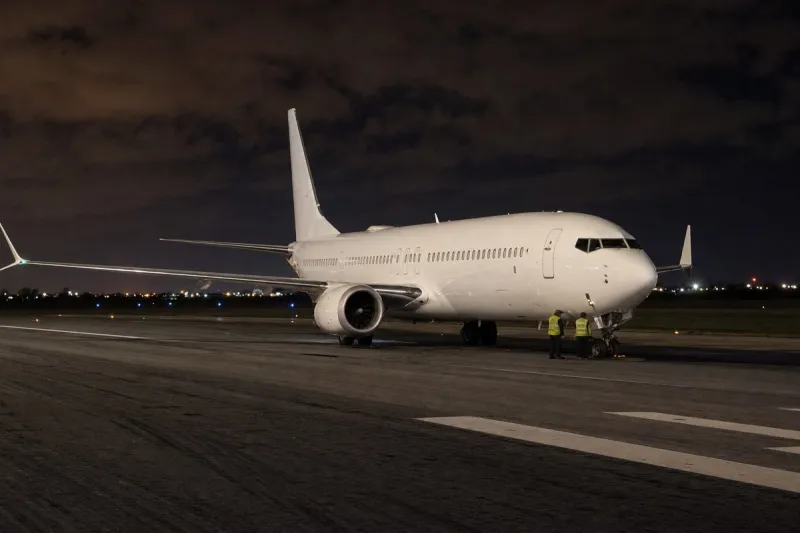
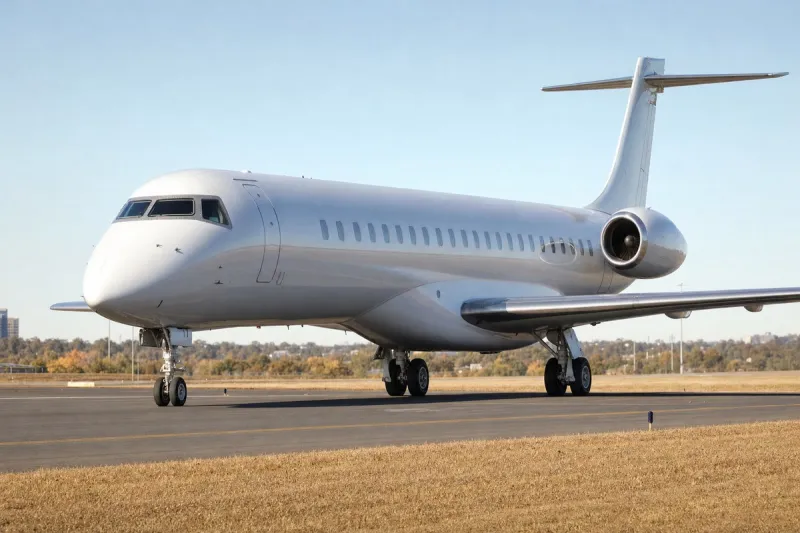
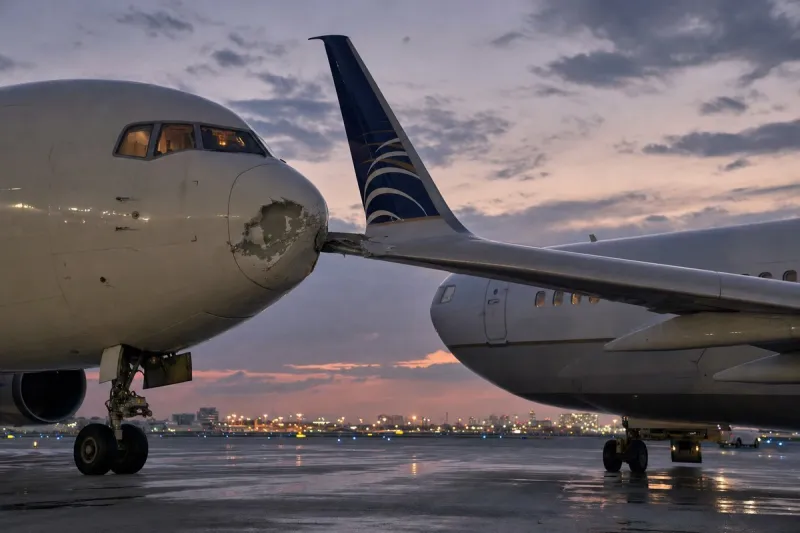
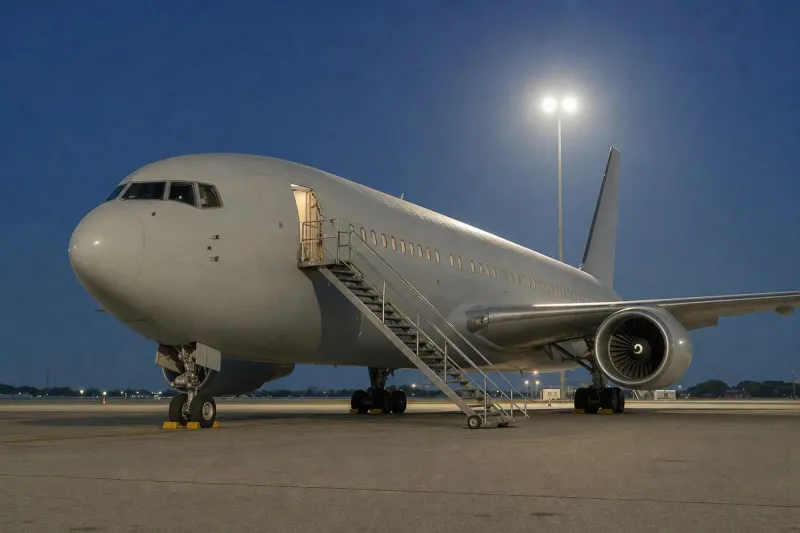
RoyalJet operates 10 Boeing Business Jets, which can be configured to client needs, alongside two Bombardier Global 5000/6000 aircraft. Ahmed described the BBJ fleet as by far the largest in the world and said it can fly more than 450 VIP passengers a day. Onboard amenities include a bedroom and shower, and Starlink wi-fi is being rolled out across the fleet. Because of the fleet's size, a second aircraft is always on standby if a plane has an issue before departure.
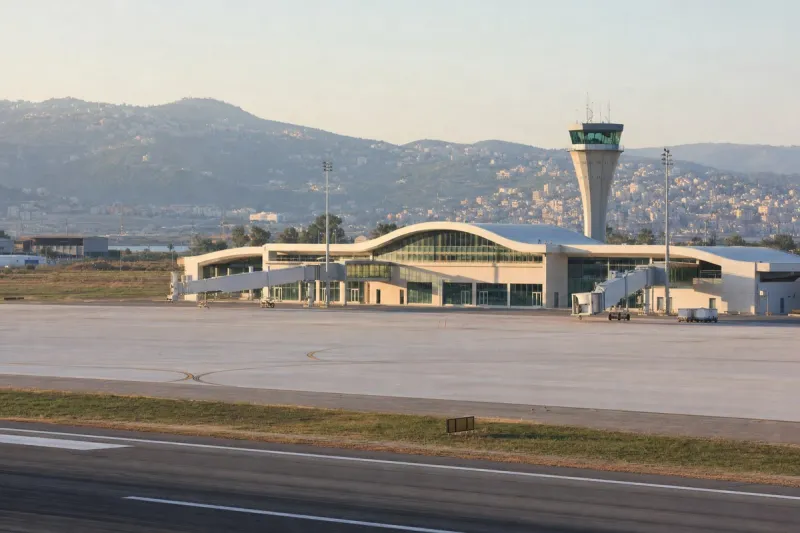
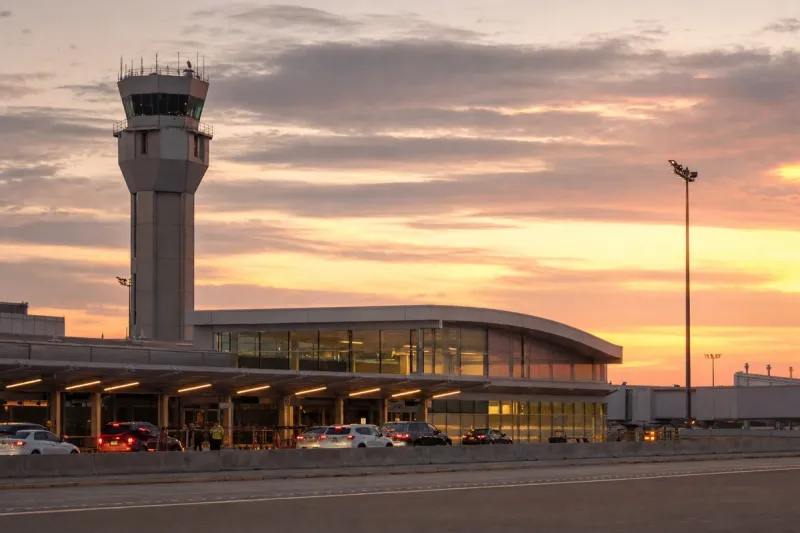
The company has eight Airbus ACJ320neo business jets on order. The first has been delivered, with the others to follow between now and 2027. RoyalJet is also investing in fixed-base operators: it currently has an FBO at Zayed International Airport in Abu Dhabi, with Morocco, London and Egypt next. Working with its partner network, it also plans helicopter transfers between cities, starting in the United Arab Emirates and extending to countries including the United Kingdom, Morocco and Switzerland.
RoyalJet also provides concierge assistance to clients worldwide, including people who did not fly with the company. Ahmed gave the example of booking theater tickets for a client on holiday in the United States; the client reimburses the cost because the company does not seek a profit on such services.
Ahmed said the company kept operating during the recent Middle East crisis, when planes were grounded across the region. Once the situation stabilized, the team worked with aviation authorities to identify the right flight path and comply with all protocols, using new technologies such as AI and experience from the COVID-19 pandemic. He said RoyalJet's flights increased in 2020 and 2021 compared with 2019. The company maintains a 10-year risk management plan, and Ahmed stressed that safety must be prioritized and that keeping up with new regulations and communicating them to the team is essential.
Industry impact & what to watch
Gulf VIP operators of this kind sell continuity as much as lift. A fleet large enough to hold a spare aircraft against a pre-departure fault, a ground-handling presence at the departure airport, and a team that can re-plan a trip in flight all attack the same client concern: that a schedule change or a technical fault becomes the passenger's problem. Adding FBOs and helicopter links extends that logic from the cabin to the kerb, which is where charter and private-jet customers most often feel friction.
The network plan also shows how fixed-base investment tends to follow a company's own flying pattern. Placing FBOs in Abu Dhabi first and then in Morocco, London and Egypt ties ground infrastructure to destinations the fleet already serves, rather than to a standalone ground-handling business. Whether those sites open on the stated sequence is the practical test of the expansion.
The nearest dated markers are the remaining seven ACJ320neo deliveries running through 2027 and the extension of helicopter transfers beyond the UAE. How quickly those two land will indicate how much of the stated ambition becomes operating capacity.