VSE Corporation Acquires Turbine Hot-Section Repair Specialist Atech Turbine Components
Why It MattersThe deal shows how engine-aftermarket value concentrates in OEM-approved, sole-source component repairs, which let a repair shop sit inside the engine maker's approved supply chain and lets buyers add capability by acquisition.
What happened
VSE Corporation (NASDAQ: VSEC, VSECU), a provider of aviation aftermarket distribution and repair services, has acquired Atech Turbine Components, Inc. Atech is a specialized maintenance, repair and overhaul provider focused on complex hot-section components for aircraft turbine engines. Founded in 1990, it is headquartered in Auburn, Massachusetts, and primarily supports Pratt & Whitney Canada engine platforms.
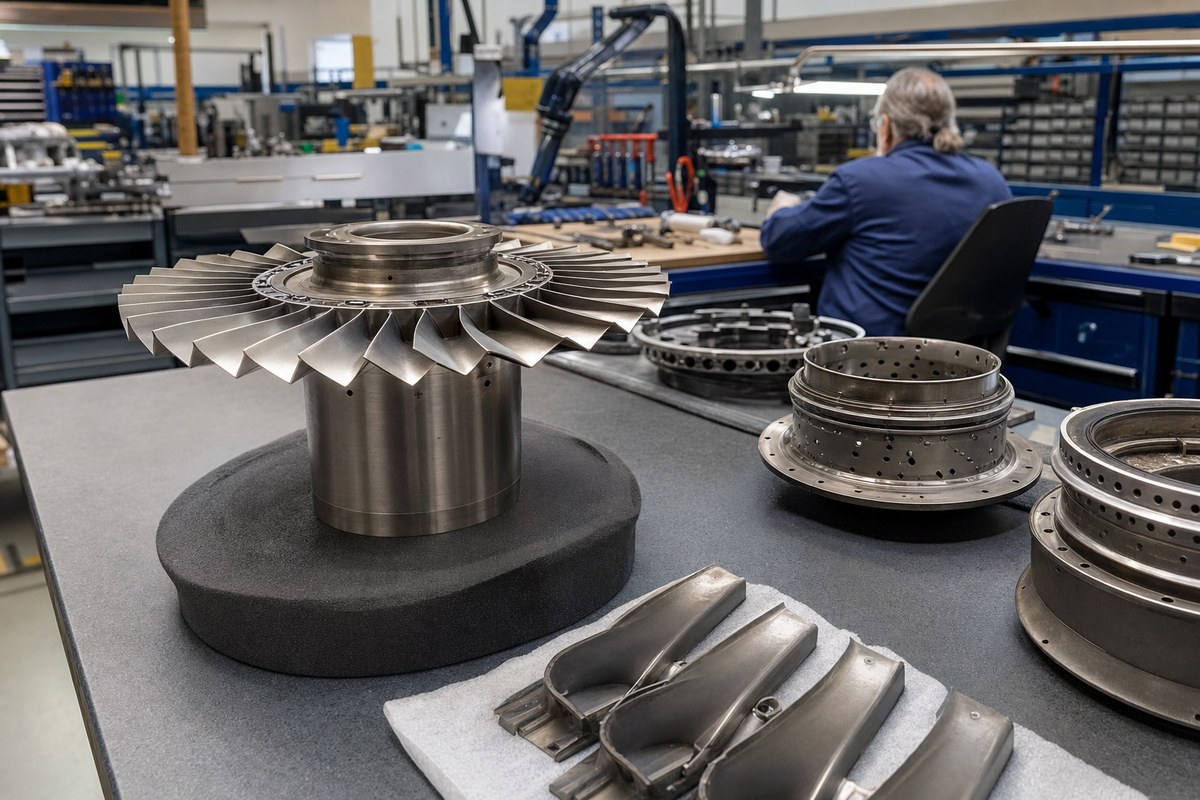
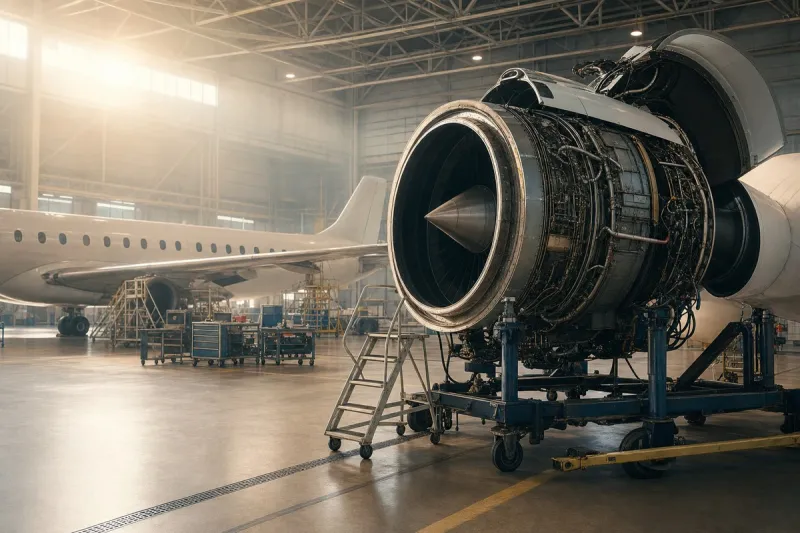
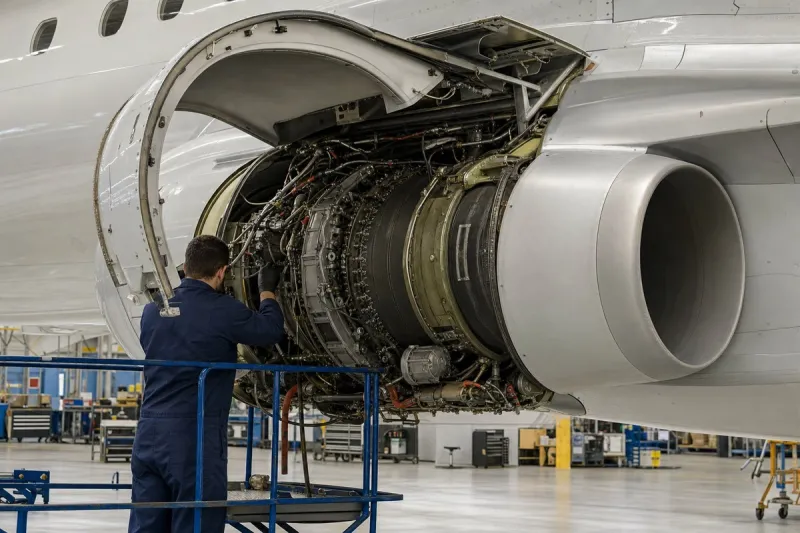
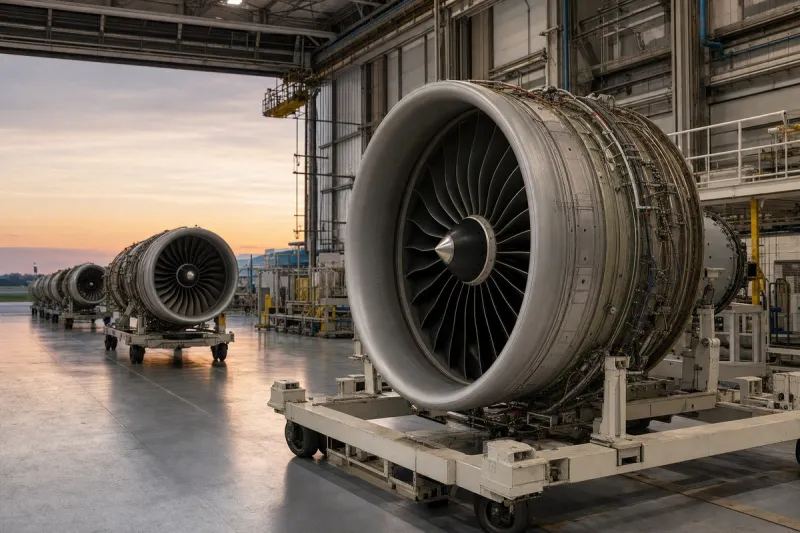
Atech's proprietary OEM repair approvals cover more than 300 part numbers. The company is the sole-source provider for many flight-critical repairs across the PT6, JT15D, PW100, PW150, PW200, PW300 and PW500 engine families, as well as the PW901 auxiliary power unit. Its OEM-approved repairs cover combustion liners, exhaust ducts, turbine shroud housings, structural engine components and other hot-section parts. The work supports business and general aviation, regional commercial, rotorcraft, military and special-mission applications.
John Cuomo, President and Chief Executive Officer of VSE Corporation, called the deal another step in expanding VSE Aviation's engine aftermarket capabilities, citing Atech's portfolio of proprietary repairs and its relationship with Pratt & Whitney Canada. Rita Kapur, President of Atech Turbine Components, said the partnership with VSE Aviation will provide greater resources to expand the company's specialized repair portfolio and deepen customer relationships. Philpott Ball & Werner, LLC served as Atech's exclusive financial advisor.
Industry impact & what to watch
Hot-section work is among the more technically demanding parts of turbine engine maintenance, and the repairs that matter most are those an engine manufacturer has formally approved. A shop holding OEM approvals on hundreds of part numbers, and acting as sole-source provider on many of them, occupies a position that new entrants cannot easily copy. Acquiring such a shop is therefore a faster route to engine-aftermarket capability than building one.
The engine families involved are the PT6, JT15D and PW series, which power much of the turboprop, light-jet, regional and rotorcraft fleet. Aftermarket economics in these fleets depend on repair availability and turnaround for exactly the parts Atech handles: liners, ducts and shroud housings that wear on a predictable cycle. For operators and maintenance planners, sole-source status means few alternative repair routes exist for those items, so a change in ownership matters mostly through capacity and service levels.
The next signal will come from how VSE Aviation folds Atech's repair portfolio into its wider engine aftermarket offering, and whether the added resources Kapur described translate into new approved repairs. Pratt & Whitney Canada's relationship with the combined business is the other variable that carries weight.