Minnesota Has 350 Turboprops and Business Jets, With 60% Based at Four Twin Cities Airports
Why It MattersHeavy concentration at a few Twin Cities fields, a Citation-led mix of older and newer airframes, and a small for-sale share suggest a stable, direct-ownership market anchored by local demand.
What happened
Minnesota's in-state business aviation fleet totals 350 turboprops and business jets, according to a Holstein Aviation market breakdown. The average manufacture year is 2005, with a median of about 2008. About 33 percent of the fleet (114 aircraft) was built in 2015 or later, 67 aircraft (19 percent) date to 2020 or newer, and 77 aircraft (22 percent) were built before 1990. Airframes range from 1967 to 2026 deliveries. Ownership is overwhelmingly direct: 338 aircraft (96.6 percent) are wholly owned and 12 (3.4 percent) are shared.

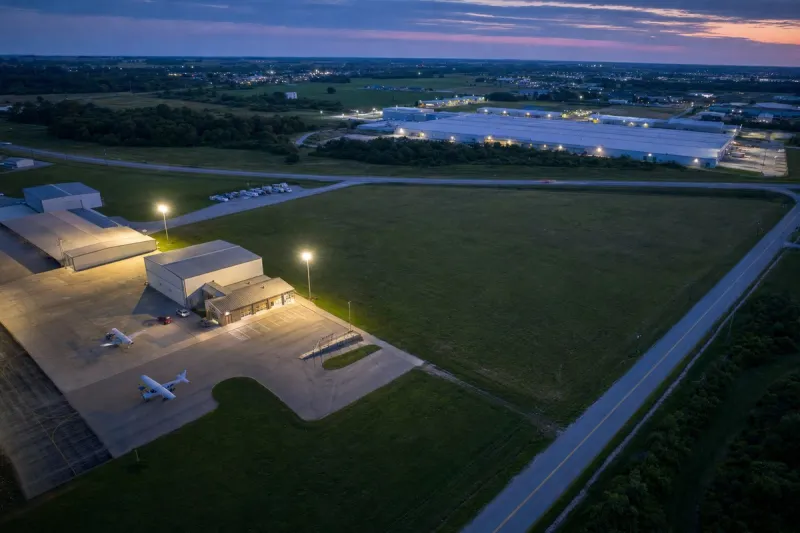
The fleet is based at 49 airports. Of the 336 aircraft with a recorded base, the leading fields are Flying Cloud Airport (84), St. Paul Downtown Airport (63), Anoka County-Blaine Airport (33), Duluth International Airport (21) and St. Paul International Airport (20). Flying Cloud alone holds 25 percent of aircraft with a recorded base, and the four main Twin Cities fields together hold 200 aircraft, about 60 percent. The top ten fields hold roughly 78 percent.
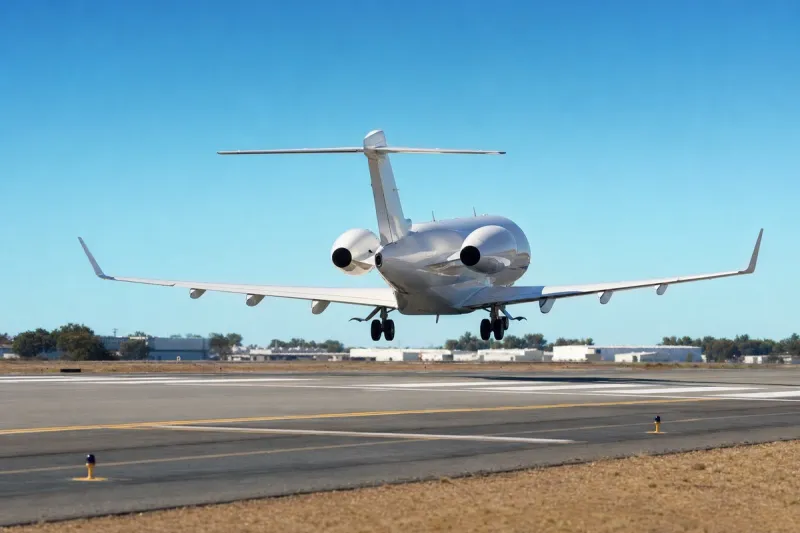
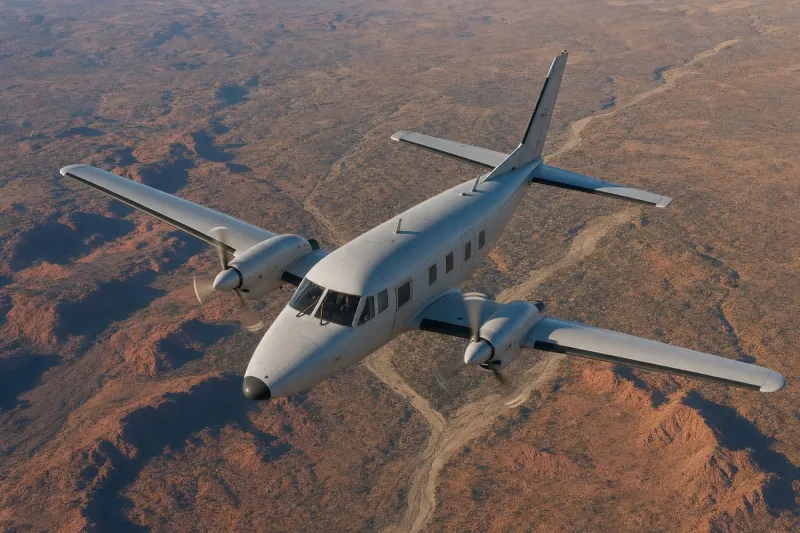
By manufacturer, Citation leads with 73 aircraft, followed by Falcon (40), King Air (39), Gulfstream (30), Cirrus (25), Pilatus (24) and Socata (21). The most common models include the Cirrus Vision SF50 G2+ (13), Pilatus PC-12 NG (13), Piper Meridian (11), Falcon 10 (10) and Gulfstream G280 (9). The Citation family makes up about 21 percent of the fleet, Falcons and King Airs about 11 percent each, and Gulfstreams about 9 percent. In all, 125 distinct models appear.
Eighteen aircraft, about 5 percent of the fleet, are listed for sale; ten carry a published asking price and eight are listed as inquire. Cirrus leads the listings with five Vision Jets. Published asking prices run from $705k for a 1977 Citation I/SP to $3,349k for a 2023 Cirrus Vision SF50 G2+. Flying Cloud has the most listings (5), followed by Duluth (3).
About 250 distinct operators appear across the fleet. The largest include Club Jet (18 aircraft), Aviation Charter, Inc. (11), Cirrus Design Corp. (11), MidWest Aero Club, LLC (8) and Midwest Aviation (8). Target Corporation and the State of Minnesota Department of Transportation operate four aircraft each, and Polaris Industries and Life Time three each. By usage, 267 aircraft (76 percent) fly business missions and 48 (14 percent) fly charter. Aircraft with recorded flight-hour data average about 5,000 total hours, with a median of about 3,750.
Industry impact & what to watch
A fleet this concentrated behaves like a handful of local markets rather than one statewide one. With 200 of 336 based aircraft sitting at four Twin Cities fields, demand for hangar space, fueling, maintenance and handling clusters at those airports, while fields such as Duluth serve a much smaller base.
The age profile points to a mixed market. A median build year of about 2008 alongside 114 aircraft built in 2015 or later means older Citations and Falcons coexist with newer Cirrus and Pilatus single-engine turbine types, and the 18 listings, about 5 percent of the fleet, show only a thin slice actively on the market at any moment.
Ownership and usage reinforce that picture: 96.6 percent of aircraft are wholly owned and 76 percent fly business missions, so the segment runs mainly on direct ownership and corporate or owner-operated flying, with charter at 14 percent a smaller layer. Whether the for-sale share moves, and where listings cluster beyond Flying Cloud and Duluth, would be the next visible shift in this data.