Hop-A-Jet Adds 2016 Challenger 650 to Part 135 Charter Certificate
Why It MattersCharter operators expanding large-cabin fleets with aircraft carrying CF34 engines now do so while a pending airworthiness proposal could change the cost and availability of that engine family.
What happened
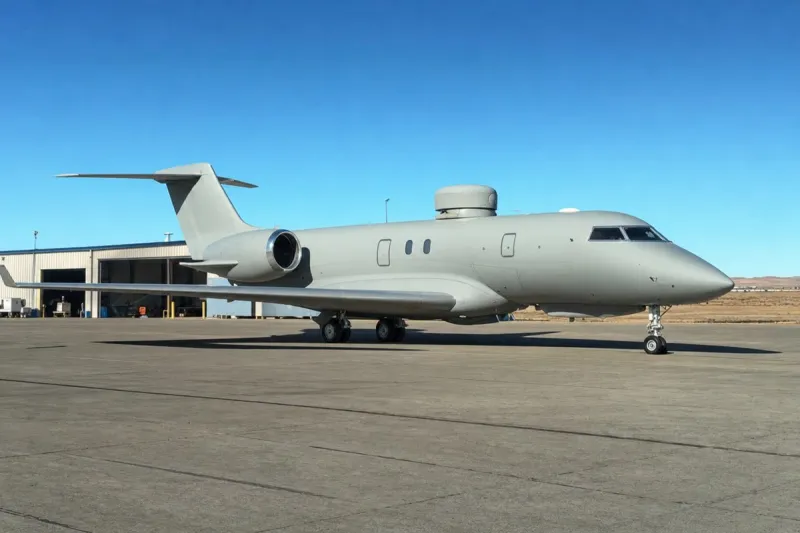
Hop-A-Jet Worldwide Jet Charter has added a 2016 Bombardier Challenger 650 to its charter fleet. The aircraft completed its first flight under Hop-A-Jet's FAA Part 135 certificate on 6 November, officially beginning charter operations.

The Challenger 650 has a range of approximately 4,000 nm and a cabin nearly eight feet wide. It offers flexible seating for up to 11 and features high-speed wi-fi, an entertainment system, a full galley and an enclosed lavatory. It joins Hop-A-Jet's existing lineup of Bombardier Challenger and Learjet aircraft, adding a large-cabin option for charter brokers and private clients, and is particularly suited to transcontinental routes and select international destinations.
Barry Ellis, president and CEO of Hop-A-Jet Worldwide, said the addition reflects the company's continued growth and strong position in the private aviation market as it marks its 50th anniversary. Founded in 1976 and based at Fort Lauderdale Executive airport, Hop-A-Jet provides on-demand charter, aircraft management and maintenance services.
The Challenger 650 carries the CF34-3B engine model that is at the centre of Hop-A-Jet's ongoing litigation. A Challenger 604 operated by the company suffered a dual-engine failure on 9 February 2024 near Naples Municipal airport, killing both pilots. The FAA published a notice of proposed rulemaking on 30 April 2026 proposing a new airworthiness directive covering some CF34-1A, -3A, -3A1, -3A2 and -3B engines, with a comment deadline of 15 June 2026; the proposed corrective actions include engine retirement.
Industry impact & what to watch
For a charter operator, a large-cabin aircraft with transcontinental range is a revenue-driving addition, particularly when brokers are searching for lift on longer routes. Adding it under an existing Part 135 certificate means the aircraft can enter service without a new operating authority, which is how established operators typically grow capacity quickly.
The engine question is what makes this addition unusual. The CF34-3B is the same model named in the company's litigation and sits within the engine family covered by the FAA's proposed airworthiness directive. A proposal that includes engine retirement as a corrective action is a different order of consequence from an inspection requirement, because it bears directly on how long an airframe can stay in service and what it costs to keep flying.
The item that settles the picture is the final form of the airworthiness directive: which engine variants it covers, and whether retirement remains among the required actions. Brokers and clients booking this type can reasonably ask the operator how the aircraft's specific engines relate to that rule once it is issued.