Static vs. Rolling Takeoffs: Neither Is Universally Better, and Both Require Engine Stabilization, Airbus and FAA Guidance Show
Why It MattersTakeoff technique is governed by approved aircraft procedures and performance data, not crew preference, so safety rests on a disciplined thrust-setting sequence rather than on picking a supposedly superior method.
What happened
A static takeoff and a rolling takeoff differ in when the aircraft begins moving relative to the initial engine power setting. In a static takeoff, the aircraft stays stationary on the runway while the crew applies an initial power setting and the engines stabilize; the crew then advances the thrust levers to the takeoff setting and begins the roll. In a rolling takeoff, the aircraft starts moving while an intermediate power setting is applied, and the engines are still given time to stabilize before the crew advances to takeoff thrust.
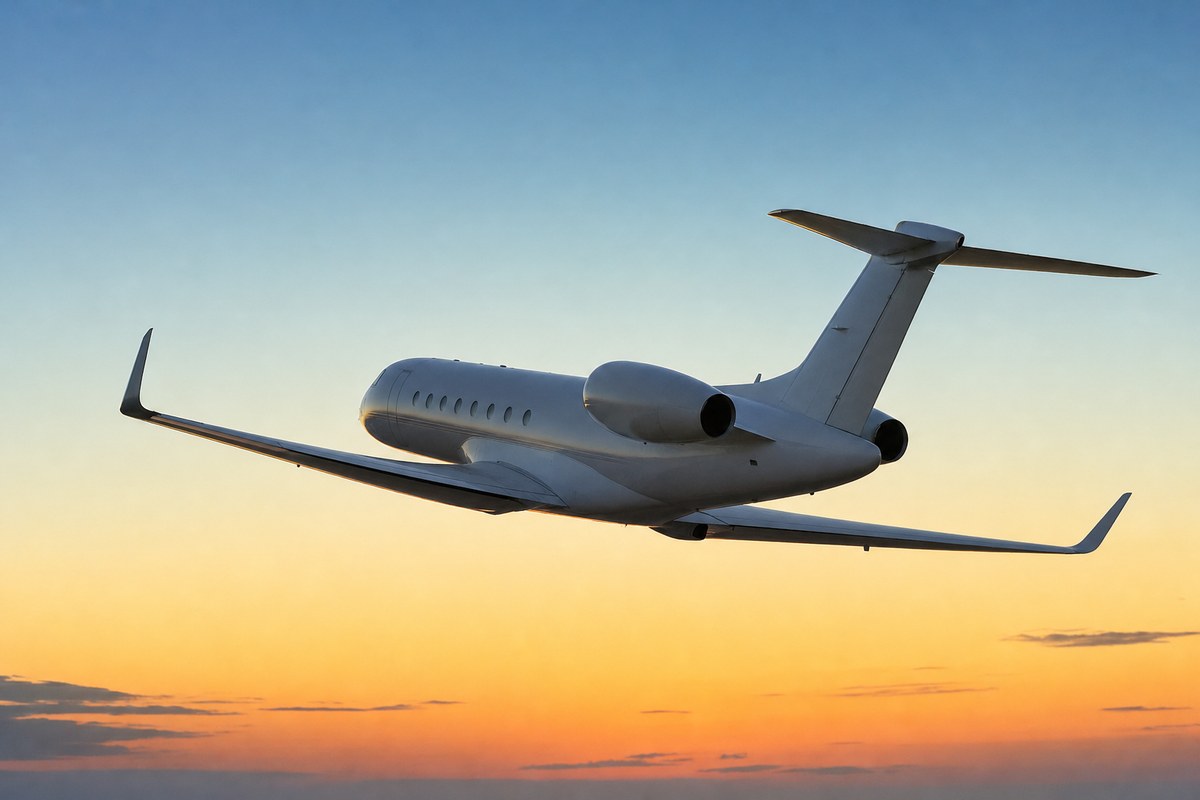
Which technique is used depends on aircraft type, engine characteristics, runway length and surface condition, wind direction and aircraft weight. Pilots must follow the aircraft flight manual, manufacturer guidance and airline standard operating procedures. Airbus states that significant crosswind or tailwind can disturb airflow around the engine inlet, and its guidance describes a progressive increase in thrust after the stabilization step to help the aircraft accelerate and limit those effects.
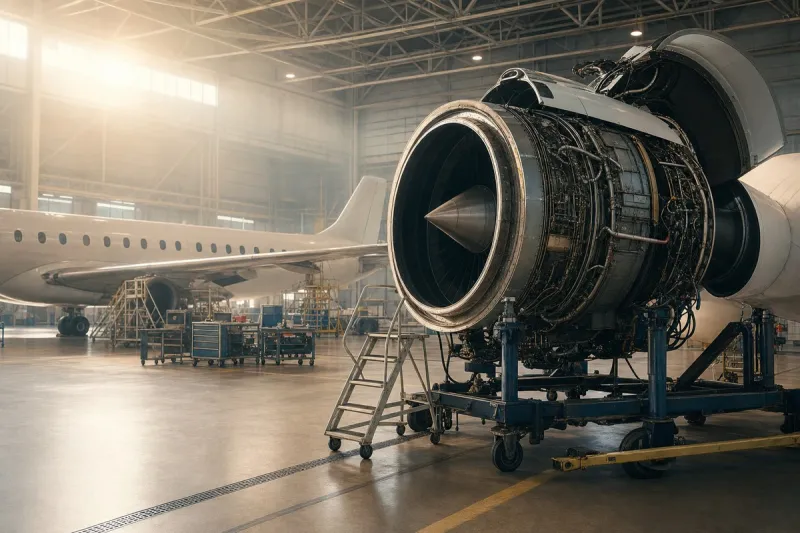
Airbus's Engine Thrust Management – Thrust Setting at Takeoff explains that engines must reach the required stabilization point before pilots advance to takeoff thrust. Engines on the same aircraft can accelerate at slightly different rates, so applying takeoff thrust directly from idle may cause one engine to accelerate faster than the other, producing asymmetric thrust that makes directional control harder at low speed. Airbus also clarifies that stabilization remains necessary during rolling takeoffs. The Federal Aviation Administration's Airplane Flying Handbook likewise describes a stabilization step before takeoff thrust is set.
Performance and the A320 event
Neither technique automatically shortens takeoff distance or guarantees a safer departure. Distance to reach takeoff speed depends on the aircraft's performance and conditions on the day, and crews must use approved performance calculations that account for weight, temperature, pressure altitude, wind and runway condition. A rolling takeoff requires sufficient runway to accelerate through the prescribed sequence.
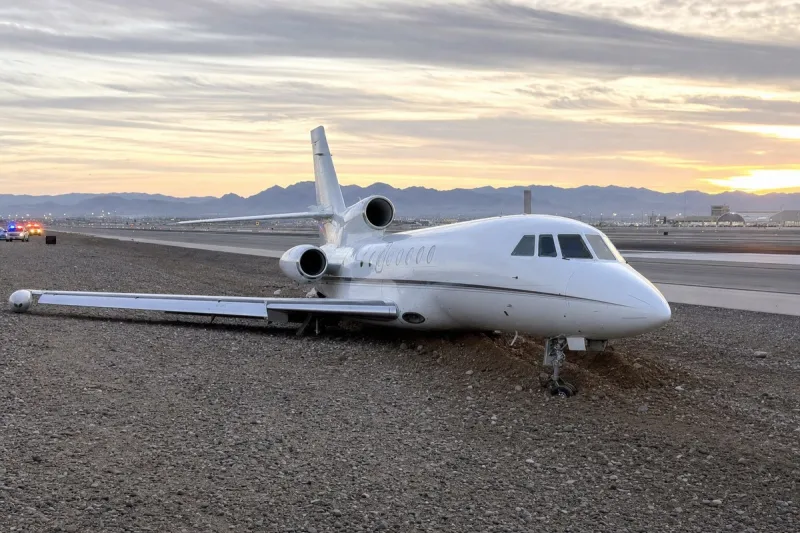
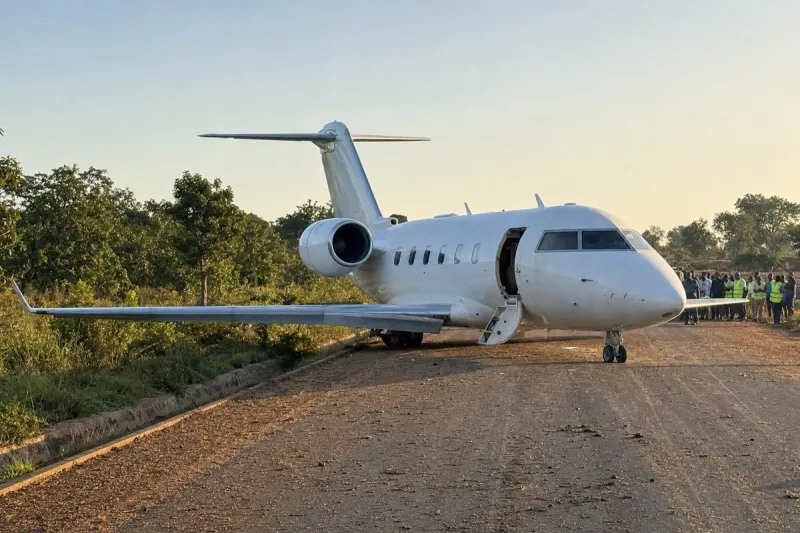
Airbus documented an A320 event in which differences in the engines' initial operating speeds and subsequent acceleration rates contributed to a loss of directional control during a static takeoff. The aircraft veered off the runway at a relatively low groundspeed.
Separately, a 2019 United Technologies patent, Takeoff Power Management System and Method for Gas Turbine Engines, describes a proposed system that could choose between static and rolling procedures using operating information including ground wind. The patent does not confirm widespread airline implementation.
Industry impact & what to watch
The case illustrates how takeoff operations are governed in commercial aviation: the method is fixed by the manufacturer's approved procedures and the day's performance calculations, not by a general rule that one technique outperforms the other. The shared requirement is the stabilization step, which exists because engines on one aircraft do not accelerate identically. The practical safety variable is therefore the correct thrust-setting sequence and sustained directional control, not the label attached to the technique.
For operators and training departments, this puts the weight on procedural discipline and on keeping standard operating procedures aligned with manufacturer guidance for each type. A technique that suits one engine and runway combination can be the wrong choice on another, which is why the same crew may legitimately use different methods on different days.
The patent is the one forward-looking element in the picture. It describes a system that could select between static and rolling procedures automatically from operating data such as ground wind, but it remains a proposal, and any move from concept to fleet use would show up first in manufacturer guidance and airline procedures.