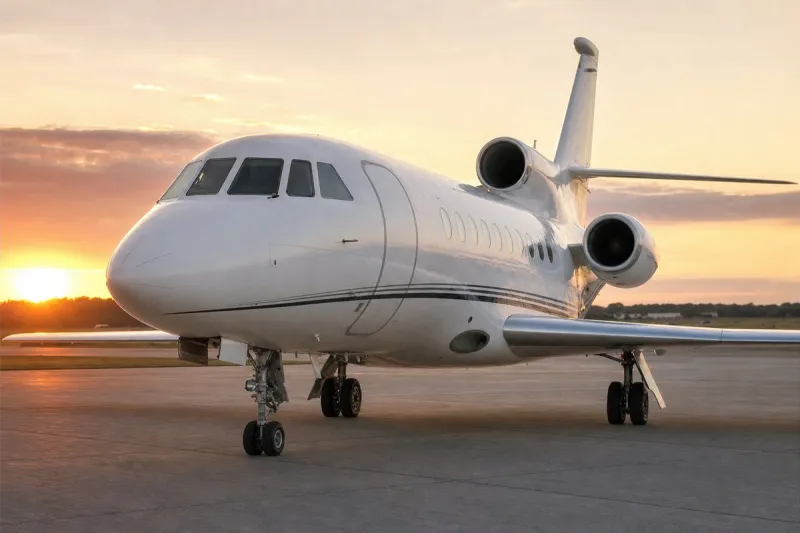
Punta Cana Airport Halts Flights for Hours After Arajet 737 MAX Tire Failure on Only Open Runway
Why It MattersA single disabled aircraft shut an international leisure gateway because its second runway was already closed, showing how thin runway redundancy turns one routine failure into a multi-airline, multi-hour network disruption.
What happened
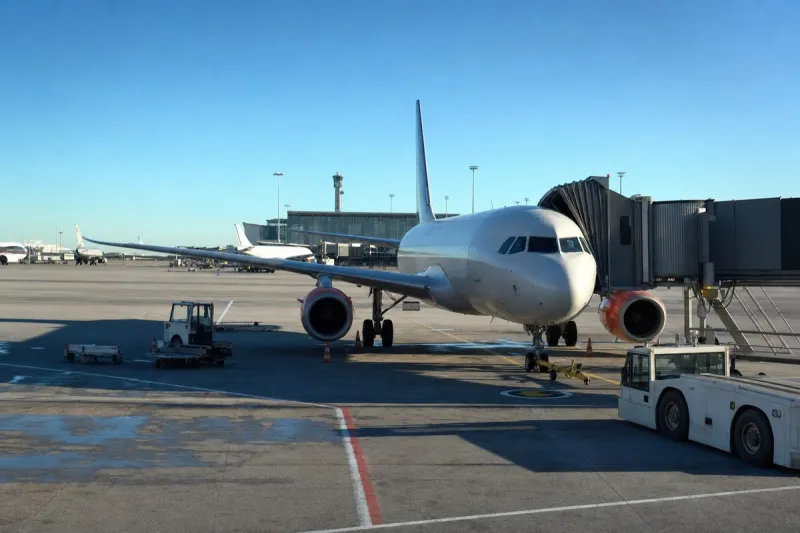
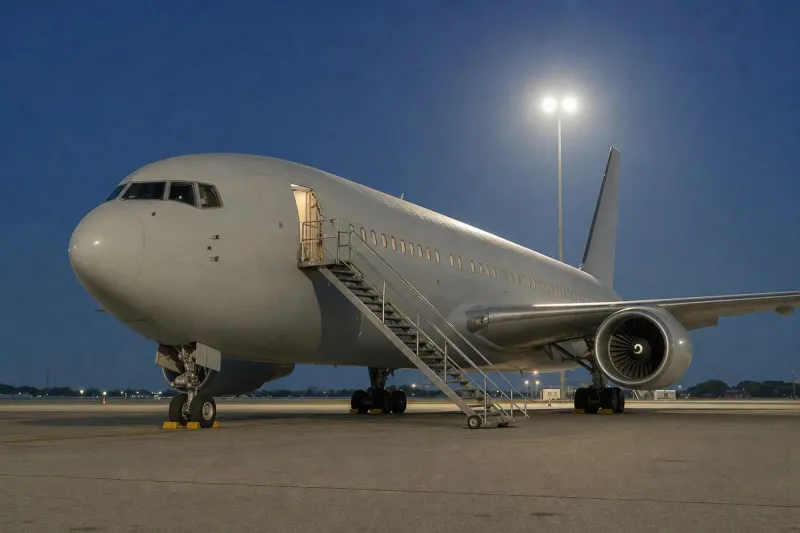
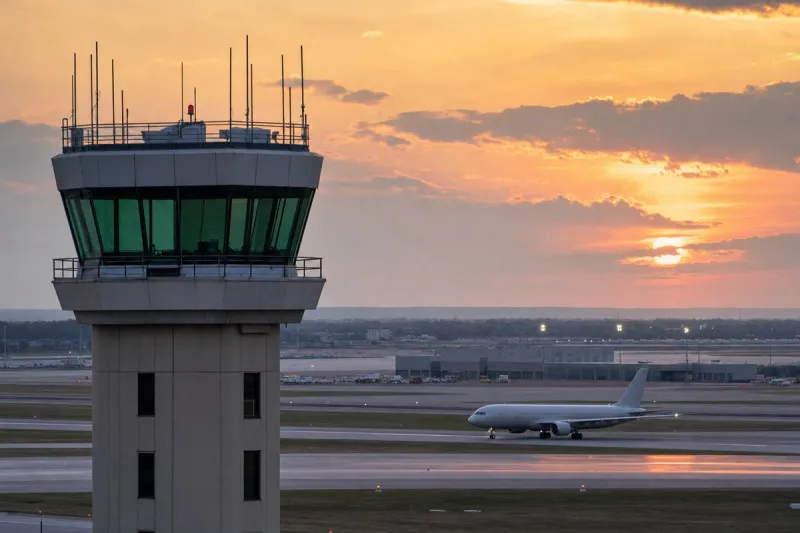
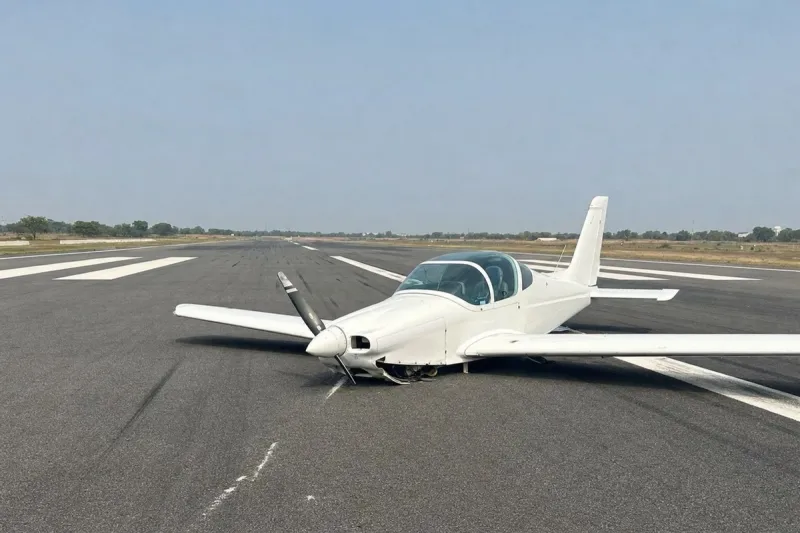
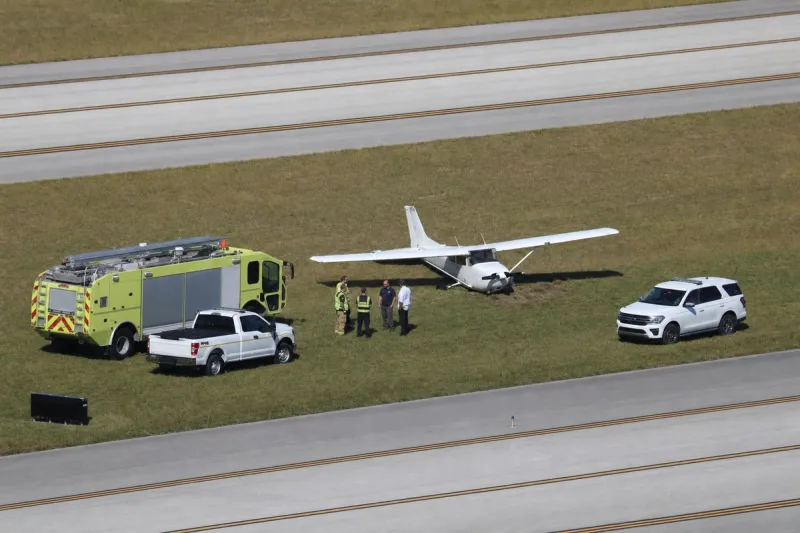
Punta Cana International Airport suspended all flights for several hours on the night of Thursday, Nov. 12, 2026, after an Arajet Boeing 737 MAX operating flight DM5101 from Miami suffered a tire failure on landing and stopped on the runway. The airport had only one of its two runways available, because the second is out of service for repairs.
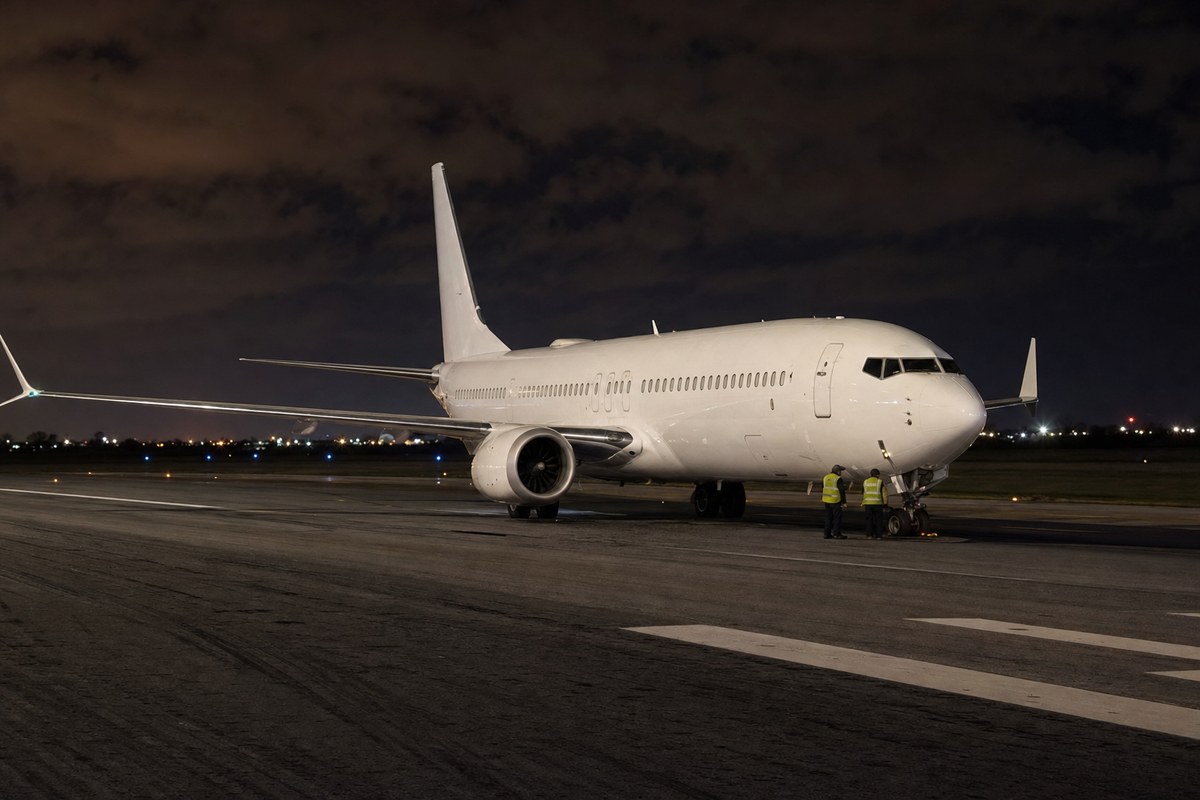
Arajet said the aircraft landed safely and that all passengers and crew were unharmed. The airline told Argentina's Los Andes newspaper that flights were halted for about six hours. The aircraft will undergo technical inspections before returning to service.
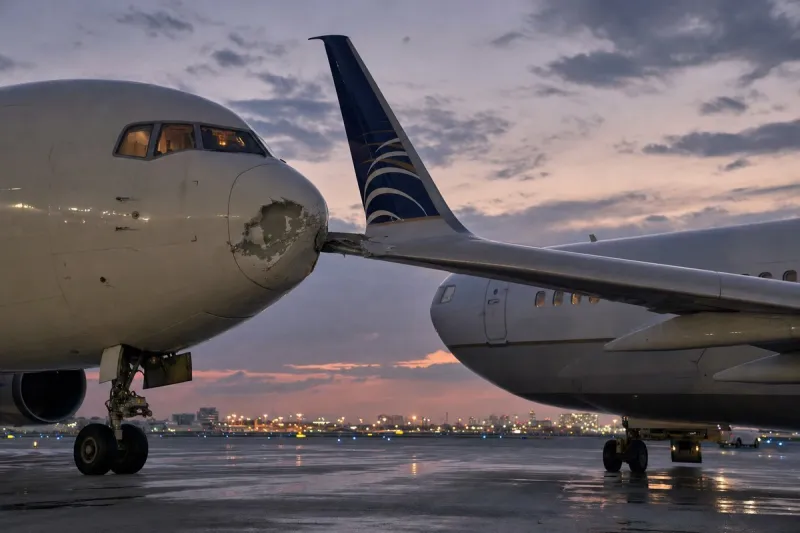
The Dominican Civil Aviation Institute (IDAC), in coordination with airport executives, ordered flights approaching Punta Cana to be diverted. At least 10 commercial flights were sent to Las Américas International Airport (AILA) in Santo Domingo, including JetBlue 2895, LATAM 2460, Copa Airlines 352, United Airlines 2055 and Avianca 136, plus five Arajet flights (1733, 1003, 1501, 7601 and 6081). Passengers who landed at AILA were taken by bus that night to Punta Cana and other eastern provinces.
Alberto Smith, the airport's director of operations, said international arrivals and departures resumed at 11 p.m. Thursday after the aircraft was removed from the runway and safety conditions were secured, and that teams were rebooking flights that could not operate during the closure. Airport security, civil aviation and emergency personnel coordinated the response. The airport was operating normally by Friday, Nov. 13.
Industry impact & what to watch
The closure did not come from the severity of the event. The aircraft landed safely and nobody was hurt. It came from geometry: with one runway in service, a stationary aircraft removes the airport's entire arrival and departure capacity until it is towed clear. Airports running on a single runway during rehabilitation work carry that exposure for the length of the project, and any ordinary event, such as a burst tire, a bird-strike inspection or a disabled aircraft, can have the same effect.
The knock-on effects landed on carriers with no connection to the original aircraft. JetBlue, LATAM, Copa, United and Avianca flights all went to Santo Domingo alongside five of Arajet's own, so the cost of the closure was spread across the airlines serving a leisure gateway, along with the ground transport, rebooking and crew-hour problems that follow a diversion. Diversion to the nearest alternate with bus transfer onward is the standard recovery pattern for a destination airport with no second field close enough to absorb traffic directly.
The open point is the second runway. No reopening date or description of the work on it has been published, so airlines, handlers and dispatchers planning Punta Cana operations have no public date after which this exposure ends. The next statement from the airport or IDAC on the repair timetable would be the one that matters most.