US Airlines Return to 'Largely Normal' Schedules Three Days After Nationwide Ground Stop
Why It MattersA single nationwide ground stop pushed days of cancellations through four major networks at once, showing that recovery depends on repositioning aircraft and crews, not just reopening airspace.
What happened
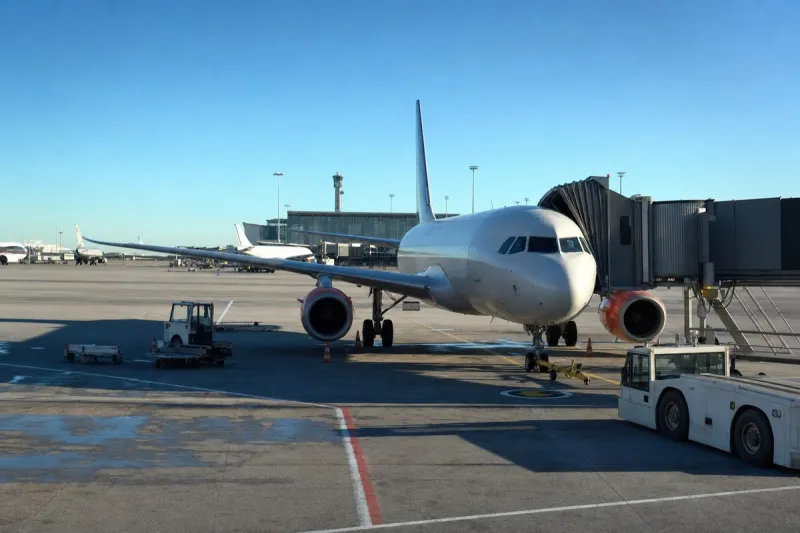
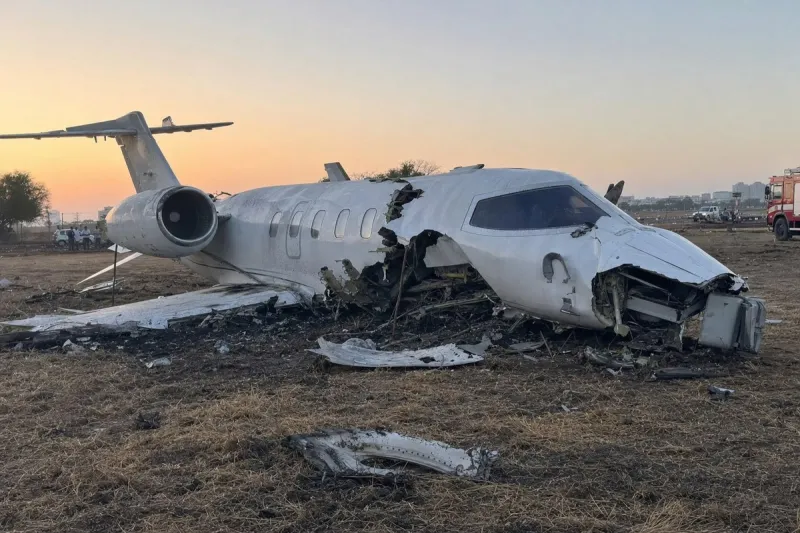
US airlines showed signs of recovery on Monday, November 16, three days after the FAA issued a rare nationwide ground stop on Friday. The four-hour stop was the longest in the United States since the September 11, 2001 attacks. Delays and cancellations on Monday were far below the levels seen on Friday, Saturday and Sunday.
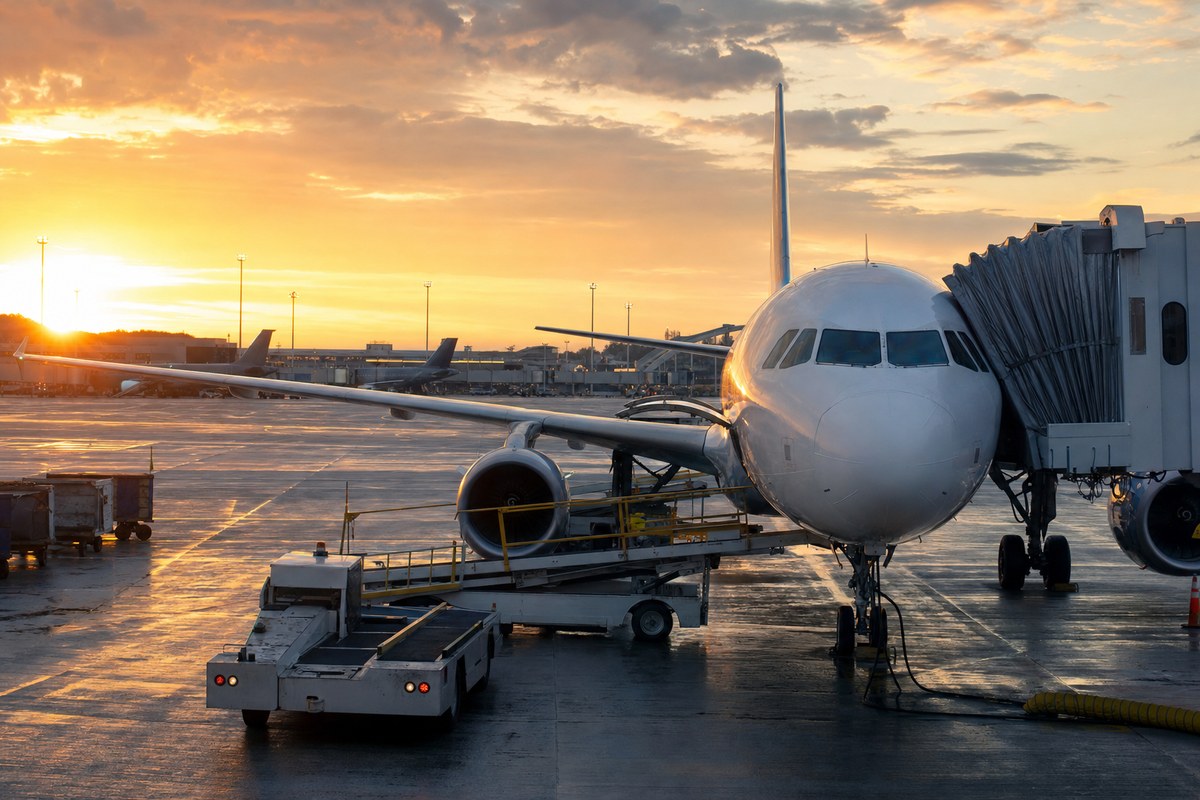
More than 17,000 US flights had been canceled by Sunday. According to FlightAware, American, Delta, Southwest and United each canceled more than 1,000 flights on Friday, equal to 26 to 34% of their schedules that day. American, Delta and United each had more than 800 delays that day, while Southwest's Friday delays topped 1,300 (30%).
Saturday was American's worst day, with 1,428 cancellations (42%) and 1,062 delays (31%); Delta, Southwest and United each recorded more than 1,000 delays that day. By Sunday no airline had a four-figure cancellation total.
Transportation Secretary Sean Duffy said on Sunday that operations should be running at full capacity by the end of the day and into Monday, while acknowledging that aircraft and crews remain out of position and normality will take a little time to return. Delta said most flights were operating normally, but some customers may still face delays or cancellations; it extended its flexible rebooking policy to flights on November 16 and advised passengers to allow extra time and check their flight status. American said it was prepared to operate a largely normal schedule on November 16.
Industry impact & what to watch
The sequence here shows how a ground stop of a few hours turns into a multi-day event. Cancellations at the four carriers peaked on Friday and Saturday, well after the stop itself ended, because the disruption is carried by where aircraft and crews are sitting, not by the length of the closure. Secretary Duffy's own remark that aircraft and crews remain out of position points to the same mechanism.
For the segment, that means schedule recovery is a repositioning problem measured in days. Rebooking waivers, such as Delta's extension to November 16 flights, are the visible tool for absorbing the tail of that problem.
The next milestone is whether Monday's reduced delays and cancellations hold through the following days, and whether Delta's rebooking policy is extended again or allowed to lapse.