Air Traffic Control Ground Stop Sets Up Funding Fight Between Trump Administration and Congressional Democrats
Why It MattersWhether air traffic control modernization money moves as one large package or in tranches now depends on a divided Congress, so network reliability stays tied to the budget politics around it.
What happened
A nationwide ground stop last Friday caused thousands of flight delays and cancellations affecting more than a million travelers, and air travel was nearing normality early Monday, according to CNN.
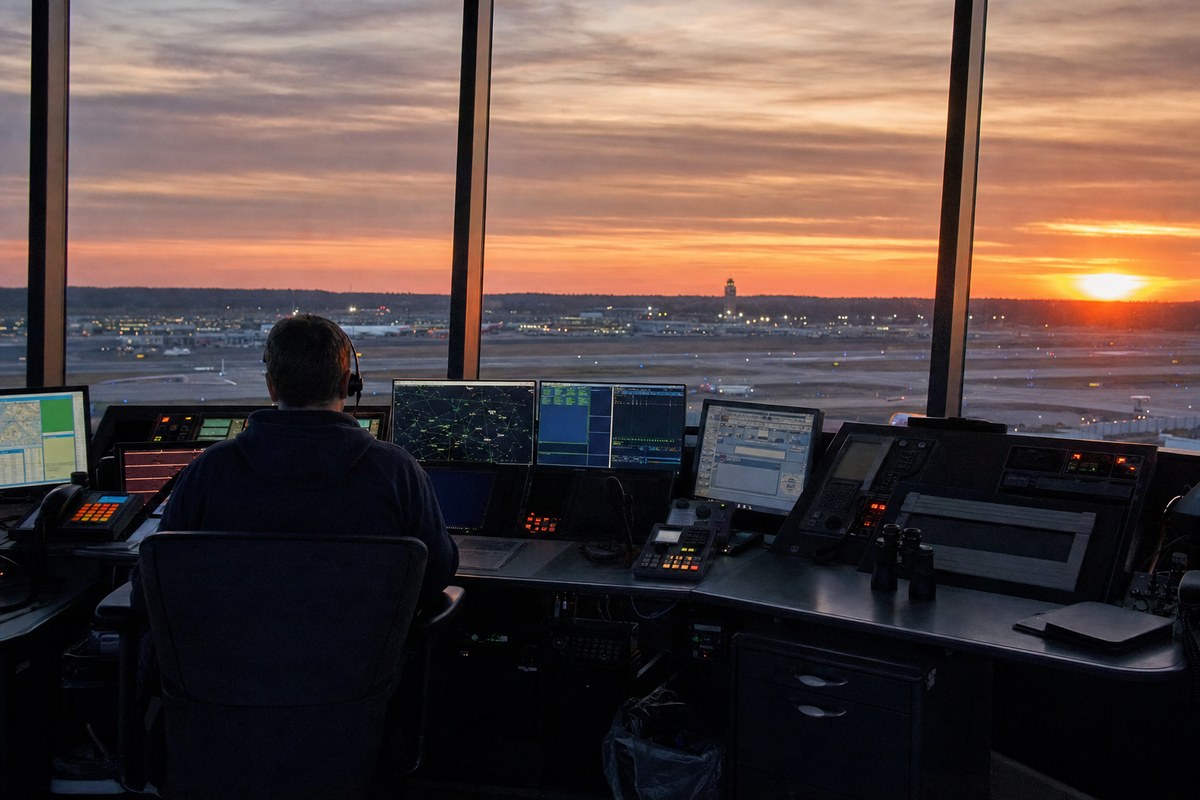
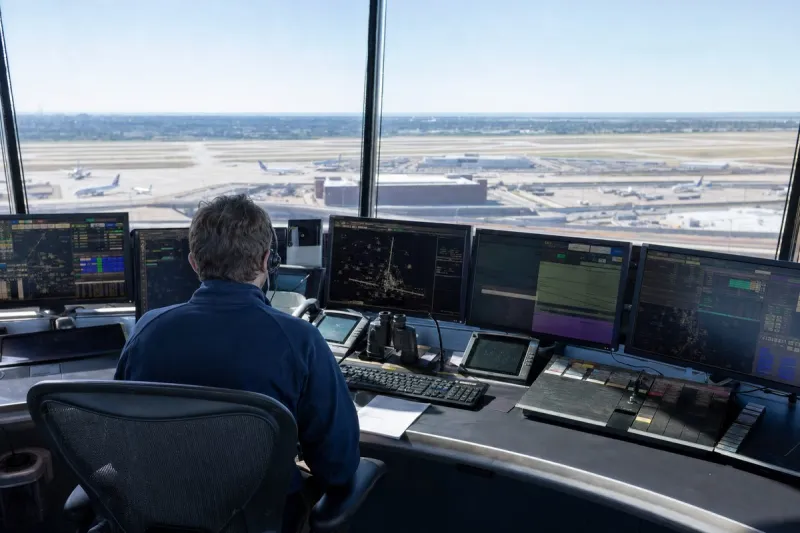
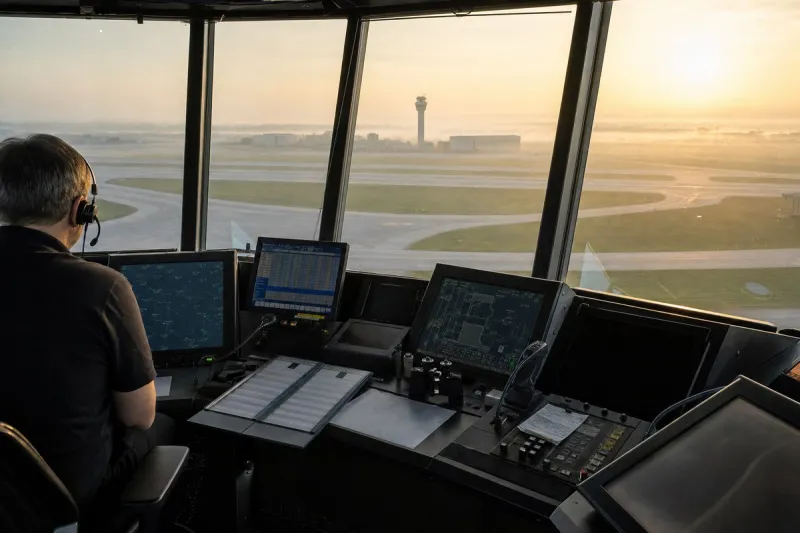
Transportation Secretary Sean Duffy told CNN the disruption was triggered by an operation to replace obsolete copper wire, which apparently resulted in floods of data overwhelming the wider network. He said there has been no investment in the network for decades, and that the system still relies on equipment from the 1990s and radar from the 1960s and 1970s. On Friday, Duffy raised his funding request from $30 billion to $50 billion without detailing why or how the money would be spent.
President Trump wrote on Truth Social on Sunday that the Biden administration was to blame and that Congress should fund modernization in a large package rather than in "drips and drabs." Democratic Sen. Chris Van Hollen said Congress had already provided $12 billion in the "Big Beautiful Bill," of which only about a third had been spent. He said he would support whatever funding is necessary on a bipartisan basis but that the administration should justify any additional request.
Democratic Rep. Jim Himes blamed Elon Musk's Department of Government Efficiency cuts last year, which he said forced 1,300 Federal Aviation Administration employees to retire or resign and led to the firing of 400 probationary employees.
What the GAO found
A September report by the Government Accountability Office said the FAA had made progress in modernizing outdated air traffic control systems but could be prioritizing speed over costs and air traffic disruptions. The report also said the agency lacked a lifecycle cost estimate or master schedule for related projects.
Funding disputes over aviation modernization span multiple administrations, and Democrats are expected to control Congress next year opposite a Republican president.
Industry impact & what to watch
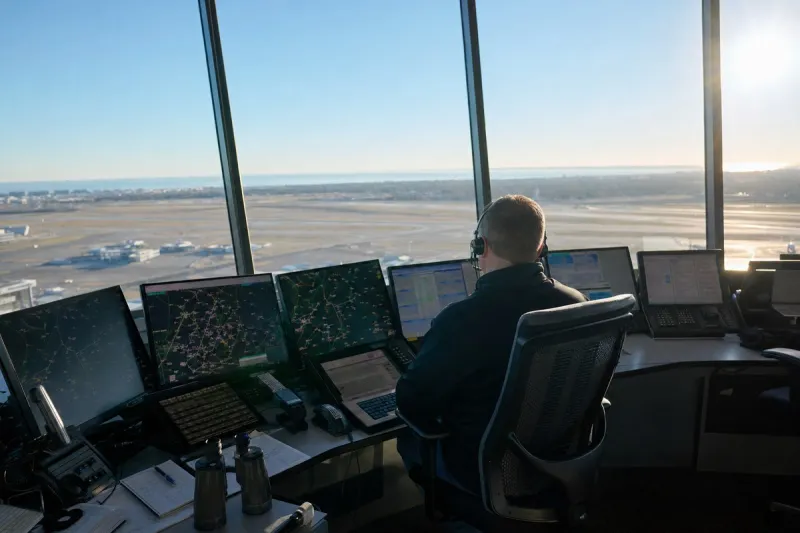
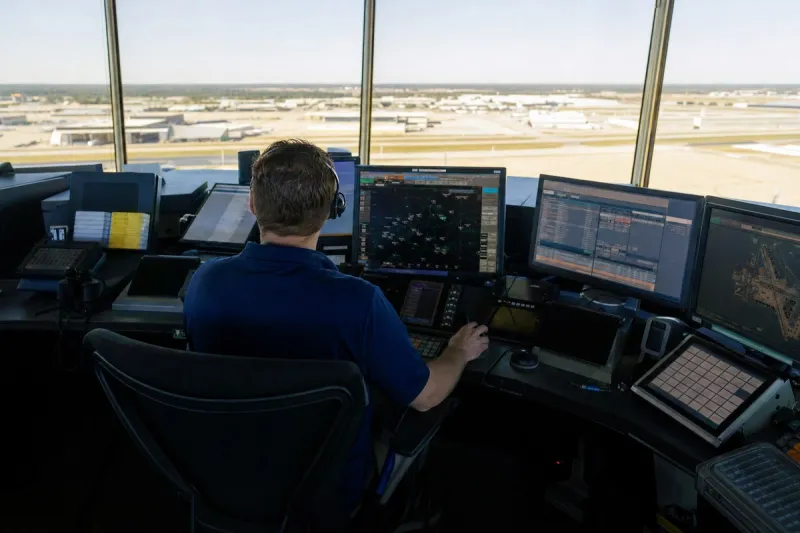
An outage on this scale shows how an air traffic control network built on decades-old equipment concentrates risk: a maintenance operation on one component, in the secretary's account, spread data overload across the wider network and halted traffic nationwide. For business aviation, which shares airspace and ground-stop programs with the airlines, a system-wide stop means the same delays regardless of how an individual flight is operated.
The funding fight is shaped as much by process as by the dollar figure. The administration wants a single large package; the lawmakers quoted point to money already appropriated and largely unspent, and ask for a justification of the new total. The GAO's observation that the FAA lacked a lifecycle cost estimate and master schedule is the kind of gap that gives both sides material for their arguments, since a larger request is harder to defend, and a slower one easier to criticize, without those documents.
The next test is the divided government expected next year, when a Democratic-controlled Congress faces a Republican president. The detail that would settle much of the dispute is a breakdown of what the $50 billion would buy and how the remaining roughly two-thirds of the $12 billion already provided is being spent.