MOSAIC Rule Widens Sport Pilot Privileges, but Private Pilot Certificate Keeps Key Advantages
Why It MattersReplacing a weight cap with a stall-speed test moves recreational flying toward performance-based access, but passenger, instrument and aircraft-class limits still decide which certificate suits which kind of flying.
What happened
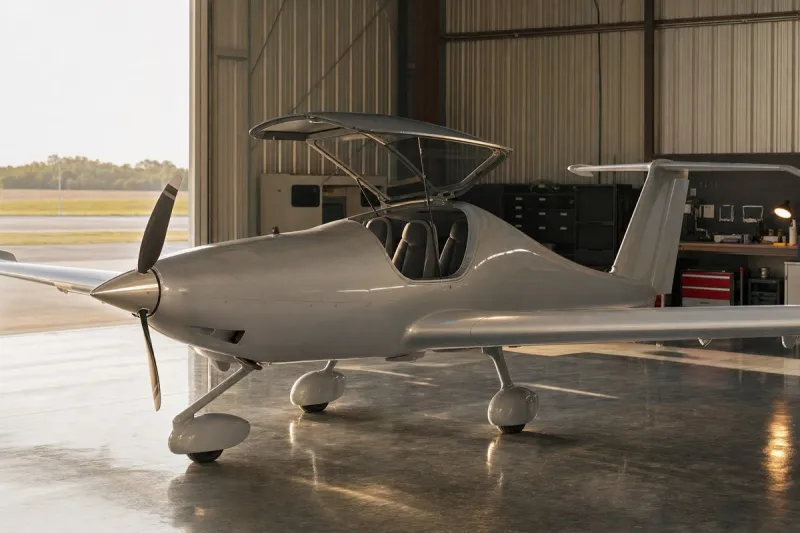
The FAA's Modernization of Special Airworthiness Certification (MOSAIC) rule has narrowed the gap between Sport Pilot and Private Pilot privileges. The most significant change is the removal of the 1,320-pound maximum takeoff weight limit for Sport Pilots. It is replaced by a performance-based criterion: a maximum clean stall speed of 59 knots calibrated airspeed.
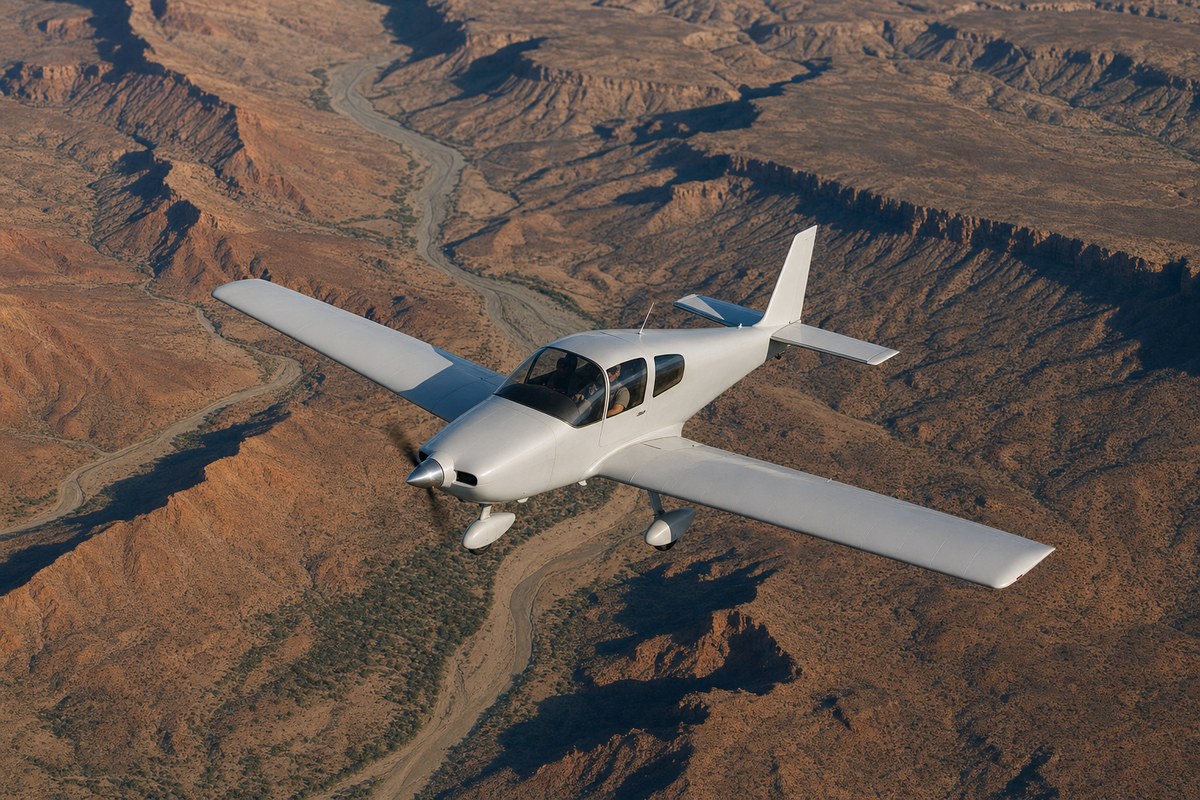
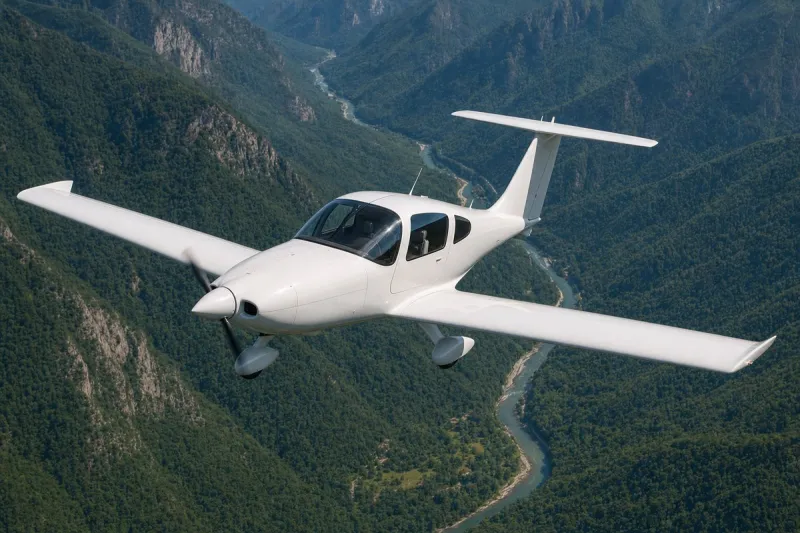
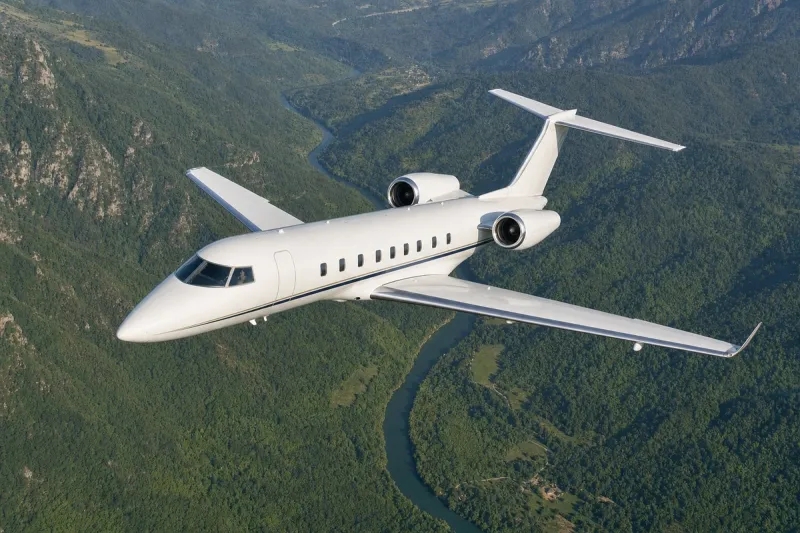
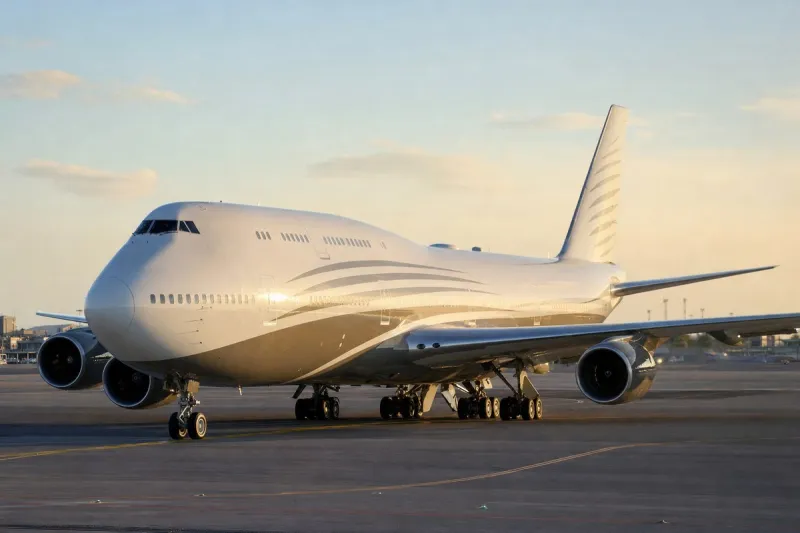
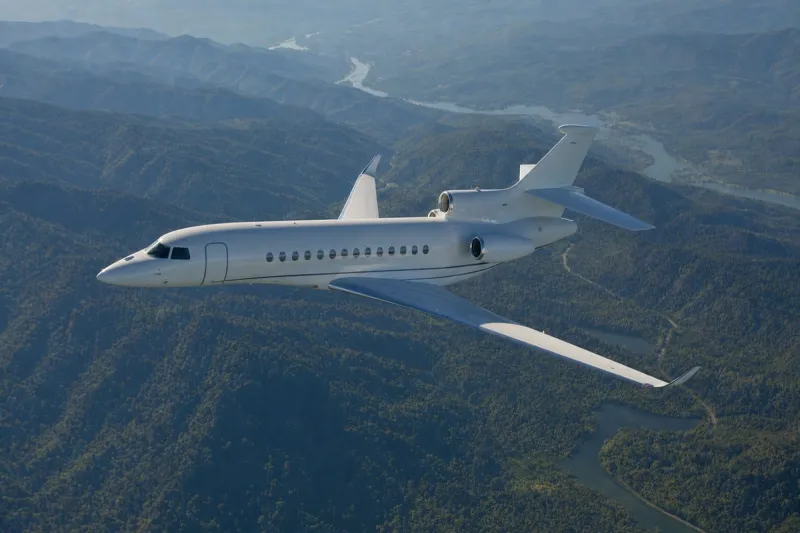
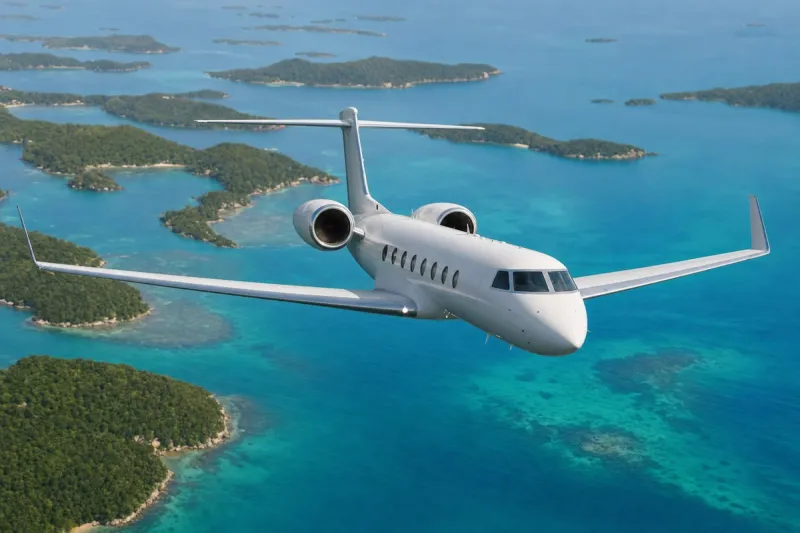
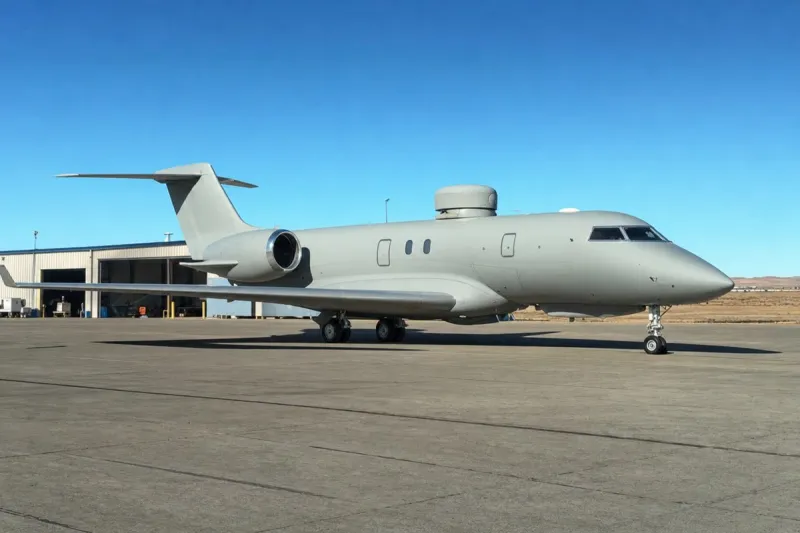
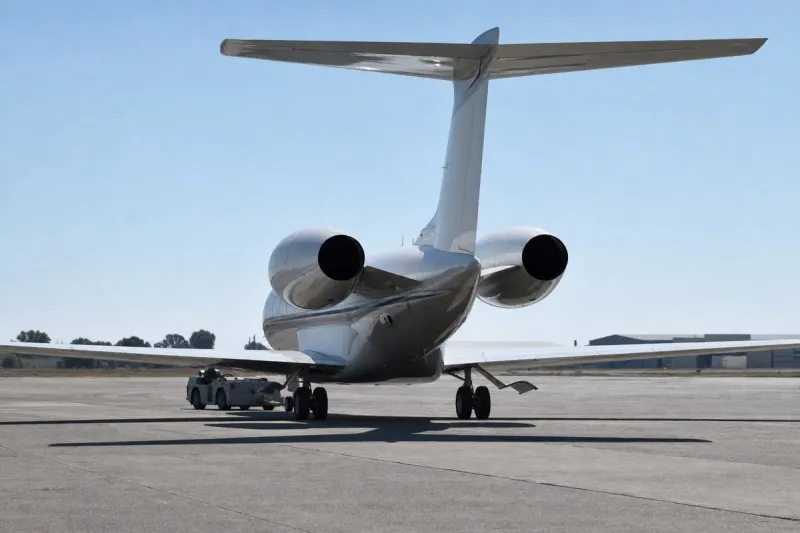
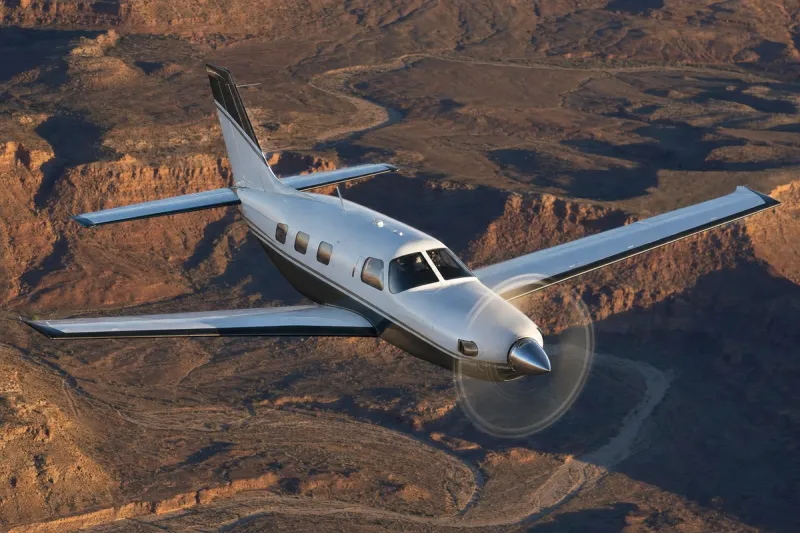
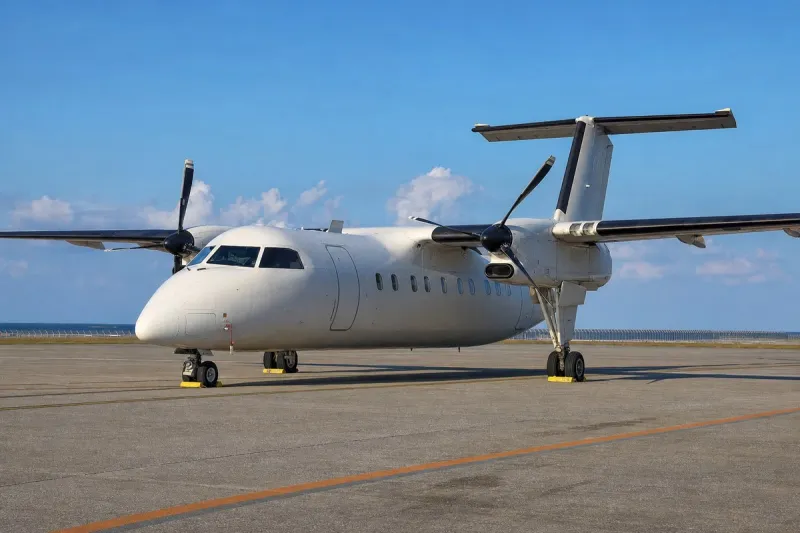
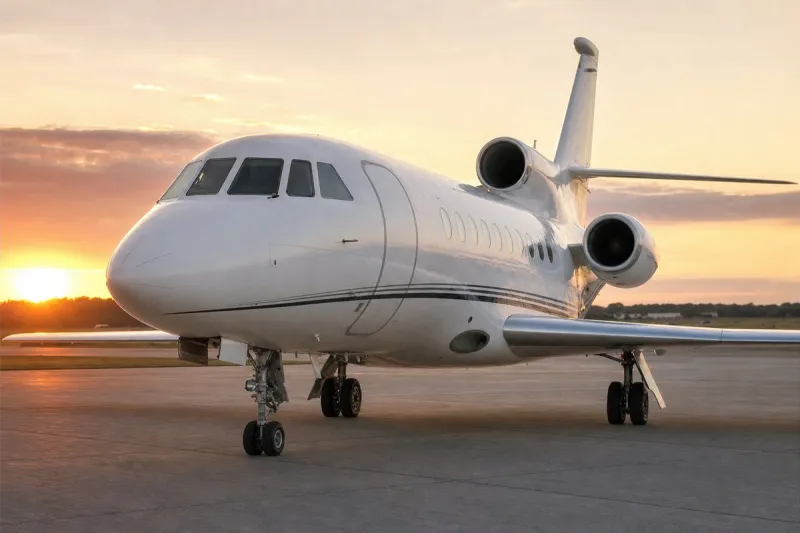
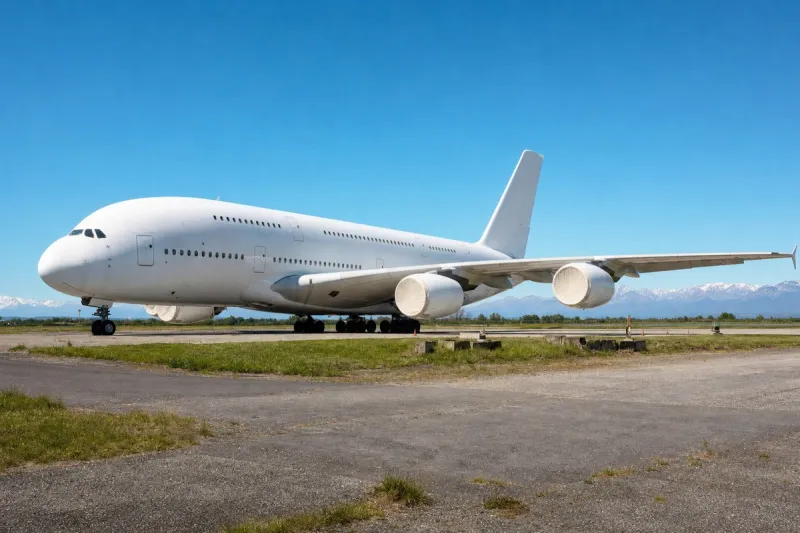
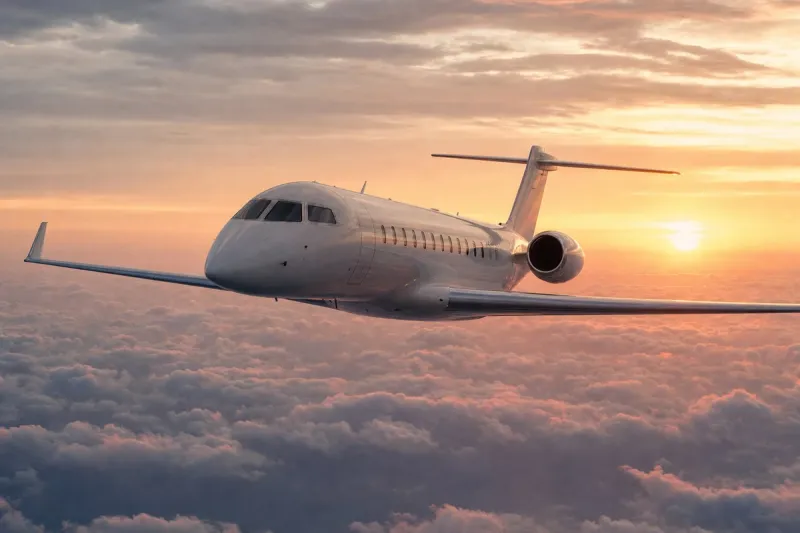
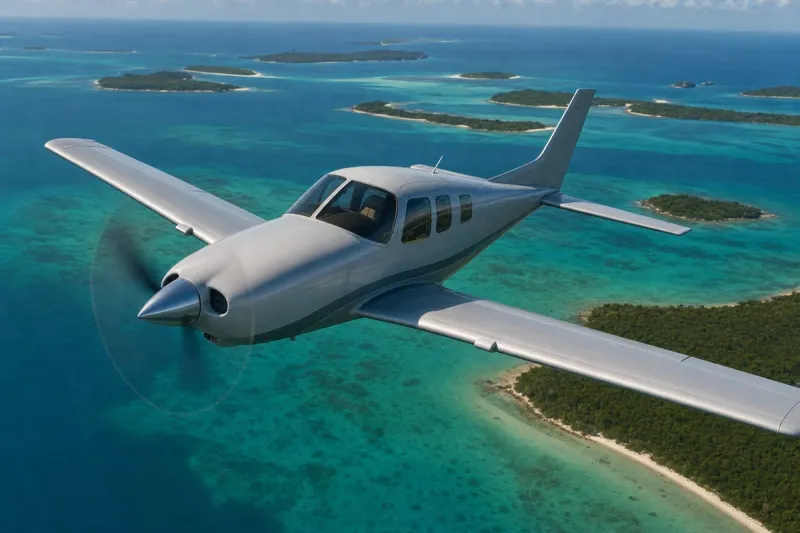
As a result, Sport Pilots are no longer limited to traditional Light-Sport Aircraft. They may fly legacy four-seat Part 23 airplanes such as the Cessna 172 and Piper Cherokee. Private Pilots face no stall-speed restriction and may fly virtually any single-engine or multi-engine aircraft, with proper ratings and endorsements, including high-performance airplanes and turbojets that remain off-limits to Sport Pilots.
Several operational limits still separate the two certificates. A Sport Pilot may carry only one passenger, even in a four-seat airplane, while a Private Pilot may fill every seat. Sport Pilot operations remain confined to Visual Flight Rules, and Sport Pilots cannot obtain an Instrument Rating, whereas Private Pilots can. Sport Pilots can gain access to Class B, C and D airspace and to night operations through specific instructor training and endorsements, while these privileges come automatically with standard Private Pilot training.
Training and medical requirements differ as well. A Sport Pilot certificate requires a minimum of 20 flight hours, half the 40-hour minimum for a Private Pilot, meaning lower upfront cost and a faster path to certification. Sport Pilots can generally fly using a valid U.S. driver's license instead of an FAA medical certificate, provided their most recent FAA medical application was not denied, revoked or suspended. Exercising the new night-flying privilege requires meeting additional medical standards. Private Pilots must hold at least a Third-Class FAA Medical Certificate or qualify under BasicMed.
Industry impact & what to watch
Swapping a weight ceiling for a stall-speed test changes what defines the entry-level recreational fleet. Access to an aircraft now depends on how it flies at the slow end of its envelope, not on how little it weighs, so the long-established four-seat piston singles named in the rule sit inside the Sport Pilot world for the first time. For flight schools and owners of those types, the potential pool of pilots who can legally fly them widens, and the 20-hour minimum keeps the cost of getting in low.
The remaining limits show where the two certificates still part ways. One passenger, VFR only and no Instrument Rating mean a Sport Pilot flying a four-seat airplane can use only a slice of what the airframe can do. The Private Pilot certificate stays the route for anyone who wants full cabin loads, instrument flying or aircraft beyond the stall-speed limit, which is also why the broader privileges come bundled with the longer training requirement.
What will matter in practice is how the endorsement-based privileges are delivered. Class B, C and D airspace and night access for Sport Pilots both depend on specific instructor training and, for night flying, additional medical standards, so the pace of uptake will track how quickly instructors build those endorsements into their courses.