Incheon Airport Sets Rules for Autonomous Vehicles in Aircraft Movement Area, Targets Level 4 Commercialization from 2030
Why It MattersAirports that adopt zone-by-zone risk tiers and staged approval for driverless ground vehicles create a template other hubs can copy, making regulation rather than the technology the pacing item for apron automation.
What happened
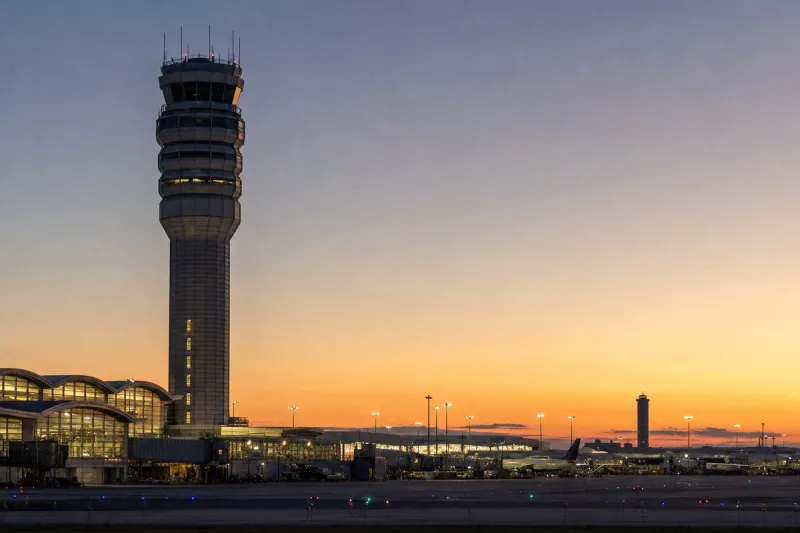
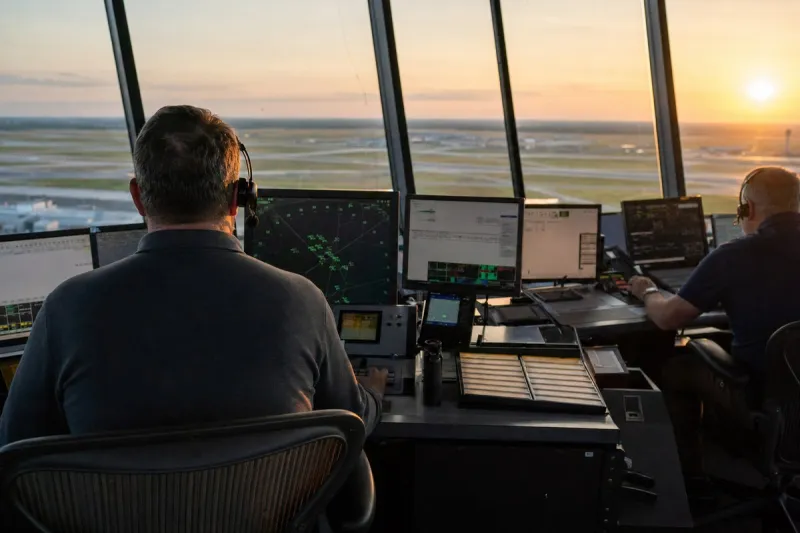
Incheon International Airport Corporation said on the 16th that it has established the "Operating Standards for Autonomous Vehicles in the Aircraft Movement Area," covering the zone where aircraft ground handling takes place. The standards took effect on the 20th of last month. They allow Level 3 autonomous vehicles, with a driver on board, to operate in the movement area. Level 3 is a conditional autonomous driving stage in which the vehicle drives itself under certain conditions and the driver intervenes when necessary.
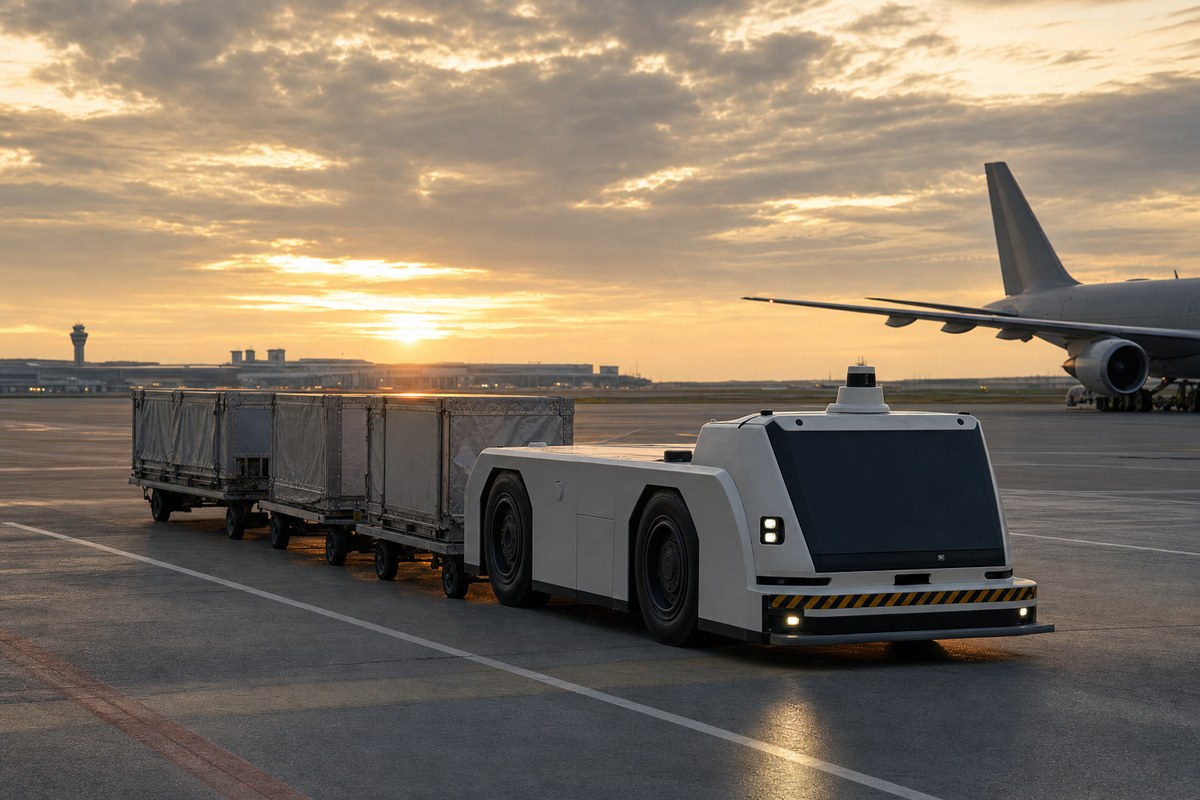
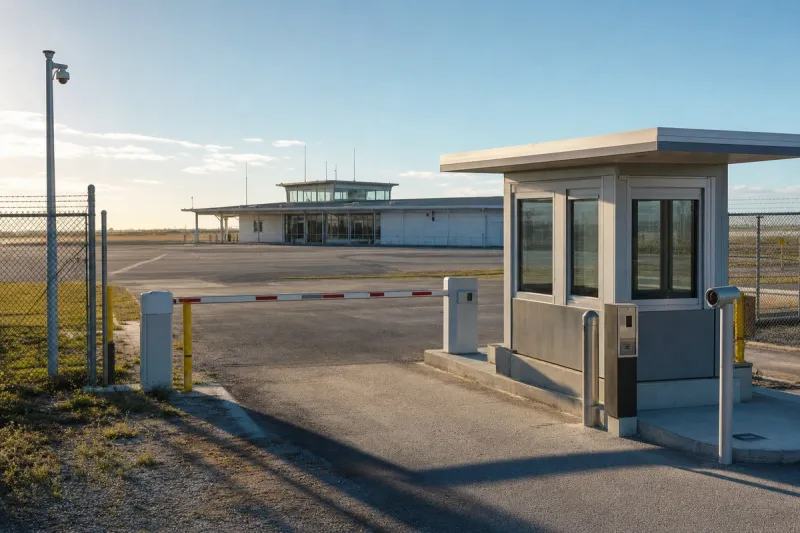
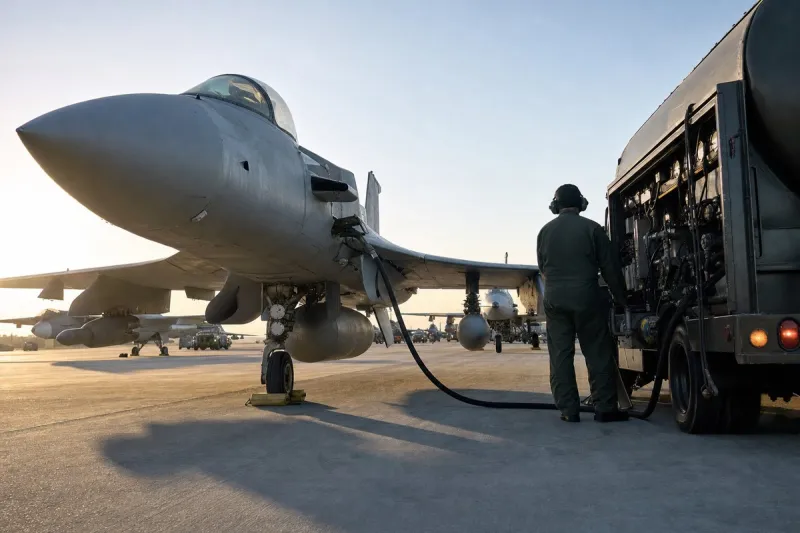
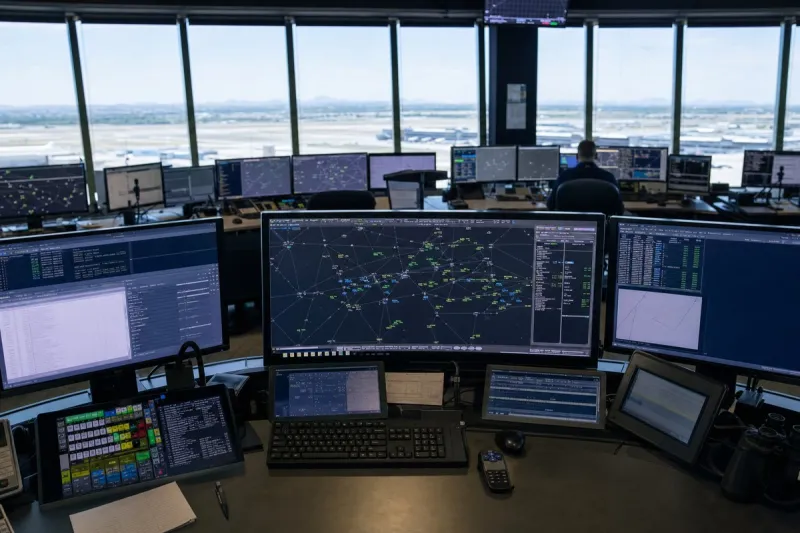
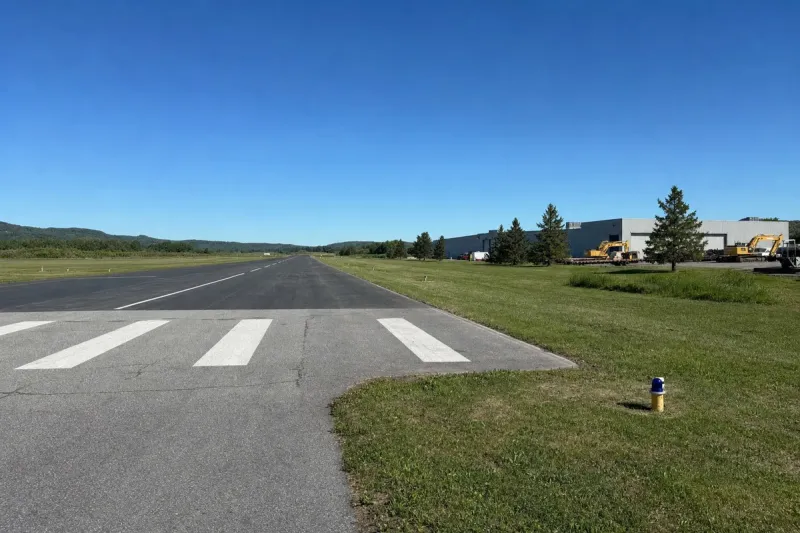
The movement area is a space where aircraft, vehicles and ground handling equipment move around the clock, with about 15,400 vehicles and pieces of equipment currently in operation. It requires a higher level of safety management than ordinary roads. The corporation has divided the area into four zones by risk level and requires autonomous vehicles to demonstrate sufficient safety in low-risk zones before expanding into high-risk zones.
The standards set out approval procedures, permitted operating areas, safety rules and emergency response methods, and drew on examples from major overseas airports. The corporation expects the framework to improve operational efficiency in aircraft ground handling and help prevent safety accidents in the movement area. Jo Yong-su, head of the Operations Division, said the corporation will continue to make aircraft operational safety its top priority and work with the government and relevant agencies to respond proactively to technological changes.
The roadmap to 2030
The corporation also set a mid- to long-term roadmap in three phases. During the 2026–2027 introduction phase, it will approve Level 3 operations on the principle that a driver is on board and accumulate related data.
During the 2028–2029 expansion phase, it plans to allow test runs of Level 4 vehicles, focusing on low-risk zones, and build a separate autonomous vehicle operations control system. From 2030, in the stabilization phase, it will commercialize Level 4 operations in phases and further upgrade the control system. It will keep updating the standards and roadmap in line with changes in domestic and international conditions.
Industry impact & what to watch
Airside automation tends to stall on authorization rather than on vehicle capability. The apron mixes aircraft, tugs, loaders and crews around the clock, and an operator that cannot show how a driverless vehicle behaves near a taxiing aircraft will not get access. Incheon's answer is a gating structure: four risk zones, proof of safety in the lowest-risk one first, and a driver aboard until data has been collected. That sequencing is the part other airports can borrow, because it converts an open-ended safety question into a staged approval path.
For ground handlers and equipment suppliers, a published roadmap with named phases is a planning input. A Level 3 vehicle with a human aboard captures little of the labor saving that justifies autonomous equipment; the economics in this segment generally hinge on removing the driver, which is why the Level 4 test-run window in 2028–2029 matters more than the current Level 3 permission.
The next milestone is the 2028–2029 phase, when Level 4 test runs in low-risk zones and a dedicated operations control system are due. What the corporation reports from the 2026–2027 Level 3 data will show whether that schedule holds.