FAA MOSAIC Rule Sets Four-Step Self-Declaration Path for Light-Sport Aircraft, Fully Effective July 24, 2026
Why It MattersMoving light-sport eligibility from weight limits to performance criteria and consensus standards shifts certification effort from the FAA onto manufacturers, whose quality systems and fleet-monitoring programs now carry the burden of proof.
What happened
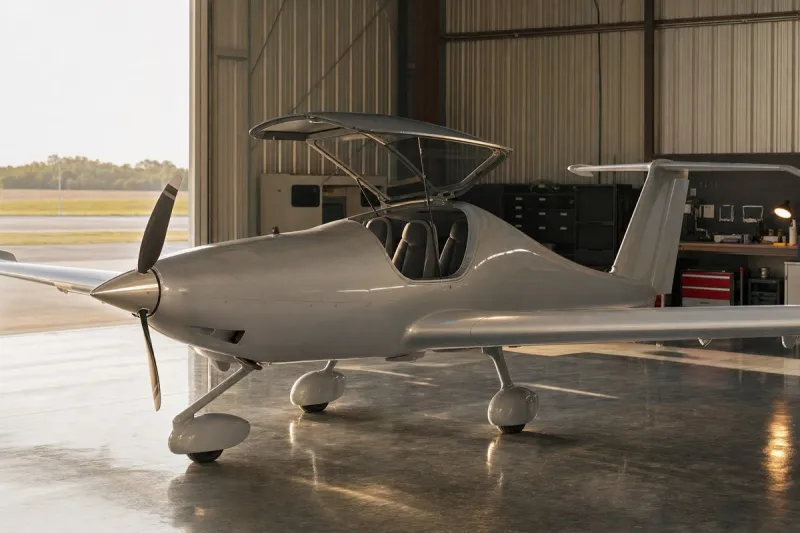
The Federal Aviation Administration's Modernization of Special Airworthiness Certification (MOSAIC) regulations were fully implemented on July 24, 2026. They replace rigid weight limits with performance-based criteria under the new 14 CFR Part 22. The change opens the light-sport category to four-seat airplanes, retractable landing gear, constant-speed propellers, electric propulsion, and gyroplanes and powered-lift designs.
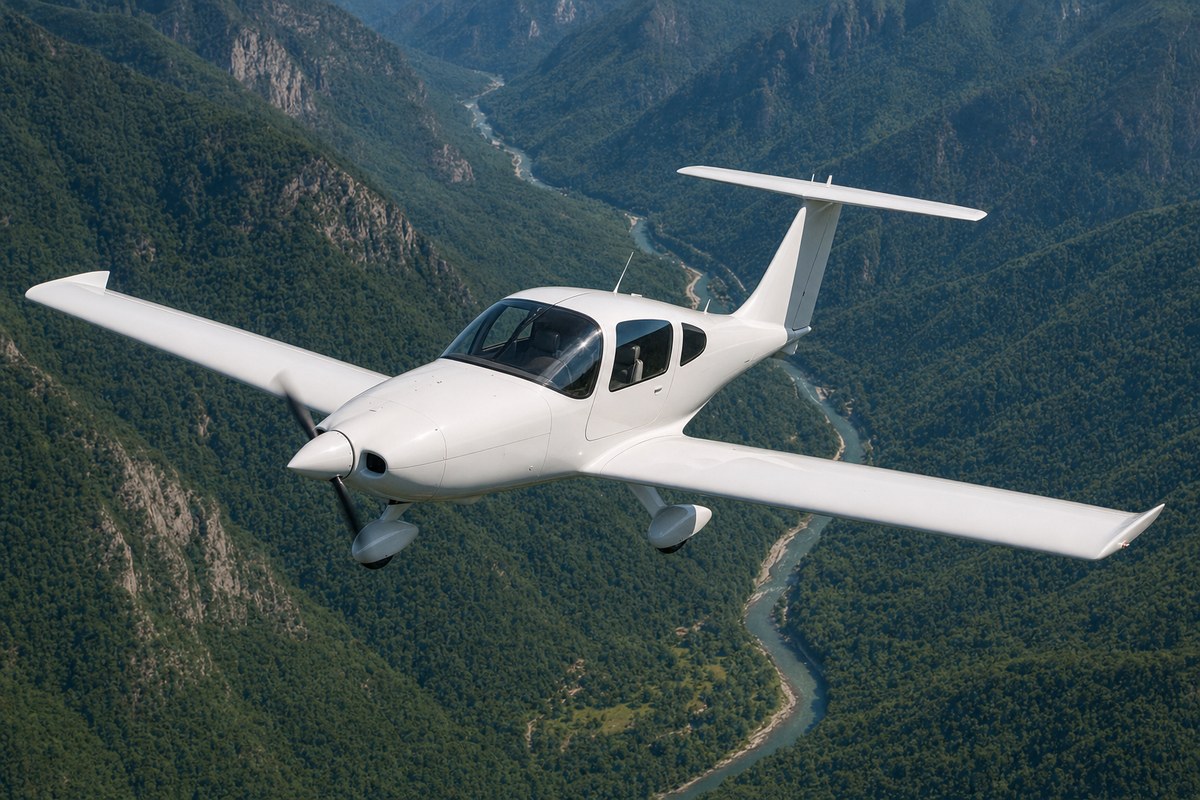
Standard-category aircraft require a multi-year FAA Type Certificate and Production Certificate. MOSAIC relies instead on industry consensus standards and manufacturer self-declaration. The stated intent is a safe, affordable alternative to traditional Part 23 certified aircraft, with fewer hurdles than Part 23 certification, though the process still requires a significant investment of time and money.
The pathway for a new design has four steps. First, the manufacturer aligns the design with FAA-accepted consensus standards developed by the ASTM F37 Committee on Light-Sport Aircraft, choosing the integration standard for the aircraft class: ASTM F3815-26a for airplanes, F3836-26 for gliders, F3840-26 for powered-lift and F3841-26 for gyroplanes. The design must meet both the ASTM criteria and Part 22 performance boundaries, such as a maximum flaps-extended stall speed of 61 knots calibrated airspeed for airplanes.
The four-step path in detail
Second, the manufacturer establishes an auditable Quality Management System, such as ASTM F2972, and conducts ground inspections and a production acceptance flight-test program. The FAA does not issue a Production Certificate for light-sport aircraft, so the manufacturer is responsible for ensuring each unit conforms to the tested prototype.
Third, the manufacturer produces Required Product Information, including a Pilot's Operating Handbook, a maintenance and inspection manual and a flight training supplement. It also sets up a Continued Operational Safety program to monitor the fleet, track safety directives and issue safety alerts or service bulletins.
Fourth, an authorized company official signs the Manufacturer's Statement of Compliance on FAA Form 8130-15, attesting that the aircraft meets the ASTM standards and 14 CFR Part 22. An FAA inspector or Designated Airworthiness Representative then reviews the paperwork, performs a physical conformity inspection and issues a Special Airworthiness Certificate in the light-sport category under 14 CFR § 21.190.
Industry impact & what to watch
Light-sport certification has historically been defined by a weight ceiling. Defining eligibility by performance boundaries lets designs with more capable airframes and powerplants enter a category built around consensus standards, with no FAA-issued Production Certificate involved. That moves the proof of conformity from a government approval process to the manufacturer's own quality system and its fleet-monitoring program.
For new entrants, particularly makers of electric and powered-lift aircraft, the practical question is how quickly a design can be matched to the relevant ASTM integration standard and an auditable quality system. Because the manufacturer answers for every unit matching its tested prototype, the burden of proof sits with the company's own paperwork and flight-test discipline rather than with a one-time government approval.
The next concrete milestones are the first Statements of Compliance on Form 8130-15 and the first Special Airworthiness Certificates issued under § 21.190 for the newly eligible designs, which will show how inspectors and Designated Airworthiness Representatives apply the new framework in practice.