Sebring Flight Academy Founder Lou Mancuso Teaches 'Landing Doctor' Crosswind Landing Method Built on Ground Proximity Awareness
Why It MattersTraining programs that replace the chop-and-flare technique with defined go-around criteria and ground-referenced flying show how flight schools can codify landing standards, making stabilization decisions measurable and teachable across instructors.
What happened
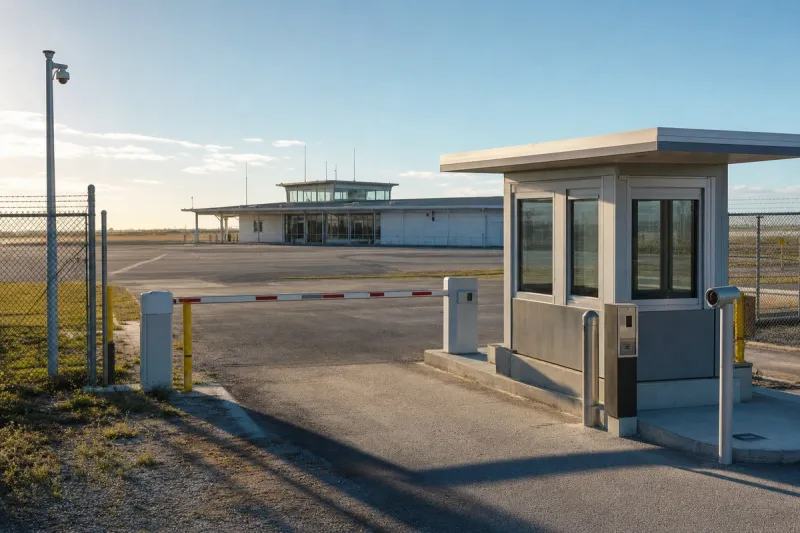
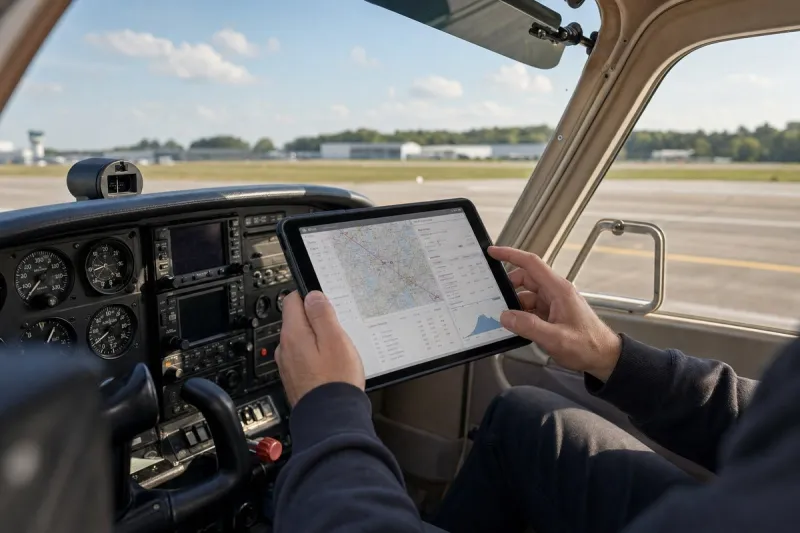
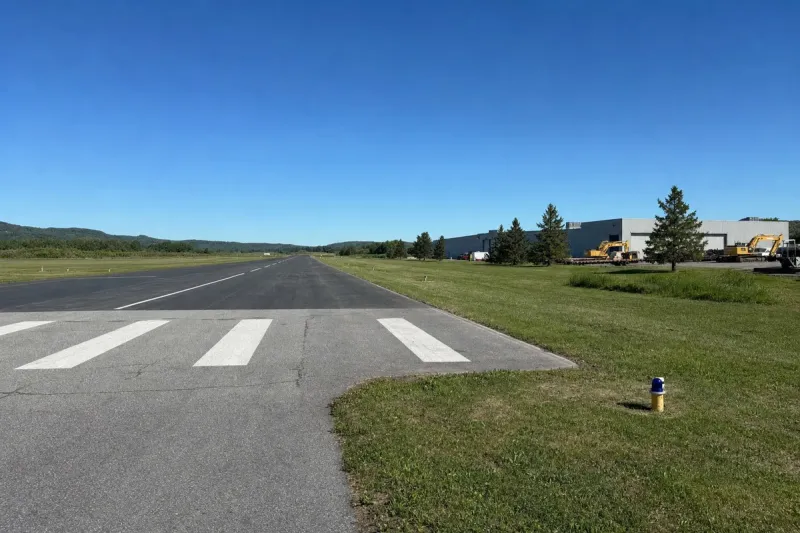
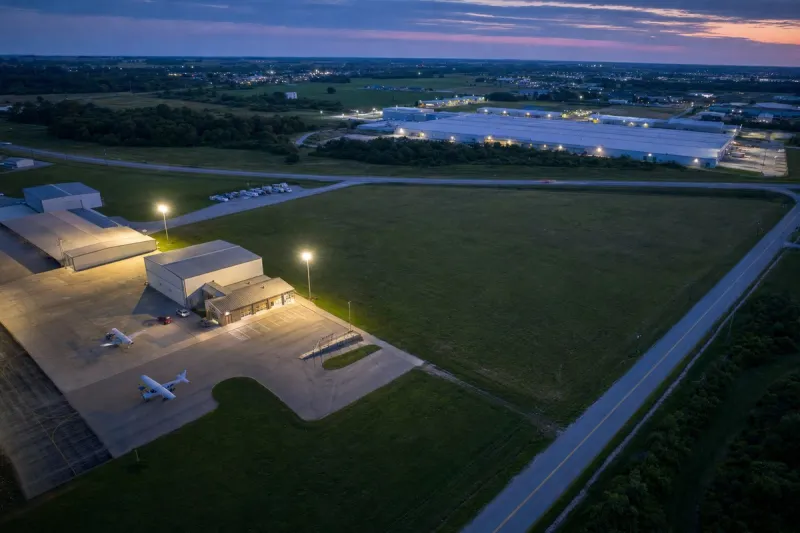
Louis "Lou" Mancuso, a Certified Flight Instructor with more than 7,200 flight hours and founder of Sebring Flight Academy and Bristell Aircraft USA, has developed The Landing Doctor curriculum with his son Mike Mancuso, a 14,000-hour aerobatic and corporate jet pilot. Sebring Flight Academy was founded in late 2018 and trains at Sebring Regional Airport (KSEF), a non-towered airport in Florida.
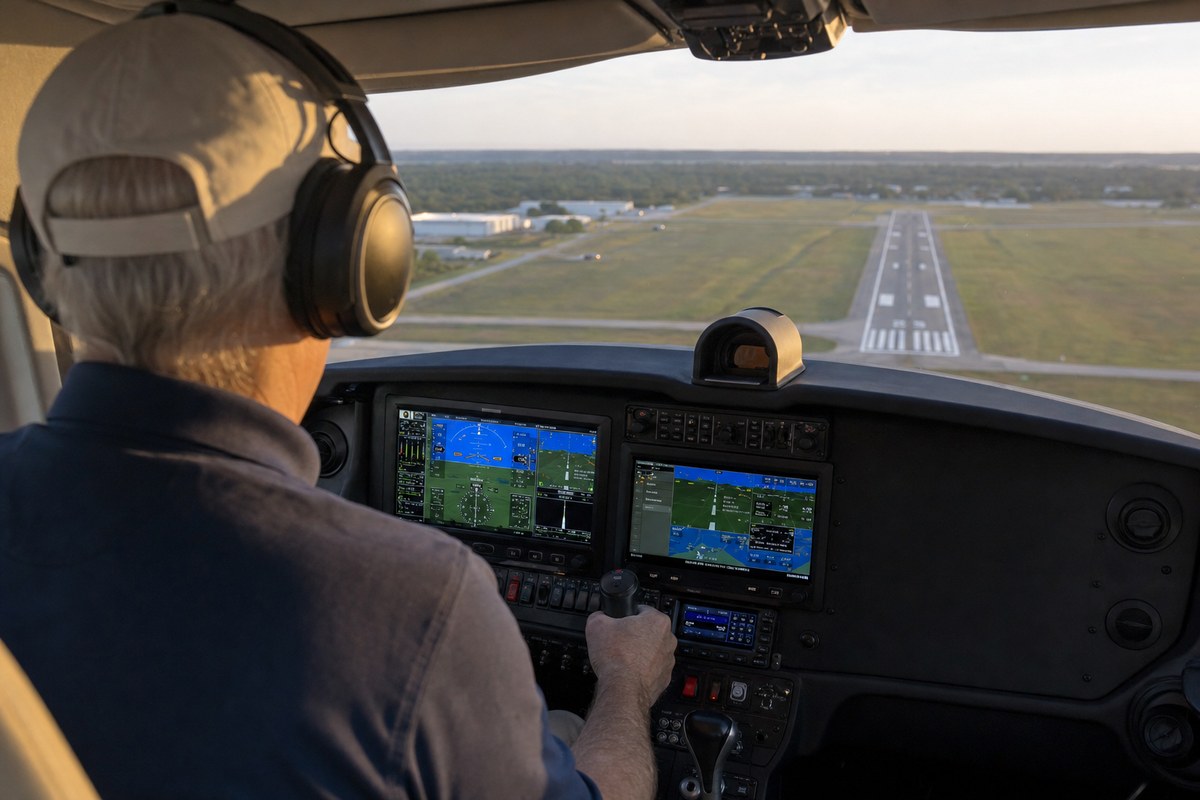
The program rests on three elements: the Personal Limitations Checklist (PLC), the Defined Go Around Point (DFGAP) and Ground Proximity Awareness (GPA). Mancuso first wrote the PLC in 1992 as a booklet for newly certificated pilots. It sets personal limits, such as always landing with at least 90 minutes of fuel reserve and not leaving the traffic pattern when the temperature-dew point spread falls below six degrees. The DFGAP sets stabilization criteria: students check their altitude at 500 feet above ground level on the base-to-final turn and go around if they overshoot final approach or fail to meet the stabilization criteria.
The GPA protocol departs from the traditional technique of chopping power over the threshold and flaring, which can lead to ballooning, hard landings or loss of directional control in gusty winds. Under GPA, the pilot keeps partial power and half flaps on short final, with the nose slightly down to preserve airspeed and control, until the aircraft is at "the height of a car," about five to ten feet above the pavement. The pilot then applies slight back pressure to stop the descent and flies level down the centerline.
Students must earn a challenge coin before soloing or flying shared Light Sport Aircraft. The coin requires flying level at five feet down the centerline in a crosswind, touching down smoothly on the main gear, and performing a controlled go-around without the nose wheel touching the pavement. According to the academy, every instructor is trained in-house and every student trains under the Landing Doctor Code.
Industry impact & what to watch
The curriculum shows a broader approach in primary training: turning landing judgment into explicit, checkable criteria. A fixed altitude check at 500 feet, a defined go-around trigger and a personal-limits checklist convert a decision that instructors often teach by feel into something a student can verify against a number.
The challenge coin works as a gate rather than a hint. Making a demonstrated crosswind skill, including a clean go-around, a precondition for solo and for shared Light Sport Aircraft use ties aircraft access to measured performance. For schools operating shared fleets at non-towered fields, that kind of standard also gives instructors a common reference point.
The point of comparison is the flare itself. The GPA method moves the pilot's attention from the sight picture ahead to the pavement near the aircraft, and it keeps power and flaps in during the final seconds. Whether other schools adopt similar ground-referenced techniques, and how they square them with their existing standards, will determine if this stays one academy's method or becomes a wider practice.