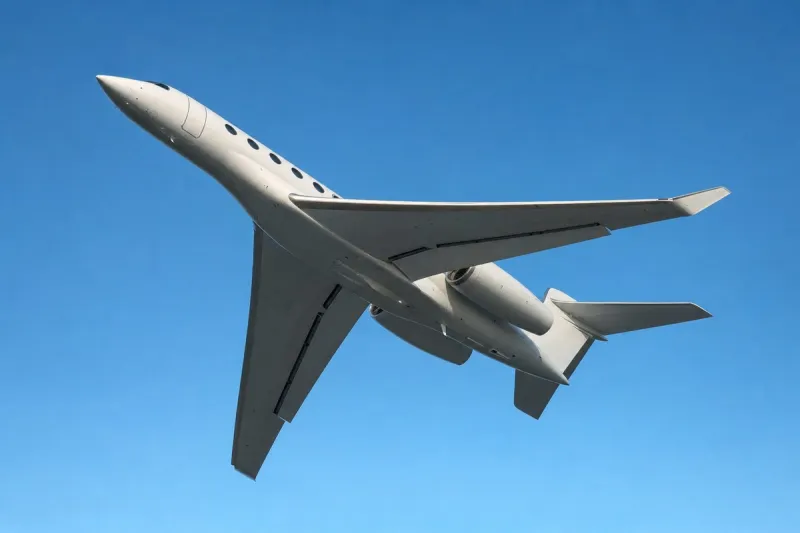
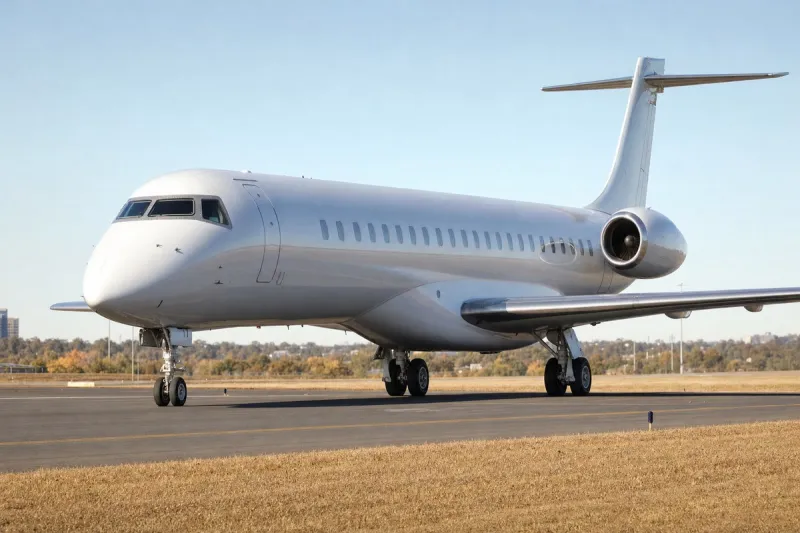
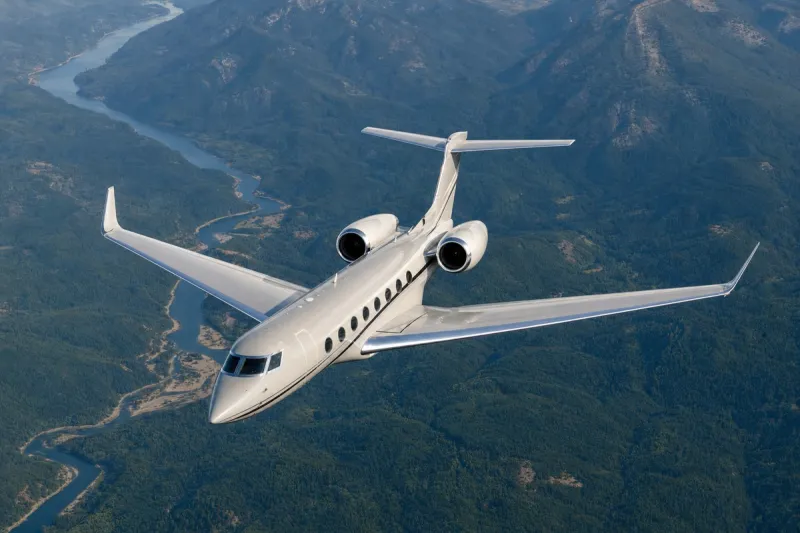
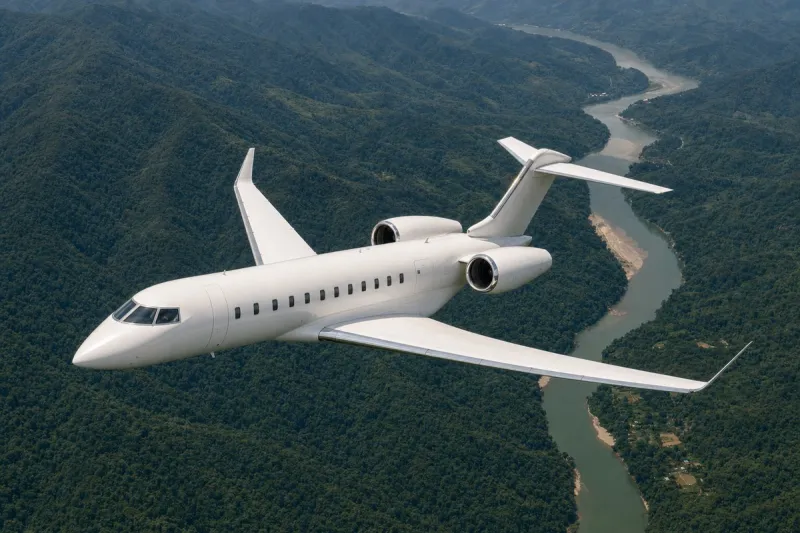
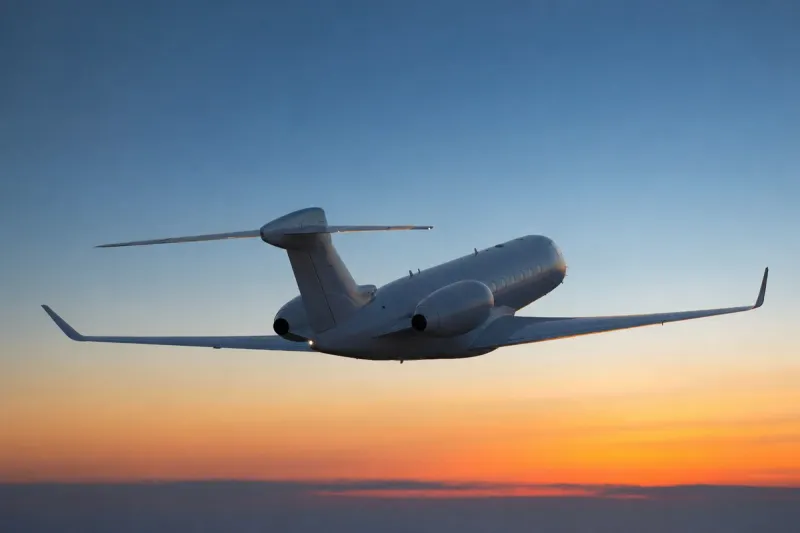
Volkswagen Falcon 8X D-AGBA Flies Amsterdam to Braunschweig in 10h 58m, Covering 4,805 nm
Why It MattersCorporate flight departments that run their own airline and jet fleet can sustain frequent long-haul positioning, which makes fuel burn and CO2 per leg a reporting question for such operators.
What happened
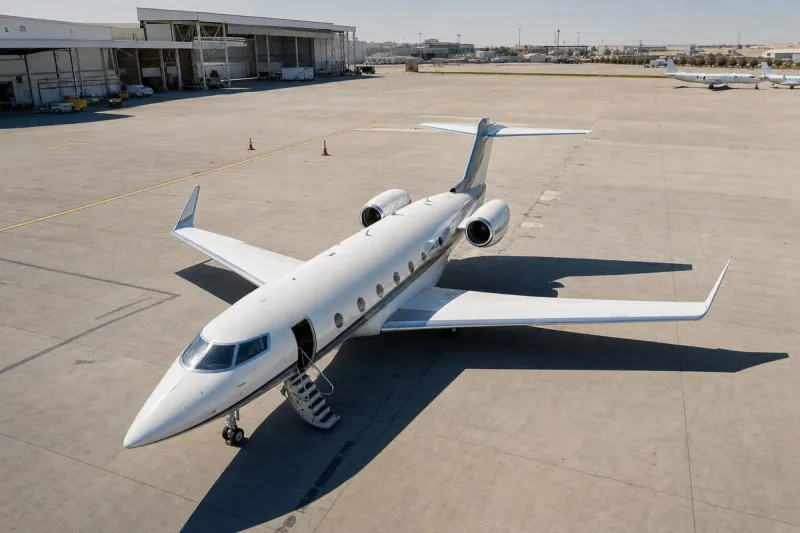
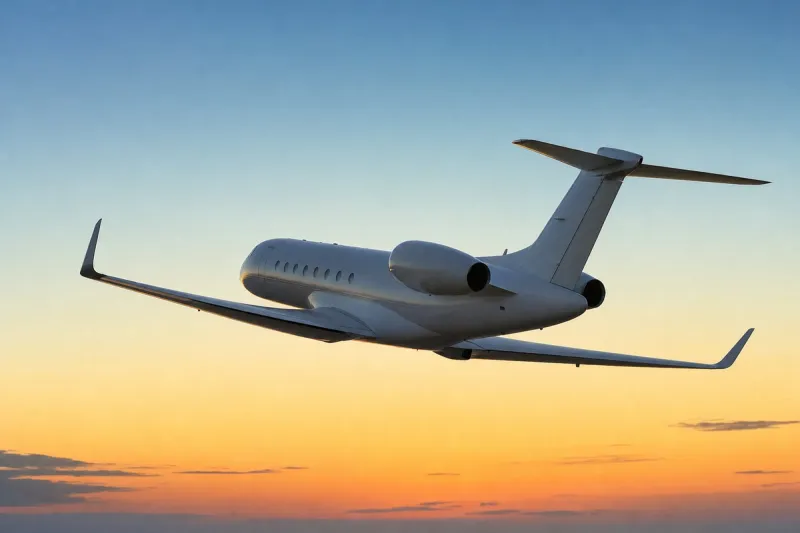
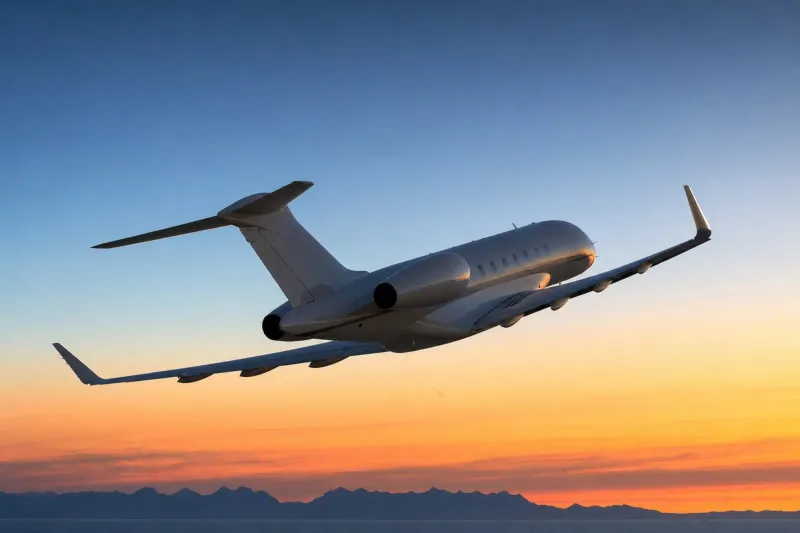
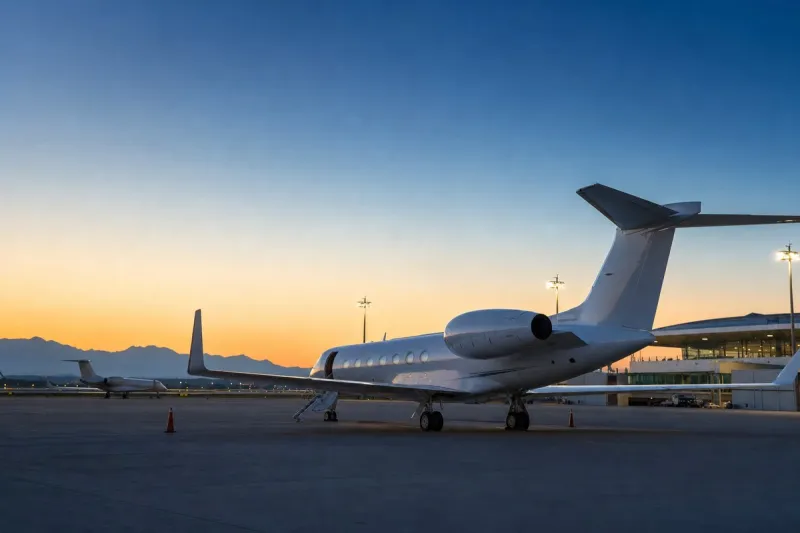
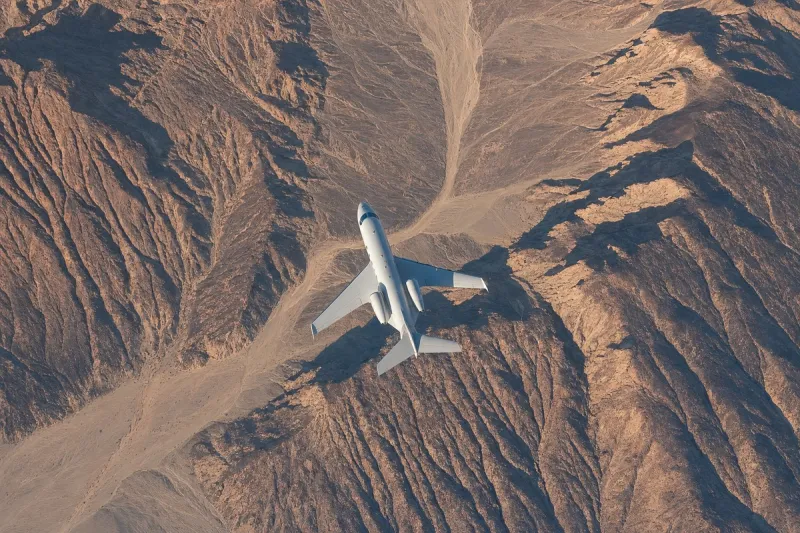
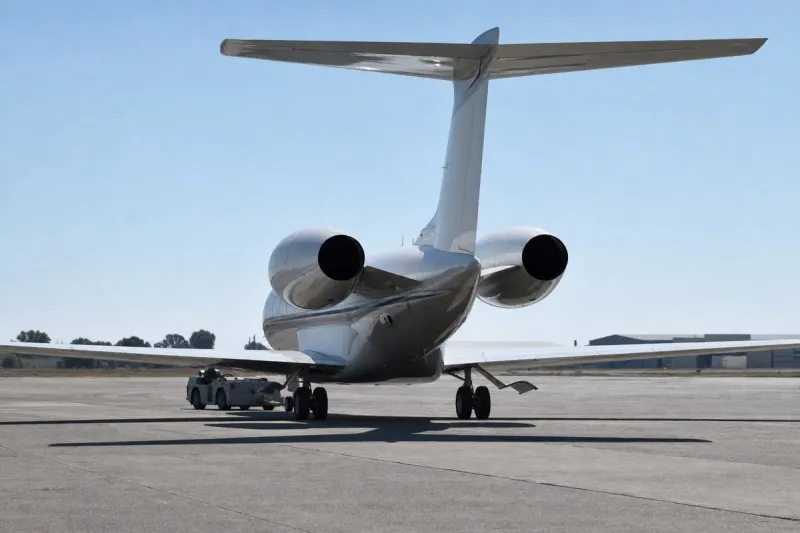
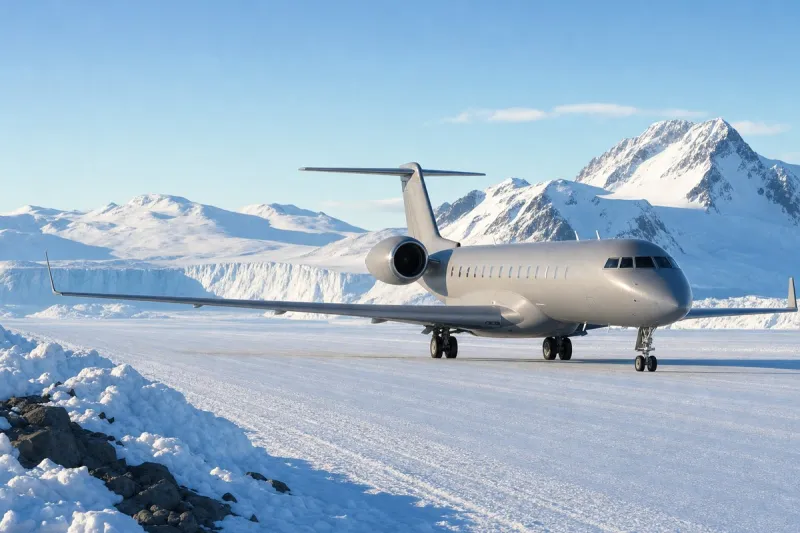
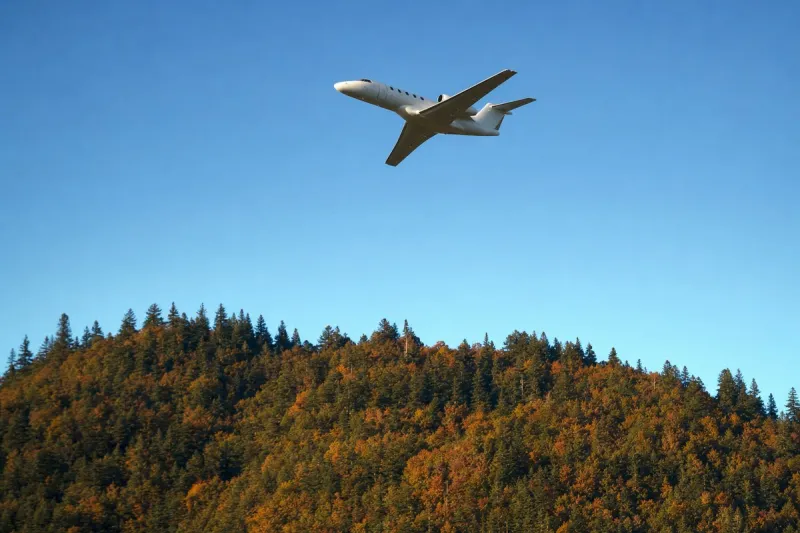
Volkswagen AG's Dassault Falcon 8X, registration D-AGBA, flew from Amsterdam Airport Schiphol (EHAM) to Braunschweig-Wolfsburg (EDVE) on November 15, 2026. The flight departed at 07:44 UTC and took 10 hours 58 minutes airborne. The aircraft covered a great-circle distance of 4,805 nautical miles (5,530 miles) at an average ground speed of 438 knots, reaching a top speed of 494 knots and a highest altitude of 43,025 feet.
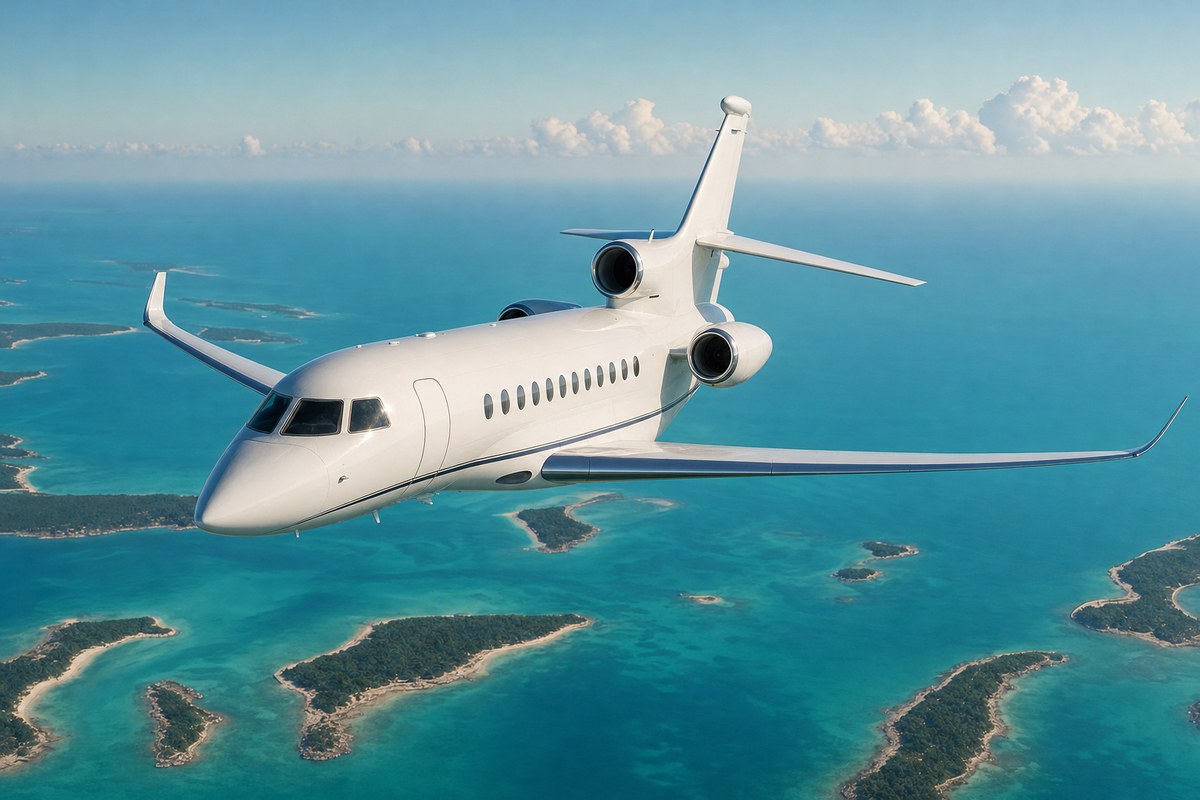
Celebplanes estimates the flight burned about 3,072 US gallons of fuel and produced about 29.5 metric tons of CO2. The Falcon 8X has a range of 6,450 nautical miles, so the flight used about 75 percent of its range. The jet has a ceiling of 51,000 feet, a top speed of Mach 0.90 (497 knots), and typically seats 12 passengers, up to 16.
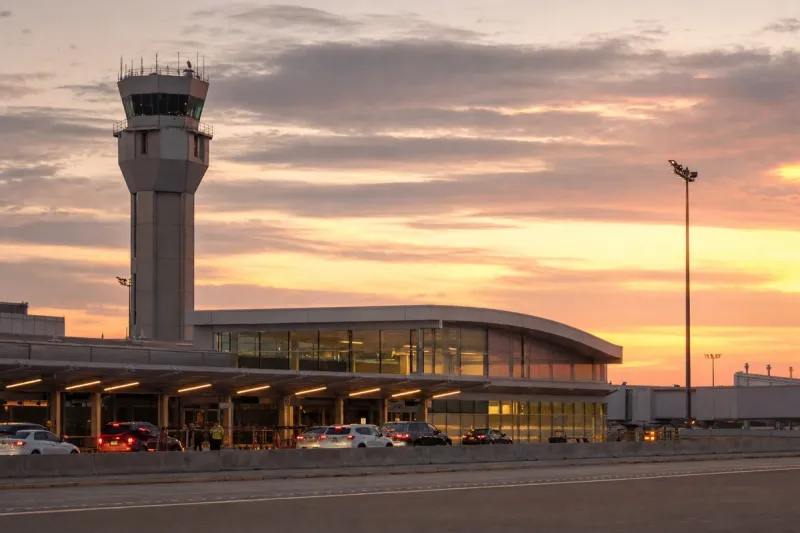
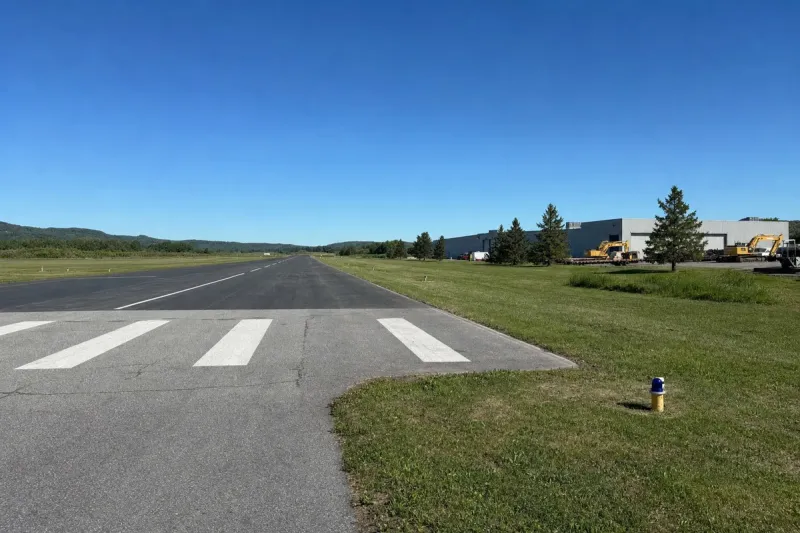
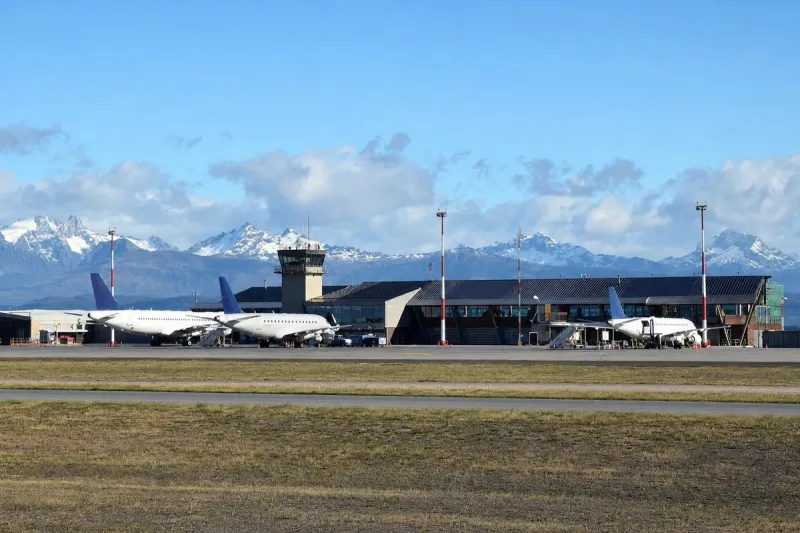
Braunschweig-Wolfsburg's longest runway is 7,546 feet at 295 feet elevation; Schiphol's longest runway is 12,467 feet at minus 11 feet elevation. This was the 17th landing at Braunschweig by any Volkswagen aircraft in the tracked window of September 2 to November 14, 2026. The aircraft had landed there on November 13 from Nannhausen, and on November 14 flew from Greven to Amsterdam, where it sat on the ground about 16 hours before this flight.
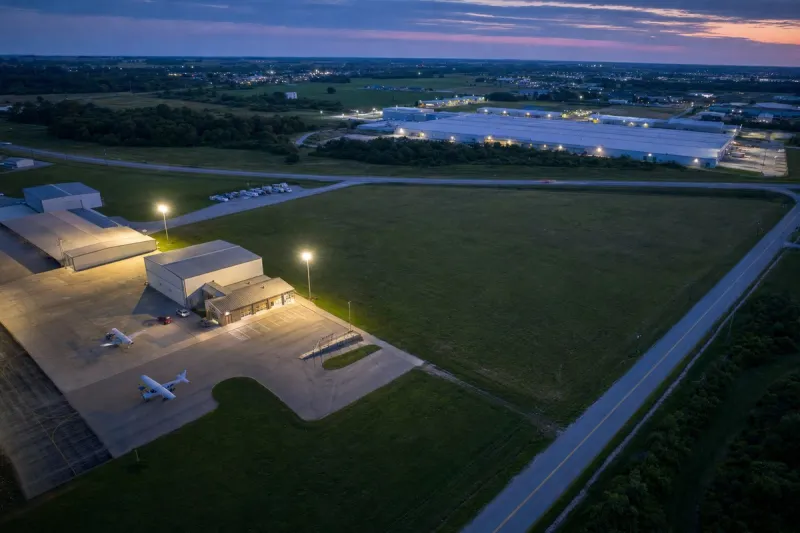
In the 30 days before this flight, Volkswagen's two aircraft made 17 flights, spent 68.2 hours in the air and covered about 29,844 nautical miles; the longest leg was Gifhorn to Wuxi on November 2, at 4,536 nautical miles. Braunschweig-Wolfsburg is Volkswagen's home base and serves only business aviation. The group operates Volkswagen AirService there, a wholly-owned corporate airline with a fleet of eight aircraft and roughly 2,800 flights a year, about two-thirds carrying employees to the group's 118 locations worldwide. No public event or meeting tied to Volkswagen in Braunschweig on that date was found.
Industry impact & what to watch
A flight that uses about 75 percent of an aircraft's published range, between a hub like Schiphol and a business-aviation-only home airport, shows how a corporate flight department differs from a charter operation. Utilisation is driven by the parent group's travel needs and the location of its sites, not by a revenue schedule, so long legs and short turnarounds on the ground, such as the roughly 16 hours in Amsterdam, are part of normal use.
The tracked figures also illustrate how large-cabin corporate jets are measured against sustainability expectations. With 17 flights and 29,844 nautical miles in 30 days from two aircraft, and an estimated 29.5 metric tons of CO2 on this single leg, per-flight fuel and emissions estimates become the numbers that outside trackers publish and that corporate operators may be asked about.
For an operator running its own airline alongside a jet fleet, the useful comparison is across the whole operation: the eight-aircraft AirService network and about 2,800 flights a year sit in the same reporting frame as the executive jets. Where such groups publish their own emissions data, it would be the figure to set against third-party estimates like the one for this flight.