Dassault Aviation Stops Hydrogen Research, CEO Trappier Says, Backing SAF and Efficiency Gains
Why It MattersDassault's exit leaves hydrogen to others in business aviation, concentrating near-term decarbonization on sustainable fuels, efficiency and fleet turnover, with long-range jets the segment least suited to hydrogen's storage penalties.
What happened
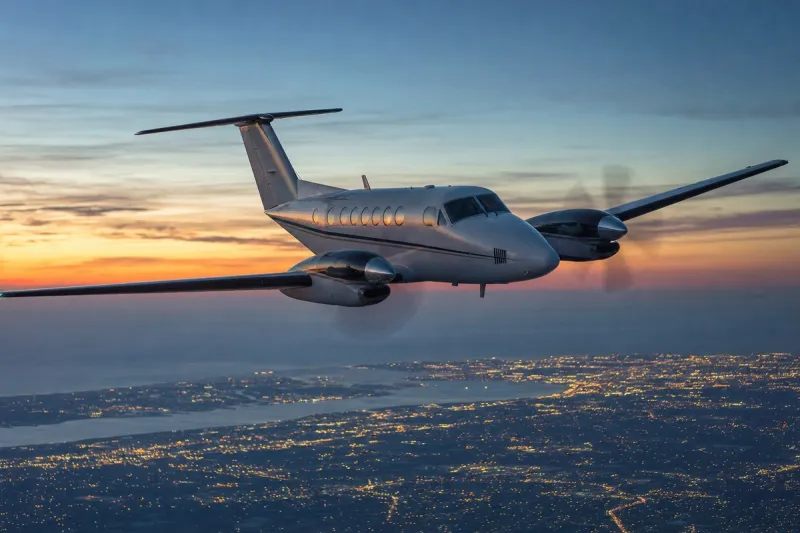
Dassault Aviation has stopped investigating hydrogen propulsion for its future aircraft, Chairman and CEO Éric Trappier said on 15 November 2026 on Le Grand Jury, a program broadcast jointly by RTL, Public Sénat, Ouest-France and M6. "L'hydrogène n'est pas la bonne solution," he said, adding that "chez Dassault, on a arrêté de chercher" because technological maturity is not there for now.
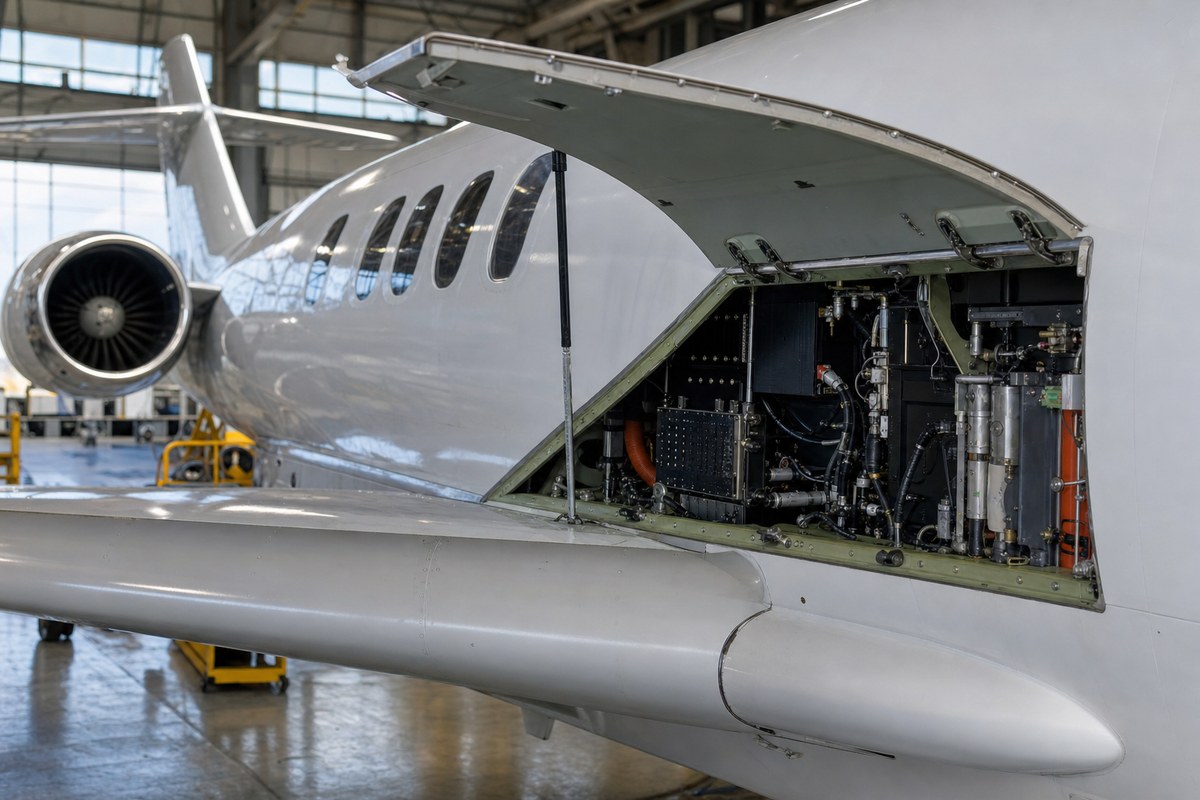
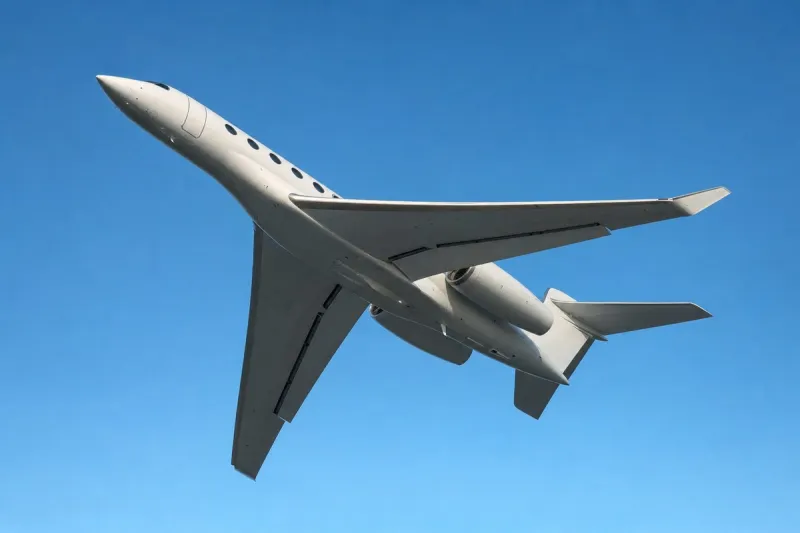
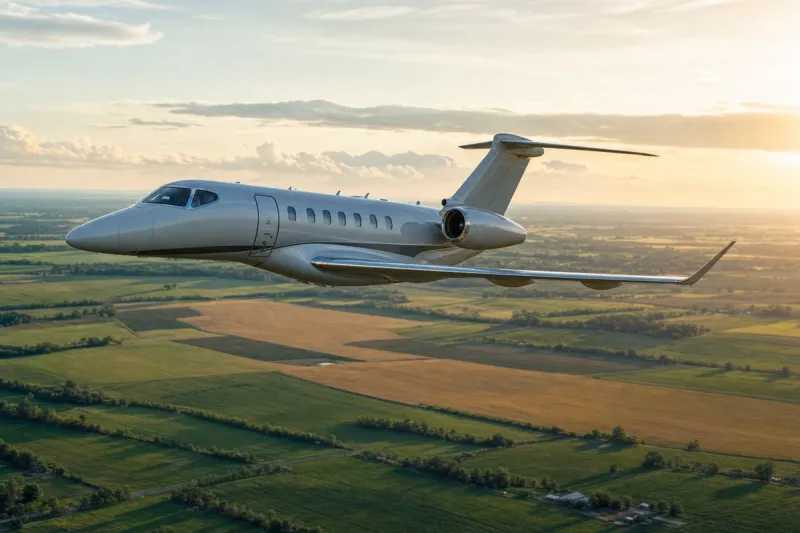
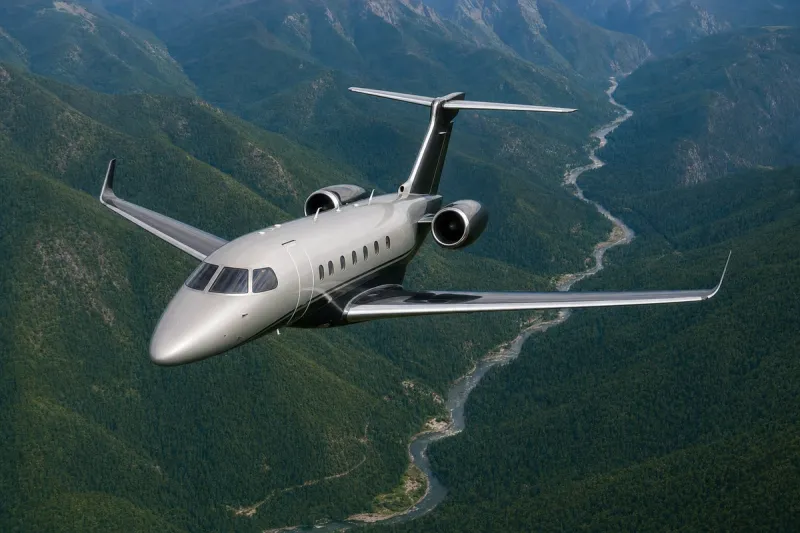
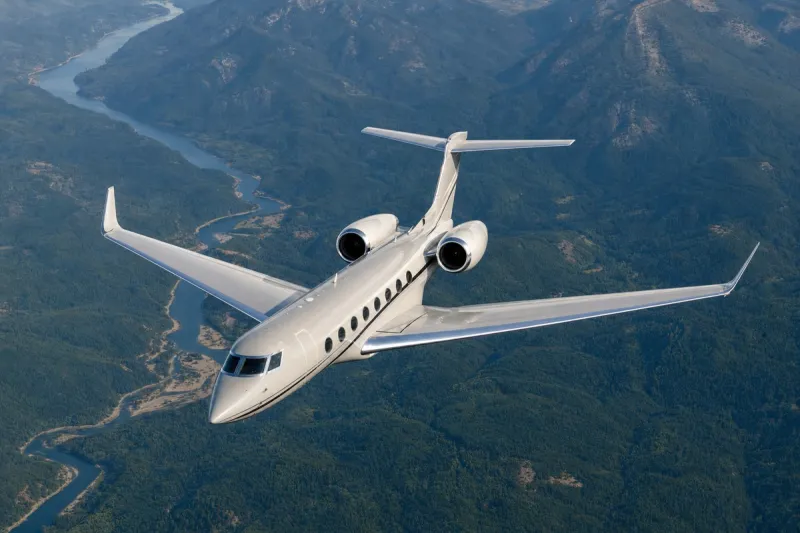
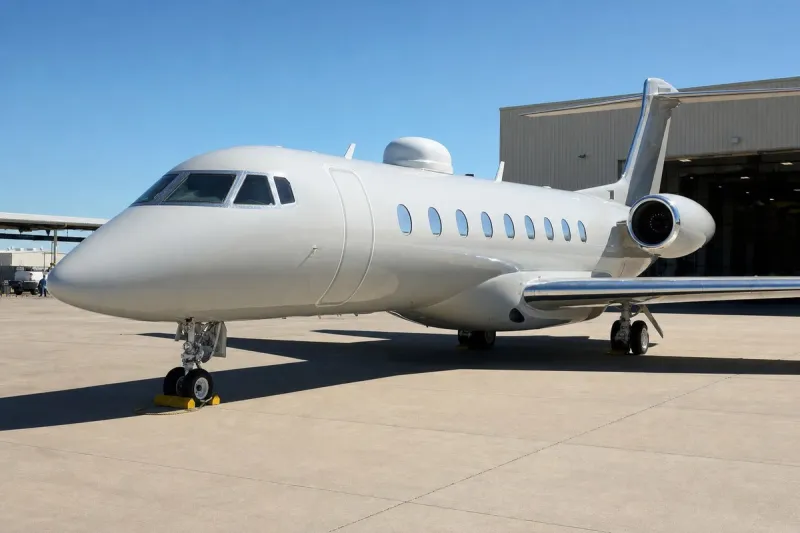
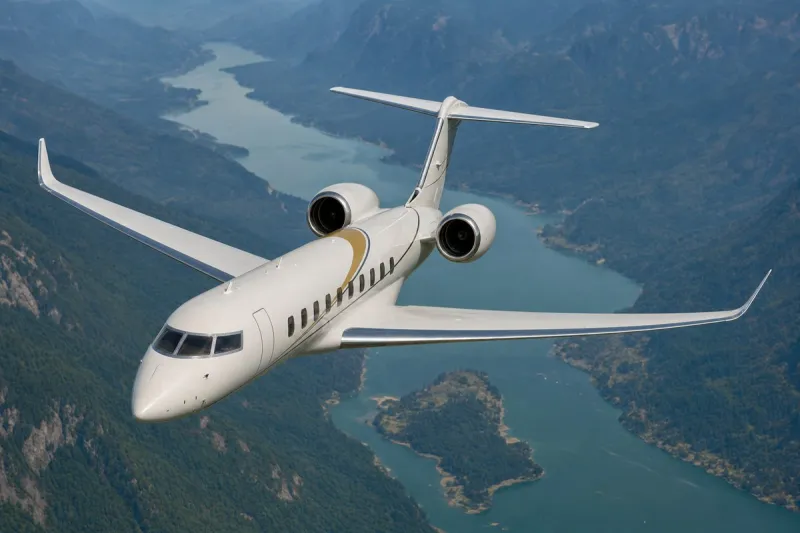
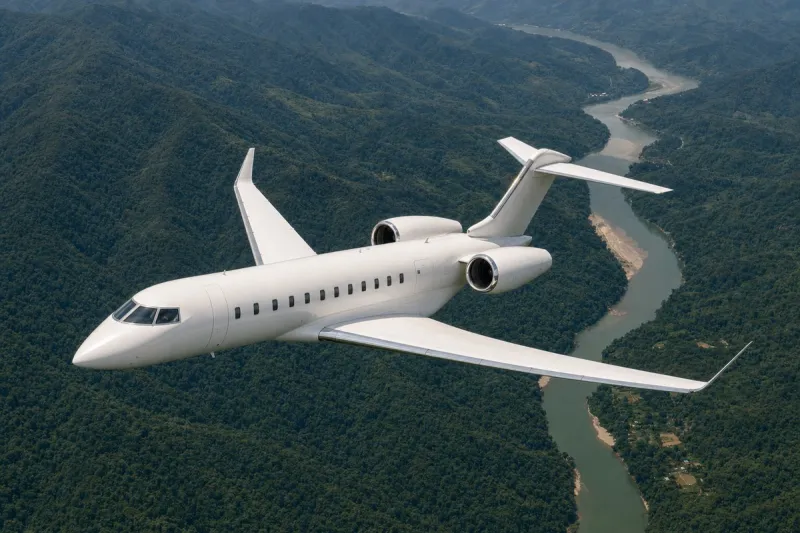
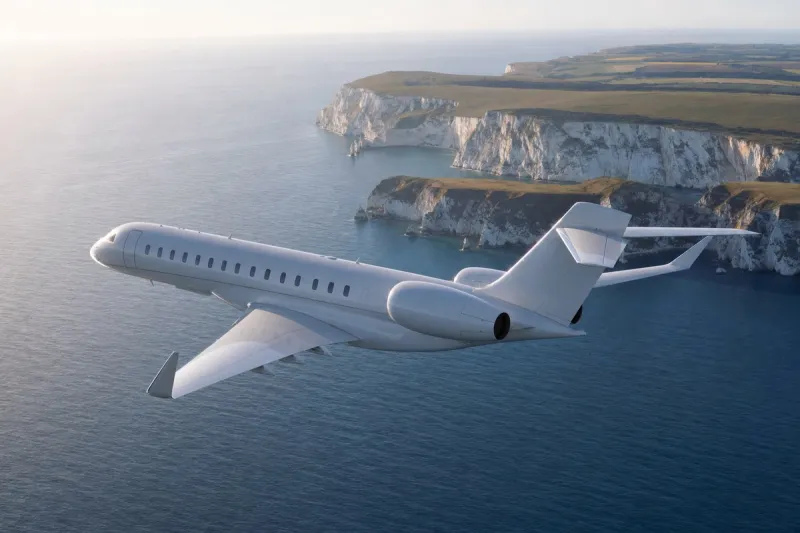
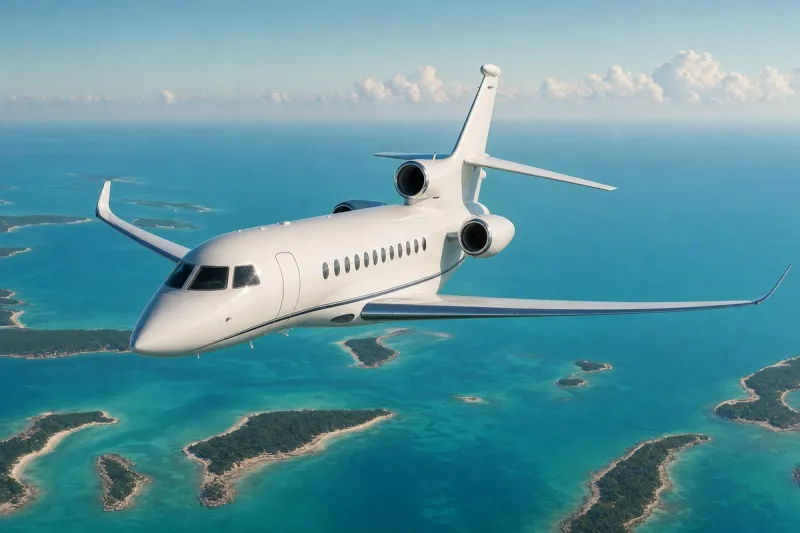
Trappier pointed to storage and integration constraints. An aircraft cannot be redesigned like a simple land vehicle, he argued, because mass, volume, safety and range change the equation entirely. As far as can be foreseen, he said, there is no ability to fly an aircraft the size of the Falcon 10X, Dassault's future aircraft, on hydrogen. Hydrogen has a much lower volumetric energy density than kerosene, so long-range flight would require far larger tanks, typically cryogenic for liquid hydrogen.
His position has moved over time. In 2020, as president of the French aerospace industry association GIFAS, he called hydrogen a "serious avenue" and considered demonstrators around 2035 conceivable. By May 2023 he told senators: "Let those who believe in it put money into it, but that will not be my case."
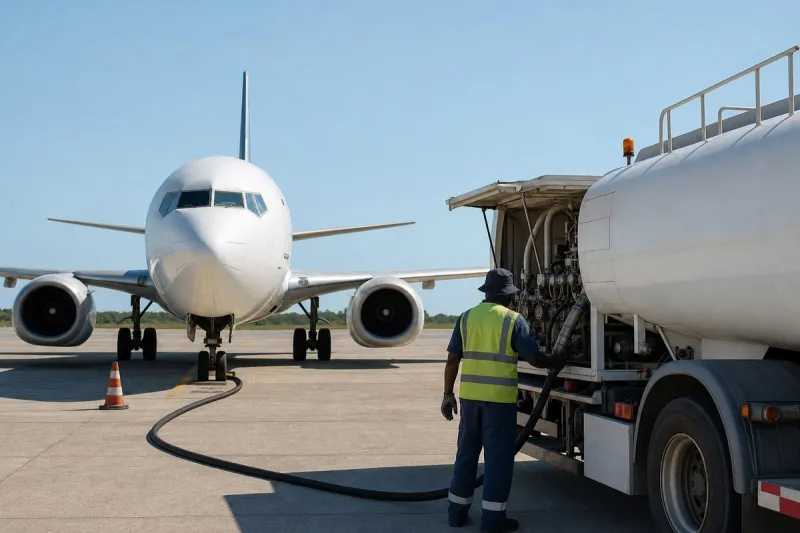
Trappier named other levers instead. He expects kerosene to remain for a long time, but said green and synthetic kerosene are being developed and could "drastically lower" CO2 consumption if genuinely supported. He argued for incentives rather than penalties for air transport, recalling that he had proposed to successive governments that operators using biofuel be exempted from taxes. He also pointed to engines that consume less fuel and to faster fleet renewal, saying today's aircraft burn far less fuel.
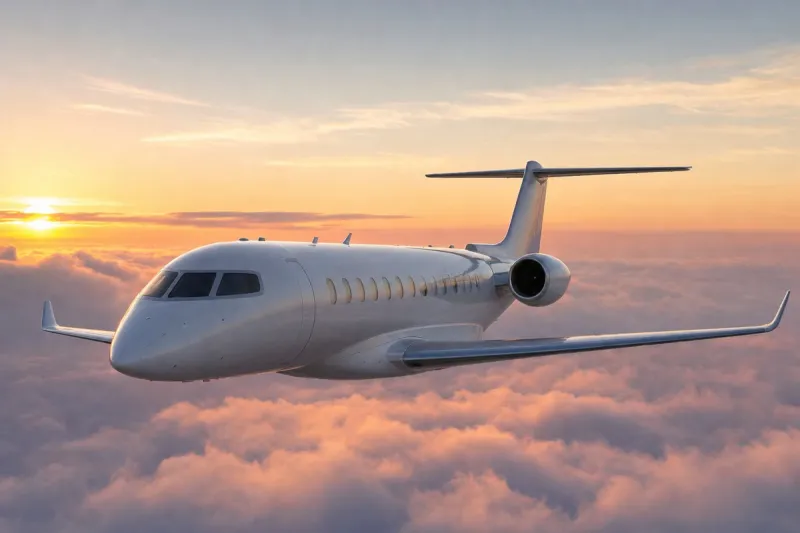
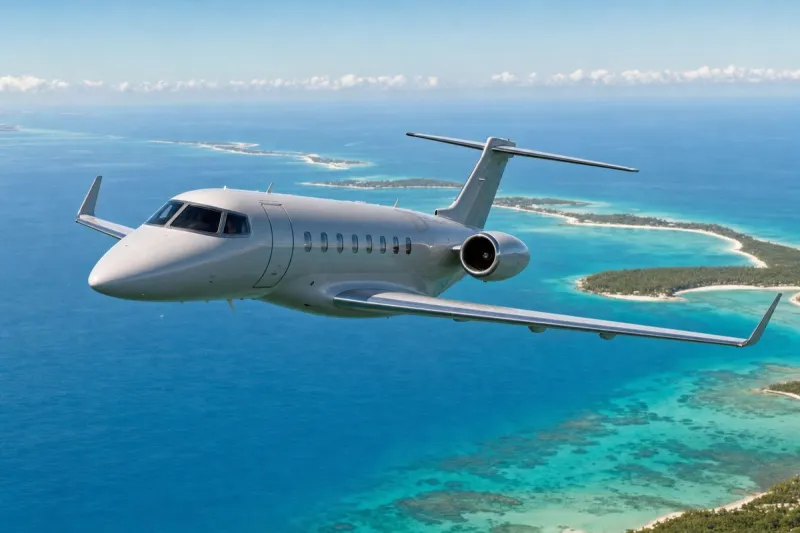
Airbus ended its hydrogen-combustion engine demonstrator in early 2025 and cut the ZEROe program budget by 25%; the first ZEROe aircraft is now expected to be a regional turboprop of about 80 passengers rather than an A380-based concept. Airbus reaffirmed in March 2025 that it has not abandoned hydrogen, shifting toward fuel-cell propulsion. The Falcon 10X made its maiden flight on 19 June 2026 and is powered by Rolls-Royce Pearl 10X engines.
Industry impact & what to watch
Dassault's statement draws a line between where hydrogen might fit and where it does not. Energy density is the core issue: the same range needs a much larger tank, and in a large long-range business jet that volume competes directly with cabin space, fuel capacity and structure. That is why the Falcon 10X is the example Trappier chose, and why the argument weighs most on the top end of the segment, where range is the product.
The practical consequence for the sector is a narrower decarbonization path for the next generation of aircraft. If hydrogen is set aside for large-cabin jets, emissions reductions have to come from drop-in sustainable fuels, more efficient engines such as the Pearl 10X on the Falcon 10X, and quicker replacement of older airframes. Those levers depend on fuel supply, incentives and tax treatment, which sit with governments and fuel producers rather than with airframers. Trappier's call to exempt biofuel users from taxes points straight at that dependency.
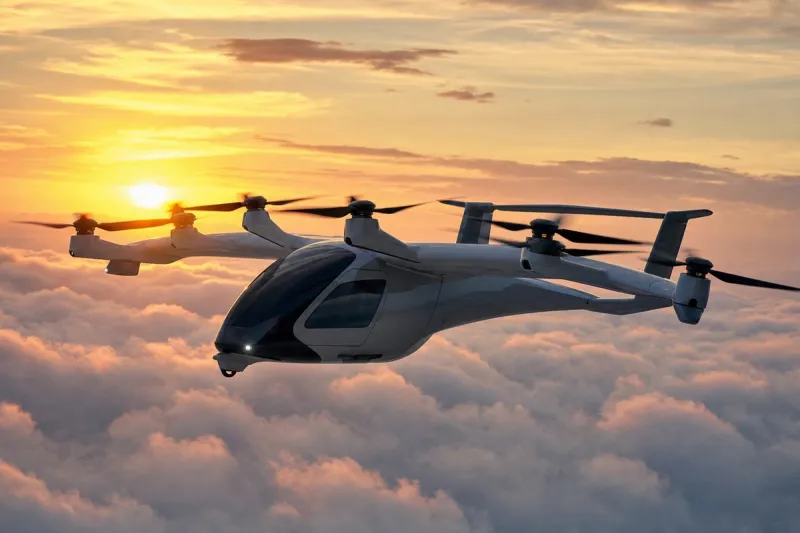
The contrast with Airbus is a matter of degree and aircraft class. Airbus has trimmed ZEROe and moved toward fuel cells and a smaller regional turboprop, while keeping hydrogen alive. The settled picture is therefore not a clean split, but a sorting of hydrogen toward smaller, shorter-range aircraft.
The next concrete signals are whether the incentives Trappier describes, such as tax exemptions for biofuel users, are taken up by governments, and how Airbus's fuel-cell regional turboprop develops.