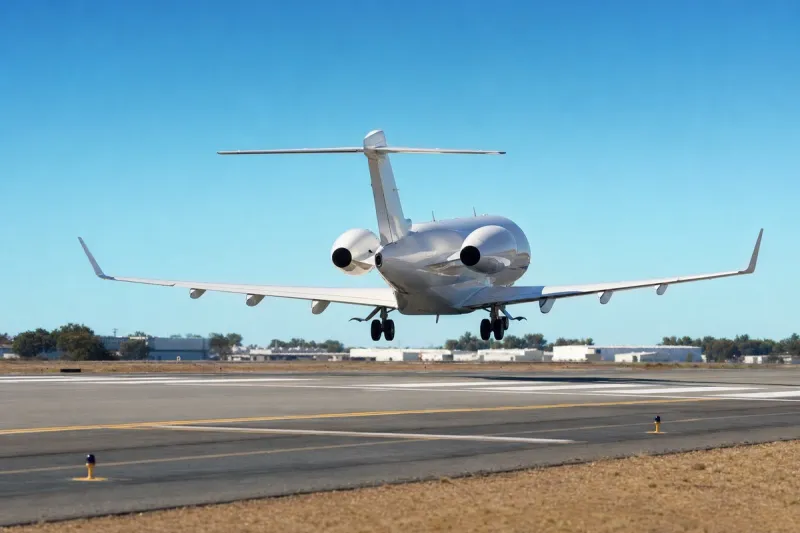
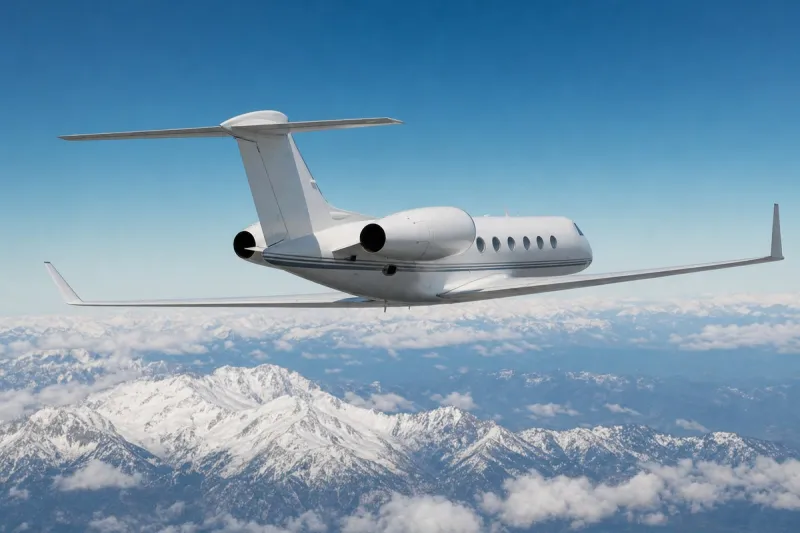
Malaysia Airlines Evaluates Replacing Its Seven Airbus A350-900s From 2030
Why It MattersA fleet of only seven aircraft makes every grounding a large share of long-haul capacity, so replacement timing against sold-out widebody slots determines whether leases must be renewed at higher prices.
What happened
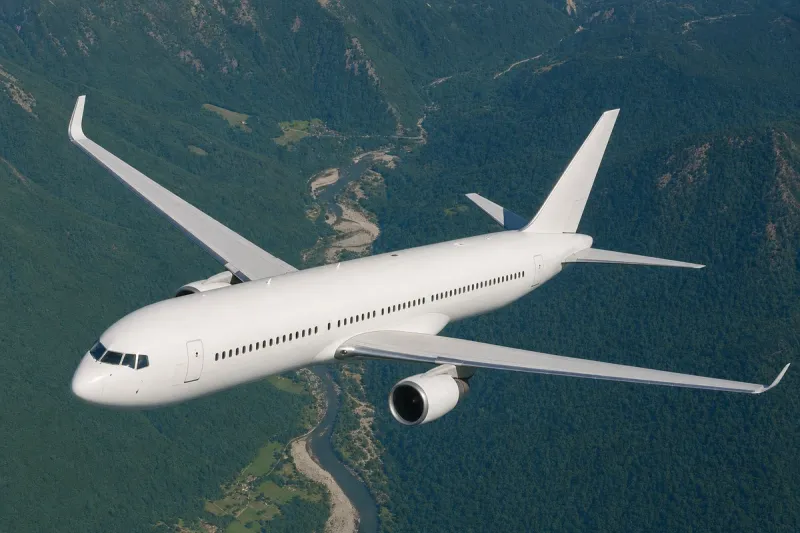
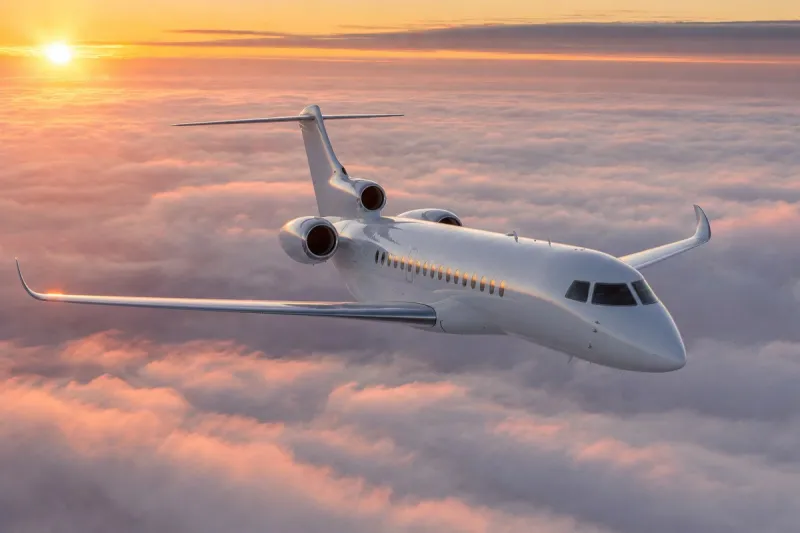
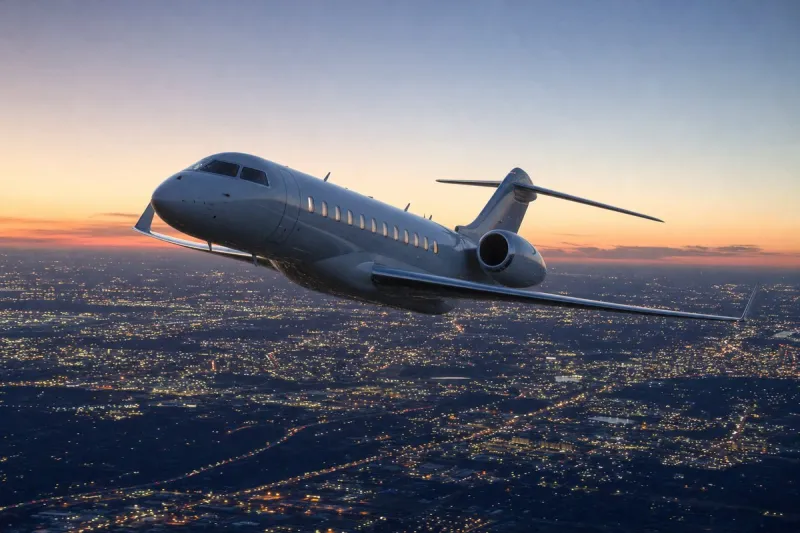
Malaysia Airlines has launched a formal evaluation to replace its Airbus A350-900 fleet starting in 2030, when the aircraft will be about twelve years old. Airlines normally keep widebody jets for around two decades. A company representative told Simple Flying that the airline is selecting aircraft for the A350 replacement.
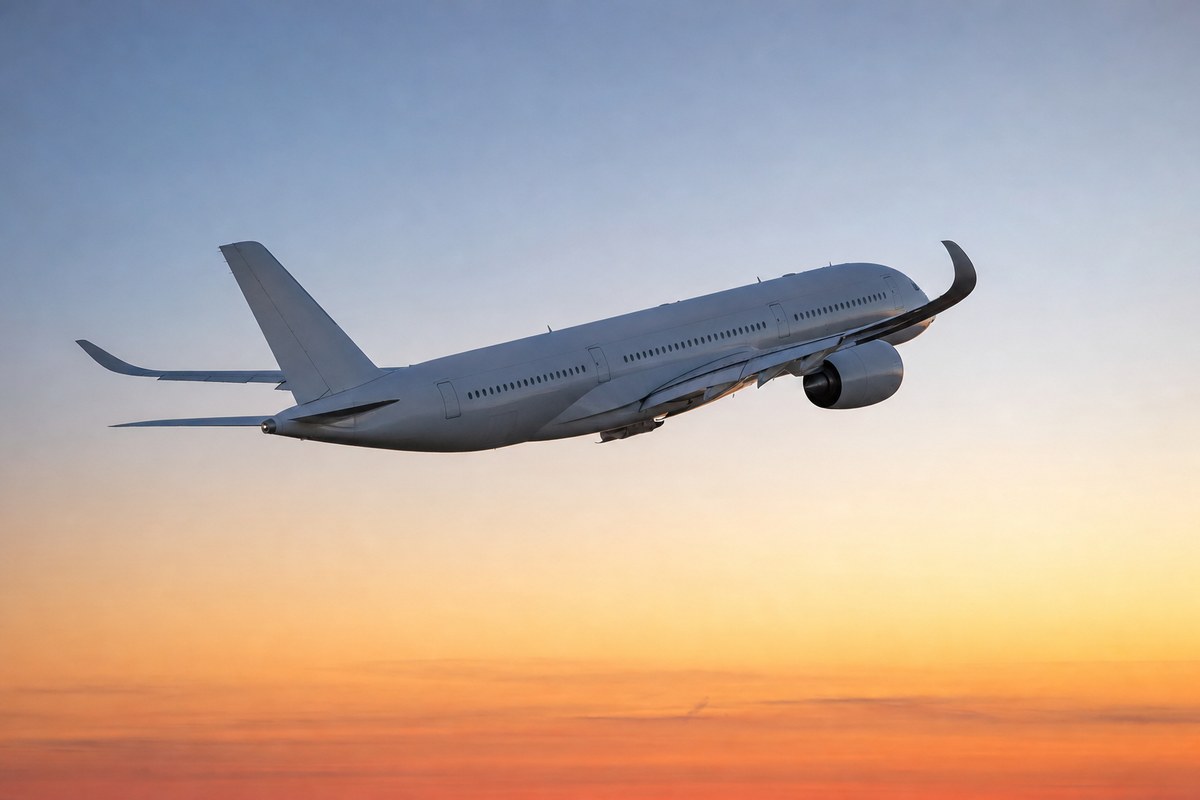
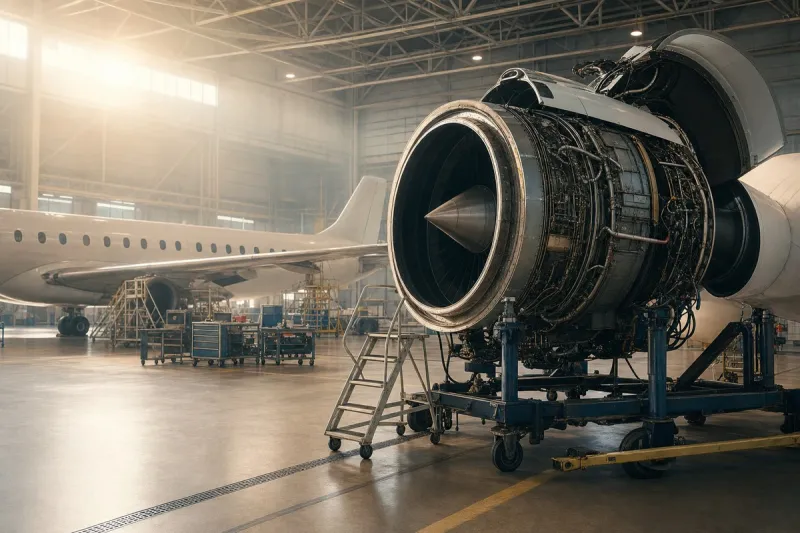
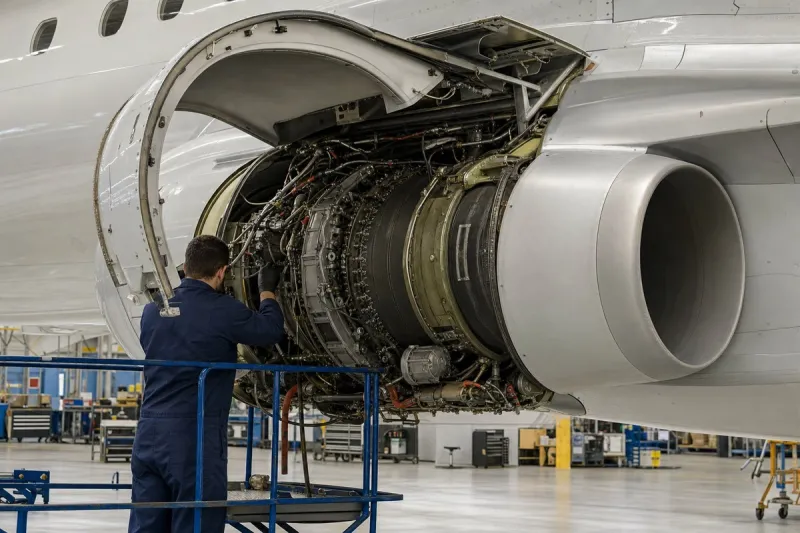
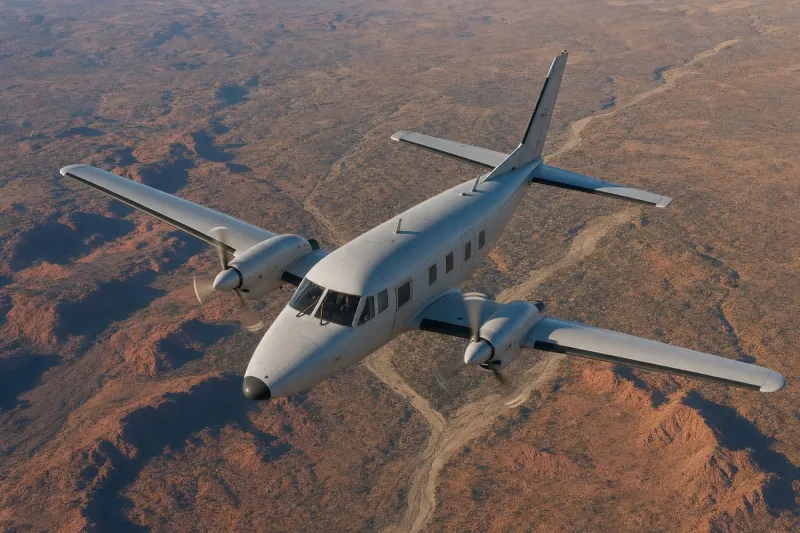
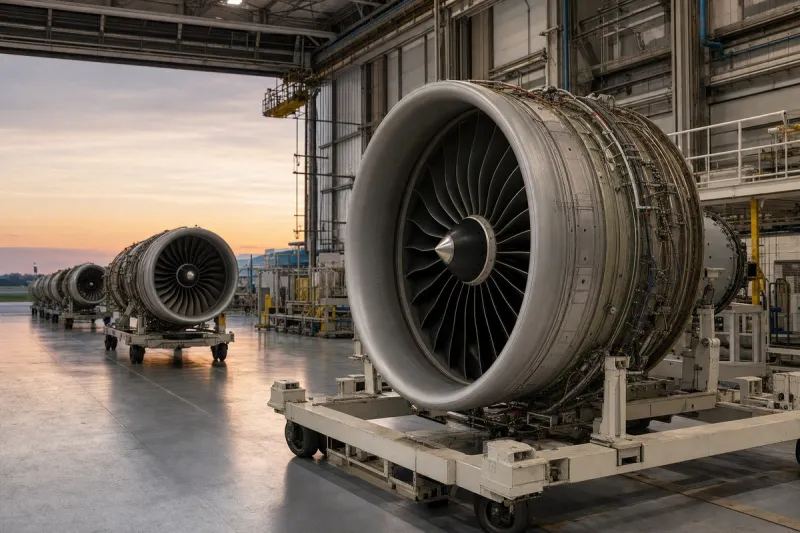
Between 2017 and 2018, the carrier leased six new A350s from Air Lease Corporation for twelve years, and JP Lease Products and Services later added a seventh aircraft. Airline planners prefer to return the aircraft to lessors when the agreements expire rather than extend them. The seven A350-900s, each powered by two Rolls-Royce Trent XWB-84 engines, fly the airline's longest intercontinental routes and can reach key European cities nonstop.
The aircraft are configured with 286 seats (four business suites, 35 business class seats and 247 economy seats), against about 325 seats on some other airlines' A350s. With only seven aircraft, grounding one cuts long-haul capacity by more than 14%; the figure became a concern when aviation authorities mandated fuel line checks on Trent XWB engines.
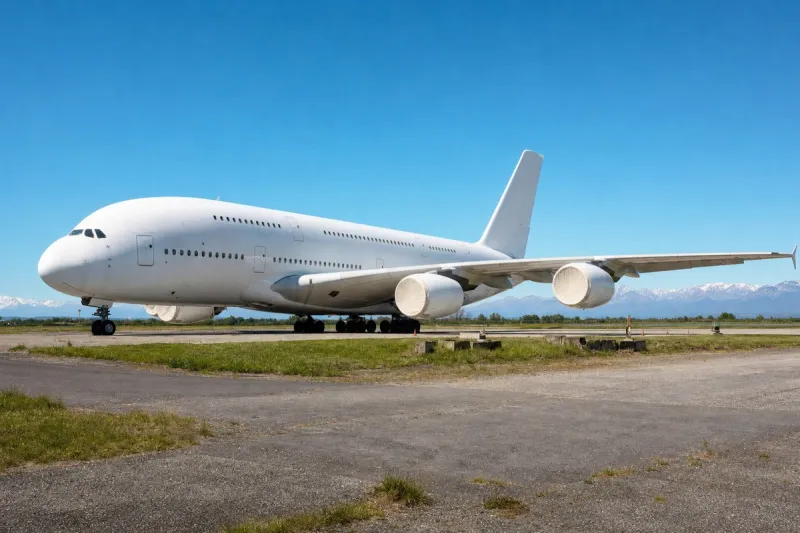
The airline has a total order of 40 A330-900neo aircraft due by 2030. The 297-seat A330-900neo has a range of 7,200 nautical miles in winter headwinds, which can still serve London nonstop but cannot reliably reach Europe year-round. Malaysia Aviation Group CEO Bryan Foong said the airline struggled with its six Airbus A380-800s, which it retired early after large write-offs, and does not want to buy an aircraft that is too large.
Malaysia is expected to order at least 10 new widebodies, with the C-suite considering up to 16. Options discussed include the Airbus A350-1000, the Boeing 787 and the Boeing 777-9.
Industry impact & what to watch
Small, single-type long-haul fleets carry concentrated risk: with seven aircraft, one engine inspection order removes a visible slice of intercontinental capacity. That arithmetic explains why a carrier in this position starts replacement planning years before lease expiry, and why the candidate list spans several sizes and manufacturers instead of a like-for-like swap.
Lease-backed fleets also make timing a cost question. Airbus has sold out most widebody production slots through the end of the decade, while Boeing faces regulatory oversight and supply chain bottlenecks, so a late order can leave an airline choosing between renewing leases at higher market prices and waiting for scarce delivery positions. Early commitments tend to decide who gets aircraft on schedule.
The next signal is the order itself: the type selected, whether the count lands near 10 or closer to 16, and how the 297-seat A330-900neo's seasonal range limit on Europe shapes the choice of a longer-range type for the A350's nonstop routes. Foong's stated aversion to an oversized aircraft, after the early A380-800 retirement and write-offs, points toward a decision weighted by seat count as much as by range.