King Air 350 Ownership Costs: About $8.5M New, $4.2M for a 2015 Used Example, and $850–$1,100 Per Hour to Operate
Why It MattersKing Air 350 economics hinge on annual utilization and the engine-overhaul cycle, so used-market pricing and management-fee structures matter more to total ownership cost than the sticker price does.
What happened
An analysis of King Air 350 ownership economics concludes that the purchase price is only the entry cost, with utilization, maintenance and market conditions driving the total outlay.
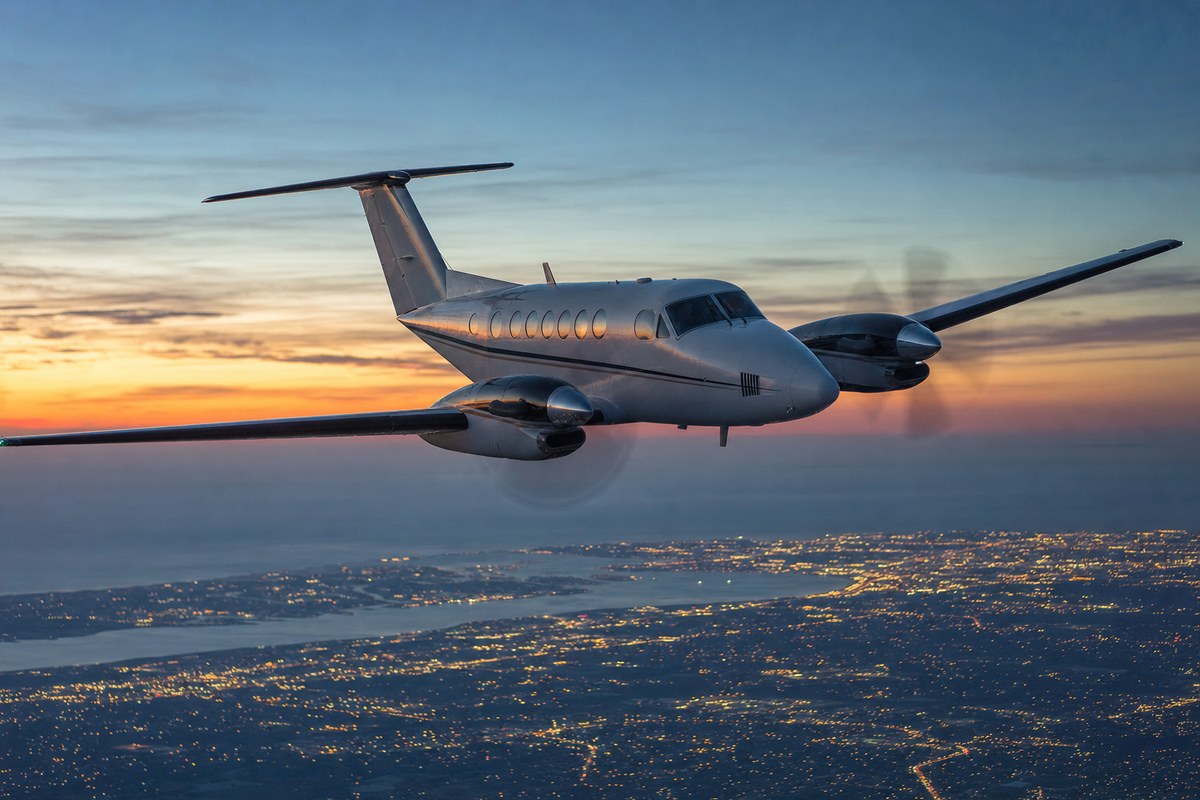
A new aircraft from the Textron factory carries a base price in the mid-$7 million range. That figure excludes a mandatory $1 million Federal Excise Tax and title and registration costs, which brings the cash outlay for a new King Air 350 closer to $8.5 million. In the used market, a 2015 model with about 4,500 hours and Pro Line 21 avionics recently sold for $4.2 million.
For a corporate aircraft flying about 400 hours a year, operators report total direct operating costs of $850 to $1,100 per hour. Fuel for a King Air 350 burning Jet A is estimated at $40 to $60 per hour, and scheduled maintenance under Textron programs at $150 to $250 per hour.
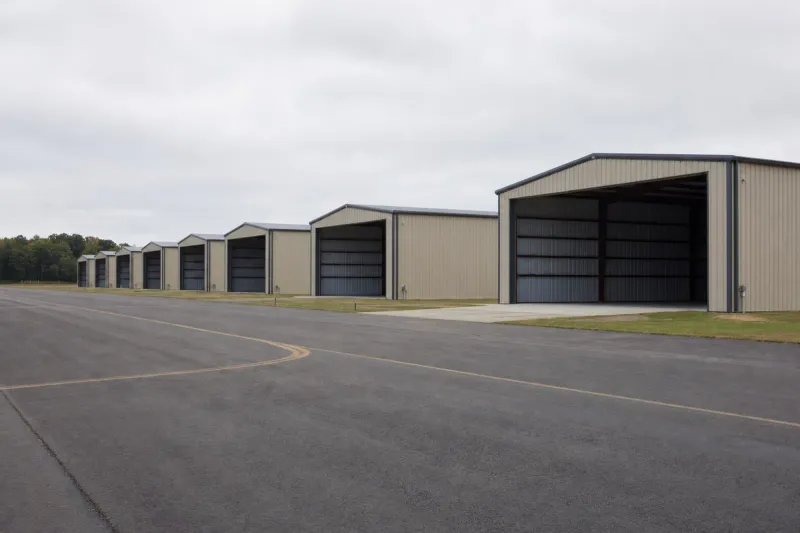
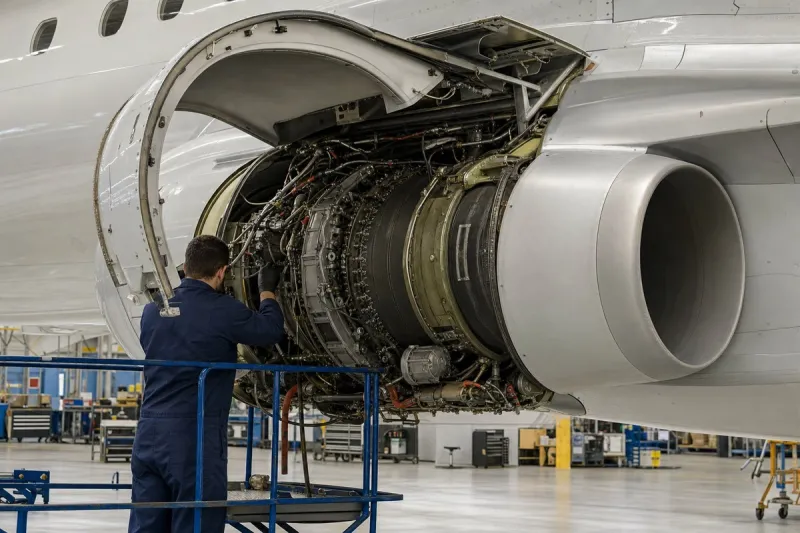
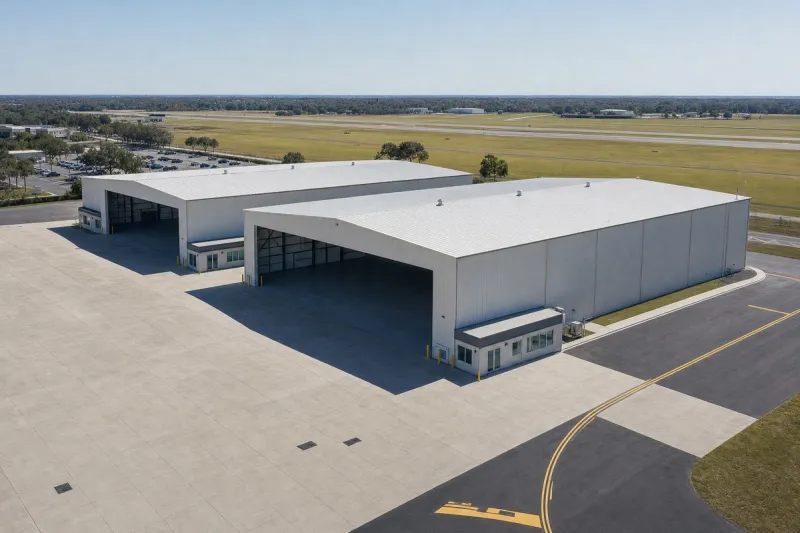
Fixed costs include hangar fees that can exceed $1,000 per month at major metropolitan airports and insurance premiums typically between $150,000 and $250,000 a year. Management companies usually charge 10% to 15% of the gross operating budget, and engine overhauls can cost upwards of $1.2 million every six to seven years.
Utilization is described as a major variable. Flying 200 hours a year versus 600 hours changes the financial profile, because an aircraft that sits idle still incurs storage, insurance and periodic engine-run costs. The analysis recommends an independent pre-purchase inspection, saying it can uncover issues such as wheel-well corrosion or pressurization-system anomalies that could otherwise lead to six-figure repair bills.
Industry impact & what to watch
The gap between a roughly $8.5 million new aircraft and a $4.2 million 2015 example shows why the used market carries so much of the turboprop segment's activity. A buyer comparing the two is also comparing different cost structures: the older aircraft brings lower acquisition cost, but the engine-overhaul cycle of six to seven years at upwards of $1.2 million arrives on a schedule the buyer inherits rather than chooses.
In this segment, hourly cost is a function of how many hours are flown. Fuel and scheduled maintenance scale with flying, while hangar, insurance and management fees do not, so an aircraft flown 200 hours a year spreads the same fixed base over far fewer hours than one flown 600. That is why the quoted $850 to $1,100 range is tied to a stated 400-hour profile and should not be read as a universal figure.
The pre-purchase inspection is the verification step that sits between a listing price and the true cost. Corrosion in the wheel wells or a pressurization-system anomaly are the kind of findings that turn a $4.2 million purchase into one with a six-figure repair attached, and a buyer comparing two similar aircraft is effectively comparing their inspection results.