United Passengers Stuck Up to Eight Hours on Chicago O'Hare Tarmac During Nationwide FAA Ground Stop
Why It MattersTarmac-delay rules protect passengers only up to defined limits and carry exceptions, so a system-wide stop shows how quickly one airline's recovery can outlast the national disruption that triggered it.
What happened
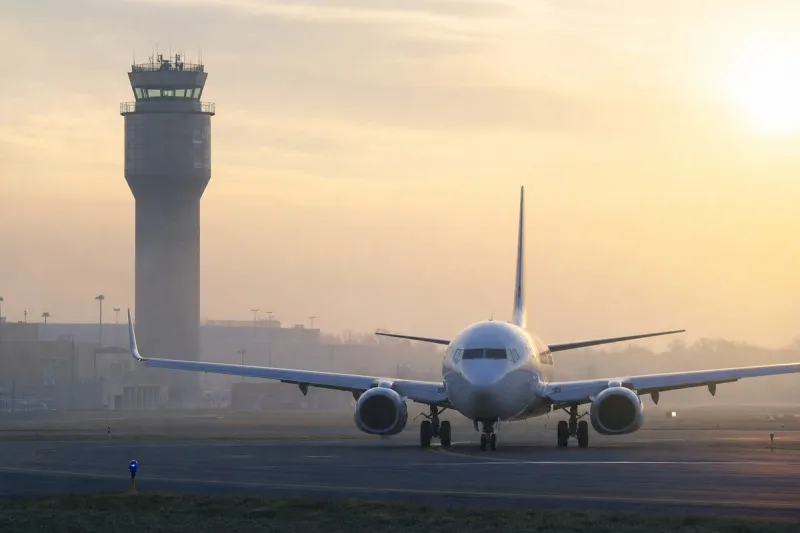
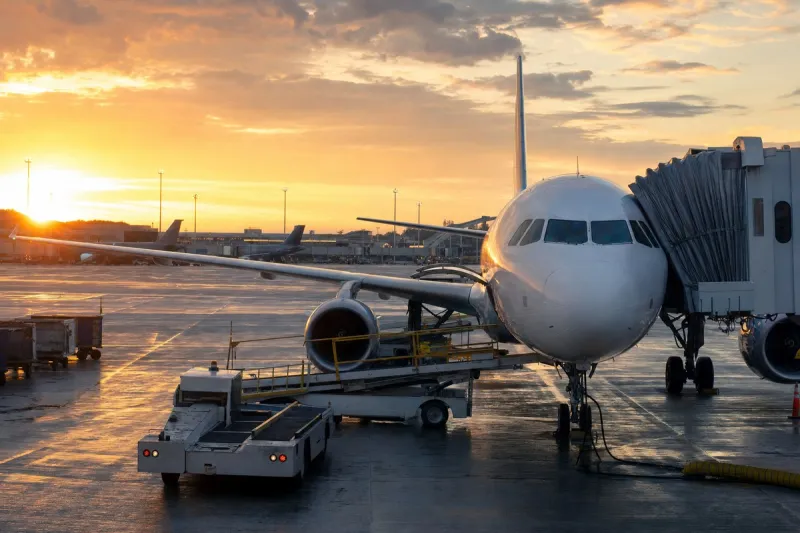
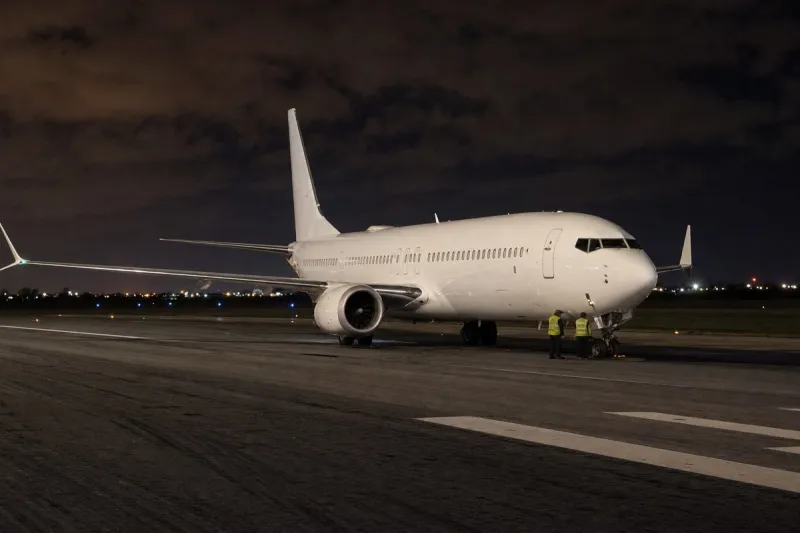
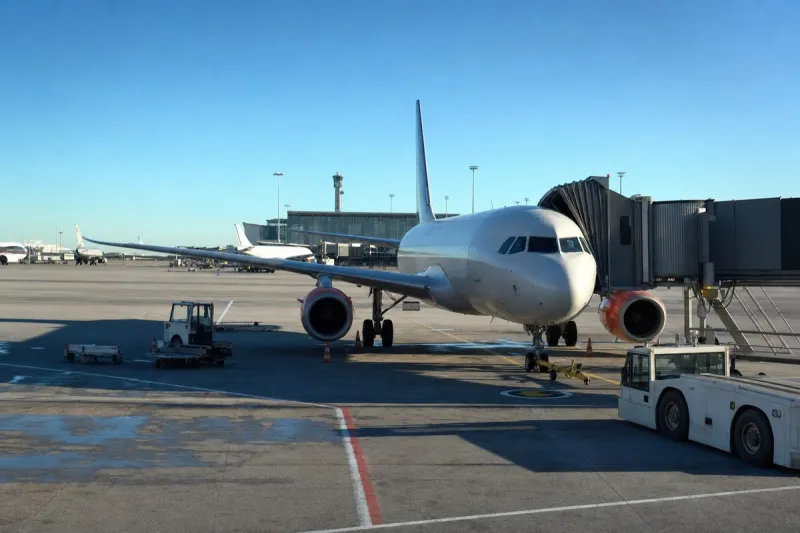
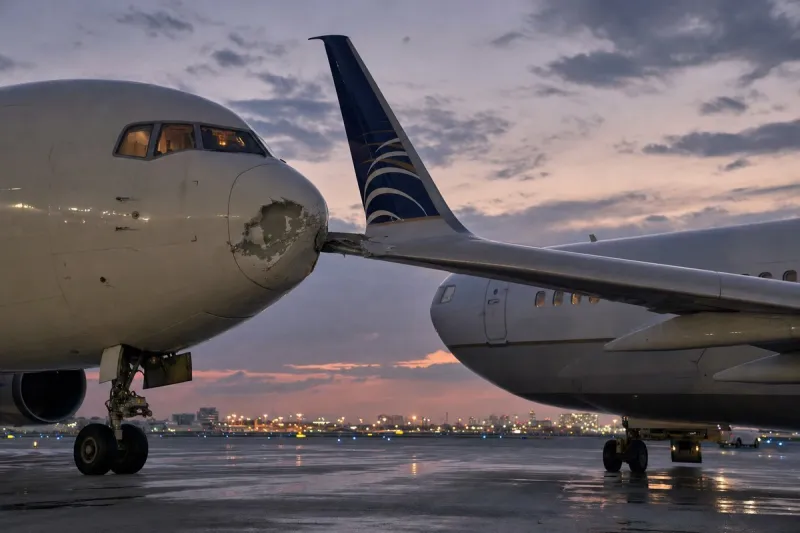
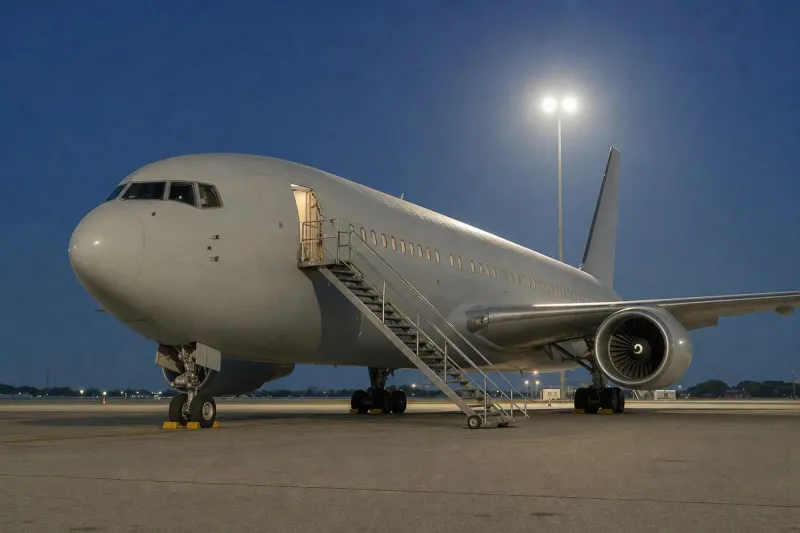
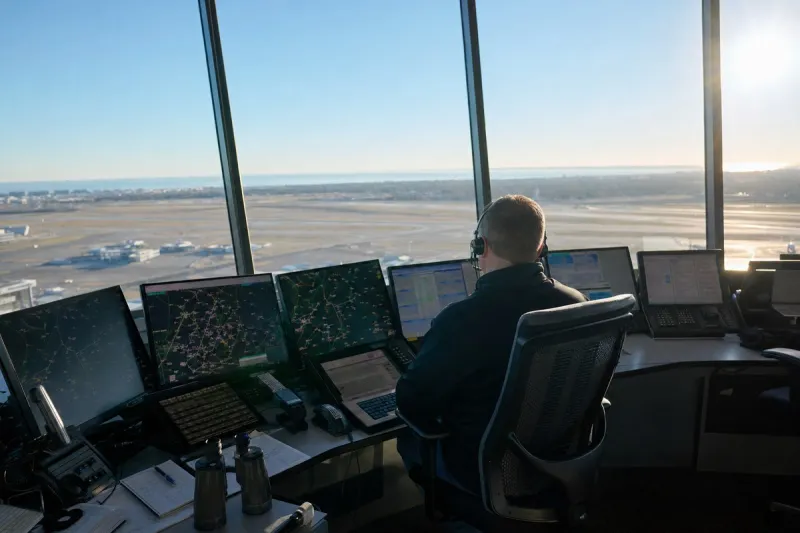
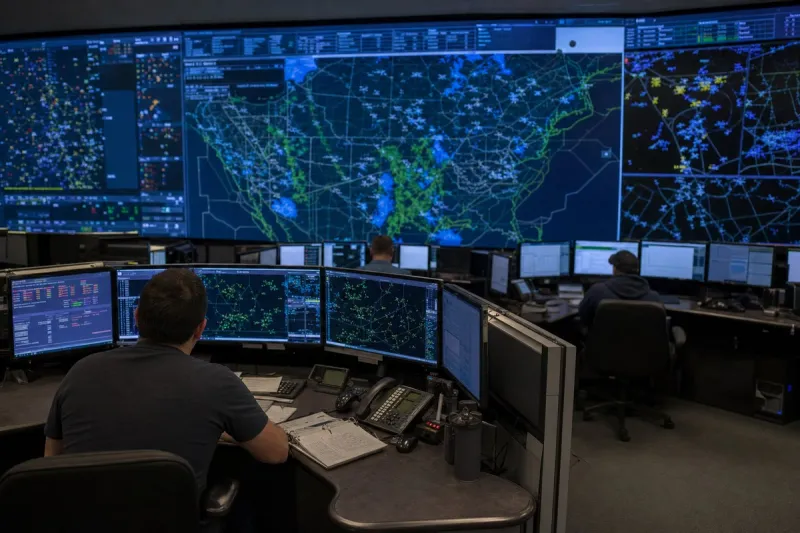
A nationwide ground stop on Friday afternoon, described as the longest since the September 2001 terror attacks, left passengers on flights around the US facing lengthy waits on the tarmac. In some of the more extreme cases, United Airlines passengers were kept on board for seven or even eight hours before getting off.
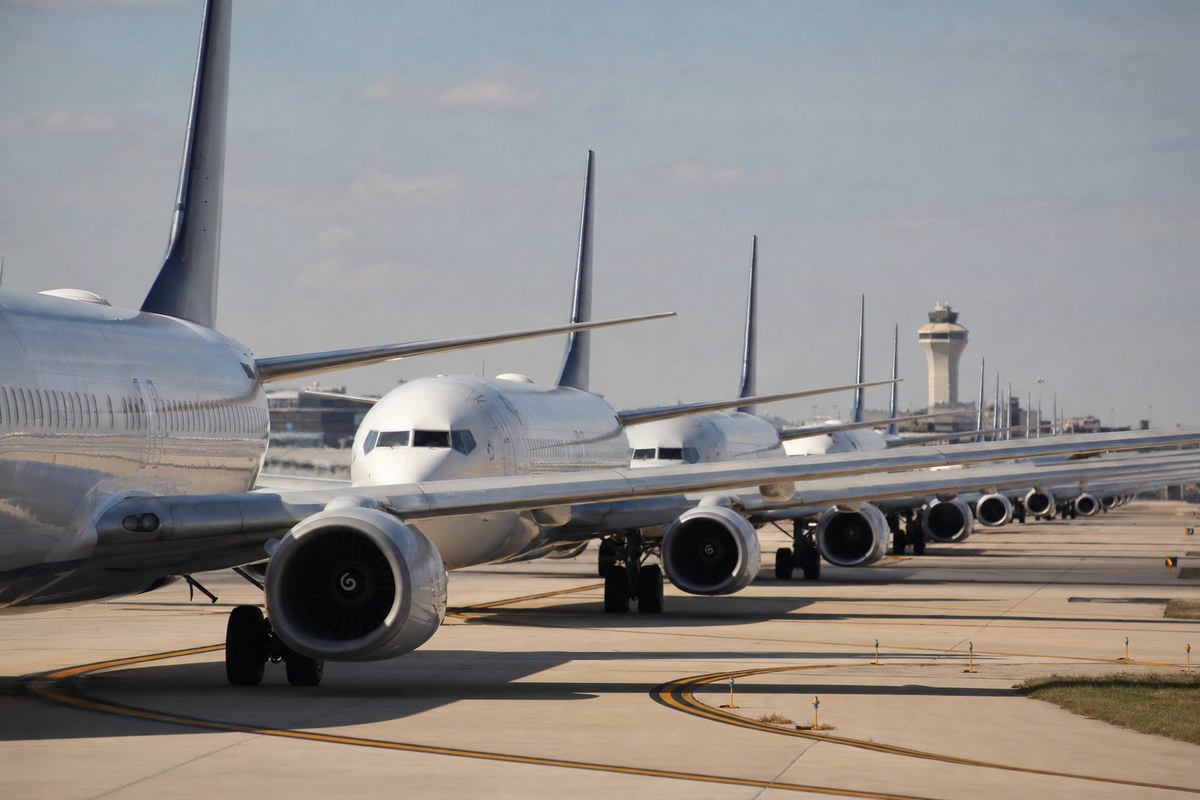
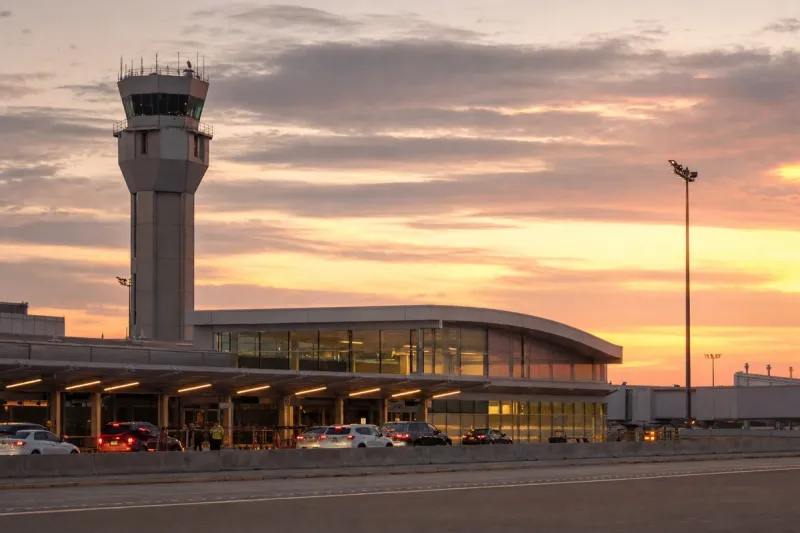
One passenger, Sankoh, said his flight never left the ground and that he could only disembark after 9:00 PM, close to seven hours later. He returned to Chicago O'Hare (ORD) on Saturday to rebook and spent another four hours in line.
Another passenger, Bryson Moser, spent even longer stuck on the tarmac: his flight from ORD to Charleston, South Carolina, faced an eight-hour ground delay before it was canceled and he could get off. Moser said the pilot did his best to relay information but was eventually cut off, and that United Airlines did not give him answers.
US aviation has largely recovered from Friday's disruption, which also caused knock-on delays and cancelations on Saturday and Sunday. On Monday, November 16, United faced a separate system outage that temporarily grounded all of its departing flights that evening. Flights already airborne and those operated by regional partners under the United Express banner were not affected, and the system was down for about an hour.
The tarmac-delay rules
US airlines are normally required to give passengers the chance to disembark after three hours on a domestic flight or four hours on an international service. Airlines must tell passengers the status of the delay after 30 minutes, with later updates at the carrier's discretion.
Lavatories must remain operational, medical aid must be provided to passengers who need it, and by two hours into a delay airlines must provide adequate food, typically a snack, and drinking water. Exceptions apply where letting passengers off would pose a safety or security risk or disrupt other airport operations.
Industry impact & what to watch
The accounts of seven and eight hours on board sit against a standard that, for domestic flights, points to a three-hour limit. The exceptions for safety, security and disruption to other airport operations give carriers room to hold passengers longer, and a nationwide stop is the kind of event in which those exceptions come under the most pressure. Whether any of these delays fell within an exception is not established by the accounts available.
A national ground stop also lands unevenly on a single hub. Aircraft that have pushed back cannot easily return to a gate, and each canceled flight sends its passengers into rebooking queues, as Sankoh's four-hour wait at O'Hare the next day illustrates. The knock-on delays and cancelations on Saturday and Sunday show that recovery for an airline runs well past the moment the FAA lifts the restriction.
United's separate system outage on Monday evening, about an hour long and limited to departing mainline flights, added a second interruption in the same week. The next milestone worth tracking is any statement from United or the regulator on how the delays at O'Hare were handled against the three-hour rule.