ATSB Finds Instructional Flying Accident Rates Falling in Australia Over Past Decade
Why It MattersThe data point to risk concentrated in landing control and uncontrolled-airspace separation, with helicopters and multi-engine aircraft standing out, so flight-school safety effort has clear places to aim.
What happened
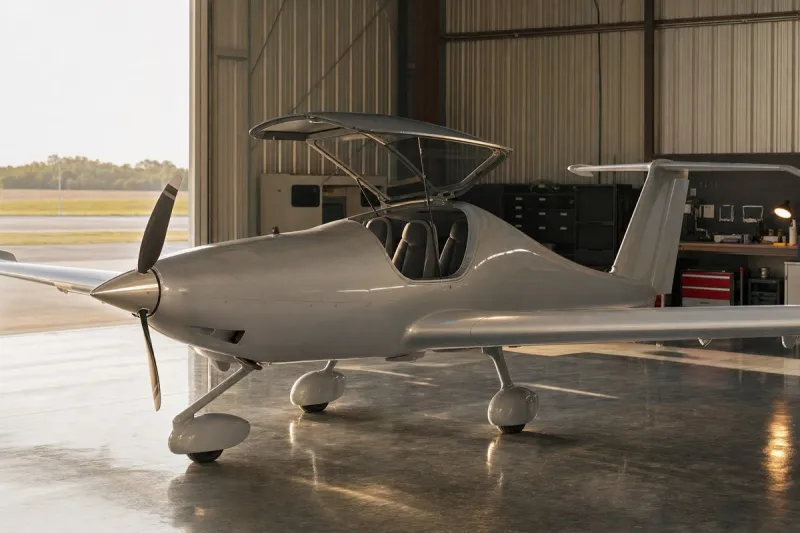
The Australian Transport Safety Bureau (ATSB) has found a downward trend in the rate of instructional flying accidents involving VH-registered aircraft over the past decade. In a report released this month, it analysed 5,131 instructional flying occurrences reported between 2015 and 2024.
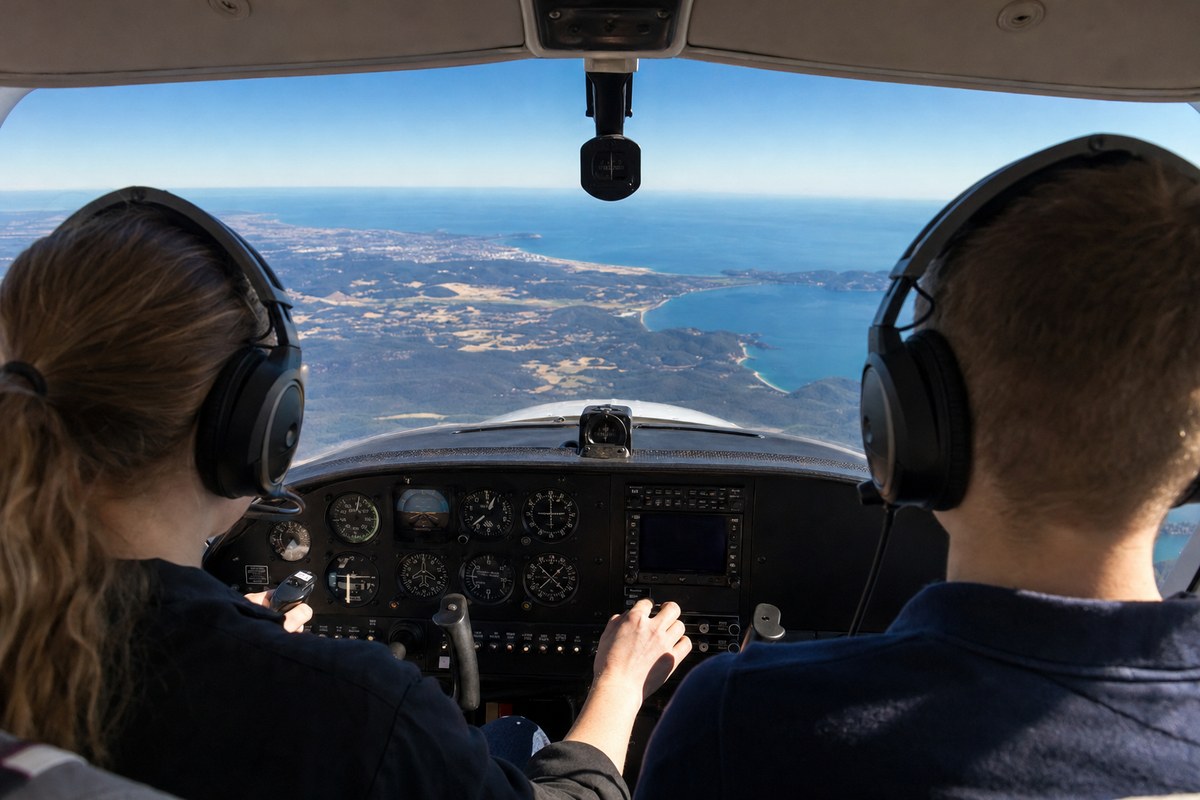
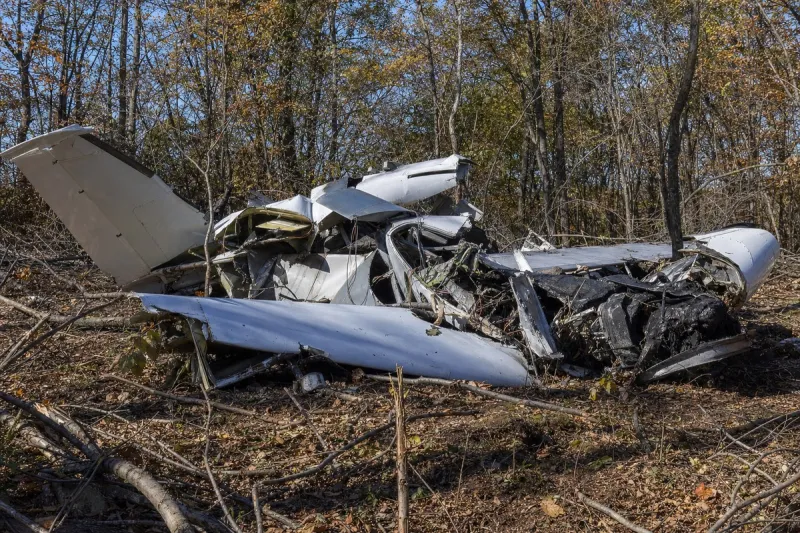
Accidents averaged 19 per year, with the accident rate trending lower across the 10 years. Accidents, including 15 fatal and nine serious injury accidents, made up about 4 per cent of occurrences, while serious incidents made up a further 8 per cent.
The ATSB said instructional flying had a lower accident rate than most other general aviation activities (sports and pleasure flying, aerial work), except own business flying. The number of fatal accidents was double during dual instructional flying compared with solo flying, possibly reflecting a higher frequency of dual-training flights. Dual and solo instructional flying carried similar accident risks, with similar numbers of aircraft control issues and terrain collisions.
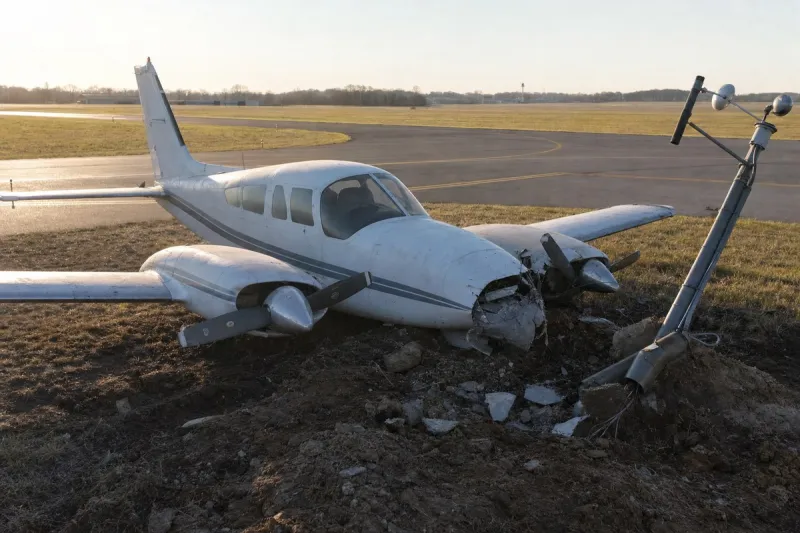
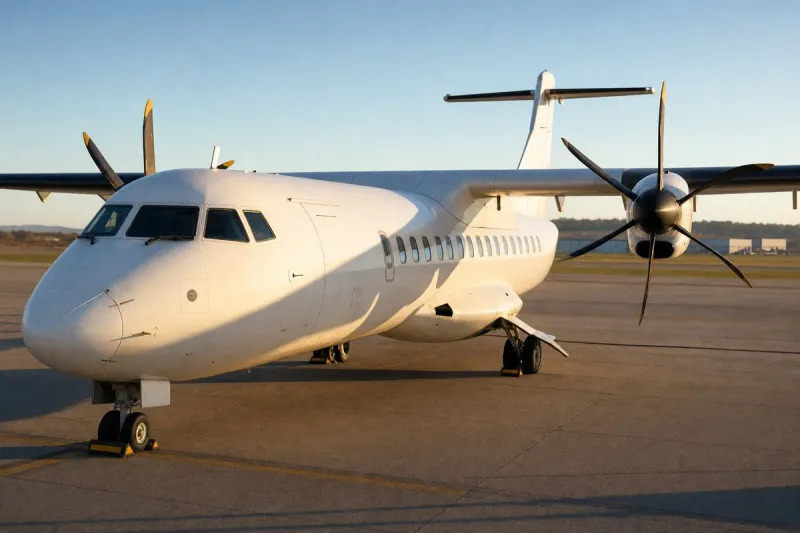
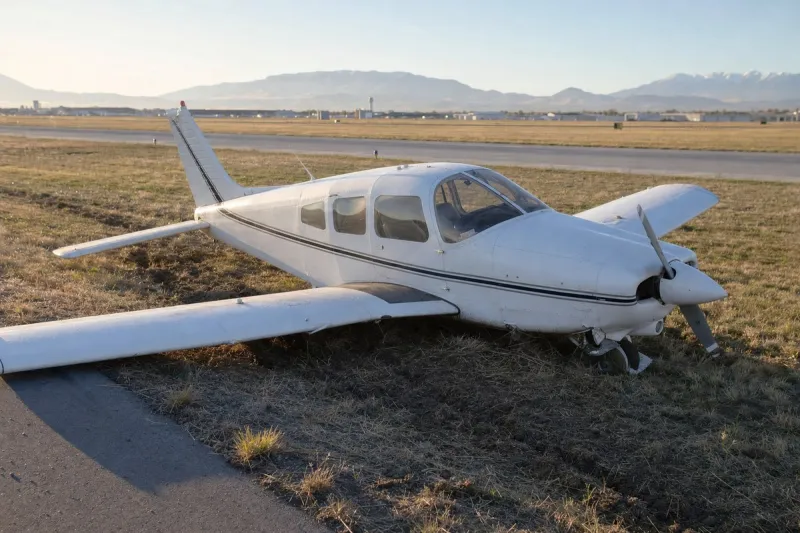
Most occurrences involved aeroplanes, but helicopters recorded nearly three times the accident rate, double the fatal accident rate and higher rates of serious incidents than aeroplanes. Multi-engine aeroplanes had a fatal accident rate around five times higher than single-engine aeroplanes, which ATSB director of transport safety Dr Stuart Godley said was likely related to training activities and aircraft complexity.
Godley said the greatest accident risk was aircraft control issues, especially hard landings and loss of control, with over half of these occurring during the landing phase. For serious incidents, where accidents almost occurred, the leading factor was aircraft separation issues, including near collisions. These typically occurred in uncontrolled airspace and were commonly associated with failures in monitoring and checking, ineffective communication and coordination, inadequate task experience or recency, and increased workload or distractions.
Where the risk sits
Godley placed the greatest accident risk in aircraft control issues, above all hard landings and loss of control, with more than half of them happening in the landing phase.
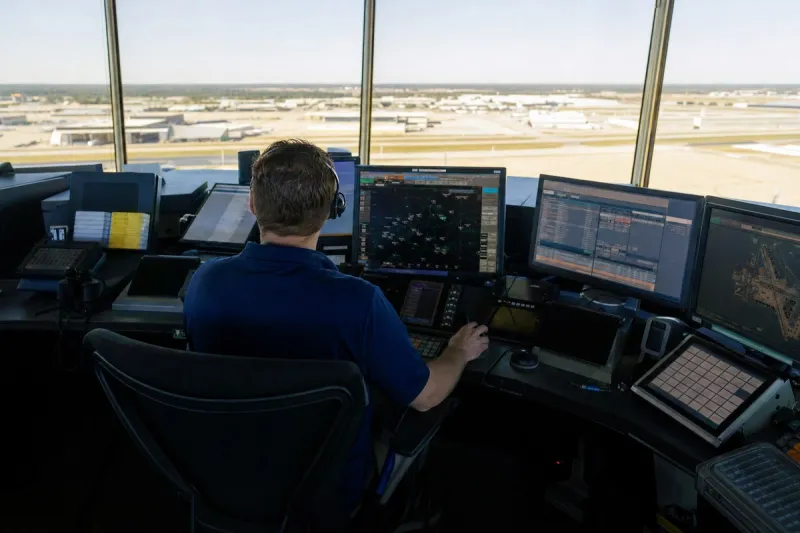
For the near-miss end of the scale, aircraft separation led the serious incidents, mostly in uncontrolled airspace. The ATSB linked these to lapses in monitoring and checking, ineffective communication and coordination, inadequate task experience or recency, and increased workload or distractions.
Industry impact & what to watch
The decade of data separates two kinds of exposure. Accidents cluster around the landing phase, where handling errors turn into hard landings and loss of control. Near collisions cluster in uncontrolled airspace, where traffic separation depends on the pilots' own lookout and radio discipline rather than on a controller. Both exposures sit inside ordinary training sorties, which helps explain why the ATSB's recommendations centre on lookout, separation management and a robust safety management framework rather than on any single aircraft or procedure.
The type breakdown matters for how a training operation reads its own numbers. Helicopter instruction carries a materially higher accident rate than aeroplane instruction, and multi-engine aeroplanes show a much higher fatal accident rate than single-engine ones. Godley tied the multi-engine figure to training activities and aircraft complexity, so a school flying those types faces a different risk profile from one flying basic single-engine trainers. The finding that dual and solo flights carry similar accident risk also suggests that supervision alone does not remove the exposure.
The ATSB has asked all operators involved in instructional flying to review the report and apply targeted safety strategies. The next point to watch is how individual operators respond to that request in their own safety management systems.