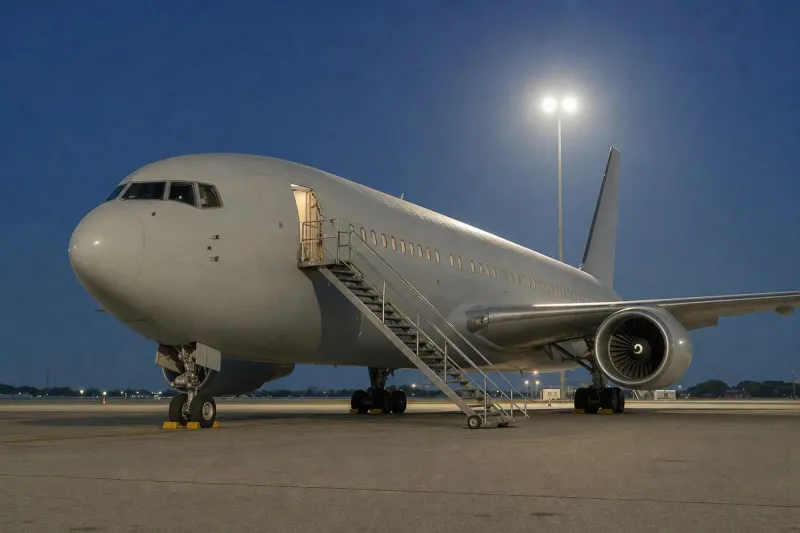
Etihad Extends Abu Dhabi–Riyadh and Dammam Cancellations Through November 19 as Saudi Disruption Persists
Why It MattersCancellations for Riyadh and Dammam, set against largely continuing Jeddah and Madinah service, show how airlines manage Saudi exposure route by route, with dated suspensions that carriers review and extend repeatedly.
What happened
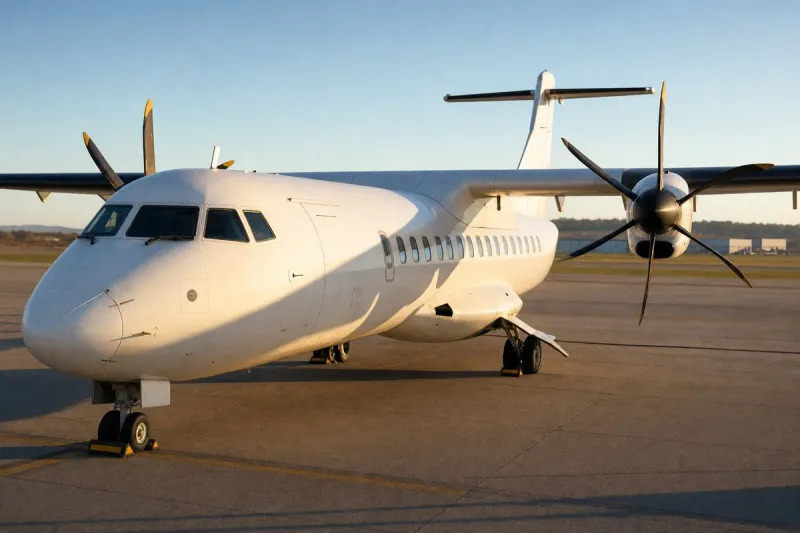
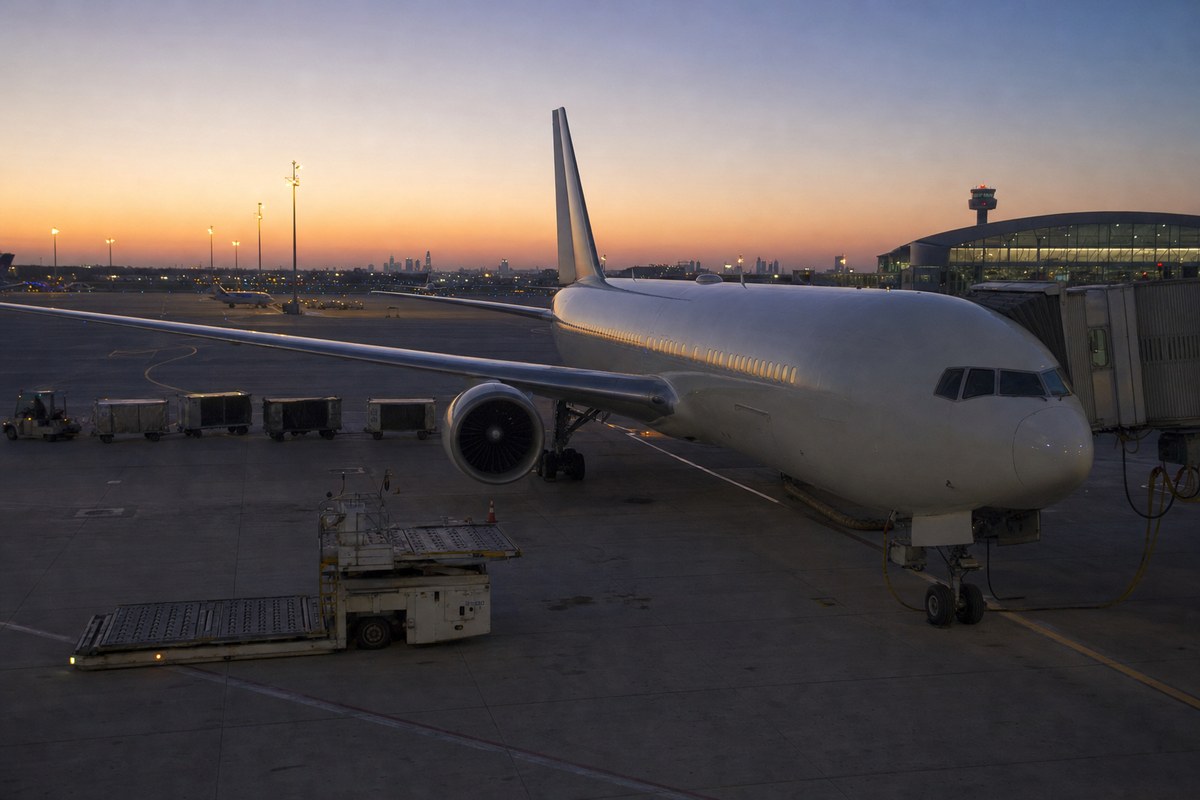
Etihad Airways has extended cancellations of all passenger and cargo flights between Abu Dhabi and Riyadh, and between Abu Dhabi and Dammam, through Thursday, November 19. Flights EY601, EY602, EY603 and EY604 to Jeddah are scheduled to operate, and other Abu Dhabi–Jeddah services are listed as operating as scheduled.
Other UAE carriers are running mixed schedules to Saudi Arabia. Emirates' November 17 flight information shows no status data for Dubai–Riyadh and Dubai–Dammam, which should not be read automatically as cancellations; EK805 and EK803 serve Jeddah, and EK807, EK2537 and EK809 serve Madinah. flydubai cancelled FZ869 and FZ867 to Dammam, while FZ883 arrived. Air Arabia cancelled G9151 from Sharjah to Riyadh and lists G9154 as scheduled; services to Dammam, Gassim, Ha'il, Jeddah, Madinah and Tabuk continue, while Al Jouf, Jizan and Taif are listed as not operating.
Several international airlines have suspended Saudi routes: IndiGo (Jeddah and Madinah through November 21; Riyadh and Dammam through November 30), Akasa Air (Riyadh and Jeddah through November 30), Air France (Riyadh through December 12), Cathay Pacific (Riyadh until January 31, 2027), Lufthansa (Riyadh until November 18; Dammam until November 30), KLM (Riyadh and Dammam until November 27), ITA Airways (Riyadh until November 18), Philippine Airlines (PR654 and PR655 until November 29) and Scoot (Singapore–Jeddah until December 2).
The UAE General Civil Aviation Authority has suspended flights by Iranian airlines, including Iran Airtour, Caspian Airlines and Karun Airlines, to and from the UAE until further notice. flydubai and Emirates Dubai–Tel Aviv services remain suspended. The European Union Aviation Safety Agency (EASA) has extended its Gulf airspace warning.
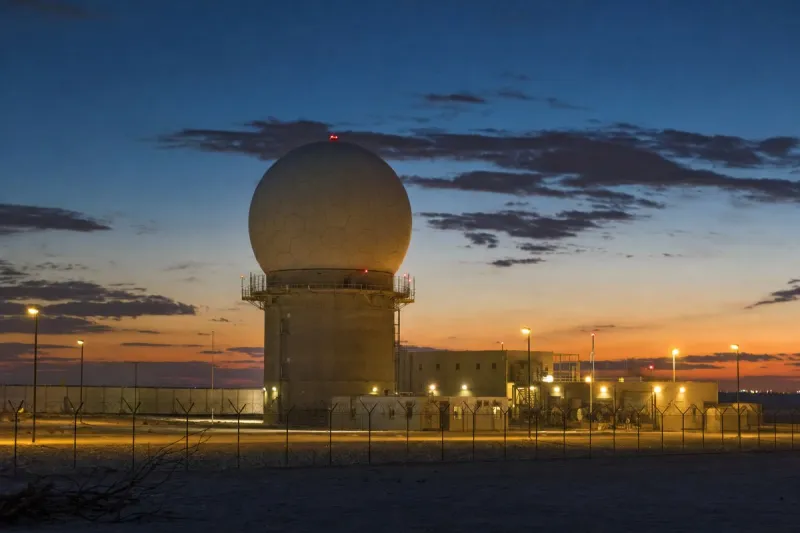
On security, the Panama-flagged LPG tanker Tara Gas was attacked about seven nautical miles north of Khasab, Oman, on November 16; India's Ministry of Ports, Shipping and Waterways said all 25 crew, including 24 Indian sailors, were safe. Explosions were heard in Manama, Bahrain, and Iran's Revolutionary Guards said they launched a drone attack on a US-operated radar system at Sheikh Isa Air Base.
SpiceJet's ground-handling services and check-in counters at Dubai International Airport were suspended on November 17 over unpaid dues, and Dubai departures to Mumbai, Amritsar, Jaipur and New Delhi were listed as cancelled. In the US, the Federal Aviation Administration (FAA) said air traffic is returning to normal after a November 13 nationwide ground stop caused by a telecommunications network problem, with no indication of a cyberattack. Passengers are advised to confirm flight status with their airline before travelling.
Industry impact & what to watch
The pattern across carriers is selective rather than blanket withdrawal. Riyadh and Dammam carry the cancellations at Etihad, flydubai and Air Arabia, while Jeddah and Madinah services keep operating on several of the same airlines. For network planners, that means exposure is managed airport by airport, and a carrier's Saudi network can shrink and hold at the same time.
Suspension end dates also differ widely, from November 18 for Lufthansa and ITA Airways at Riyadh to January 31, 2027 for Cathay Pacific. Short rolling extensions like Etihad's through November 19 keep schedules flexible but leave connecting passengers, cargo bookings and crew rotations dependent on repeated reviews. Longer suspensions give planners a firmer basis to reroute, at the cost of a bigger capacity gap on the affected city pairs.
The next dated markers are the lapse of Etihad's current cancellation window on November 19 and the November 18 ends of the Lufthansa and ITA Airways Riyadh suspensions. Whether those routes resume or are extended again will show how the carriers read conditions.