AirX Adopts MedAire Aviation Security Intelligence and Security Assistance for Global Charter Operations
Why It MattersCharter flexibility now depends on security analysis that follows a changed route to its destination, so outsourced aviation security intelligence is becoming part of how operators manage conflict-shaped European airspace.
What happened
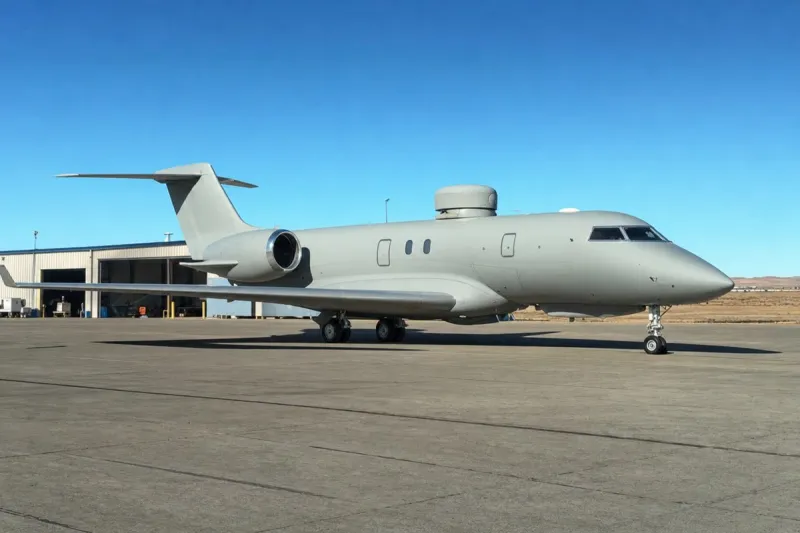
AirX, a private aircraft charter provider headquartered in Malta and founded in 2011, is backing its global charter operations with MedAire's Aviation Security (AVSEC) Intelligence and Security Assistance services. The services bring specialist security analysis to the operational decisions that underpin charter flexibility.
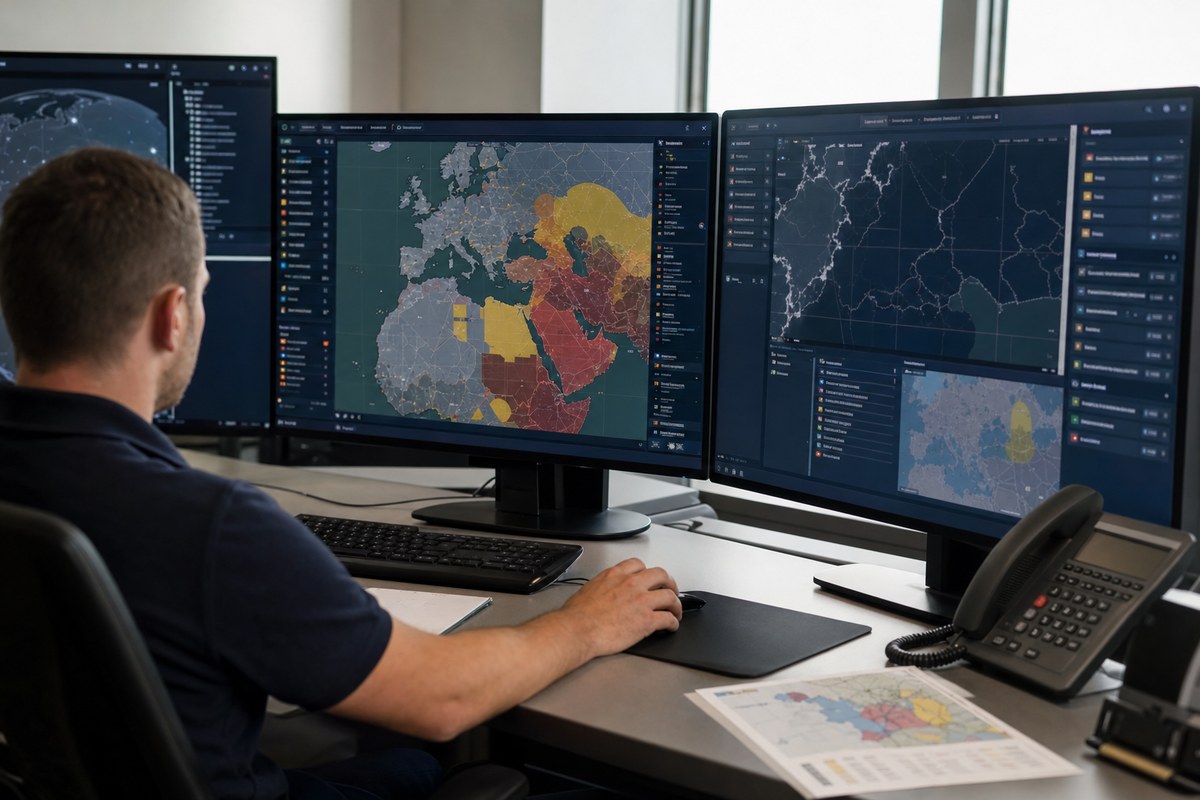
MedAire's aviation security specialists assess the wider exposure around a flight, combining airspace and airport intelligence with insight into conditions at the destination, including crew accommodation and ground transportation. The context is a European airspace environment shaped by active conflicts, where security conditions can change during a journey and a revised route can carry consequences for the rest of the operation, particularly when a change of destination alters the conditions passengers and crew encounter after landing.
MedAire, an International SOS company founded in 1985, says it supports more than 6,800 business aviation aircraft and 250+ airline clients. Its network comprises over 5,200 medical professionals and 500+ security specialists across 29 assistance centers and 25 security centers in 90 countries, and it introduced aviation security alongside its medical support in 2001. Peter Tuggey, Managing Director, Europe, Middle East, Africa and Asia Pacific at MedAire, said the partnership combines technology, specialist aviation security intelligence and the company's global assistance network.
MedAire will be at stand #56 during EBAA Week to discuss aviation security intelligence and assistance.
Industry impact & what to watch
Charter's selling point is the ability to change a routing or destination at short notice. When airspace conditions shift mid-journey, that flexibility has a cost beyond the flight itself, because a new destination brings a different security picture for the aircraft, the crew's hotel and the ground transfers. Operators that treat security as an airspace question only, and not as a destination-wide one, leave part of that exposure unassessed.
Buying that analysis from a specialist provider is one way a charter operator can cover the whole trip rather than the flight leg alone. The segment-level pattern is that security intelligence is moving closer to the dispatch and routing decision, alongside the weather, slot and permit checks that already sit there.
The nearest dated opportunity to test how operators are approaching this is EBAA Week, where MedAire will be at stand #56 discussing aviation security intelligence and assistance.