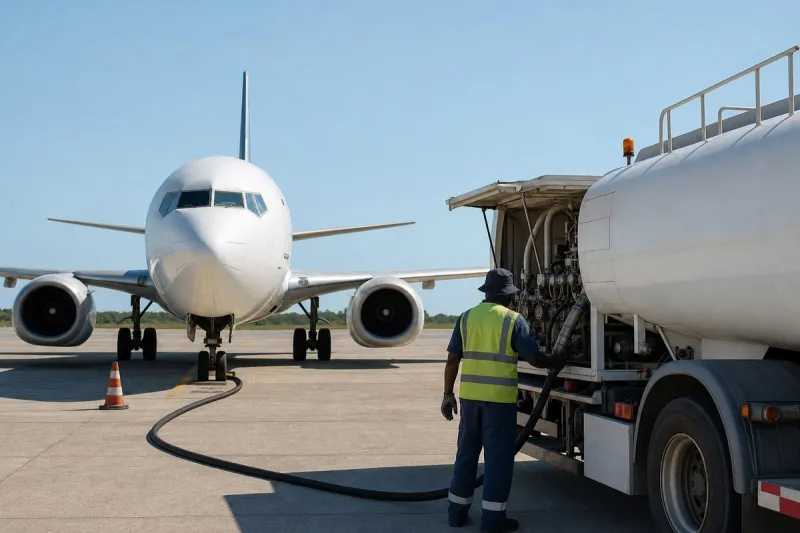
Multi-Aircraft Flight Departments Can Cut Fuel Costs by Several Percentage Points Through Volume Aggregation and Net-Price Management
Why It MattersFuel buying in multi-tail operations rewards departments that manage it as a data-driven program with one owner, because price differences between buying channels are larger than posted retail prices suggest.
What happened
René Armas Maes, a Business Aviation commercial adviser with more than 20 years of experience, has set out how multi-aircraft flight departments can capture more value from fuel savings. Fuel is the largest variable cost in a flight department's operating budget, and also the cost a disciplined operation has the most day-to-day control over. Fleets that aggregate volume, read the true net-net price at every stop, plan uplifts deliberately, and treat Part 91 and Part 135 activity as two distinct tax environments can routinely lower their annual fuel bill by several percentage points.
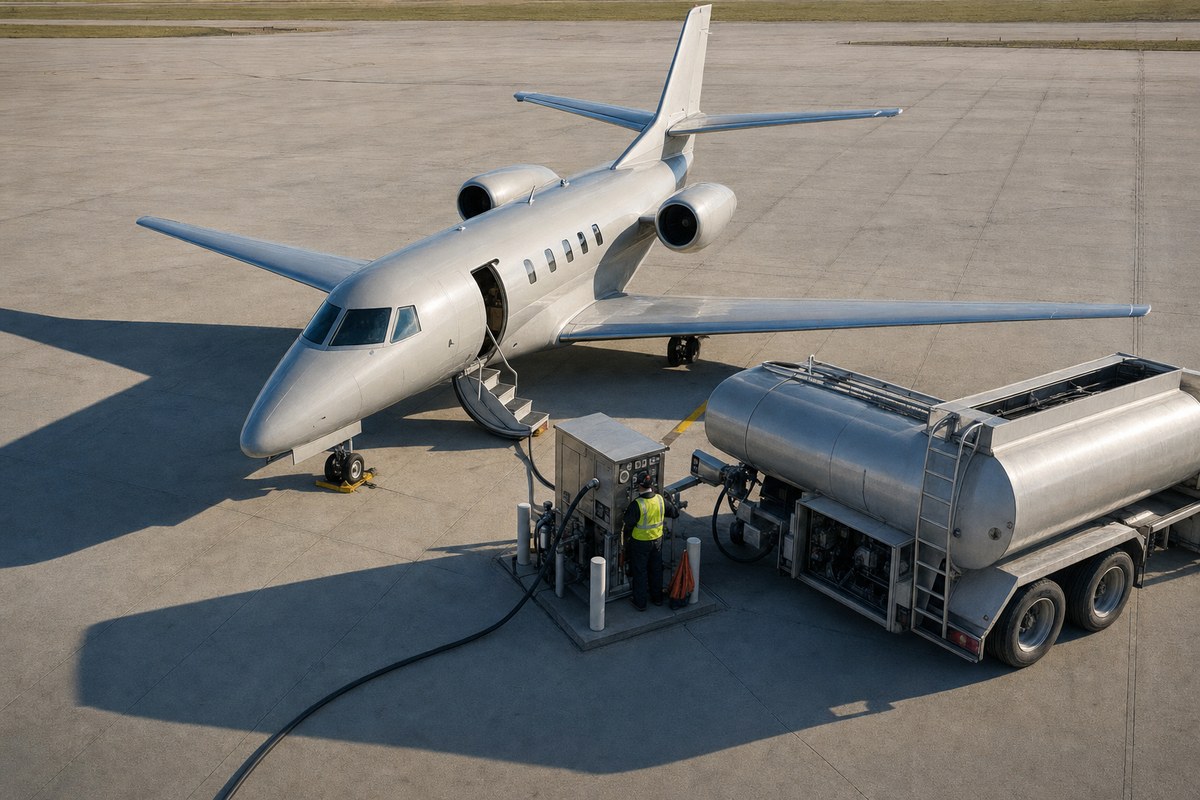
The article identifies several strategic levers. On volume, it gives an illustration of two mid-size jets and one large-cabin jet, each flying 400 hours a year and burning 260 gph (mid-size) and 480 gph (large), which would represent roughly 400,000 gallons across the fleet. The recommended approach is to consolidate every tail, trip and operating certificate into a single purchasing relationship instead of simply picking the best fuel card. Operators are also told to look past the posted price to the all-in net-net price after rebates, fees, contract releases, waived ramp fees and correct tax rates.
Fuel should be run as a managed program, with a single owner of fuel data, a monthly review of planned versus actual uplift, consolidated invoicing, and indicators including net price per gallon by tail and by airport or region, tax rebate capture, fee leakage and tankering hit rate.
On programs, the article describes four tiers: fuel cards and contract fuelers; association and network programs such as the Corporate Aircraft Association (CAA), which serves Part 91 turbine operators with pre-negotiated discounts at hundreds of member-approved FBOs; bulk brokers and marketers that pool the purchasing power of thousands of aircraft; and rewards programs that accrue points on spend. Operators should benchmark 24–36 months of uplift data, rank airports by volume, focus on the top 10–20 fields visited, and compare the effective cost per gallon delivered to the wing instead of the advertised price.
Negotiation and burn reduction
For negotiation, the article advises using 12 months of actual uplift data and pushing for cost-plus pricing in place of a discount off retail. It also recommends seeking tiered annual volume rebates and rising per-gallon credits, requesting written ramp-fee waivers tied to minimum uplifts, and negotiating directly at the home base, where a based-rate frequently beats any card savings. The exercise should be re-run quarterly.
To burn fewer gallons, it suggests planning to an appropriate cost index, flying continuous climbs and descents, using step climbs on longer legs, and reoptimizing cruise altitude and speed for winds and temperatures. It also lists using ground power and pre-conditioned air instead of the APU, single-engine taxi where safe, auditing non-essential weight, and following a regular engine-wash schedule.
Industry impact & what to watch
The guidance reflects how fuel purchasing in business aviation works for fleets with more than one tail. Posted retail prices at an FBO are only a starting point, and the gap between that figure and the net-net price after rebates, fees, waivers and taxes is where a flight department gains or loses money. Departments that buy tail by tail or certificate by certificate dilute their volume, while those that consolidate it into one purchasing relationship give suppliers a reason to price against actual uplift history.
The four program tiers also show a structural split in the market. Contract fuelers and cards sell convenience, association networks and bulk brokers sell pooled buying power, and rewards programs sell points on spend. Which of these delivers the lowest cost at the wing depends on where a fleet actually flies, which is why the article points operators to their own 24–36 months of uplift data and their top 10–20 airports.
The Part 91 and Part 135 distinction matters because the same gallon can carry a different tax treatment depending on how the flight is operated, so mixed-use fleets need clean records by tail and by trip to capture rebates correctly. A fuel program built around a single data owner and a monthly planned-versus-actual review makes that capture, and the quarterly renegotiation the article recommends, possible in practice.