Bernstein Estimates Friday's FAA Ground Stop Could Cost Four Largest U.S. Airlines About $345 Million
Why It MattersA single telecommunications failure at the FAA produced days of cancellations at carriers with no control over the fault, showing how airline earnings depend on shared air traffic control infrastructure.
What happened
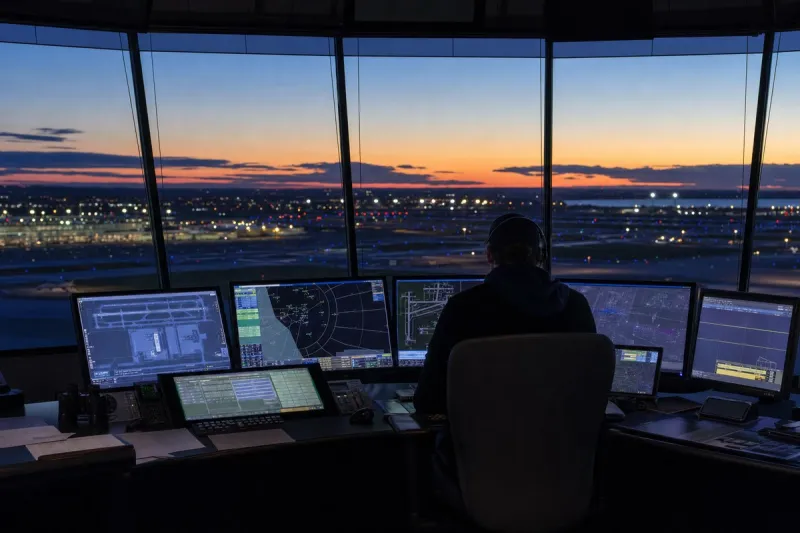
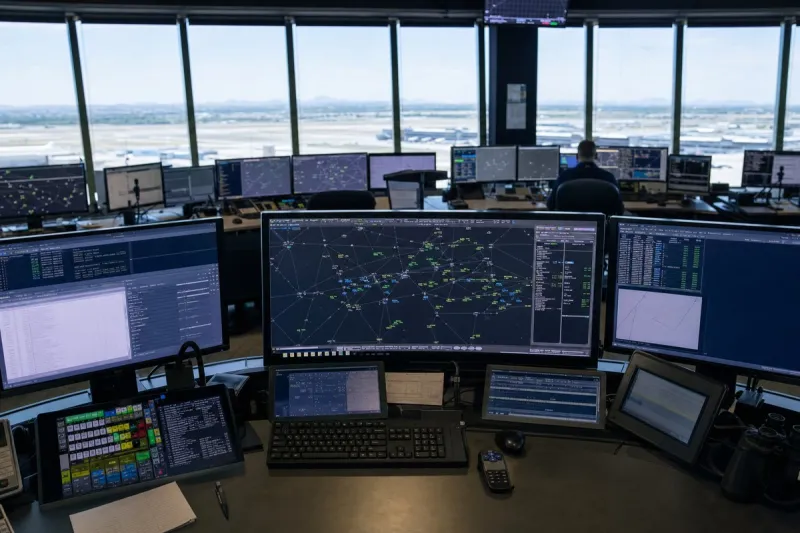
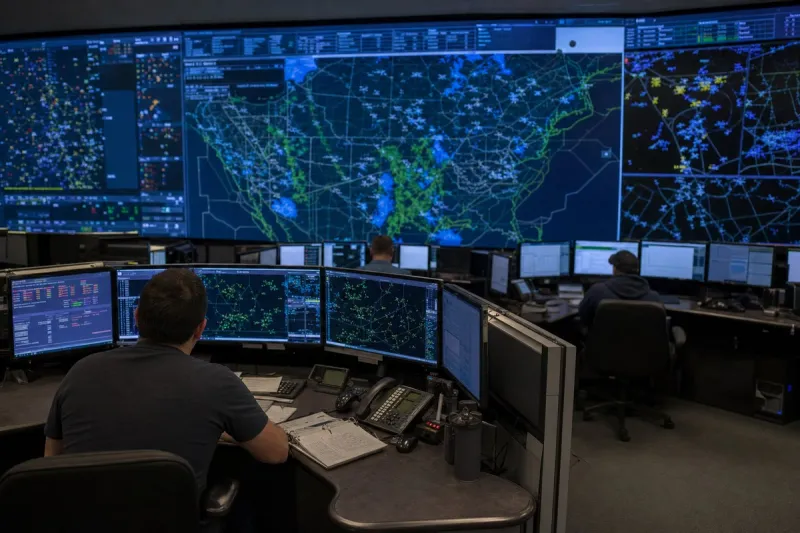
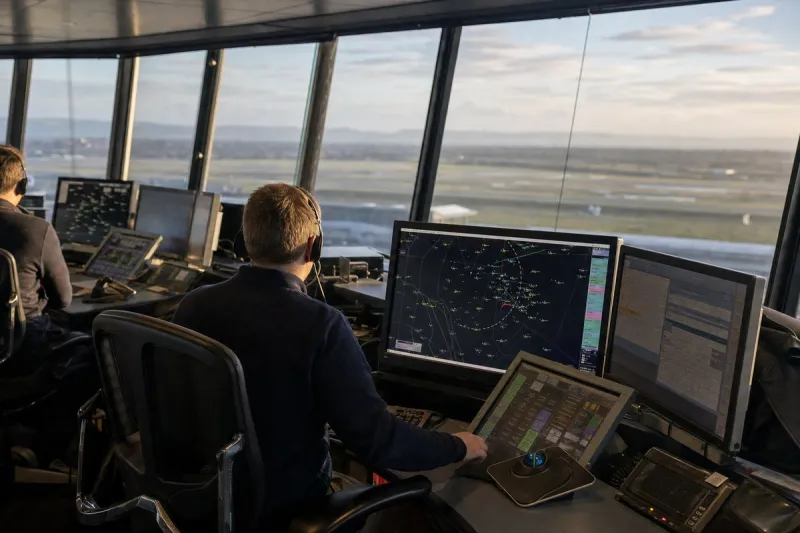
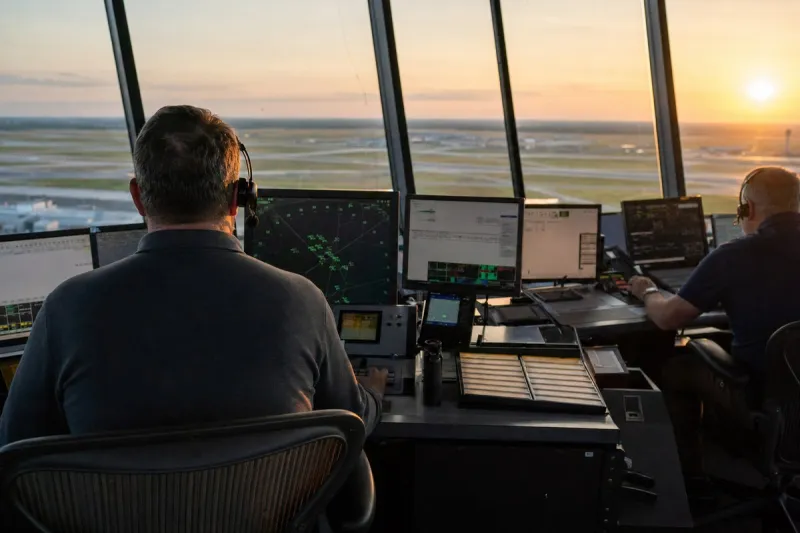
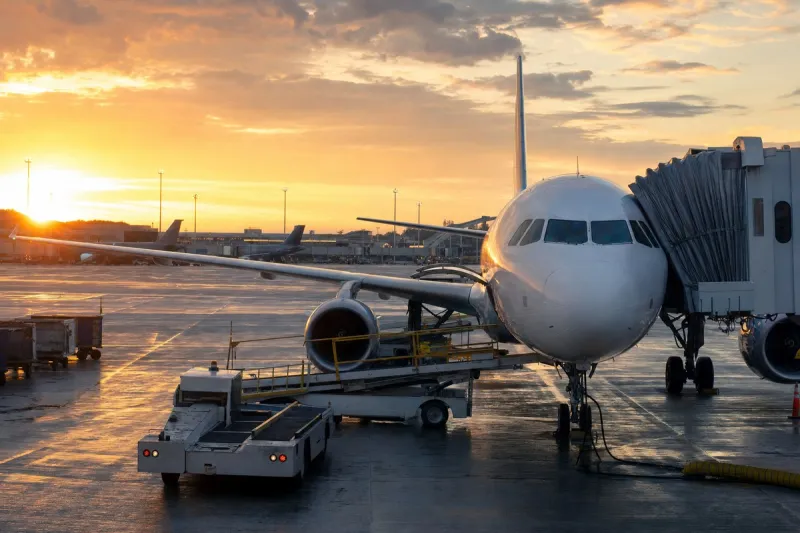
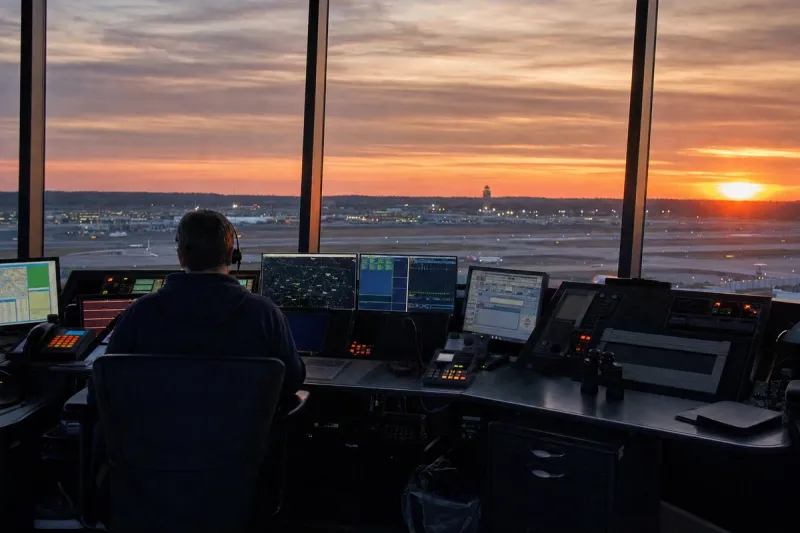
The FAA issued a nationwide ground stop around 3:54 p.m. EST Friday after a telecommunications failure disrupted air traffic control operations. Federal officials have identified a router installed by contractor L3Harris as a possible source of the disruption, and the underlying cause remains under investigation. In a Sunday update, the FAA said, "The system is stable and operations are returning to normal."
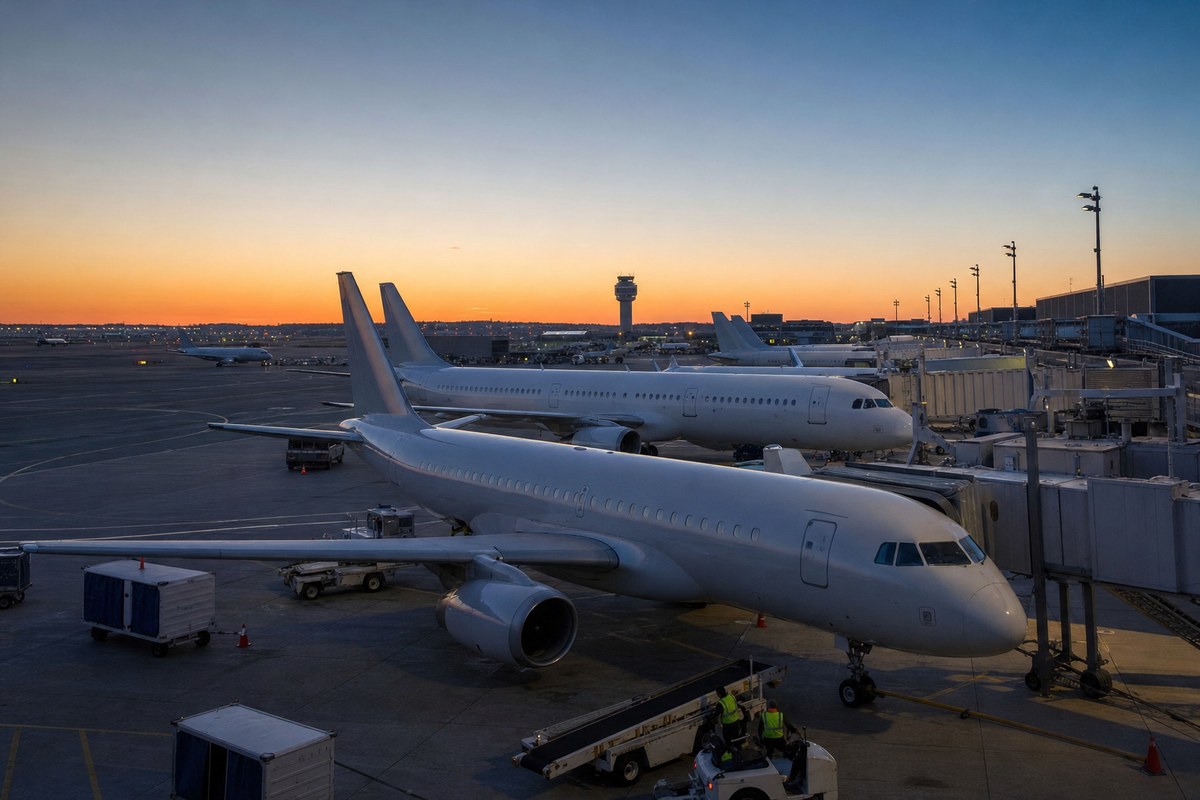
Bernstein estimated that the four largest U.S. airlines could face combined pretax earnings losses of about $345 million from the shutdown. The firm put the potential losses between roughly $270 million and $430 million within an 80% probability range.
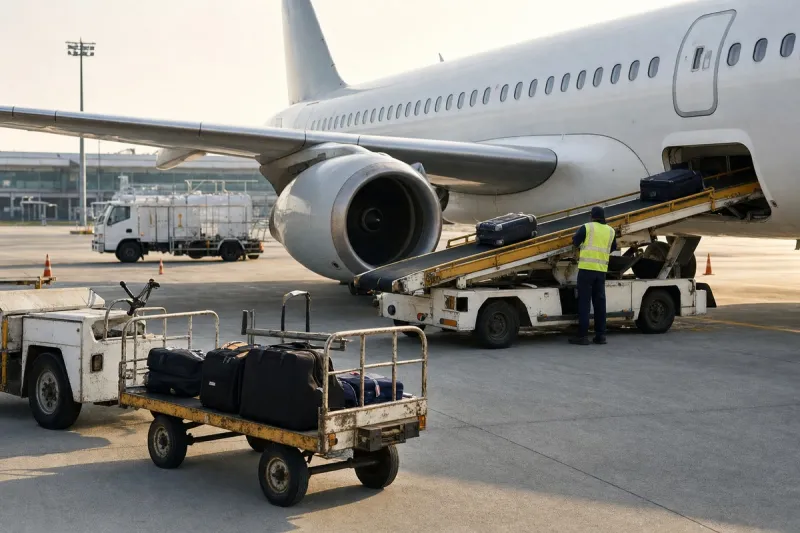
More than 18,500 flights operating within, into or out of the United States had been canceled as of 8:47 a.m. EST Monday, according to calculations based on FlightAware data. Disruptions continued through the weekend as airlines worked to restore schedules and reposition aircraft and crews.
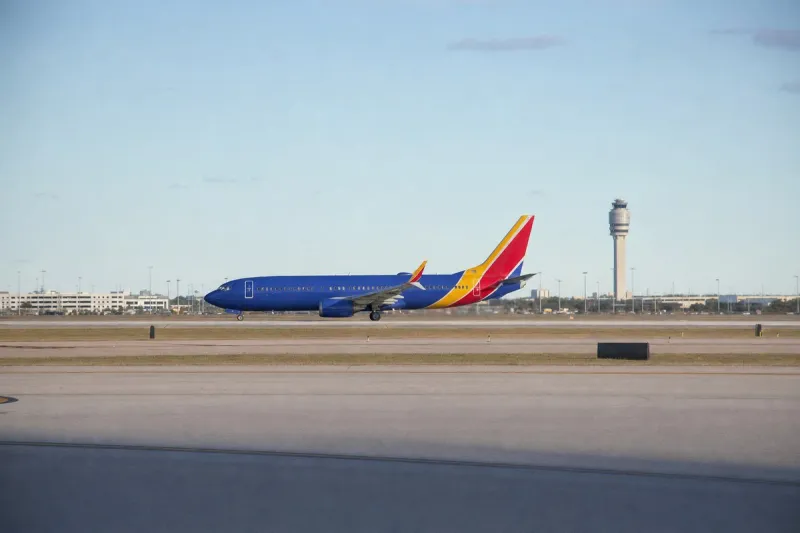
American Airlines and JetBlue saw some of the most significant disruptions on Sunday. According to Bank of America analysts, JetBlue canceled 28% of its scheduled flights and American canceled 22%, while Delta canceled 5%, Southwest 4% and United 3%.
Transportation Secretary Sean Duffy told ABC's "This Week" on Sunday that operations would likely return to normal by Monday as airlines continued repositioning aircraft and crews. Duffy also called for additional funding to modernize the nation's air traffic control infrastructure following the outage.
Industry impact & what to watch
The spread of Sunday cancellation rates, from 3% at United to 28% at JetBlue, shows that the cost of a ground stop does not end when the stop is lifted. Recovery depends on how quickly each carrier can put aircraft and crews back in the right places, and networks with thinner margins for repositioning take longer to normalise. The Bernstein range, about $270 million to $430 million, reflects how uncertain that recovery cost is even a few days afterward.
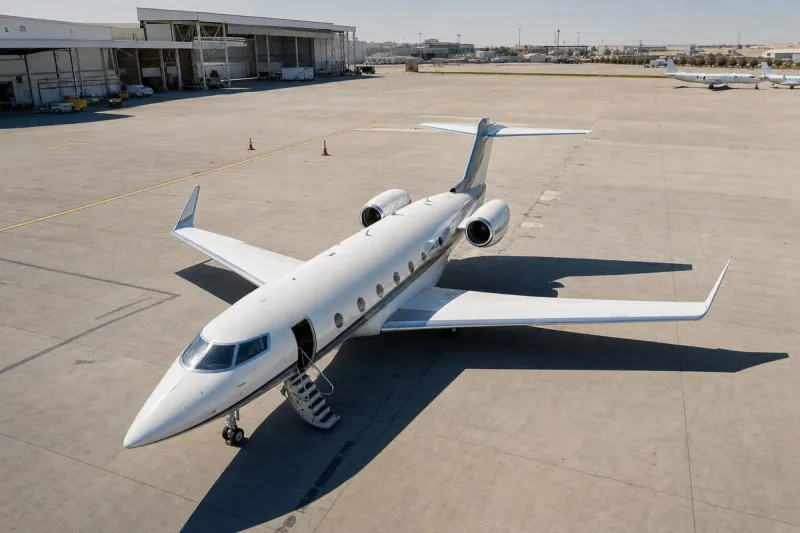
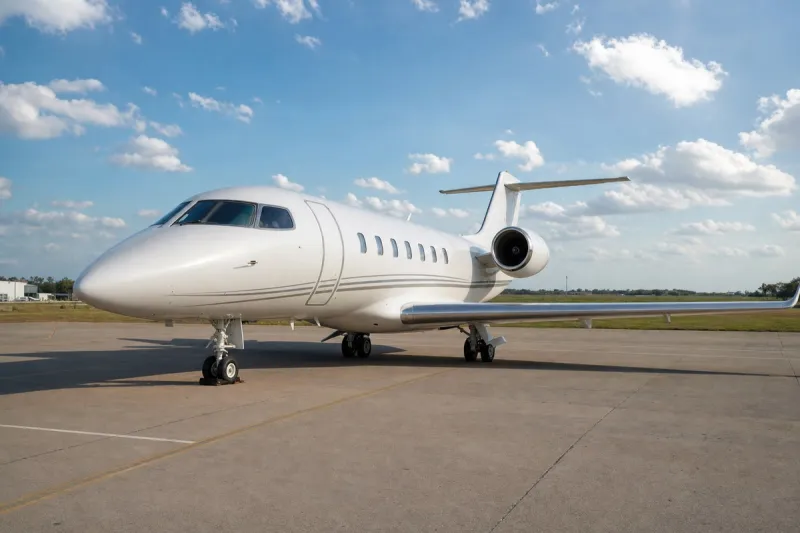
A failure in shared air traffic control infrastructure also sits outside what any airline can manage through its own scheduling or fleet decisions. Business aviation and charter flying use the same airspace and the same facilities, so a system-wide halt like this one is a shared operating risk rather than an airline-only problem, and the funding question Duffy raised is aimed at that common layer.
The investigation into the L3Harris router remains open, and the FAA has not yet stated a final cause. Its findings, and whether the modernization funding Duffy called for materialises, are the next points that would show how much of this episode is a one-off and how much is a structural weakness.