Aviation Week 2027 Forecast: Business Turbine Fleet to Grow From 36,643 to 41,136 Aircraft by 2036
Why It MattersFleet growth of only 1.3% a year against a 3.2% rise in MRO demand suggests maintenance and modification capacity, not aircraft supply, becomes the constraint operators and providers compete over.
What happened
Aviation Week has released its 2027 Business Aviation Fleet & MRO Forecast, a 10-year outlook for the business aviation and MRO industries. It draws on independent projections by Aviation Week's internal forecasting teams and on data from the Aviation Week Intelligence Network (AWIN).

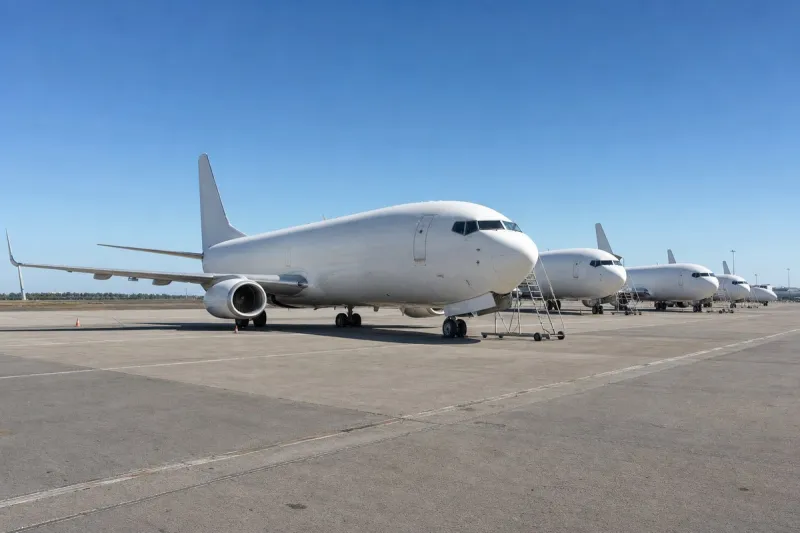
The forecast puts the worldwide turbine-powered business aviation fleet at 36,643 aircraft in 2027, rising to 41,136 aircraft in 2036. That is a 12% increase at a 1.3% CAGR. The jet segment sees the largest gains, with the overall turbine-powered jet fleet growing at a 1.6% CAGR and the Super Mid-Size, Ultra Long Range and Very Light Jet categories showing growth rates as high as 5% CAGR. Business turboprops grow more slowly, although single-engine turboprop types are replacing multi-engine models at a 3.9% CAGR.
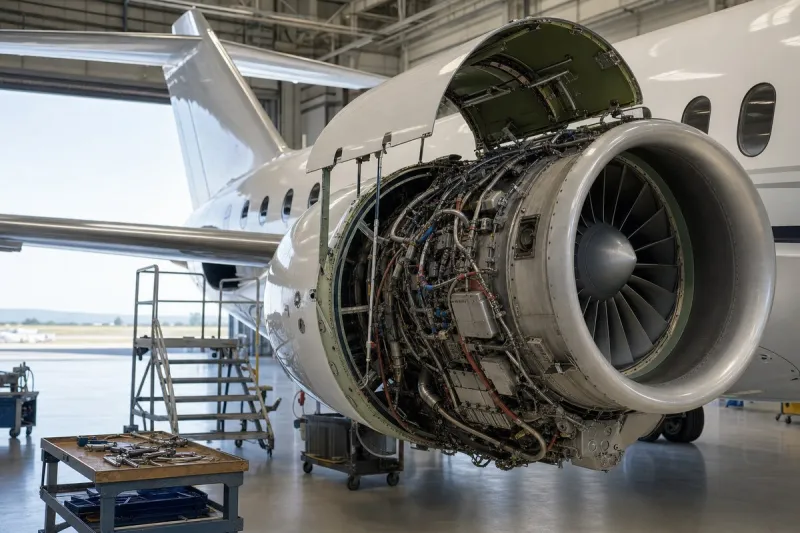
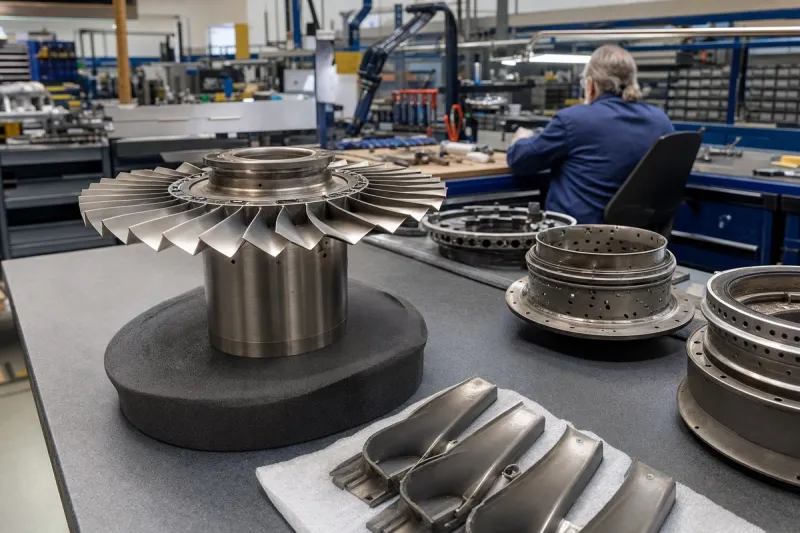
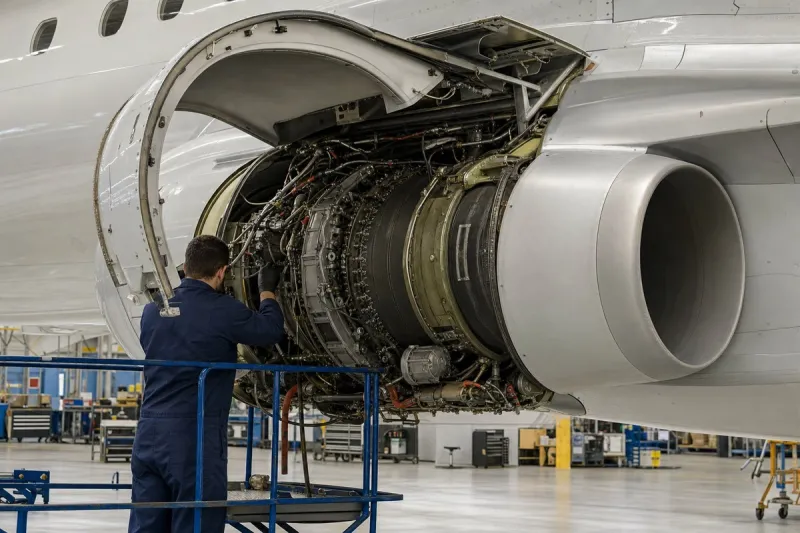
The business aircraft MRO aftermarket is projected to grow at a 3.2% CAGR, reaching $173 billion in total demand. Modification requirements account for 32% of that total and are growing at a 2.5% CAGR, while engine maintenance, at 28% of demand, is becoming a larger share of MRO requirements.
New business aircraft delivery values are projected to reach $304 billion at retail pricing over the next 10 years. Textron's product lines (Cessna and Beechcraft) are expected to far outpace Gulfstream and Bombardier in unit deliveries, at just over 3,000 aircraft, while Gulfstream's delivery values are expected to exceed both Textron's and Bombardier's. Deliveries of jets and turboprops combined will reach the 1,200-unit mark from 2028 to 2035. Over the 10-year period, business jets account for more than 9,600 deliveries and turboprops for about 2,600.
Brian Kough, Senior Director, Forecasts & Aerospace Insights, said new model entrants within legacy lines are keeping the new-aircraft market strong, and that unmet demand has raised OEM backlogs and spilled over into the pre-owned market. He said fractional operators are the fastest-growing segment, that new deliveries should rise by a couple hundred units in the near term while retirements stay muted, producing a delivery-to-retirement ratio of nearly 2:1. He added that MRO costs, provider availability and supply chain issues remain concerns, with capacity "desperately needed."
Industry impact & what to watch
A fleet growing at 1.3% a year while MRO demand grows at 3.2% points to a market where each aircraft in service absorbs more maintenance spend over time. Engine work taking a larger share of that demand fits the same picture: the installed base is being worked harder, and the shops that can handle engine events and modification programs sit at the center of the aftermarket.
The gap between deliveries and retirements matters for the same reason. With retirements muted and deliveries rising, older aircraft stay in service alongside new ones, which keeps pre-owned demand firm and extends the maintenance workload instead of shrinking it. Kough's remark that capacity is "desperately needed" is the constraint the forecast itself identifies, and it applies to providers as much as to operators trying to schedule downtime.
The segment mix also shifts where the pressure lands. Fractional operators being the fastest-growing segment concentrates demand in fleets that fly intensively and need predictable turnaround. Single-engine turboprops replacing multi-engine models at 3.9% CAGR changes the engine and airframe support mix as well. The next milestone is the annual forecast refresh, which will show whether the delivery-to-retirement ratio near 2:1 holds.