Canadian-Designed Jets and Turboprops Form Backbone of Air Canada's Domestic and Regional Network
Why It MattersPairing an Airbus-built former Bombardier jet with Jazz-flown regional types shows that network economics hinge on matching aircraft size and runway capability to each route tier, not on fleet commonality.
What happened
Air Canada's widebody fleet of Boeing 777s and 787 Dreamliners links continents from Toronto Pearson (YYZ) and Vancouver (YVR), but its domestic and regional schedule rests on aircraft with Canadian design roots. That network serves 50 Canadian airports and dozens of transborder US gateways.
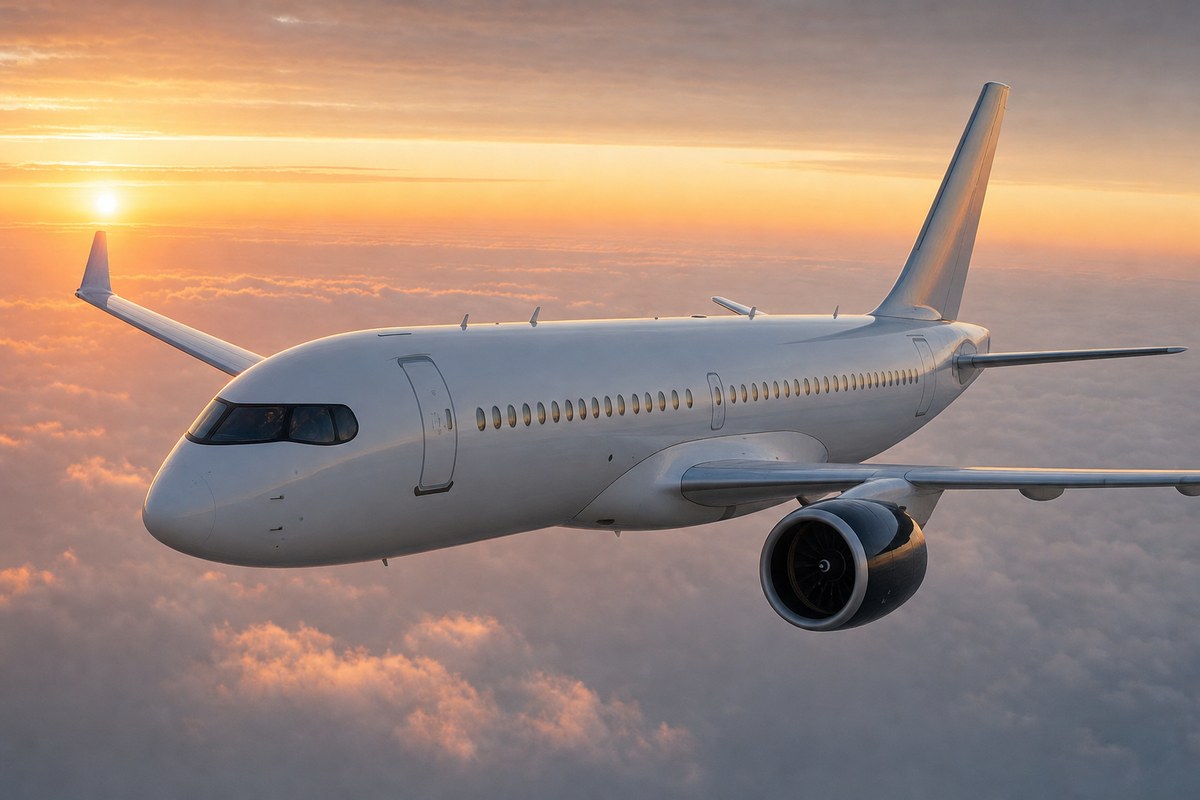
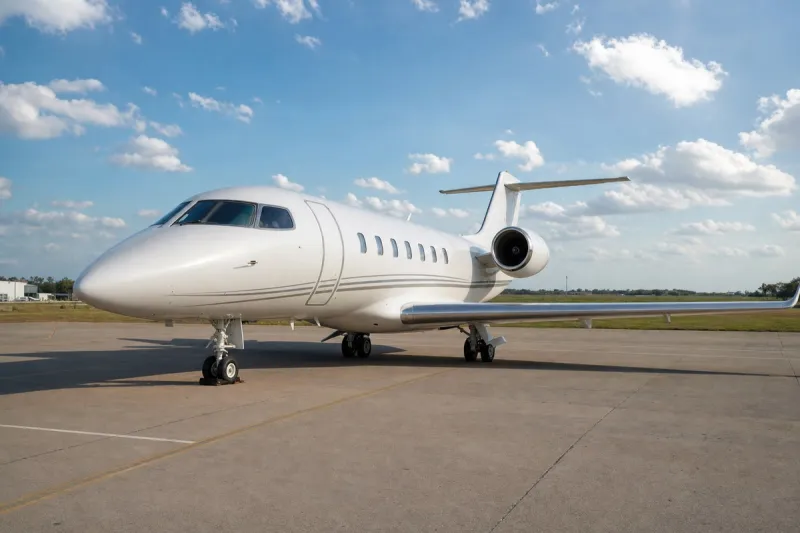
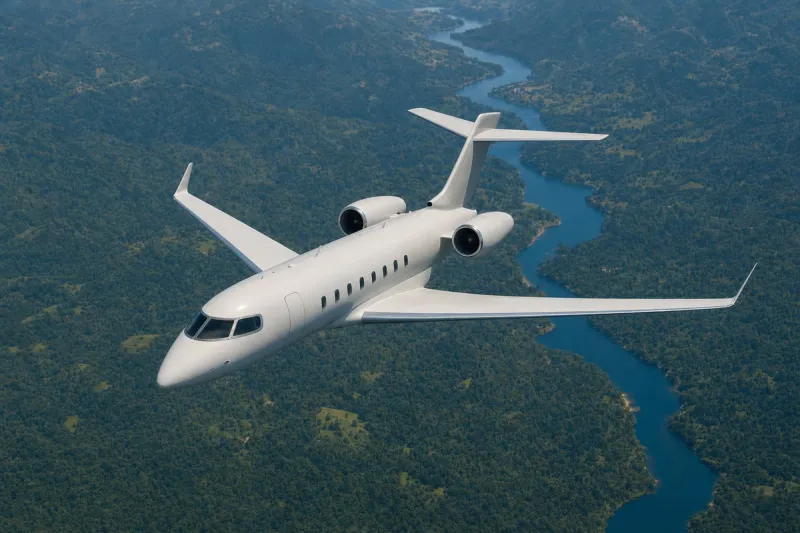
At mainline level, the carrier operates between 42 and 47 Airbus A220-300s, originally developed by Bombardier as the CSeries and now assembled by Airbus in Mirabel, Quebec. More than 20 additional aircraft are on order, for a firm commitment of 65. Powered by Pratt & Whitney PW1500G geared turbofans, the type seats 137 passengers: 12 in business class in a 2-2 layout and 125 in economy in a 2-3 layout. It flies domestic trunk routes and US routes such as Los Angeles, Denver and Seattle. The oldest aircraft are about seven years old, and deliveries that began in March introduced Air Canada's updated cabin.
Regional feed is handled by roughly 29 to 30 Bombardier CRJ900s operated by Jazz Aviation as Air Canada Express. The aircraft, built in Mirabel, Quebec, with the program later passing to Mitsubishi, carries 76 seats (12 business, 64 economy) and uses twin General Electric CF34-8C5 turbofans. Jazz-operated CRJ900s are also receiving the updated cabin standard.
Air Canada Express also uses 39 active De Havilland Canada Dash 8-400 turboprops, flown mainly by Jazz Aviation and PAL Airlines. The 78-seat type, powered by twin Pratt & Whitney Canada PW150A engines, is the aircraft used at Billy Bishop Toronto City Airport (YTZ), where noise rules and runway limits bar commercial jets. That allows Air Canada to compete there with Porter Airlines.
A fleet retrofit spanning 2025 and 2026 aims to bring uniform cabin standards across domestic assets.
Internationally, Air Canada relies on non-Canadian types: 19 777-300ERs, 6 777-200LRs, 20 A330-300s and 40 787-8 and -9 Dreamliners, with 14 787-10s and 8 A350-1000s due from 2030. Its Boeing 737 MAX 8s are moving to Air Canada Rouge with a new Vancouver crew base. Airbus A321XLRs with lie-flat Signature Class suites are arriving for transatlantic routes, and Jazz operates Embraer E175 regional jets as feeders.
Industry impact & what to watch
The fleet reads as three tiers, each matched to a different job. Widebodies carry intercontinental demand, the A220 handles trunk and longer transborder flying with a premium cabin, and Jazz-flown CRJ900s and Dash 8-400s feed smaller markets. Splitting regional flying between a capacity-purchase partner such as Jazz and the mainline lets a carrier size each tier to route demand without putting mainline crews and costs on thin routes.
The Dash 8-400 at Billy Bishop shows how infrastructure, not only economics, decides aircraft choice. Where noise rules and runway limits bar commercial jets, a turboprop is the only way a network carrier can compete for downtown traffic against a local rival. Aircraft with short-field and low-noise performance therefore carry a strategic value that seat-mile cost alone does not capture.
The 2025-2026 cabin retrofit across A220, CRJ900 and other domestic assets is the next concrete marker. Its completion, together with the further A220 deliveries on order toward the firm commitment of 65, will show how far the carrier has standardised the passenger experience across mainline and Express flying.