Executives at Corporate Jet Investor Miami 2026 Describe Strong, Supply-Constrained Private Aviation Market
Why It MattersWhen new-aircraft supply is the binding limit and used values hold, the segment's growth is capped by production capacity, pilots and operating costs rather than by demand.
What happened
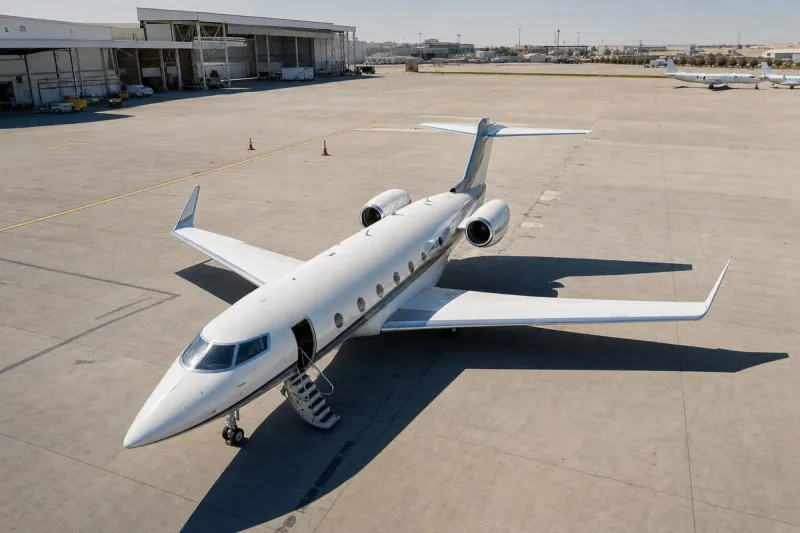
Industry executives and experts speaking at Corporate Jet Investor Miami 2026 said the private aviation market is bullish, with deep aircraft sales backlogs, strong demand and firm pricing, even for used aircraft. Rolland Vincent, a former OEM executive and industry consultant, said the industry is living in the "golden years of business aviation."

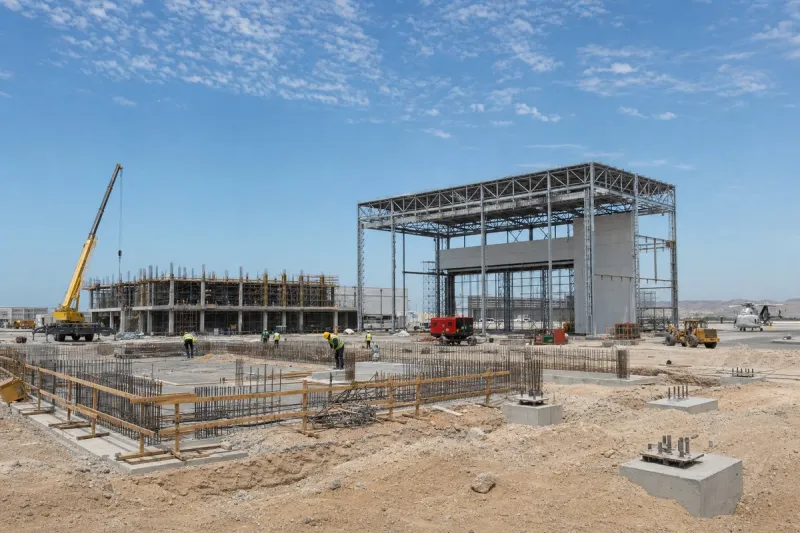
Vincent said manufacturer backlogs were typically two years long, with some OEMs now facing four-year backlogs, partly bolstered by fleet orders from large fractional and charter operators. He described the pre-owned market as inverted. Oliver Möhl, CEO of Pilatus U.S., said the company could "probably sell double" if it could produce the aircraft, and said Pilatus is building a final assembly line in Sarasota, Florida, a large factory in Sevilla, Spain, and is ramping up production in Stans, Switzerland.
Olivier Knutti, owner of aircraft dealer 88K, said he does not see the market as very price sensitive, and that demand has not fallen even though prices have risen. He said a 10-year-old Pilatus PC-12 NG currently holds 100% residual value, and that high residual values push some owners to renovate older aircraft.
Speakers identified cost inflation and staff shortages, particularly of pilots, as the two major challenges. Knutti cited pressure from the environment, fuel costs and maintenance costs, and noted barriers to entry for operators in Europe. Andrew Schmertz, CEO of Hopscotch Air, said the company is looking at acquiring flight schools, as training pilots takes considerable time, and described the flight school market as robust.
Speakers also pointed to growth potential in South America and Asia. Sebastian Larue, a director at Pratt & Whitney Canada, called Brazil "an amazing market," described Mexico as promising and said he was "very optimistic" about the Americas. He cited India as a major hope, saying he expects Pilatus to begin building parts there and Falcon 2000 aircraft to eventually be assembled in the country. Overall, the experts said strong, inelastic demand keeps them optimistic despite concerns over operating costs and staff training.
Industry impact & what to watch
Backlogs of two to four years, a manufacturer saying it could sell twice what it builds, and a ten-year-old turboprop holding its full residual value all point the same way: in this part of the cycle the limit on the market is how many aircraft can be built and crewed, not how many buyers exist. In a supply-constrained market, used aircraft stop being a discount alternative and become a substitute for waiting, which is why values can hold or invert against new-build pricing and why owners choose to renovate older airframes.
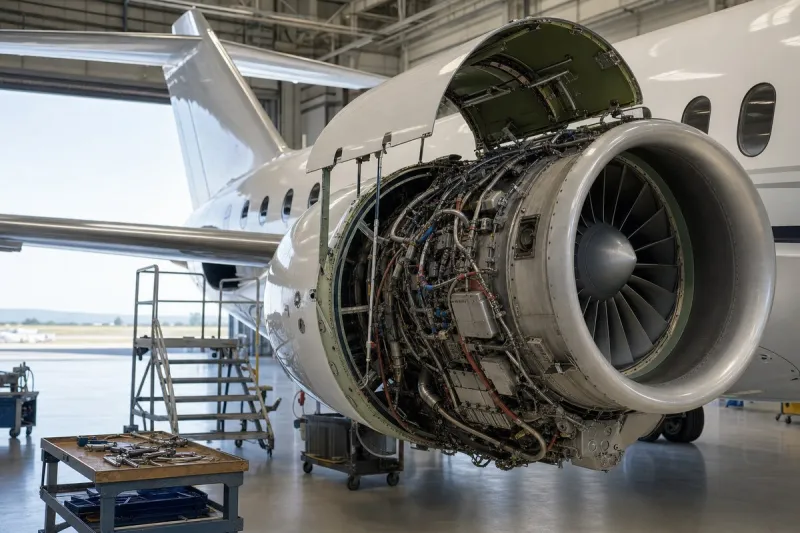
That also moves where the competition happens. When aircraft are scarce, the scarce inputs behind them gain value too: production lines, trained pilots and maintenance capacity. Pilatus adding assembly capacity in Florida, Spain and Switzerland, and an operator such as Hopscotch Air considering the purchase of flight schools, are two versions of the same response, each aimed at a bottleneck rather than at stimulating demand.
The constraints the speakers named, cost inflation and pilot shortages, are the ones that would have to tighten before the demand picture changes. The concrete milestones in what was said are the Sarasota assembly line coming into service and the expectation that Pilatus will begin building parts in India.