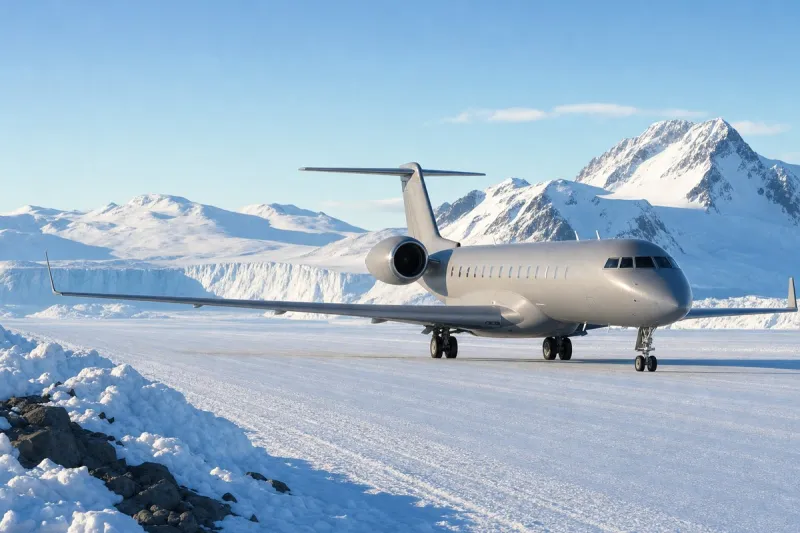
Pilatus PC-12 Charter Costs Roughly $2,000–$3,000 Per Hour in 2026, but Published Quotes Range From $1,000 to $3,500
Why It MattersWhole-aircraft hourly pricing means turboprop charter value depends on cabin fill and repositioning geography, so the headline rate is a poor guide to what a trip actually costs.
What happened
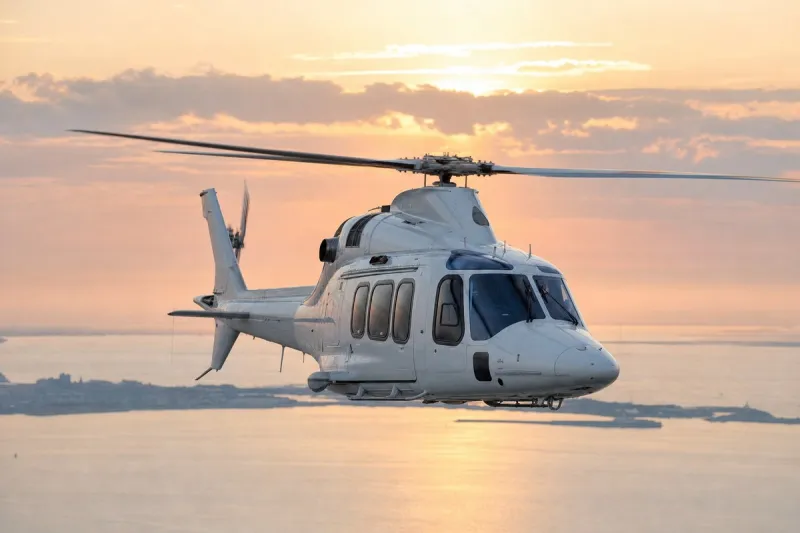
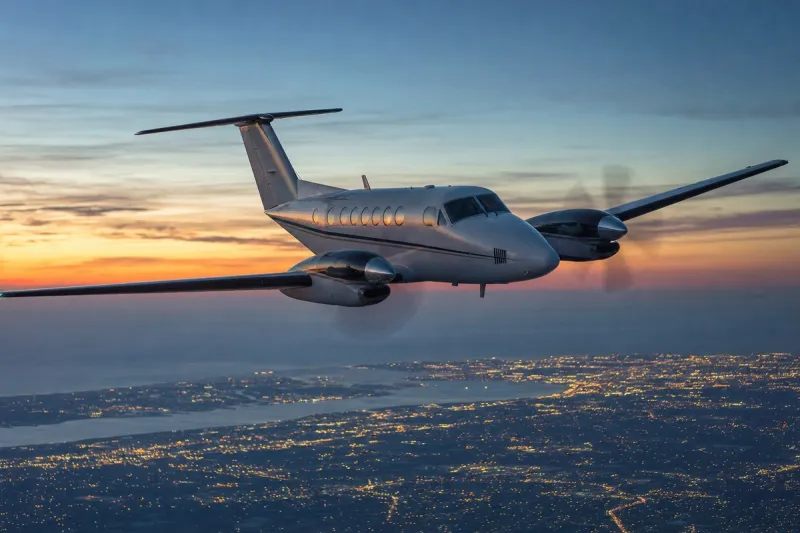
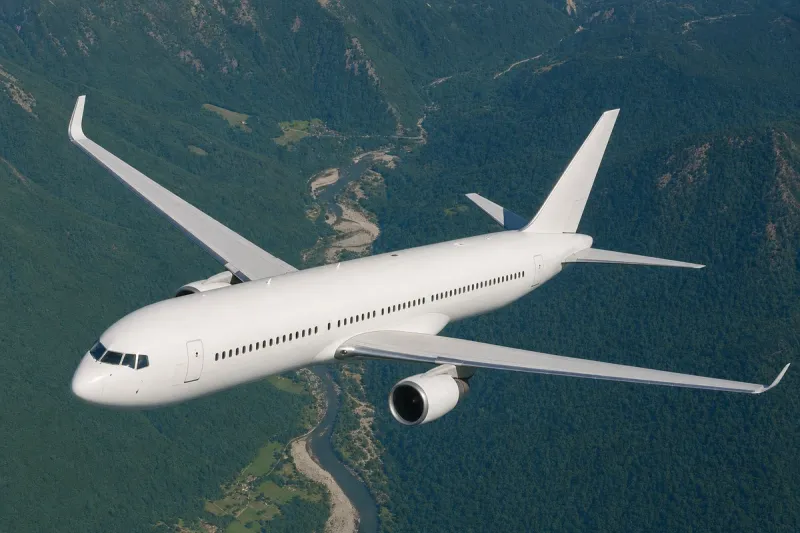
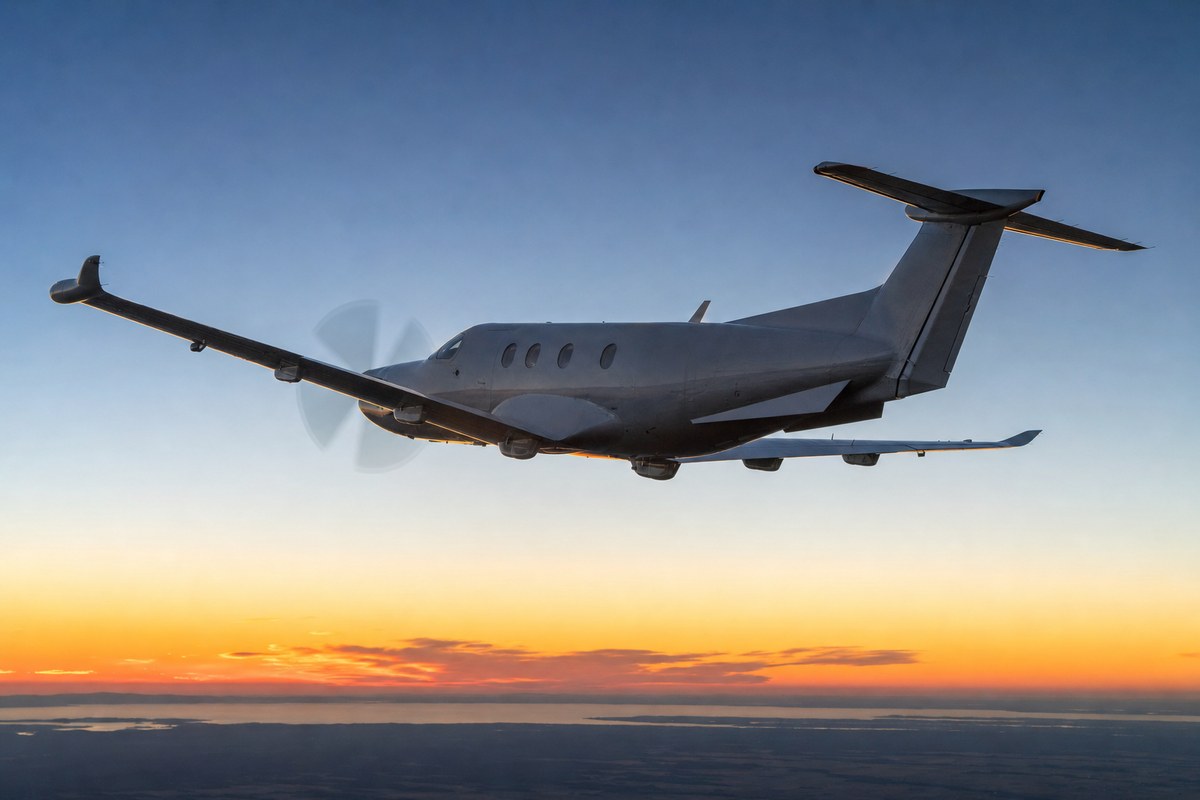
Chartering a Pilatus PC-12 costs roughly $2,000 to $3,000 per hour in 2026, according to Simple Flying's analysis of private charter pricing, which draws on figures from BlackJet and Amalfi Jets. The aircraft sits in the turboprop category alongside the Beechcraft King Air 350i, carrying six to nine passengers on missions of up to around 1,500 miles (2,400 km), and is the cheapest way to charter a crewed aircraft of that size.
Published figures vary widely. Charter brokers quote the PC-12 anywhere between $1,000 and $3,500 per hour, because the hourly rate is a starting point rather than a fixed price. Positioning flights to bring the aircraft to the departure airport are billable and can triple the cost of a short trip; a two-hour trip on an aircraft based two hours away can be charged as six hours of flying. Taxes, fuel surcharges, landing fees, crew overnight expenses and seasonal demand are added on top.
Charter is priced by the flight hour for the whole aircraft rather than per passenger, so a full nine-seat cabin brings the per-person cost below $280 an hour, while a solo traveler pays the entire rate. Fuel is a small part of the rate: AOPA recorded the PC-12 NGX burning 414 to 416 pounds per hour at maximum continuous power at 27,000 feet, roughly 62 gallons an hour.
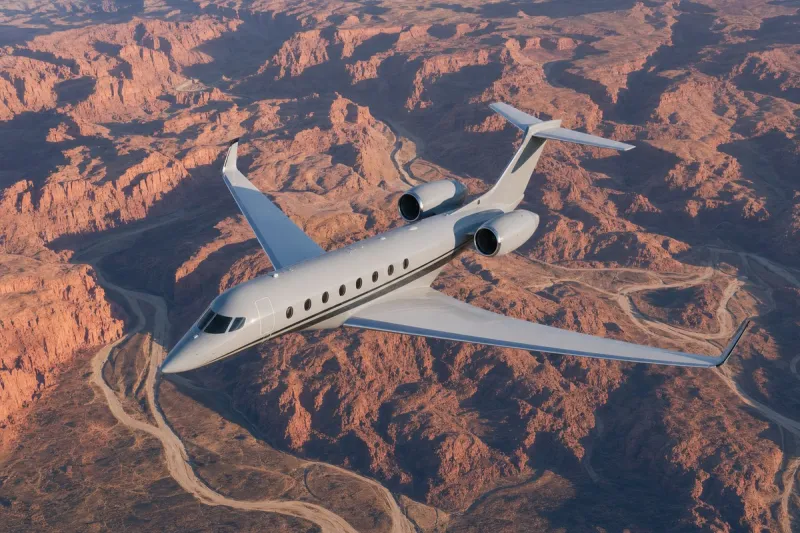
For comparison, light jets run approximately $2,500 to $4,500 per hour, midsize and super-midsize jets $4,000 to $8,000 per hour, and the largest ultra-long-range business jets exceed $20,000 per hour.
Capability and performance
The PC-12 is certified for single-pilot operation and, according to Oriens Aviation, can operate from short, unpaved strips as short as 760 meters.
The PC-12 NGX cruises at a maximum of 290 KTAS on a single 1,200-shaft-horsepower Pratt & Whitney PT6E-67XP, operates up to 30,000 feet, and has a maximum range of 1,803 nautical miles with four passengers.
Industry impact & what to watch
Turboprop charter is sold by the aircraft-hour, and that structure shapes how the segment competes. A quote of $1,000 on one broker's sheet and $3,500 on another's can both be accurate for the same airframe, because the difference sits in what each figure includes: repositioning legs, fees, crew costs and seasonal demand. For a buyer, the comparable number is the all-in trip price, not the hourly headline.
That pricing logic also explains where the PC-12 competes. With fuel a minor share of the hourly rate, the economics are driven by aircraft availability and how close the nearest suitable airframe is to the departure airport. Short, regional trips from a base far from the aircraft carry the highest relative penalty, while full cabins on well-positioned routes dilute the whole-aircraft rate across more seats. Against light jets at roughly $2,500 to $4,500 per hour, the turboprop's advantage is strongest where its short-field capability and lower hourly rate apply together.
The practical test of any quote is the itemised version: flight hours billed including positioning, then taxes, surcharges and landing fees, then crew overnight costs. Brokers that publish that breakdown up front make the $1,000 to $3,500 spread explainable; those that publish only an hourly figure leave the comparison to the buyer.