Revo handles more than 100 flights in a day at Brazil's F1 Grand Prix using Eve's Vector software
Why It MattersA live, high-density event gives eVTOL developers a way to prove ground-operations software on helicopter traffic before electric aircraft arrive, tying software maturity to the launch customer's operating readiness.
What happened
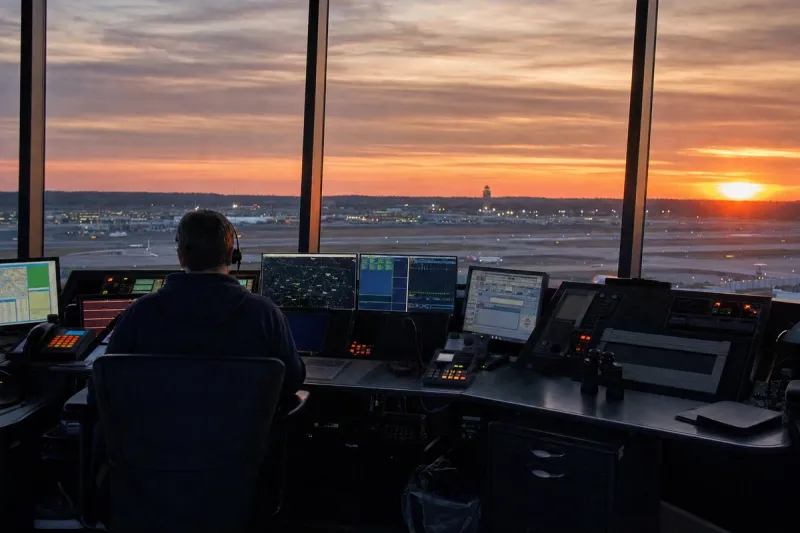
Revo, an urban air mobility operator, used Eve Air Mobility's Vector ground operations and helicopter flight slot management system for a second consecutive year during the Formula 1 Grande Prêmio de São Paulo 2026 at the Interlagos Circuit. Vector ran at a temporary helipad set up at the Ayrton Senna Kart Track, next to the circuit, where it handled scheduling and slot management for landings and takeoffs.
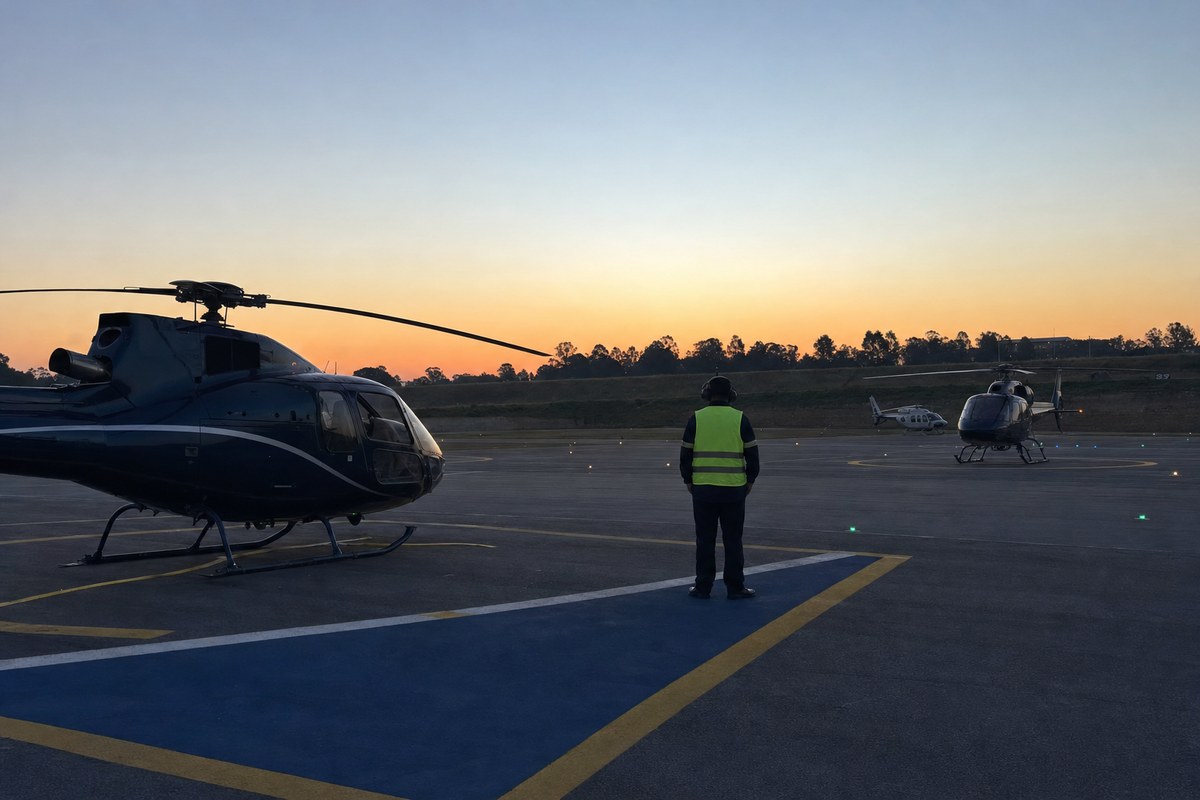
Operations peaked at more than 100 flights on Sunday 8 November. Revo first used Vector at the same event in 2025, which was the software's first real-world deployment.
Revo CEO João Welsh said the company's commitment is to deliver an increasingly comprehensive air mobility experience combining operational excellence, safety and personalised service. He described the partnership with Eve as a major step toward integrating eVTOLs into its operations and developing urban air traffic management solutions.
Vector includes Helipad and Vertiport (Aerodrome) and Ground Operations modules, with a Fleet Operations Module scheduled for 2027 for helicopter and eVTOL operators.
Revo, Eve and the eVTOL order
Launched in August 2023, Revo operates routes departing from São Paulo. Its door-to-door service combines ground transportation in armoured vehicles, exclusive lounges and hosts with twin-engine helicopters flown by dual-pilot crews. Bookings are made through an app, website or concierge.
Revo is part of Omni Helicopters International (OHI), a multinational group of Portuguese origin that manages a fleet of approximately 90 helicopters, operates more than 1,500 weekly flights and has carried more than seven million passengers.
In June 2025, Revo signed the first global contract with Eve, valued at US$250 million and covering up to 50 eVTOLs, plus Vector and after-sales services. From 2028, Revo is to be the first company to operate eVTOLs in Brazil. Eve Air Mobility CEO Johann Bordais said Revo will also be Eve's first eVTOL customer in Brazil and globally.
Eve plans to build six certification prototypes for a certification campaign starting in 2027, with production planned at a facility in Taubaté, São Paulo.
Industry impact & what to watch
Event-driven helicopter shuttling is one of the few settings where urban air mobility already runs at scale: a fixed venue, a compressed window and a customer base that pays for time saved. Slot management is the binding constraint in that setting, because a temporary helipad has finite landing and takeoff capacity and every delay compounds. Running Vector through a 100-plus-flight day gives Eve operating evidence for the scheduling layer that vertiports will need, using aircraft that exist today.
The pairing also shows how eVTOL launch-customer relationships work in practice. The aircraft are not yet certified, so the software and the operator's procedures become the part of the offering that can be tested early. Revo gets to build operational habits around slot discipline before electric aircraft join the mix, and Eve gets a repeat deployment rather than a one-off demonstration.
The dated milestones are the ones already set: the Fleet Operations Module scheduled for 2027, the certification campaign starting that year, and Revo's planned first eVTOL operations in Brazil from 2028.