Hollywood Burbank Airport Control Tower Goes 'ATC Zero' Twice on Wednesday Evening, Leaving Pilots to Self-Coordinate
Why It MattersA lone-controller roster at a busy commercial tower leaves no cover for rest breaks, so routine absences can switch a Class C airport to procedures designed for uncontrolled fields.
What happened
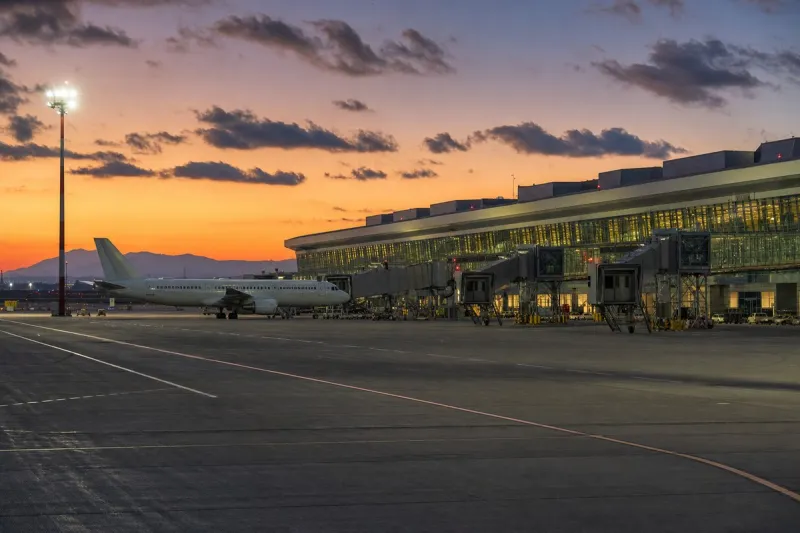
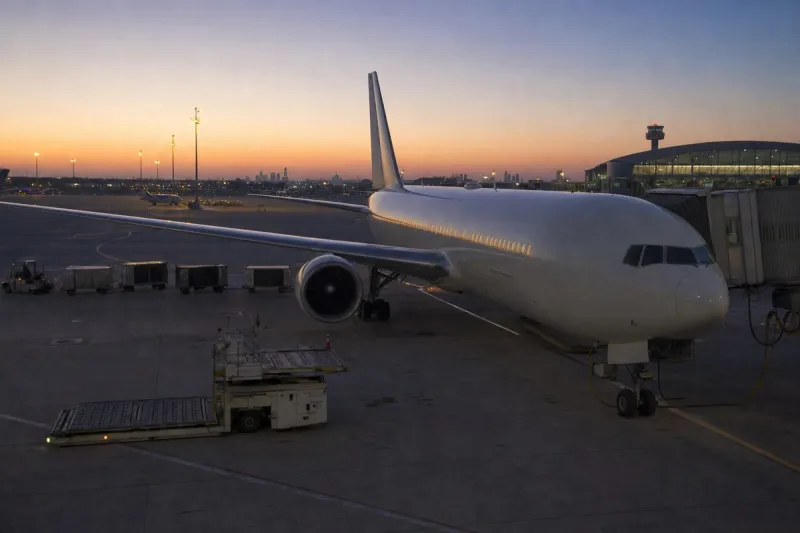
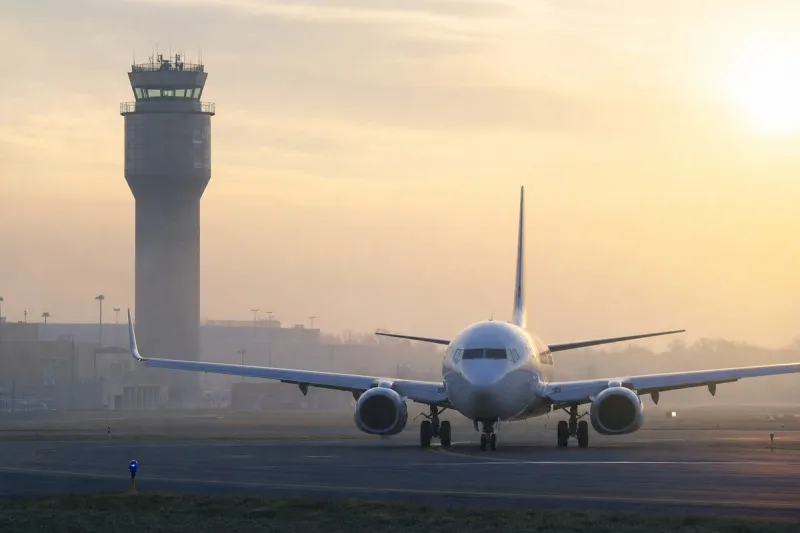
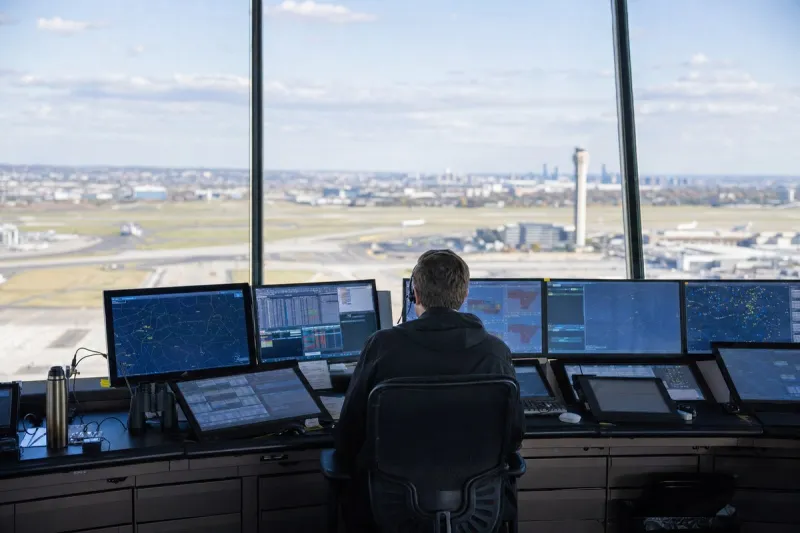
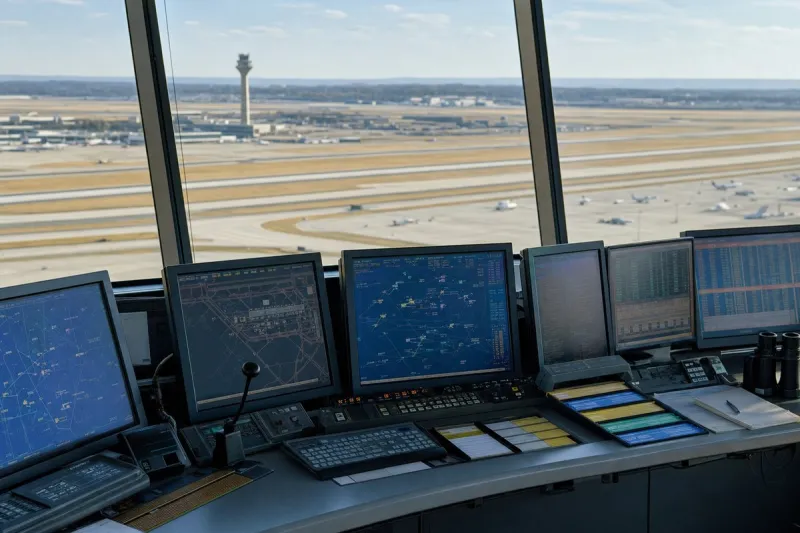
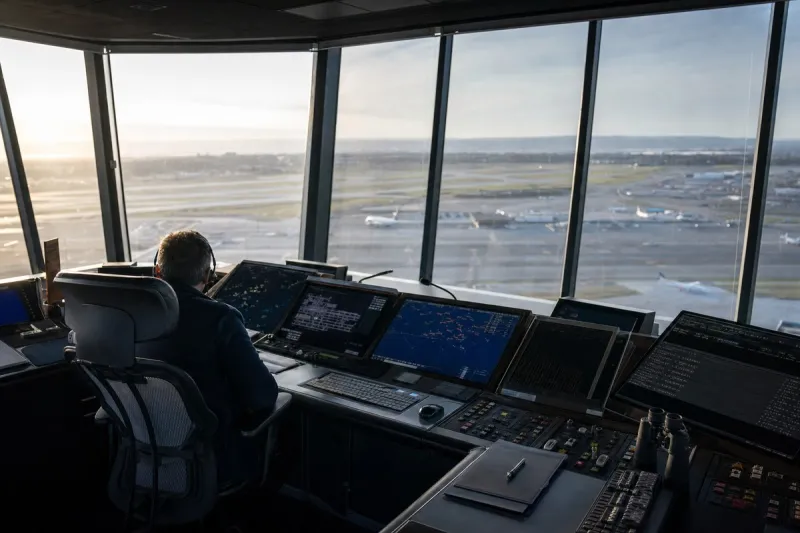
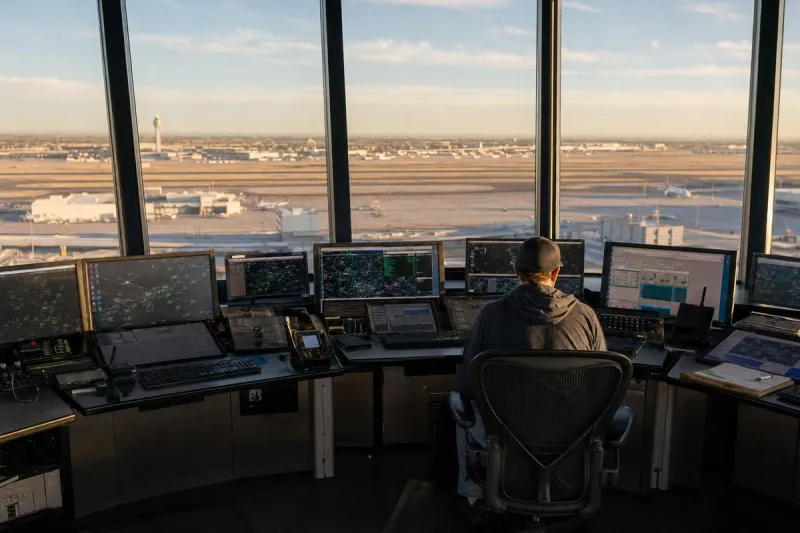
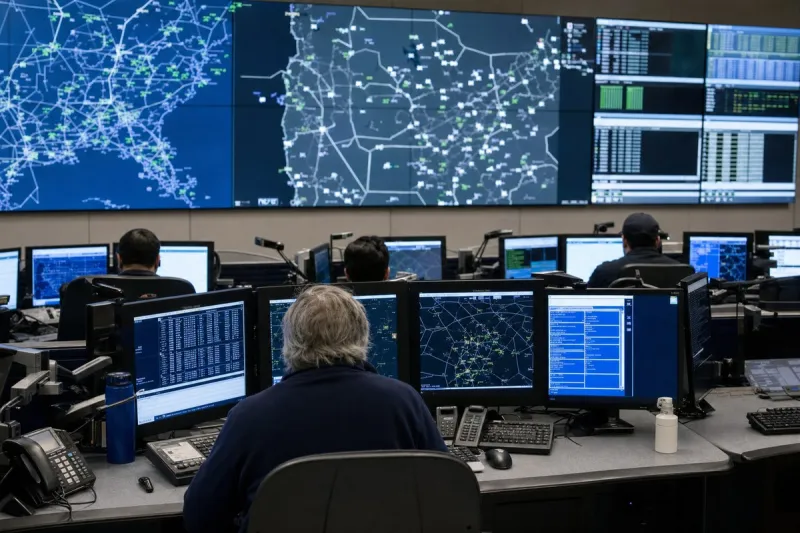
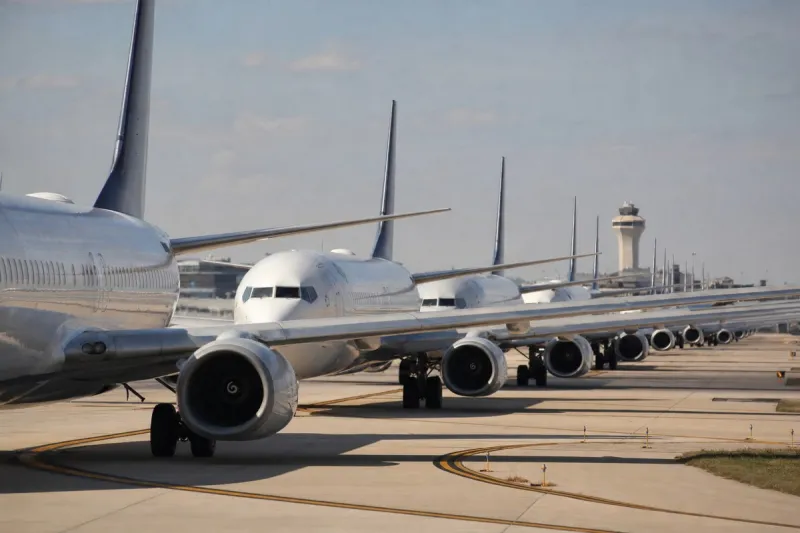
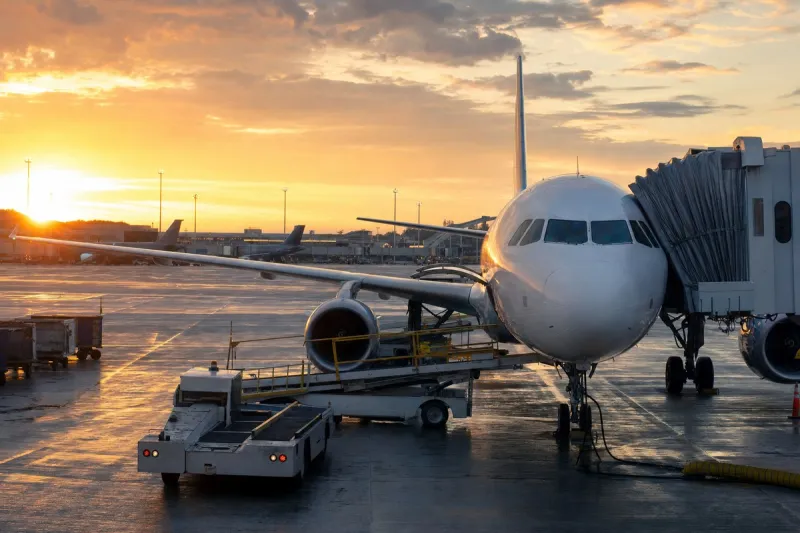
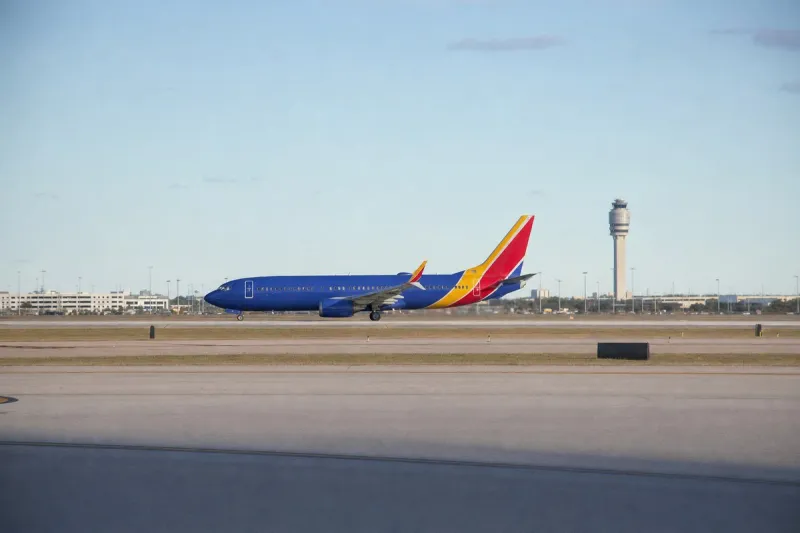
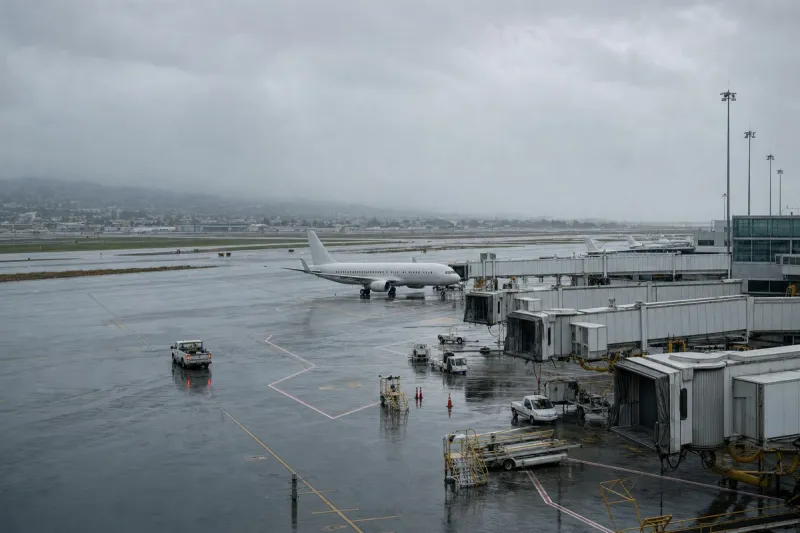
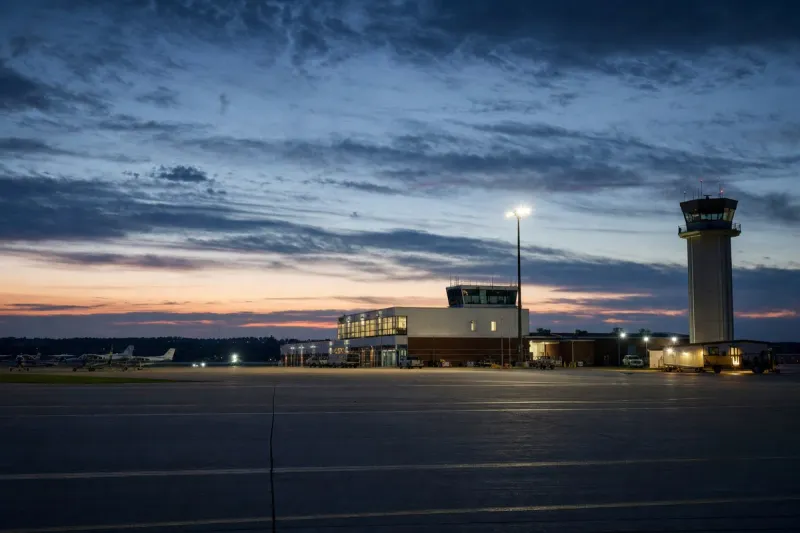
The control tower at Hollywood Burbank Airport (BUR) went 'ATC Zero' on Wednesday evening, meaning no controllers were on duty. Pilots arriving and departing had to coordinate their own takeoffs and landings. ATC recordings captured Southwest Airlines and Alaska Airlines crews announcing their positions to each other over a shared radio frequency, a procedure normally used at airports without a control tower.
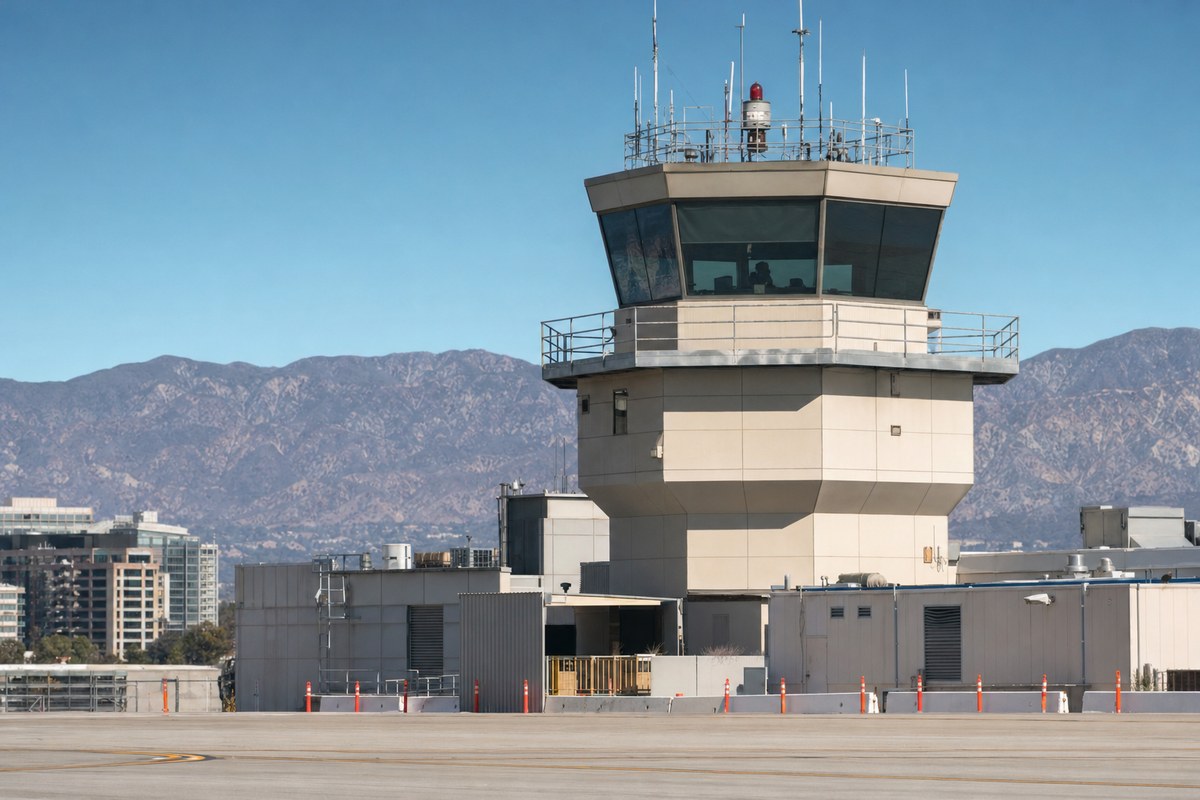
In the recordings, a Burbank controller told aircraft the tower was going ATC Zero and that radar services were being terminated. Pilots then switched to the Common Traffic Advisory Frequency (CTAF) and announced their movements. A Southwest pilot reported being on short final for Runway 8, and an Alaska Airlines crew announced it was taxiing from the terminal area to the holding pad. The situation occurred at least twice on Wednesday evening, with the tower left without controllers for periods of around 30 minutes.
The cause has not been officially confirmed. CBS LA cited a source who attributed the issue to staffing shortages and said it could happen again later that night, which it did. There are suggestions the interruptions were linked to mandatory rest breaks for a lone controller on duty. Neither the FAA nor Burbank Airport has confirmed the reason.
It is the second time in just over a year that the tower has been left without controllers. On October 6, 2025, the tower had no controllers for nearly six hours during a 43-day federal government shutdown, when controllers were working without pay. On that occasion, Southern California TRACON handled operations remotely from San Diego, with average delays exceeding two hours. One passenger told CBS LA it could be a safety issue if pilots are left to coordinate among themselves.
Why Burbank's airspace draws scrutiny
Burbank's airspace has been named among high-risk 'hotspots' because of the mix of helicopter and airplane movements and its proximity to Van Nuys Airport.
The airport is a busy Class C commercial field served by Southwest Airlines, Alaska Airlines, American Airlines and Delta Air Lines, among others.
Industry impact & what to watch
ATC Zero is one of three designations the FAA uses, alongside ATC Alert and ATC Limited, to describe reduced or unavailable services at an ATC facility. When a tower goes ATC Zero, a neighboring facility takes over part of its workload, while pilots at the affected airport announce their positions and intentions over CTAF and lean more heavily on radio calls and their own visual awareness. That arrangement is routine at small airports without towers. Applying it at a commercial airport with scheduled airline traffic and helicopter movements is a different exposure, because the margin for a missed call is smaller when several aircraft are active at once.
The two Burbank episodes sit on different causes: a government shutdown in 2025 and, by one source's account, a thin roster in 2026. Both point to the same structural feature of tower staffing. When a facility depends on a single controller for an evening shift, any absence, scheduled or not, converts directly into lost service, and there is no buffer to absorb it. Airlines and charter operators using such airports have to plan for the possibility that a tower they expect to be staffed will not be, including how crews brief for CTAF operations.
The statements that would settle the question are the FAA's or the airport's own account of why the tower was empty on Wednesday and whether the rest-break explanation holds. Until one of them speaks, the staffing attribution rests on a single anonymous source.