FAA Proposes AD Superseding 2015 Rule on Cracks in Daher TBM 700 Main Landing Gear, Drops Dye Penetrant Inspection
Why It MattersRetiring an inspection method that a European regulator has already dropped shows how US airworthiness rules for ageing single-engine turboprop fleets track EASA revisions, even where the underlying crack-inspection obligations stay unchanged.
What happened
The U.S. Federal Aviation Administration (FAA) has published a notice of proposed rulemaking (NPRM) that would supersede Airworthiness Directive (AD) 2015-17-10. That AD applies to certain SOCATA Model TBM 700 airplanes, for which the type certificate is currently held by Daher Aircraft, SAS.
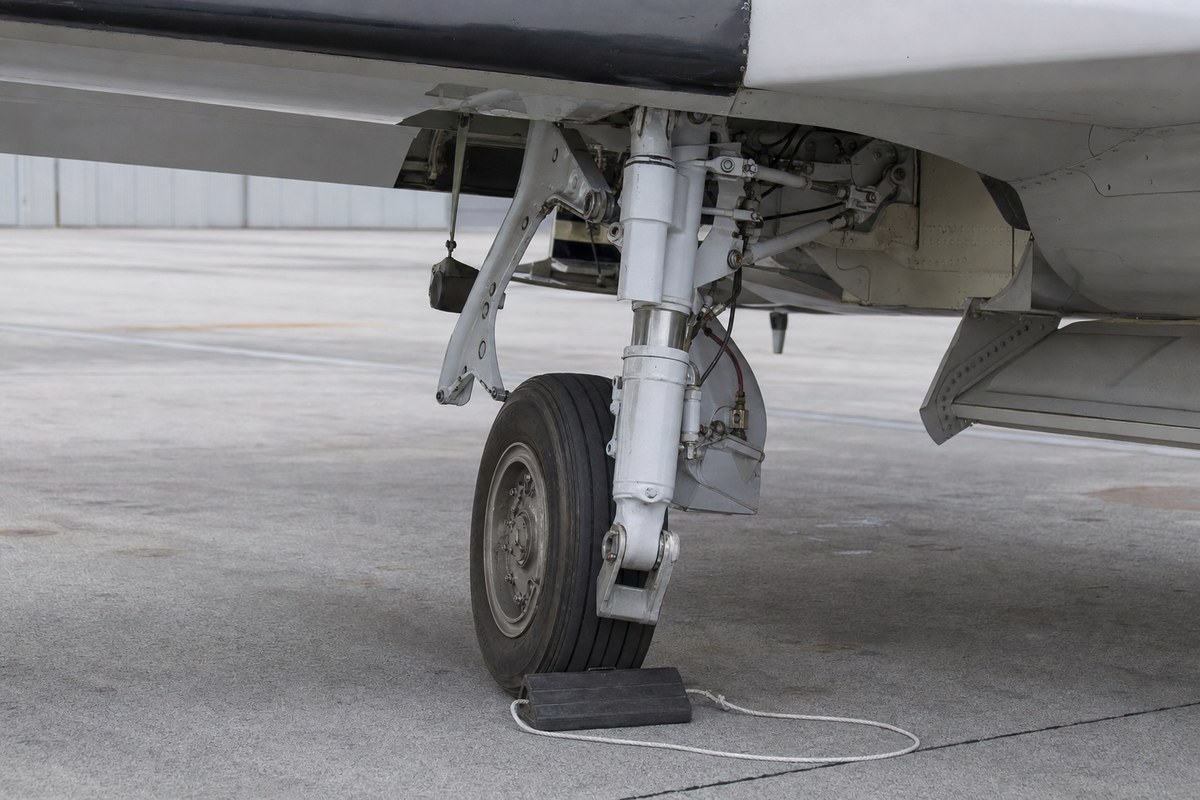
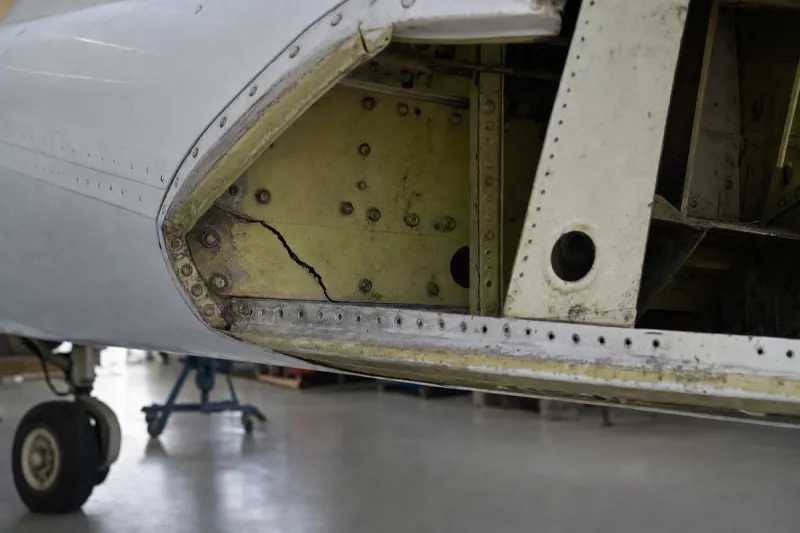
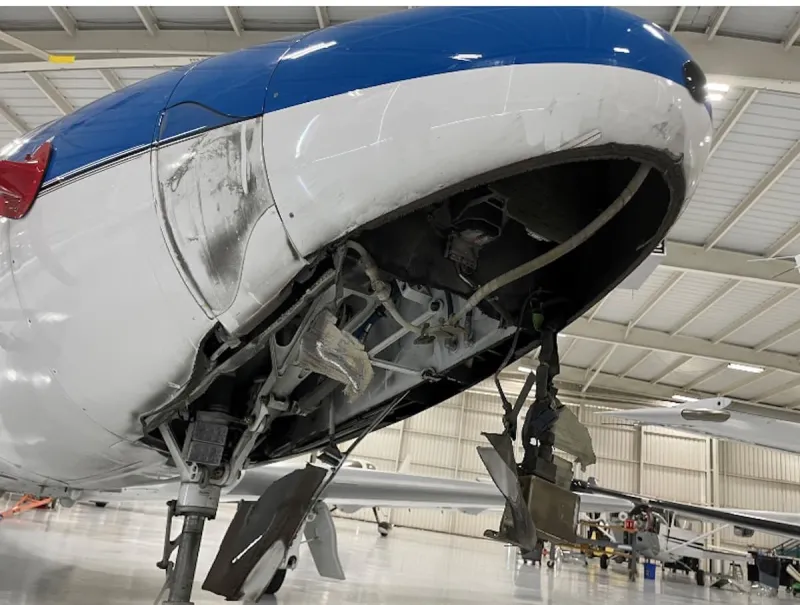
AD 2015-17-10 requires repetitive inspections of the forging body of the main landing gear (MLG) for cracks and, depending on the findings, corrective actions. It also allows replacement of the affected MLG with a reinforced landing gear as a terminating action for the repetitive inspections.
The FAA said additional serviceable MLG parts have been developed since AD 2015-17-10 was issued, and that dye penetrant is no longer an authorized inspection method. The proposed AD would continue to require the actions of the 2015 directive, add the additional serviceable parts, and remove dye penetrant as an inspection option. It would also require Daher-Socata TBM Aircraft Mandatory Service Bulletin 70-130, Revision 3, dated December 2014.
The FAA is proposing the AD to address an unsafe condition: cracks in the MLG cylinder could cause the MLG to fail, potentially resulting in a collapsed MLG during takeoff or landing runs and reduced structural integrity of the airplane.
The proposal was published in the Federal Register on November 17, 2026, under docket number FAA-2026-13817 (Project Identifier MCAI-2026-00492-A). The FAA must receive comments by January 4, 2027.
The EASA revisions behind it
The proposal follows revisions by the European Union Aviation Safety Agency (EASA). EASA AD 2006-0085R3, dated December 2, 2025, more fully defined affected and serviceable parts and allowed additional reinforced MLG part numbers developed by Daher as optional terminating action.
EASA AD 2026-0076, dated April 10, 2026, then superseded that directive. It states that the dye penetrant inspection is not authorized for the repetitive special detail inspection.
Industry impact & what to watch
The proposal shows the usual sequence for a type certificated outside the United States: the European authority revises its directive first, and the FAA then aligns its own AD so that US-registered aircraft follow the same inspection method and parts list. The core obligation, repetitive crack inspection of the landing gear forging with a reinforced gear as the way out, is unchanged; what changes is which inspection technique counts as acceptable.
For owners and maintenance shops, a method change of this kind matters in practice because an inspection done by a now-unauthorized technique may no longer satisfy the directive. The addition of further serviceable parts also widens the replacement options available when a gear is found cracked or when an owner chooses to terminate the repetitive checks.
The next fixed point is the January 4, 2027 comment deadline under docket FAA-2026-13817. The final rule, and any change to the proposed text after comments, will determine the compliance requirements that apply to affected TBM 700 airplanes.