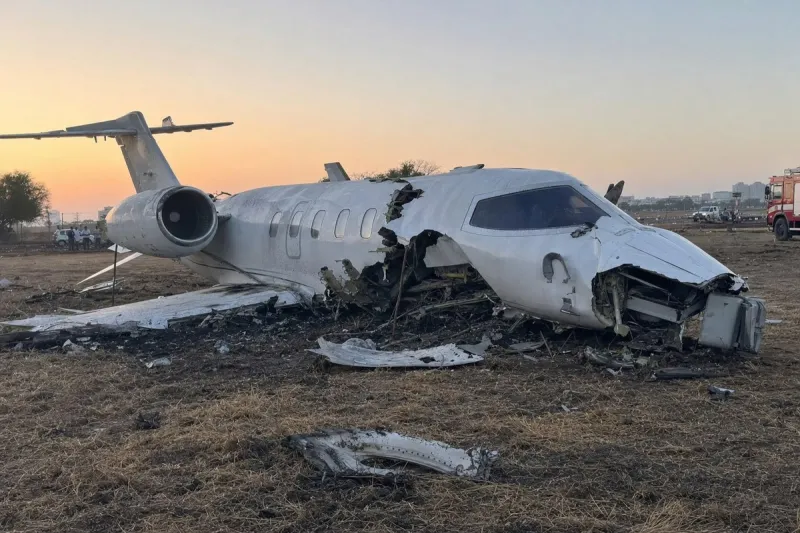
U.S. Ground Stop Exposes Aging Air Traffic Control Systems as Extreme Weather Risk Grows Ahead of Thanksgiving
Why It MattersThe episode shows how a single systems fault can halt a national network while weather-driven workload and staffing shortages lengthen recovery, leaving aging infrastructure as the binding constraint on peak-season reliability.
What happened
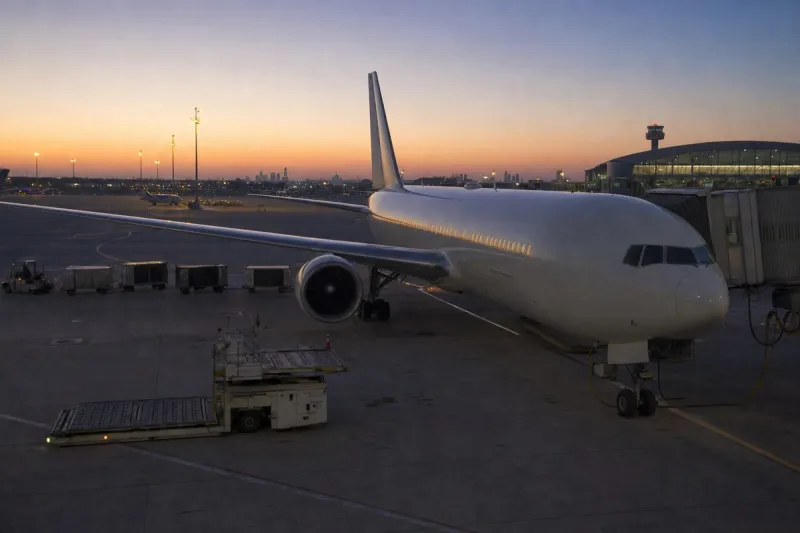
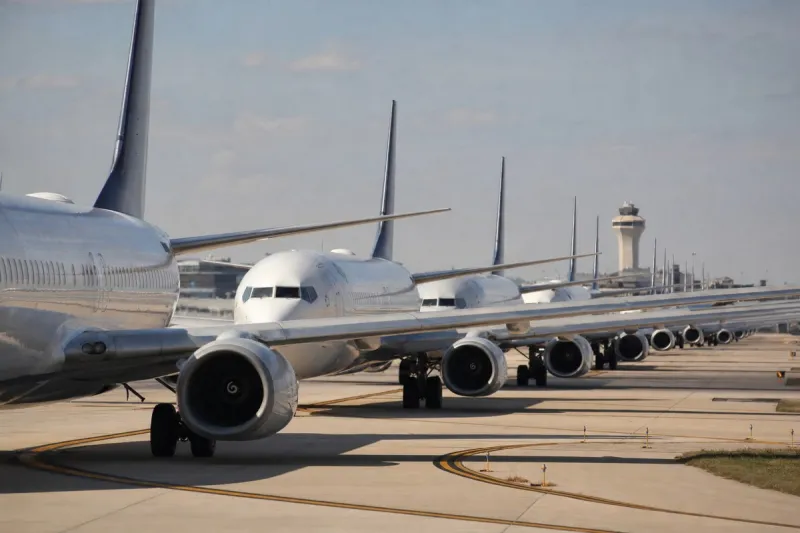
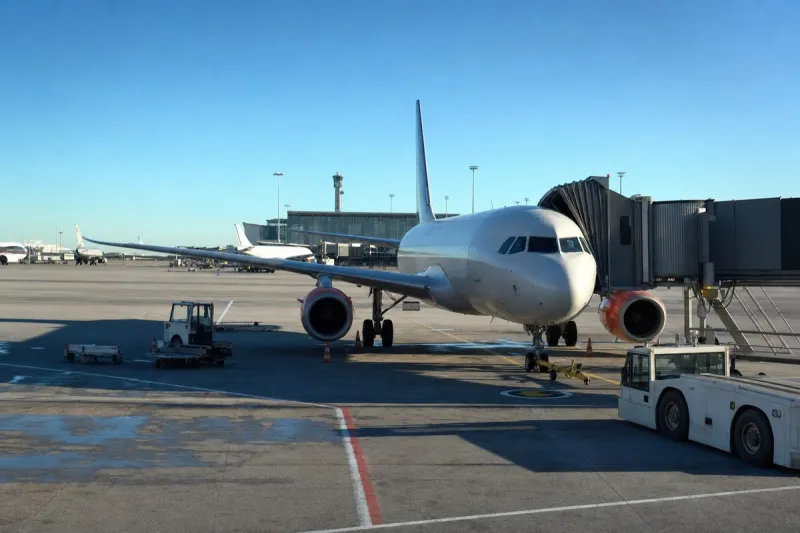
The United States is still recovering from a nationwide ground stop last Friday, the longest such flight stoppage in 25 years. It lasted more than four hours and resulted in more than 15,000 delayed or cancelled flights. Thanksgiving is a week away, and the year's busiest travel season is about to begin.
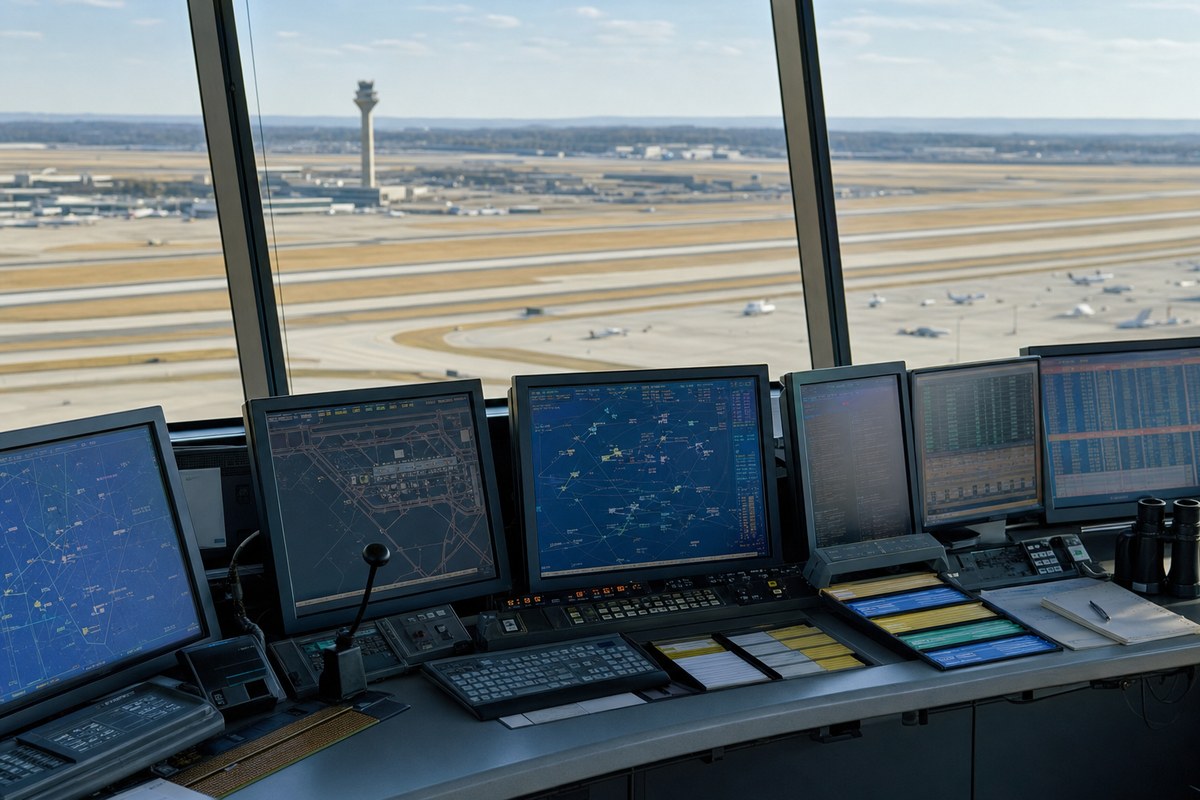
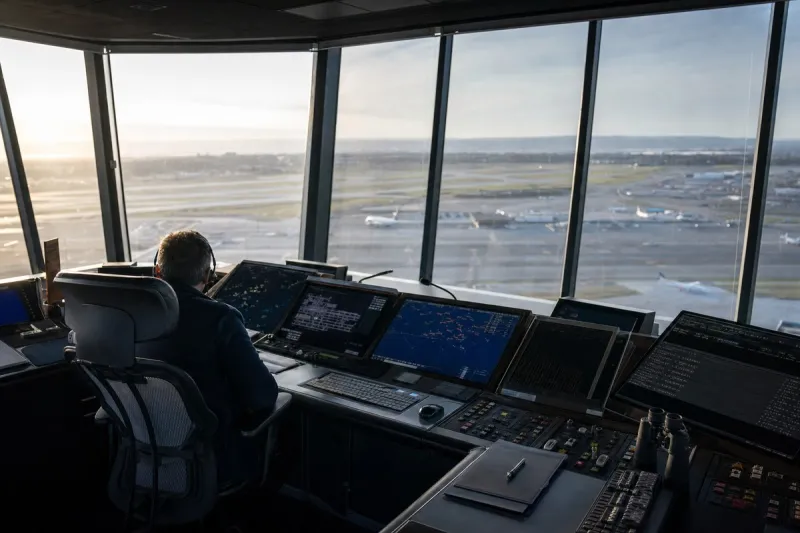
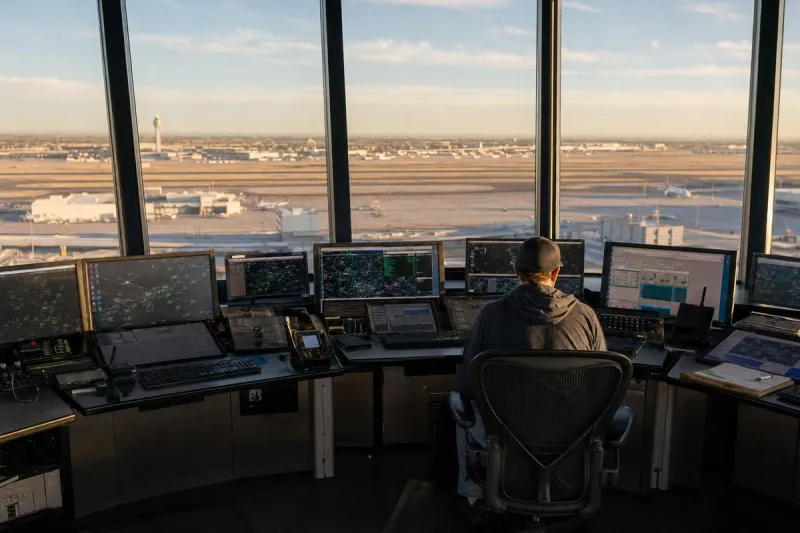
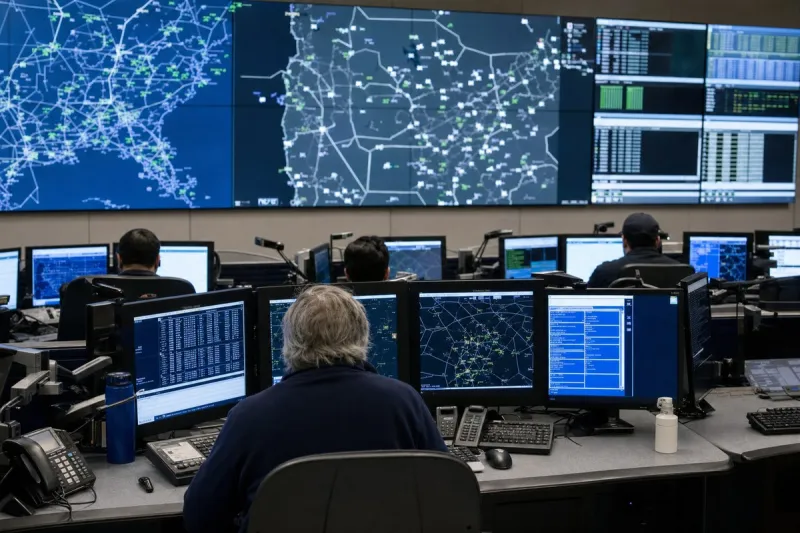
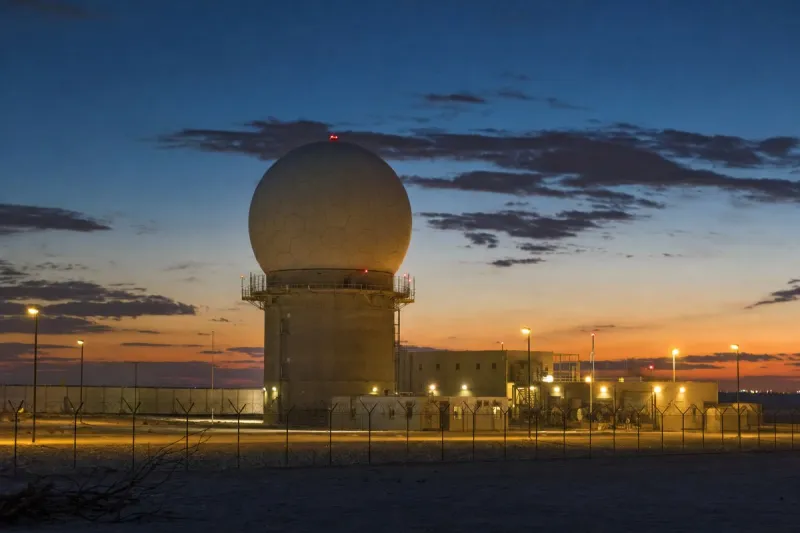
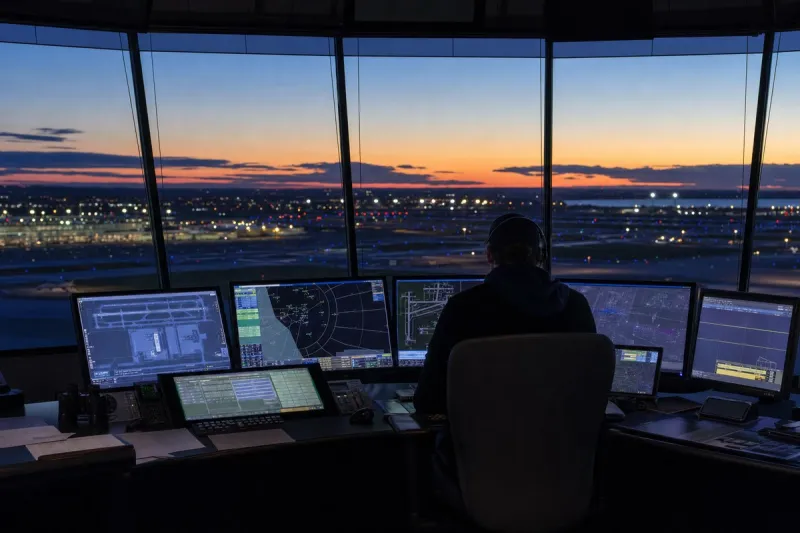
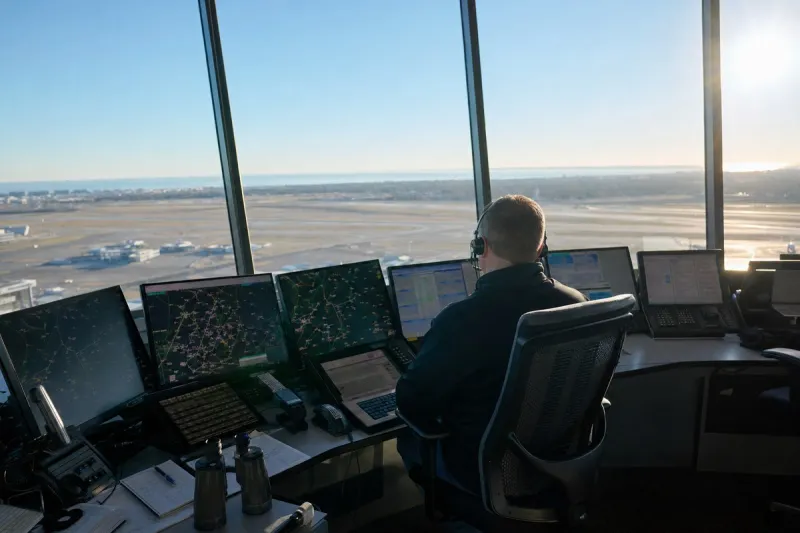
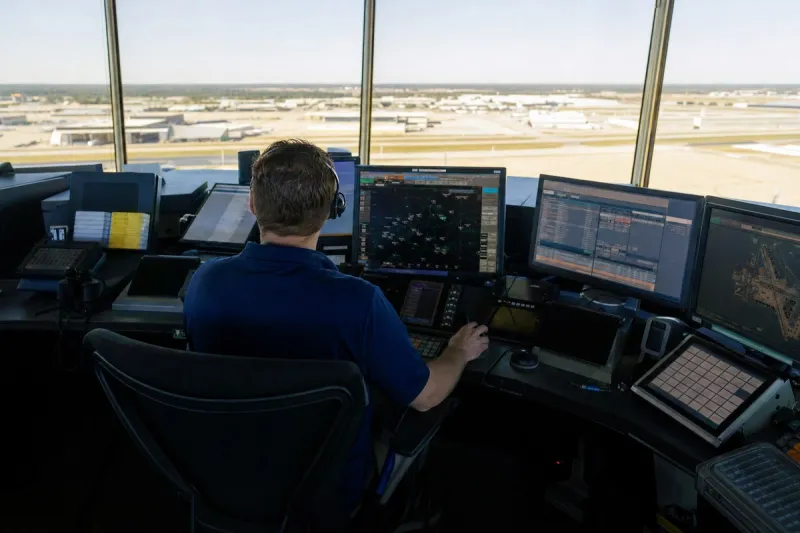
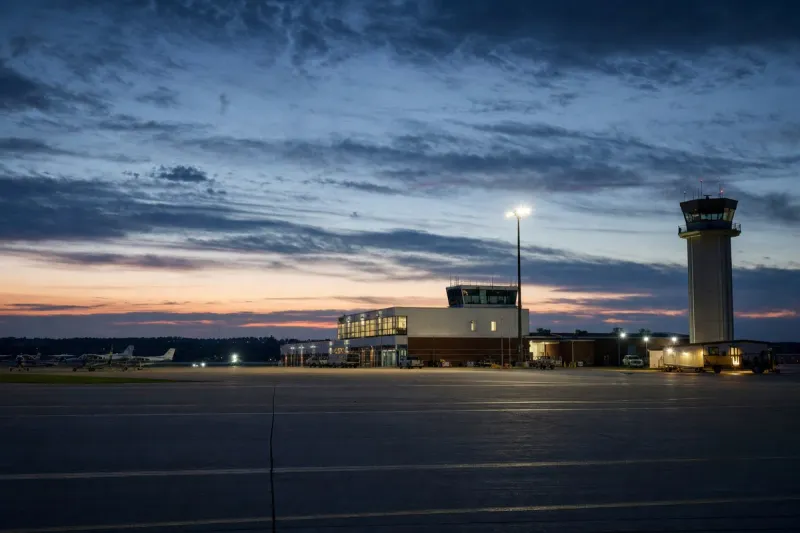
Transportation Secretary Sean Duffy said the incident was caused by equipment issues that destabilized air traffic control communication and radar systems during a routine network upgrade. At a press conference the day after, he said: "We're using old equipment." U.S. air traffic controllers work with systems at least a decade older than those used by counterparts in other countries.
The world faces what is set to be the strongest El Niño in recorded history, and a potential cold snap from the polar vortex is expected next week, so holiday travel could see more weather-related disruption. Nationwide ground stops are rare, but severe weather is the most common trigger for local ground stops. Air traffic control towers are also chronically understaffed, which lengthens recovery from disruptions.
Why a ground stop feeds on itself
During a ground stop nothing can take off, including the weather balloons that help forecast conditions. Mayra Oyola, assistant professor of atmospheric and oceanic sciences at the University of Wisconsin-Madison, said this creates a feedback loop in which forecasts suffer for lack of information that aircraft need in order to depart.
Oyola said climate change is making storms stronger because the atmosphere can absorb and release more water, and that some rules pilots follow may no longer suffice. One example is the rule of separation, which tells pilots to stay 20 nautical miles from a storm's edge. She noted that this year's El Niño may expose flight crews to weather extremes they have not experienced.
Controller workload and the pace of modernization
Tim Kiefer, professor of air traffic management at Embry-Riddle Aeronautical University, likened the situation to giving controllers a screwdriver for a job that needs a hammer. He said that even when weather is not severe enough to stop aircraft, it can add workload controllers cannot keep up with, forcing them to slow the system and create ground stops.
Oyola added that modernizing the entire system cannot be done quickly and must be done carefully. Travelers are advised to monitor the weather and enable airline notifications.
Industry impact & what to watch
A network-wide stoppage is rare, but this one began inside the system rather than outside it: a routine upgrade to ageing communication and radar equipment was enough to ground flights nationally for more than four hours. The distinction matters for how the air network carries risk. Weather has long been the familiar cause of local ground stops, and a fault in shared infrastructure behaves differently because it stops everything at once rather than one region at a time.
The pressure compounds when the two sources overlap. Controllers already short-staffed must absorb extra weather workload, and every hour on the ground also removes the aircraft-borne observations that feed forecasts. Recovery from a stoppage therefore takes longer than the stoppage itself, and a busy holiday schedule leaves little slack for rebooking the 15,000-plus affected flights.
The next test is concrete: the Thanksgiving travel period, with the polar-vortex cold snap expected next week. Whether any further equipment upgrade is scheduled around that window is the detail that would shape how exposed the system is, and it is one for the Transportation Department and the controllers' side of the system to state.