FAA Proposes AD Expanding Titanium Screw Replacement on Dassault Falcon 7X Airplanes
Why It MattersRepeated expansions of the same fastener directive show how a fleet-wide parts issue widens in stages, leaving owners of mature business jets with recurring structural-inspection workload and rising cumulative maintenance cost.
What happened
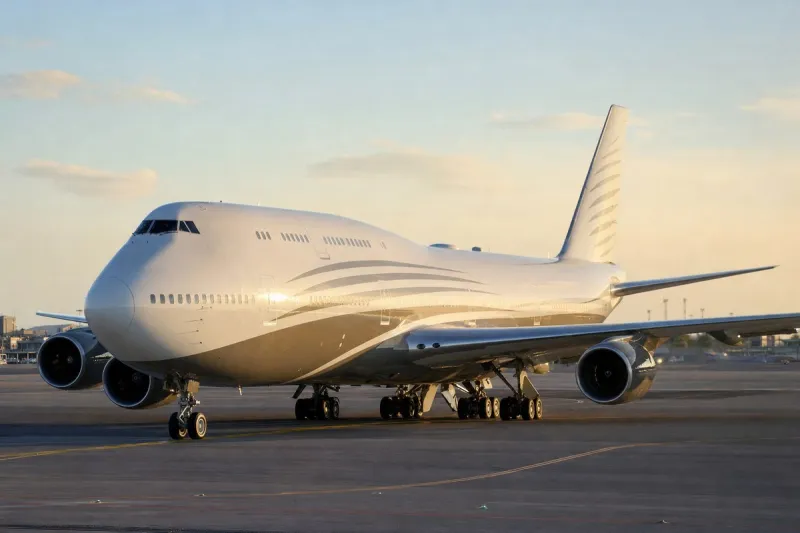
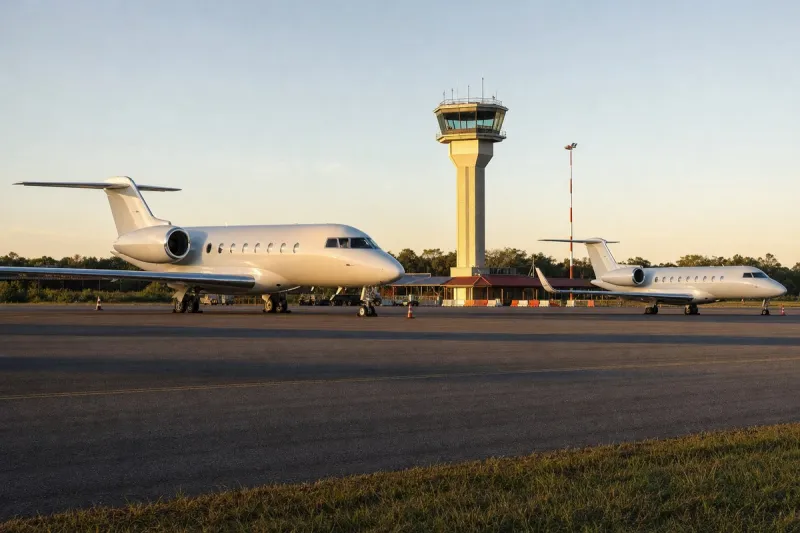
The Federal Aviation Administration has issued a notice of proposed rulemaking for an airworthiness directive affecting certain Dassault Aviation Falcon 7X airplanes. The document is scheduled for publication in the Federal Register on 2026-11-19 under Docket No. FAA-2026-13821. The proposed AD would continue the requirements of AD 2024-14-09, which requires replacement of certain titanium screws, adds other locations for screw replacement, and revises the applicability from AD 2022-02-10.

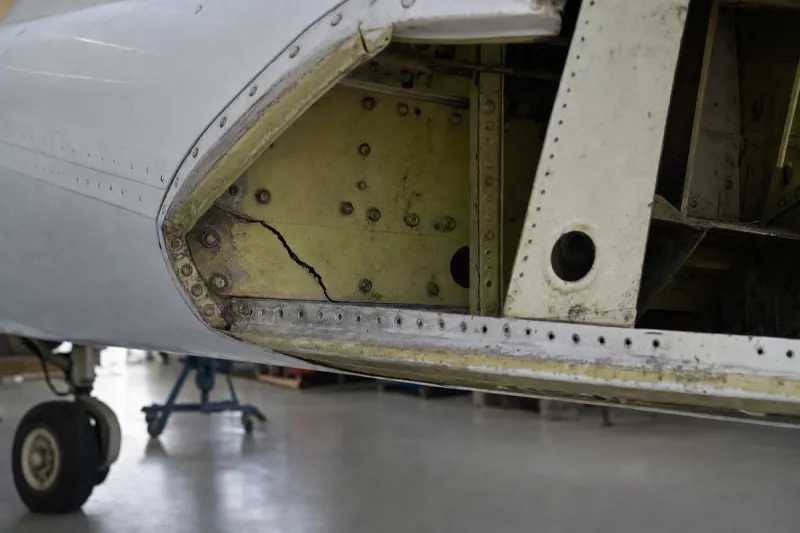
The FAA said that since AD 2024-14-09 was issued, affected parts have been found in other areas of certain Falcon 7X airplanes and in additional Falcon 7X airplanes. The proposed AD would expand the applicability to additional airplanes, expand the locations for screw replacement, and revise the compliance times for parts replacement. It would also limit the installation of affected parts under certain conditions. The stated aim is to address failure of an affected screw installed in a critical location, which could reduce the structural integrity of the airplane.
The proposal is based on EASA AD 2025-0228R1, dated February 6, 2026, which superseded EASA AD 2023-0207 and covers certain Dassault Aviation Falcon 7X, Falcon 900EX and Falcon 2000EX airplanes. EASA determined that affected parts were installed in additional areas of Falcon 7X airplanes already covered and that other Falcon 7X airplanes were missing from the earlier applicability. EASA also found that the parts-replacement compliance time can be defined in flight cycles only, so the calendar-based compliance times were removed.
The FAA estimates the AD would affect 52 airplanes of U.S. registry. Estimated costs are up to 250 work-hours at $85 per hour ($21,250) plus up to $524 in parts, or up to $21,774 per product and up to $1,132,248 for U.S. operators. The $524 figure reflects rental of special tooling per day for replacing any affected Decomatic titanium screw on Falcon 7X airplanes with serial numbers 423 through 443 (inclusive). According to the manufacturer, some or all costs may be covered under warranty. The FAA invites written comments through the Federal eRulemaking Portal, hand delivery or other methods.
Industry impact & what to watch
A directive that grows from one revision to the next is a familiar shape for fleet-wide parts findings: the first action targets the locations and serial numbers known at the time, and later inspections turn up the same part elsewhere. Here the FAA's own account is that affected screws were found in additional areas and in additional airplanes after AD 2024-14-09, which is why the applicability and the replacement locations both widen.
For operators of a type this far into service, the practical effect is recurring structural work that arrives in installments. Dropping calendar-based compliance times in favour of flight cycles ties the deadline to how hard each airplane is flown, so heavily used aircraft reach it sooner while lightly used ones are not forced into work on a calendar date. The cost estimate, at up to $21,774 per airplane, is modest against the aircraft's value but is paid on top of earlier rounds, and the manufacturer's note that warranty may cover some or all of it makes the warranty position of each airplane a live question.
The next milestone is the comment period opened by the November 19 publication. How the FAA treats the comments, and whether the final rule keeps the proposed compliance times and the limits on installing affected parts, will settle the work scope operators actually face.