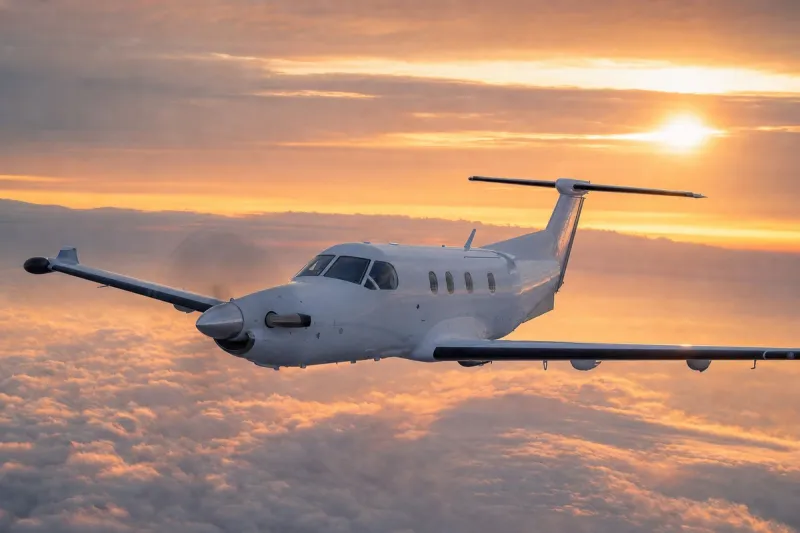
Tecnam P2010 TDI Flies Four People to Leadville, North America's Highest Airport at 9,934 Feet
Why It MattersHigh-altitude demonstrations like this show how diesel-powered piston singles are positioned against traditional gasoline aircraft in mountain markets, where field elevation and density altitude define real-world payload and runway performance.
What happened
Tecnam US flew its P2010 TDI from Centennial Airport (KAPA) near Denver to Lake County Airport (KLXV) in Leadville, Colorado, to demonstrate the performance of the aircraft and its turbocharged Continental CD-170 engine at altitude. Leadville's airport sits at 9,934 feet and has the highest paved runway in North America. The announcement was dated November 19, 2026.
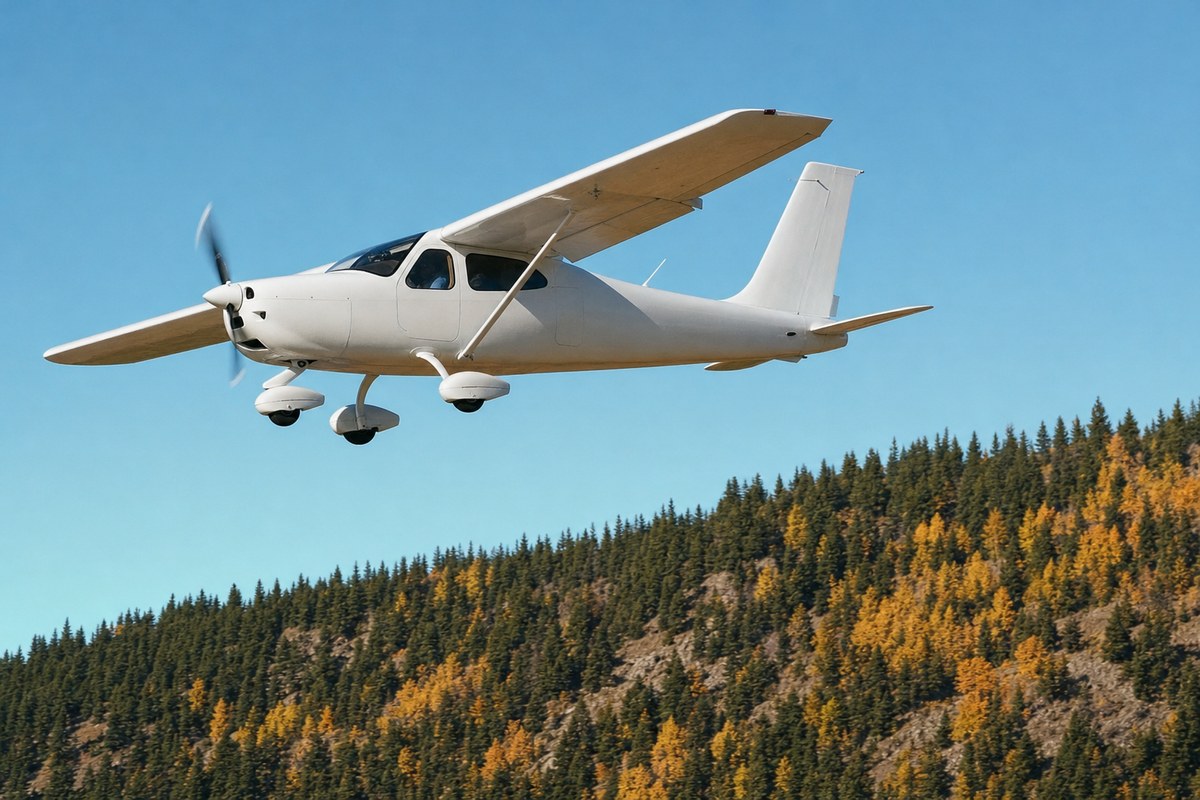
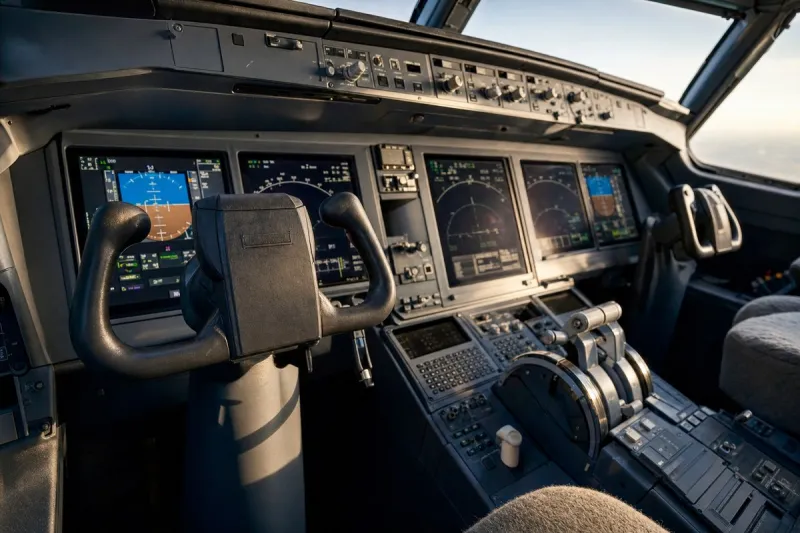
Tecnam US Chief Pilot Doma Andreka departed Centennial, whose field elevation is 5,885 feet, with three passengers on board. Carrying four people and 30 gallons of fuel, the aircraft climbed at over 800 feet per minute to a 13,000-foot cruise for the 50-minute flight. In cruise, the Garmin G1000 NXi showed 86% power and a 135-knot groundspeed, with the engine's FADEC managing operation through a single power lever.
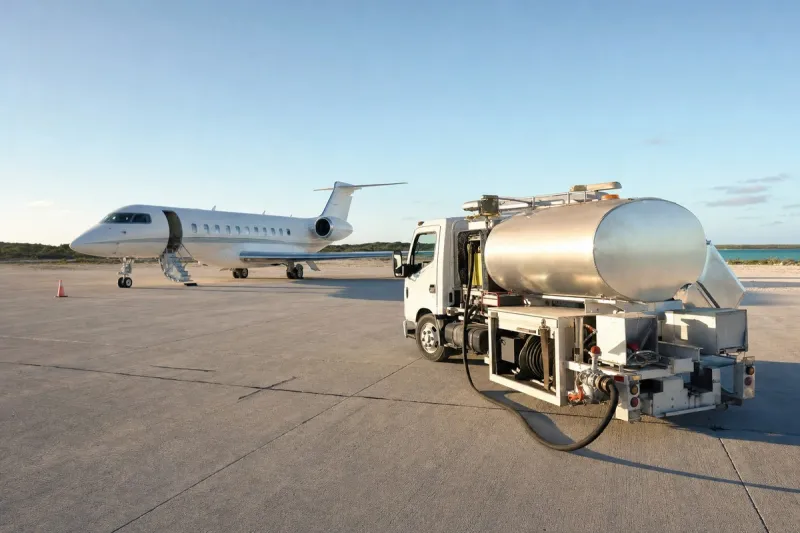
The aircraft landed on Runway 34 into a quartering headwind from the west, using about 3,000 feet of runway and turning off at Taxiway D. The crew added Jet-A to bring the fuel load to 40 gallons, about three-quarters full, and received a certificate from the airport manager marking the landing. The P2010 TDI then took off with four people and the extra fuel using less than half of the 6,400-foot runway, climbing initially at 600 feet per minute to 13,100 feet. Two coyotes crossed the runway ahead of the aircraft during the takeoff roll.
"We wanted to show what this airplane does where it counts: full seats, high altitude, and a real mountain runway," Andreka said.
The aircraft and its engine
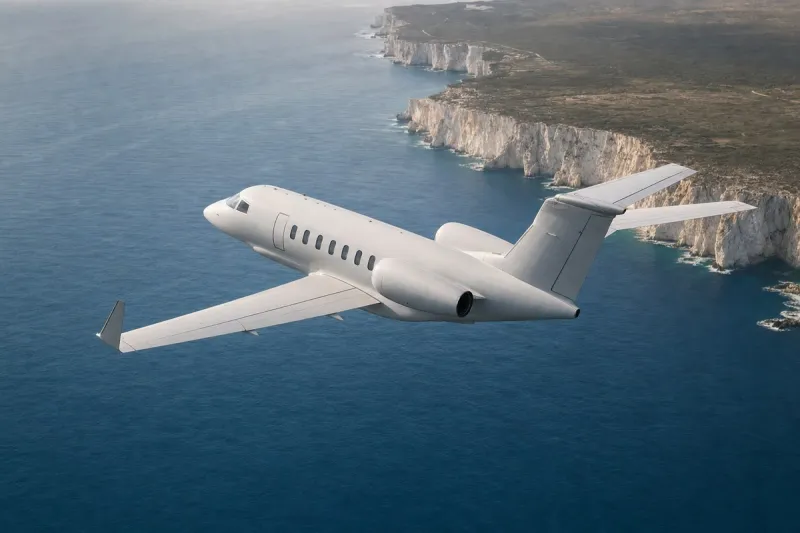
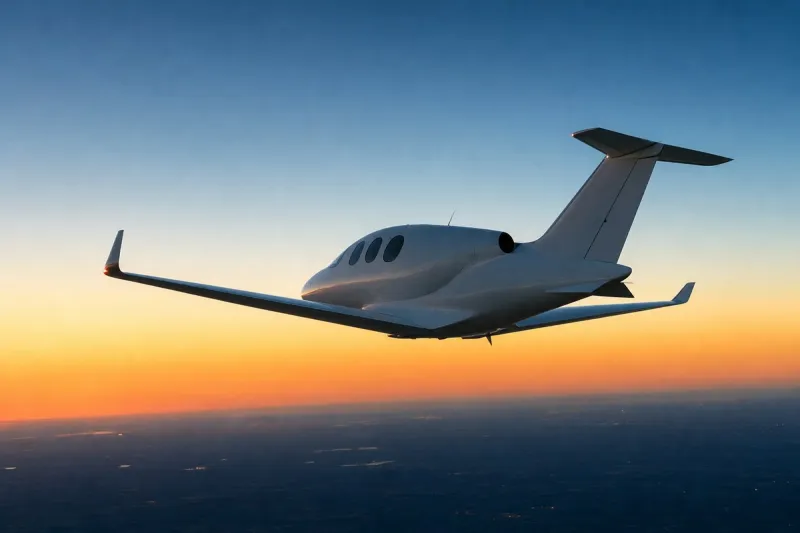
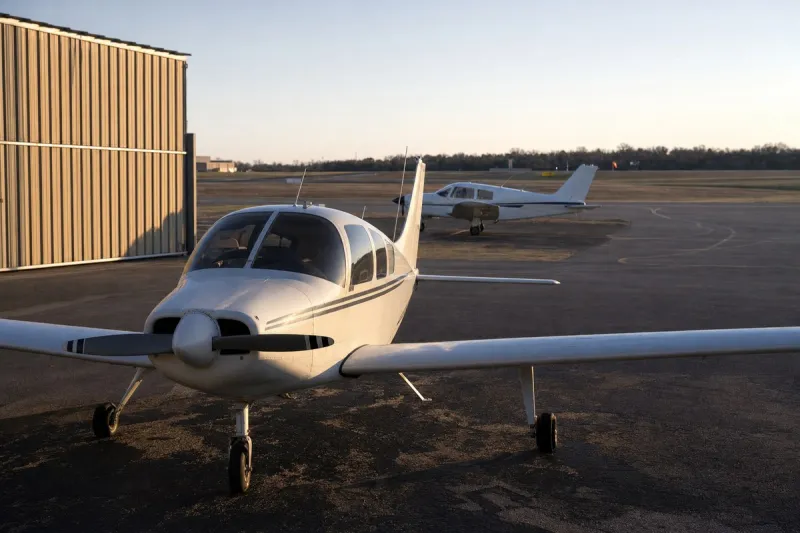
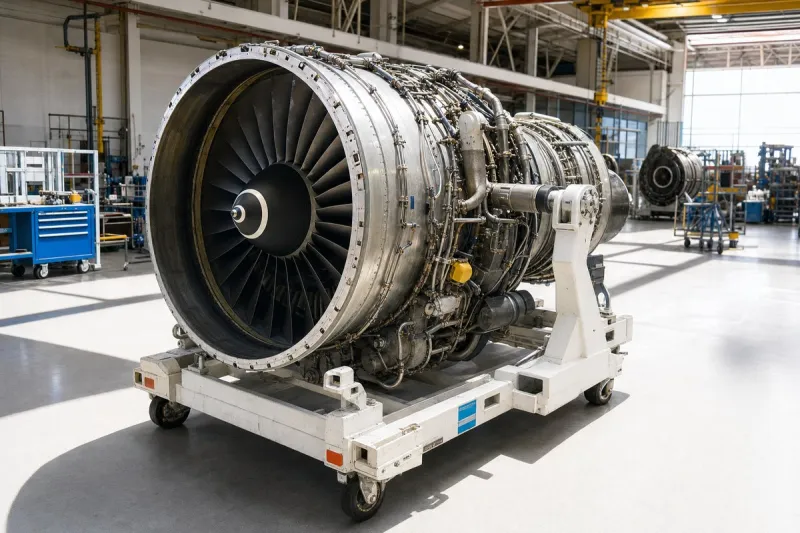
The P2010 TDI is Tecnam's four-seat, high-wing single, powered by the Continental CD-170, a 170 hp, liquid-cooled, four-cylinder diesel that runs on Jet-A. It combines a carbon-fiber fuselage with a metal wing and stabilator, three passenger doors and a separate baggage door.
The aircraft comes standard with the Garmin G1000 NXi and GFC 700 autopilot. Cruise fuel burn is about 4.5 to 8 US gallons per hour. It received EASA certification in 2020 and FAA certification in 2021. Tecnam US is headquartered in Sebring, Florida, and Tecnam has built aircraft in Italy since 1948.
Industry impact & what to watch
Mountain flying is where piston singles are judged hardest, because density altitude erodes climb rate, takeoff roll and useful load all at once. A turbocharged diesel that holds 86% power at 13,000 feet and still climbs at 600 to 800 feet per minute with four aboard is a direct answer to that constraint, and Tecnam chose the demonstration accordingly: full seats, a high field and a partial fuel load topped up on the ground.
The flight also illustrates a wider commercial argument for Jet-A piston engines. Operators and flight schools that already stock Jet-A can fuel such an aircraft from the same supply used for turbine traffic, and the single-lever FADEC operation reduces the engine-management workload that high-altitude flying otherwise adds. A single publicity flight is not a performance dataset, and the figures reported are one aircraft on one day with one crew, but the numbers are specific enough for prospective buyers in Rocky Mountain markets to compare against their own mission profiles.
The most useful next evidence would be repeatable performance data under differing temperatures and loads, since a cold November morning flatters density altitude in a way a summer afternoon at the same field would not.